Exoplanets
An exoplanet is any planet beyond our solar system. Most of them orbit other stars, but some free-floating exoplanets, called rogue planets, are untethered to any star. We’ve confirmed more than 6,000 exoplanets, out of the billions that we believe exist.
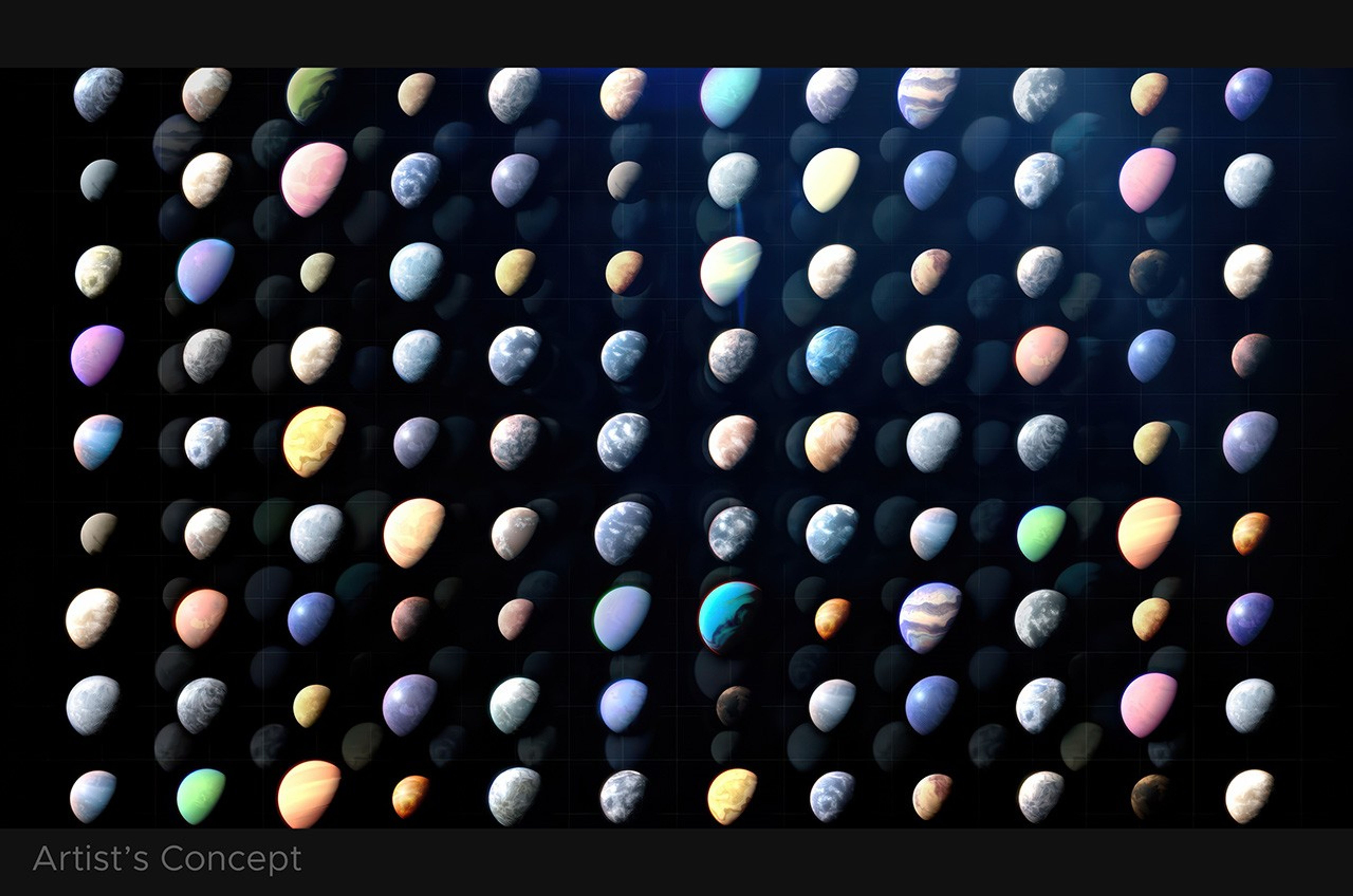
6K, and counting...
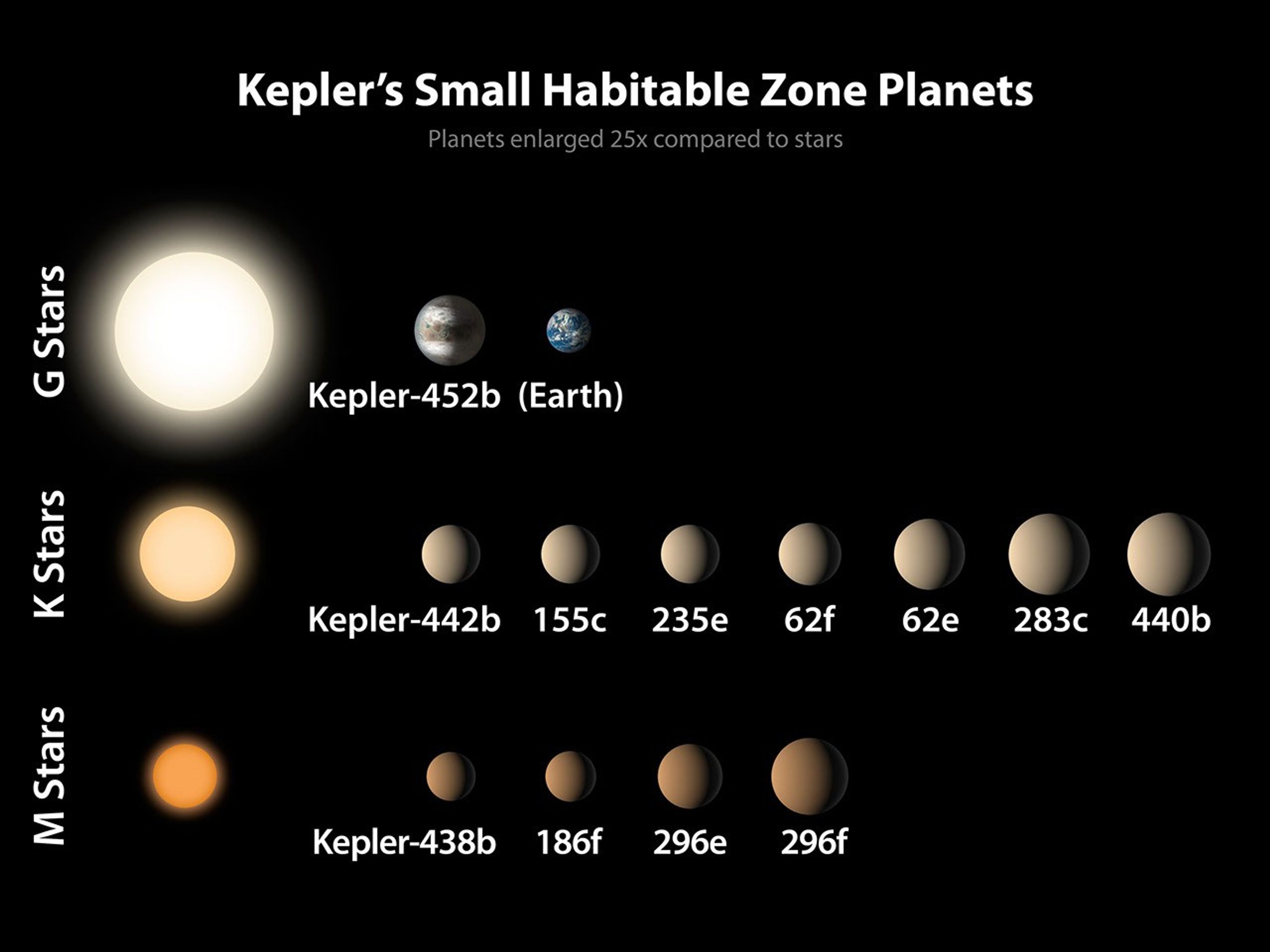
6,000 Exoplanets!
The milestone of extra-solar planets confirmed by NASA highlights the accelerating rate of discoveries, just over three decades since the first exoplanets were found.
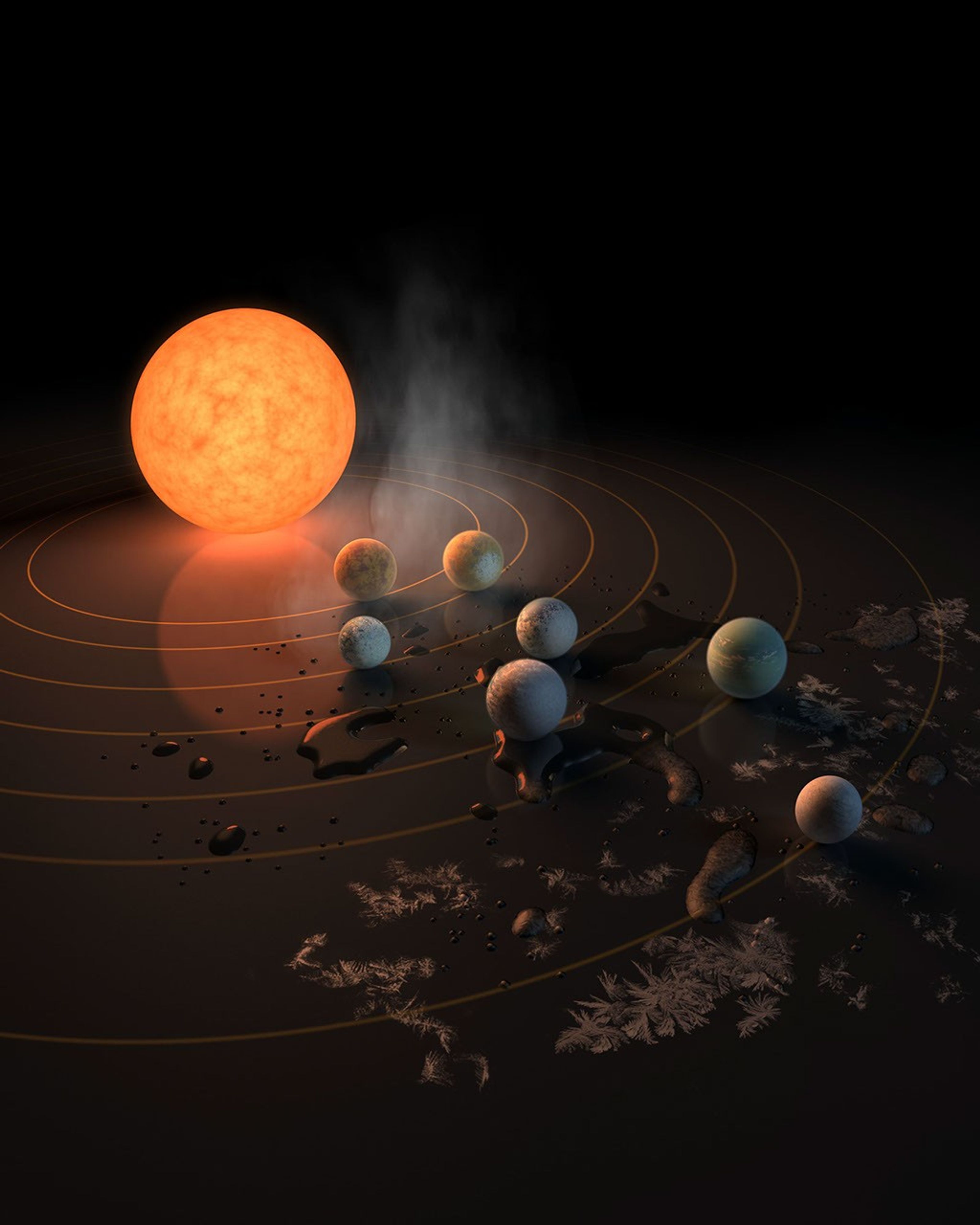
The Habitable Zone
The area around a star where its planets could have liquid water on the surface. Also called “Goldilocks zones,” where conditions might be just right — not too hot, not too cold — for life.

Why We Search
Whether life exists beyond Earth is one of the most profound questions of all time. The answer — whatever it is — will change us forever.

Exoplanet Travel Bureau
Even the closest exoplanets are too far away to visit. But… what if they weren't? Scientists, futurists, and artists have helped us select several destinations. Suit up and join a tour!
Exoplanet Catalog
Learn more about every confirmed exoplanet — more than 6,000 and counting — in this continuously updated resource. View interactive 3D models, and read descriptions and vital statistics.
Overview
Most of the exoplanets discovered so far are in a relatively small region of our galaxy, the Milky Way. (“Small” meaning within thousands of light-years of our solar system; one light-year equals 5.88 trillion miles, or 9.46 trillion kilometers.) Even the closest known exoplanet to Earth, Proxima Centauri b, is still about 4 light-years away. We know there are more planets than stars in the galaxy.
By measuring exoplanets’ sizes (diameters) and masses (weights), we can see compositions ranging from rocky (like Earth and Venus) to gas-rich (like Jupiter and Saturn). Some planets may be dominated by water or ice, while others are dominated by iron or carbon. We’ve identified lava worlds covered in molten seas, puffy planets the density of Styrofoam and dense cores of planets still orbiting their stars.
The Stars of ‘Project Hail Mary’ (and the Exoplanets Orbiting Them)
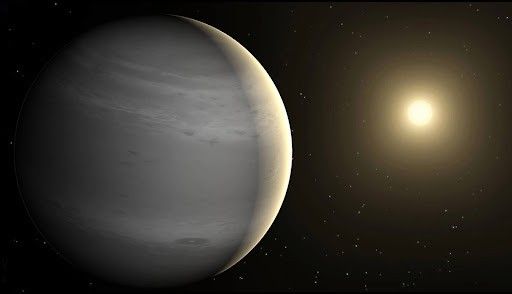
Tau Ceti is real — it's one of the closest Sun-like stars. And the Super-Earth exoplanet in its orbit, Tau Ceti e, nicknamed "Adrian" in the story? Well, it was identified in 2017, but upon further study …we're skeptical. The Rocky exoplanet, "Erid," is strictly fictional, for now. We're always looking, then checking our results again and again — welcome to exoplanet research. Now dive deeper into the astrophysics, astrobiology, heliophysics, human spaceflight, and the other science fields behind the science fiction.
Learn More: The Science Behind ‘Project Hail Mary’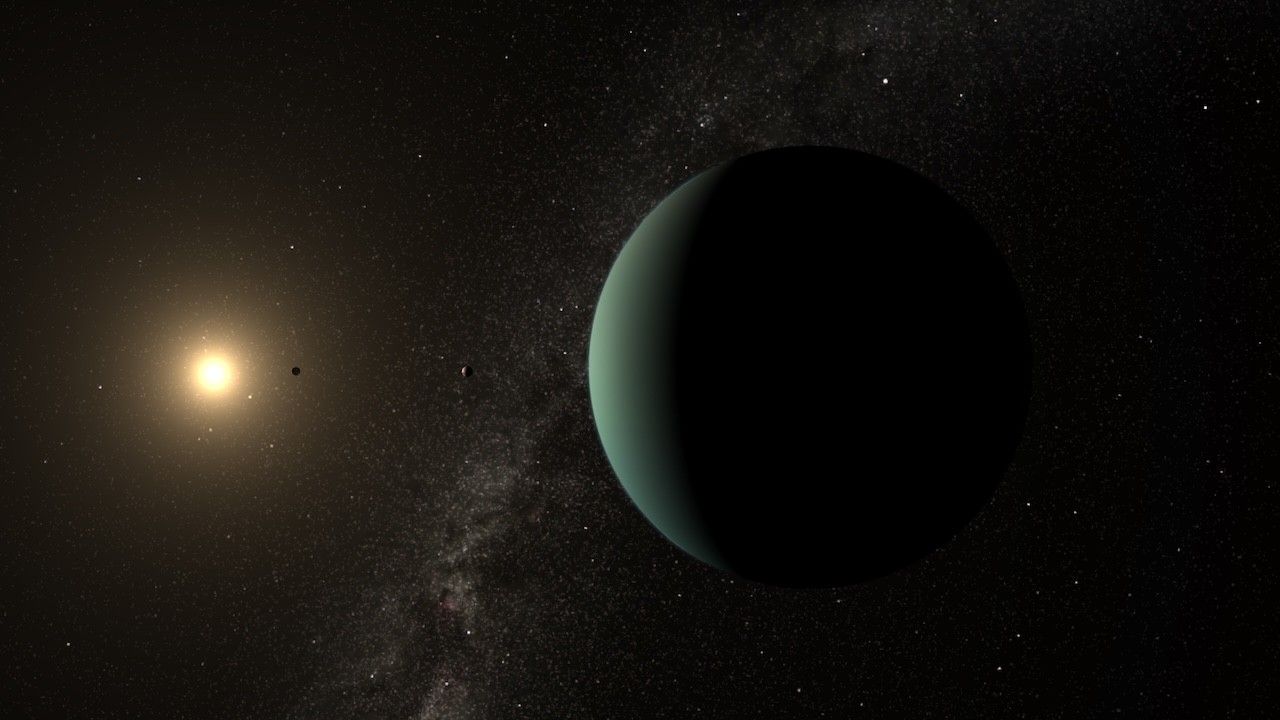
NASA’s Tally of Planets Outside Our Solar System Reaches 6,000
The milestone highlights the accelerating rate of discoveries, just over three decades since the first exoplanets were found. The official…
Read the Story
‘Other Stars, Other Worlds’
Is our home — our solar system — unique among all the systems of stars and their companion planets in the Milky Way galaxy? When compared to other planetary systems, are we that different? How much are we alike? This five-part series of animations and stories looks at some of our intriguing galactic neighbors.
Watch and Read ‘Other Stars, Other Worlds’NASA Confirms 6,000 Exoplanets
The official number of exoplanets — planets outside our solar system — confirmed by NASA has reached 6,000. The first exoplanet around a Sun-like star was discovered 30 years ago. Since then, the number has rapidly increased as technologies improve.
Thousands more candidate planets await confirmation, and each confirmed planet enables scientists to learn more about the conditions under which planets can form, how common planets like Earth might be, and where to look for them.
Exoplanet Types
So far scientists have categorized exoplanets into the following types: Gas giant, Neptunian, super-Earth, and terrestrial, with subcategories — such as mini-Neptunes — within those groups. How are they alike or different? What makes them special?
Learn More about Exoplanet Types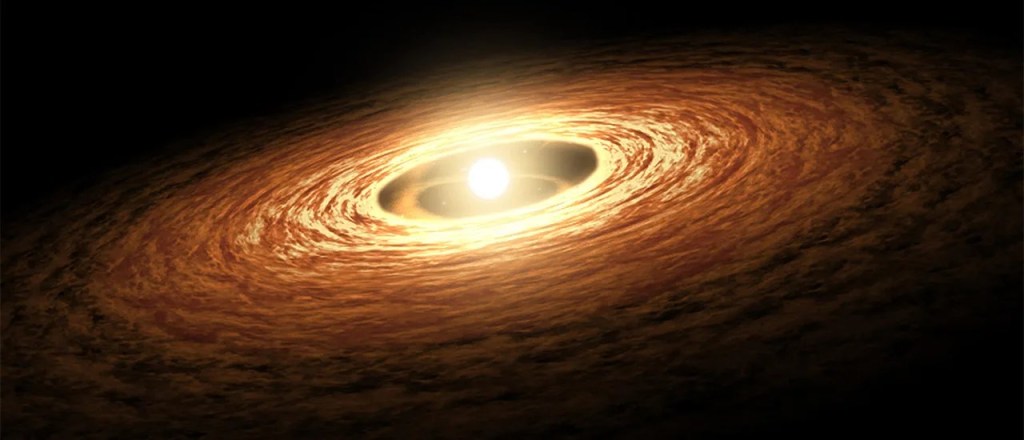

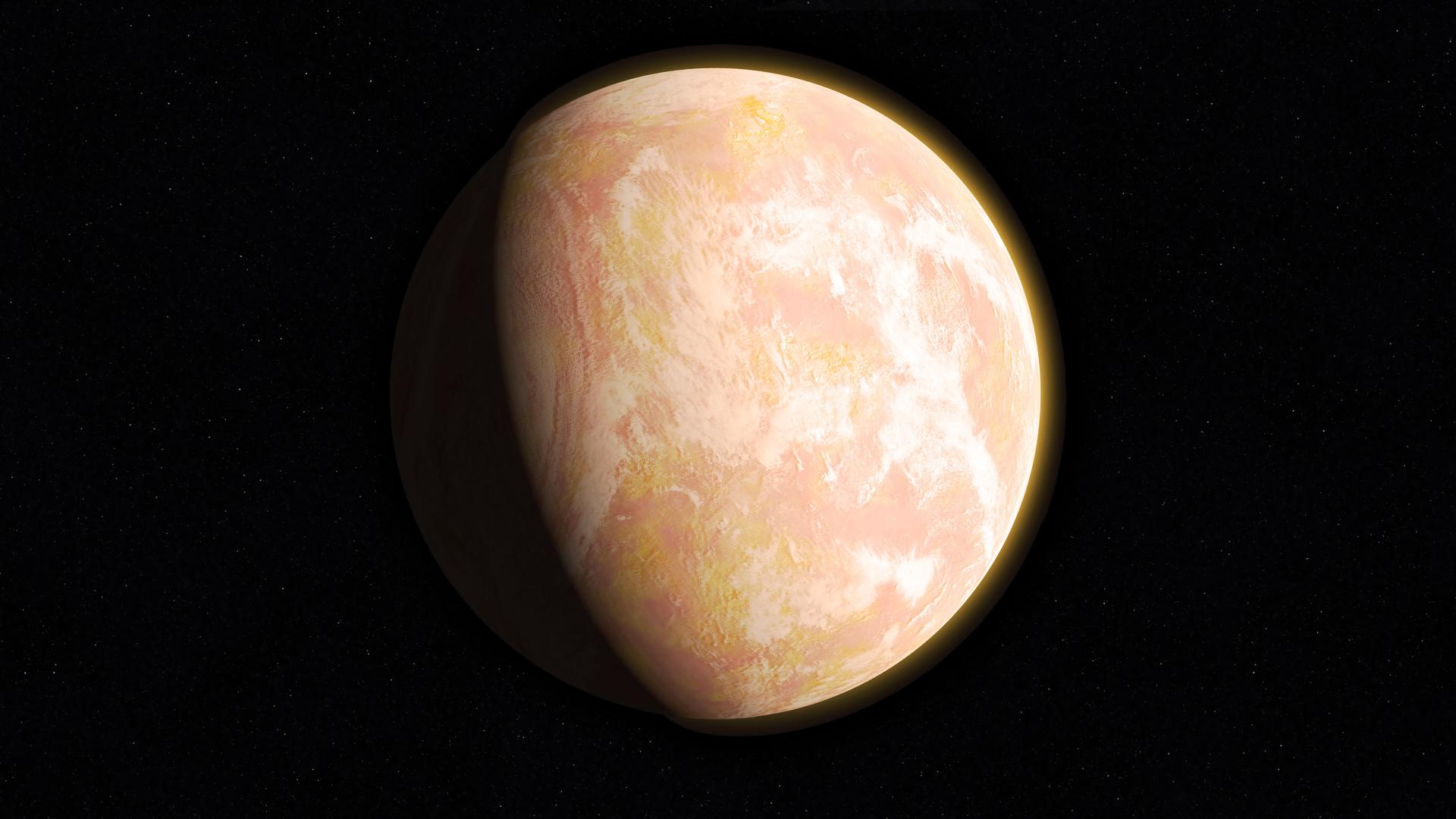
Exoplanet Travel Bureau
Journey beyond our solar system with guided tours, 360-degree surface visualizations, and our popular travel posters.
How Do We Find Exoplanets?
Exoplanets are far, but scientists have discovered some creative ways to spot these elusive objects.

Want to Help Us Look?
NASA welcomes the public to assist with projects and sift through data. Collaborating with NASA scientists, volunteers known as citizen scientists have contributed to thousands of important discoveries.
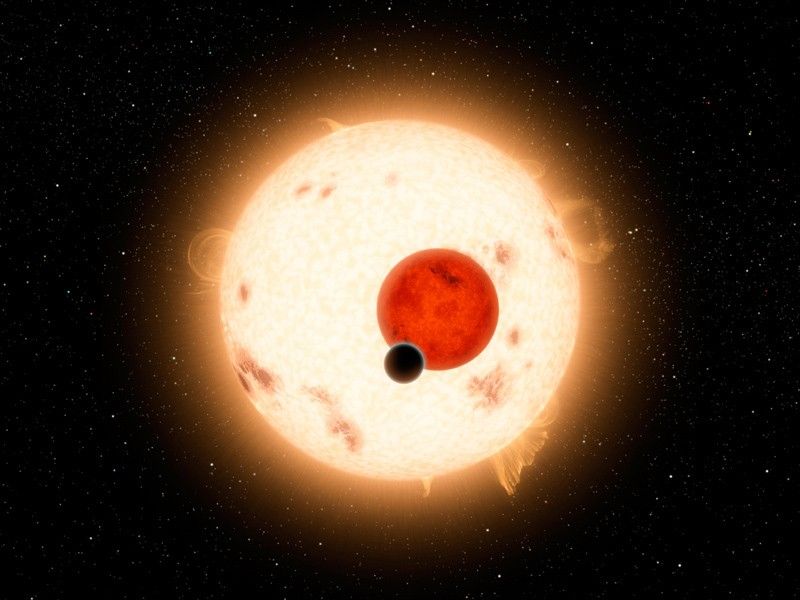
Strange New Worlds
Explore an interactive gallery of some of the most intriguing and exotic exoplanets discovered so far.
30 Years of Exoplanets
2025 marked 30 years of exoplanet discoveries. The first planet discovered orbiting a Sun-like star, 51 Pegasi b, was identified in October 1995; in the three decades since then, we’ve confirmed 6,000 more, out of billions that we believe exist. The search for and study of exoplanets (extra-solar planets, those found outside our solar system) has grown rapidly in a short time thanks to new detection methods and increased scrutiny from tools ranging from the most advanced spacecraft, such as the James Webb Space Telescope, to ground-based observatories worldwide, and even citizen scientists using backyard telescopes.
Learn more about that initial discovery 30 years ago, about the accelerating advances in exoplanet science since then, and about the bold plans for the future of the field, with instruments and observatories to expand and refine the search for other worlds – perhaps even habitable ones like our own.

The Hunt for Habitable Worlds
The Target Star Catalog is a guide to intriguing nearby stars that astronomers want to study with future missions, such as the Habitable Worlds Observatory, which will be built specifically to find and observe Earth-like exoplanets, to search for signs of life.
Browse the Target Star Catalog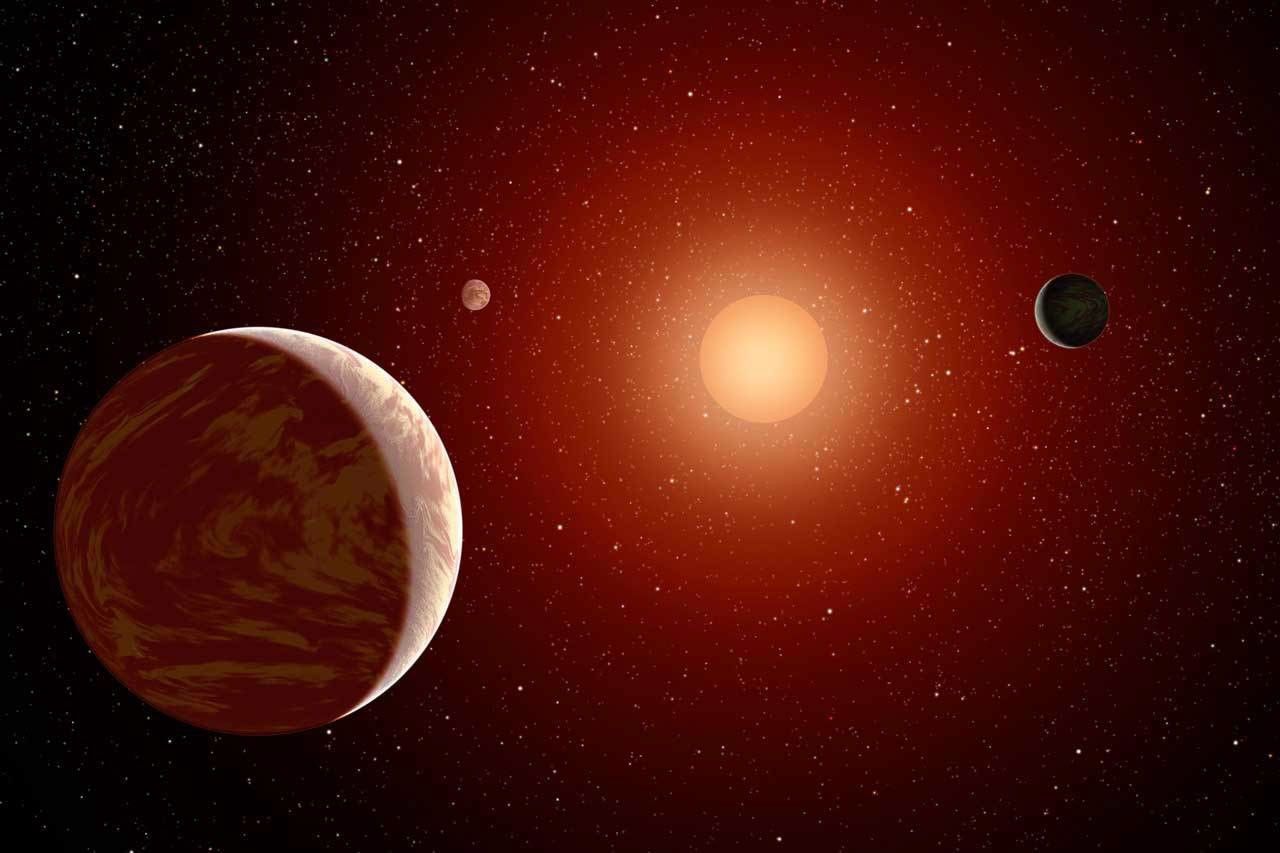
Tiny NASA Spacecraft Delivers Exoplanet Mission’s First Images
With the first images from the spacecraft now in hand, the team behind NASA’s Star-Planet Activity Research CubeSat, or SPARCS,…
Read the Story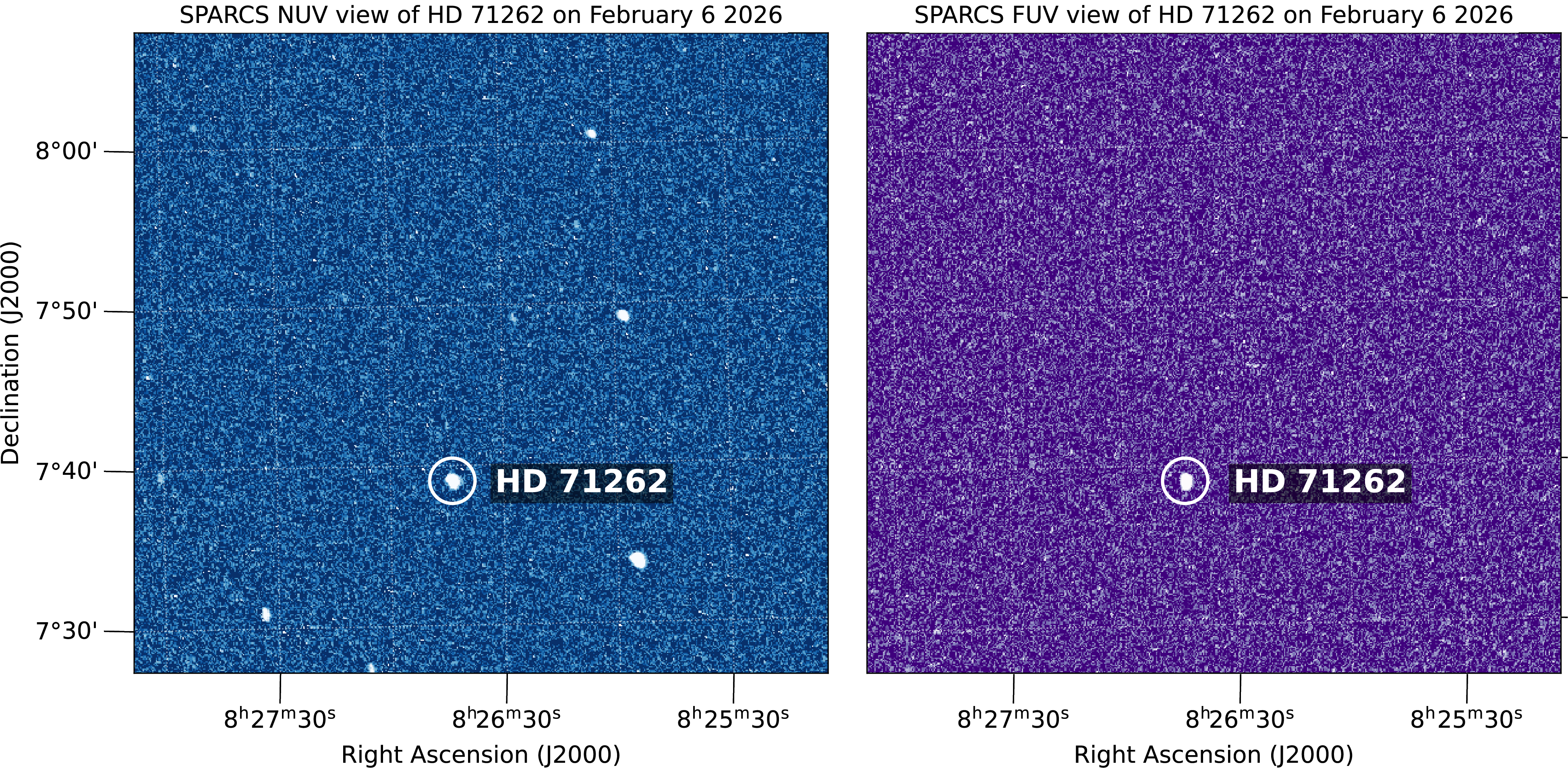
Exoplanet Catalog
Learn more about every confirmed exoplanet — more than 6,000 and counting — in this continuously updated resource. View interactive 3D models, read descriptions and vital statistics, and filter by exoplanet type, or by the method used to discover it, or by the spacecraft, observatory, or other facility that found it.
Browse the Exoplanet Catalog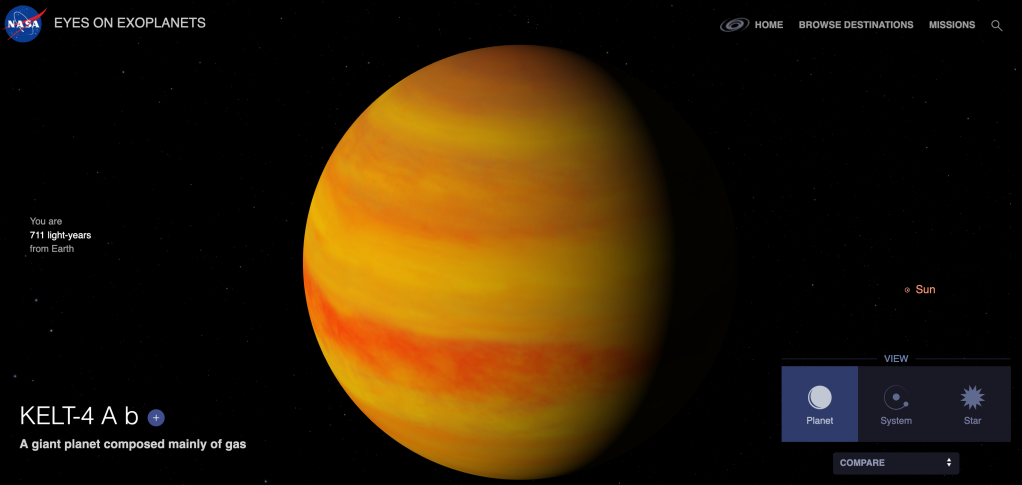
NASA’s Pandora Satellite, CubeSats to Explore Exoplanets, Beyond
A new NASA spacecraft called Pandora is launching to study the atmospheres of exoplanets and their stars.
Read the Story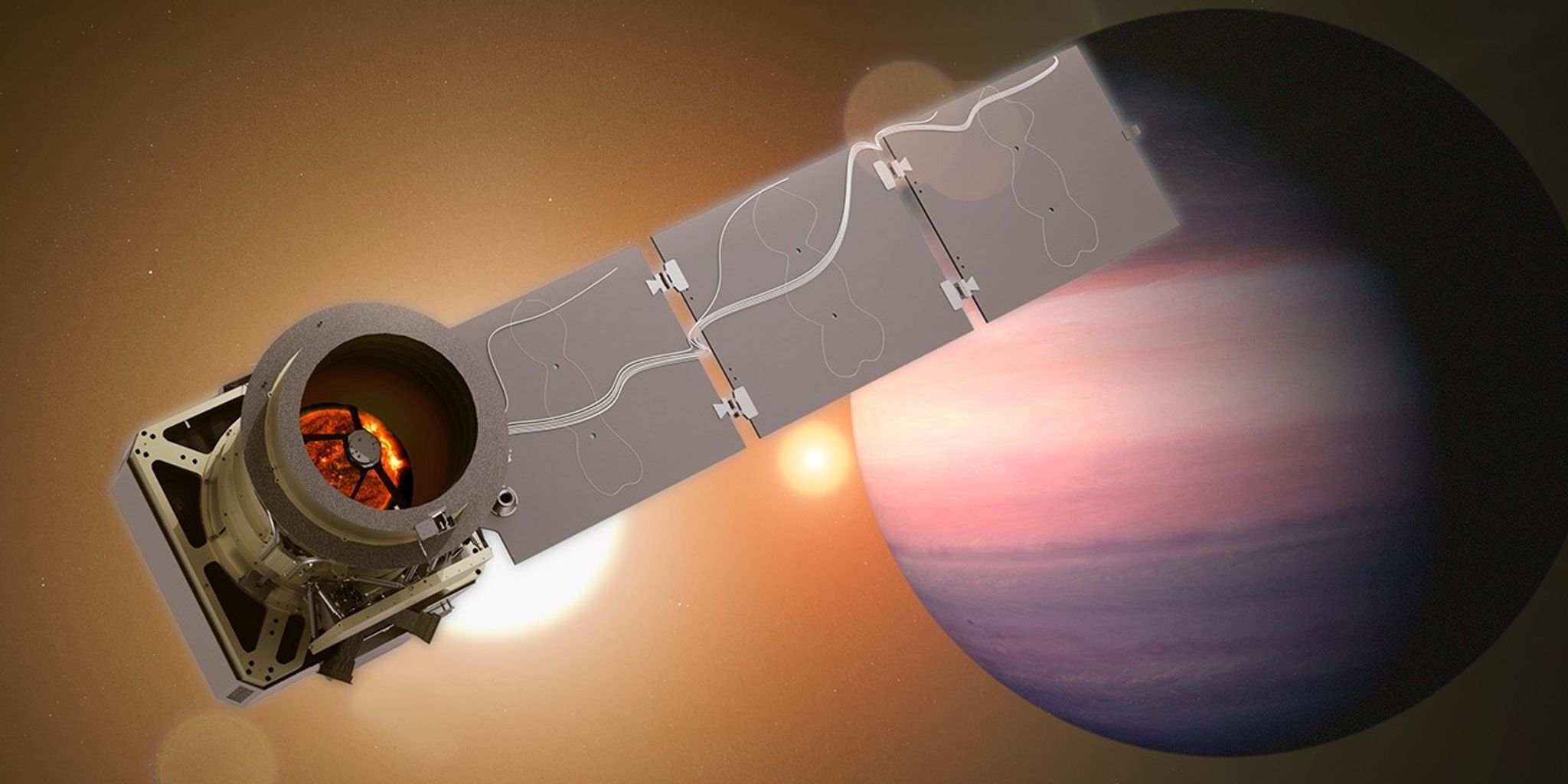
Exoplanets

Exoplanet Stories

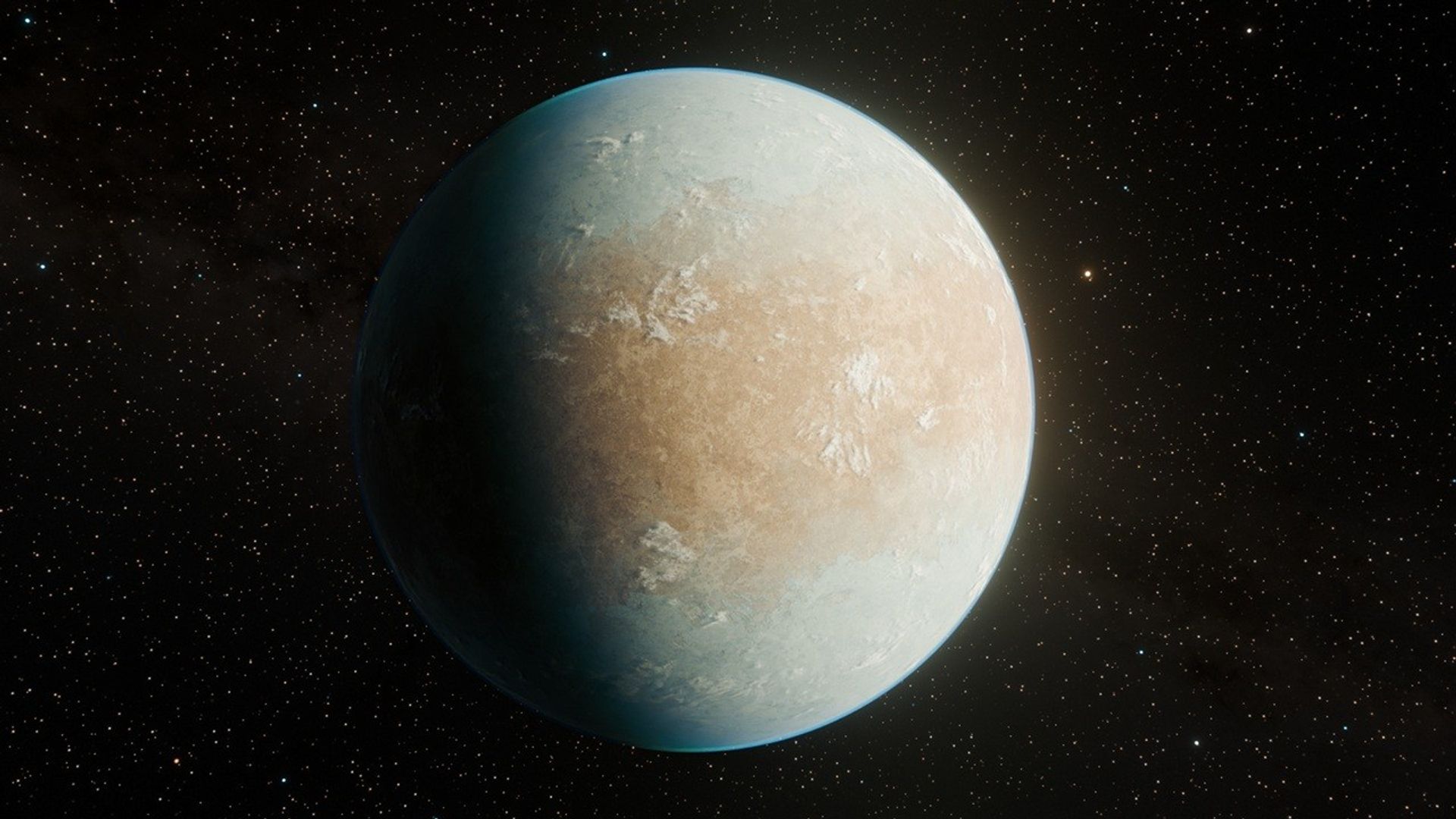

No Atmosphere Seen on TRAPPIST-1 d; Research Continues on Its Earth-Sized Siblings
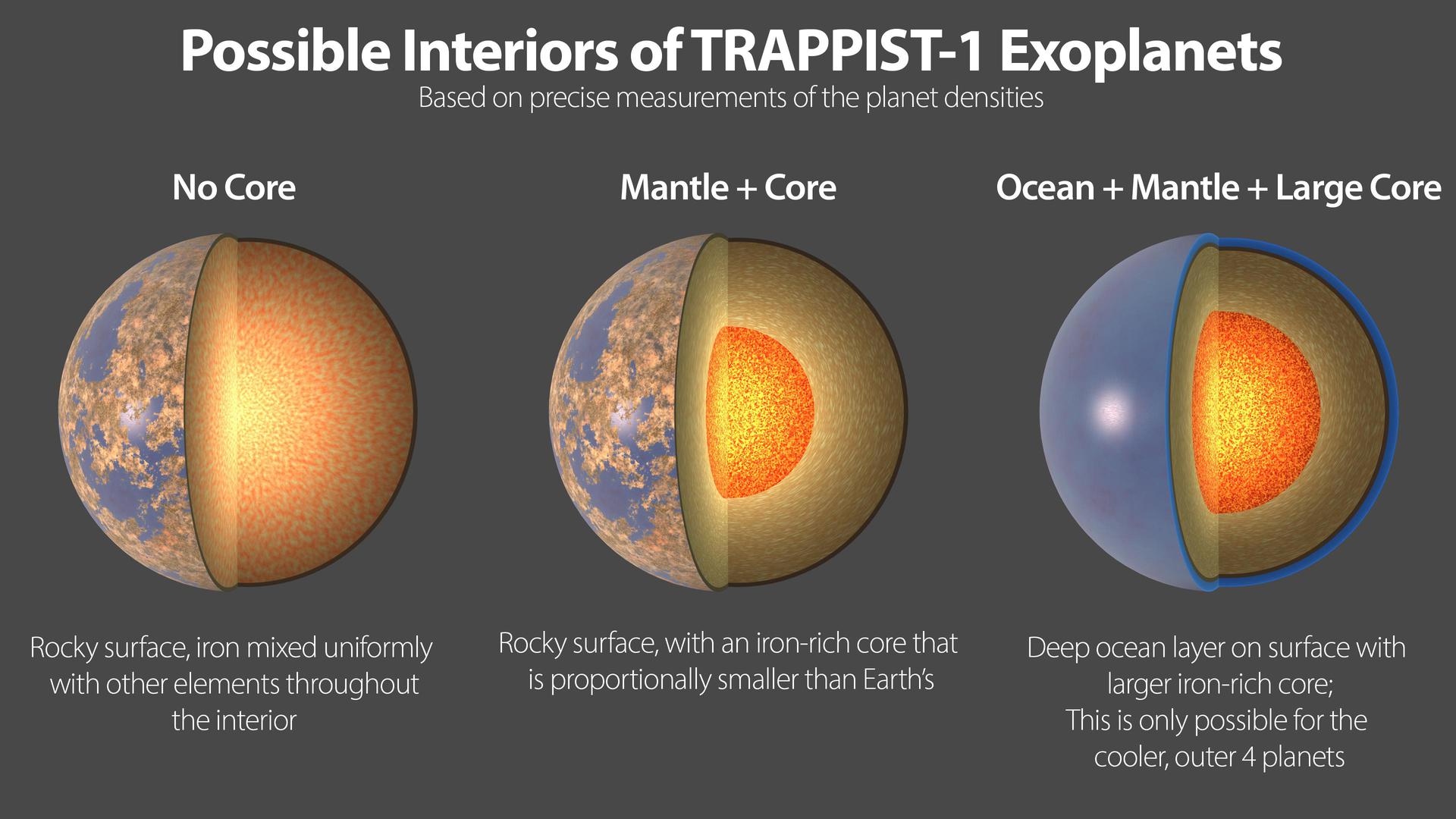
With seven-Earth sized worlds in the habitable zone, the TRAPPIST-1 exoplanet system has compelled attention since its 2017 discovery. Now, preliminary data from the James Webb Space Telescope shows the “third rock” in this distant solar system, TRAPPIST-1 d, apparently has no atmosphere, but scientists are continuing their studies, and the search for potential atmospheres and water on the system’s outer planets.
Read the article: ‘Webb Narrows Atmospheric Possibilities for Earth-sized Exoplanet TRAPPIST-1 d’Learn More about the TRAPPIST-1 system
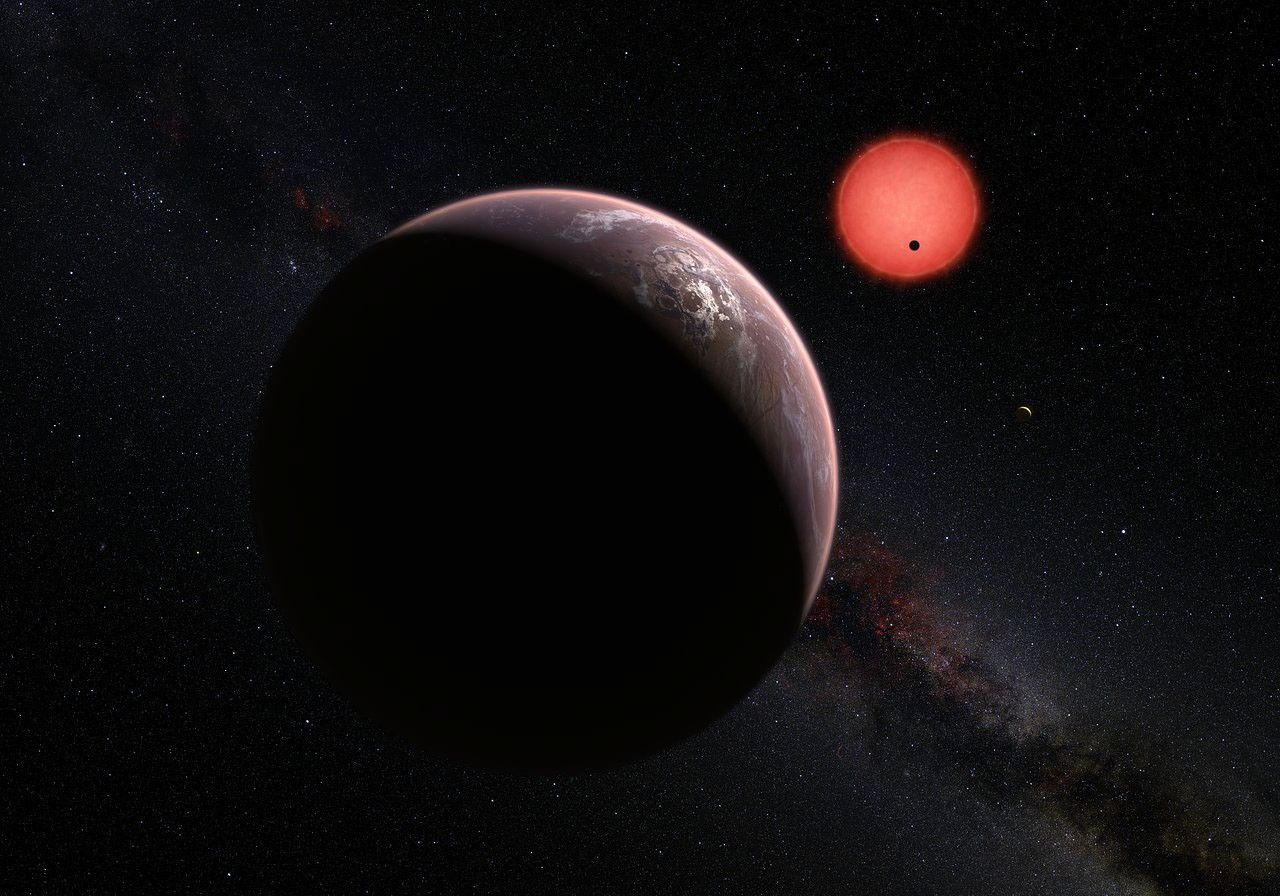
TRAPPIST-1 d Interactive
View a 3-D interactive representation of this planet, from NASA's Eyes on Exoplanets.
TRAPPIST-1 Archive
Read more about this exoplanet system.
NASA’s Webb Finds New Evidence for Planet Around Closest Solar Twin
Astronomers using NASA’s James Webb Space Telescope have found strong evidence of a giant planet orbiting a star in the…
Read the StoryDo NASA Science and Explore Key Questions about the Universe
-
Exoplanet Watch
NASA invites people of all ages and backgrounds to participate in authentic NASA research via "citizen science" or "participatory science" projects, where volunteers and amateurs have helped make thousands of important scientific discoveries. As a part of the Exoplanet Watch project, you'll help scientists track and study exoplanets as they transit in front of stars.
-
UNITE
Do you have your own telescope? You can help observe newly discovered exoplanets and collect information about their transits to help characterize their orbits. UNITE participants coordinate with other citizen scientists and researchers around the globe to track and learn about these new worlds.