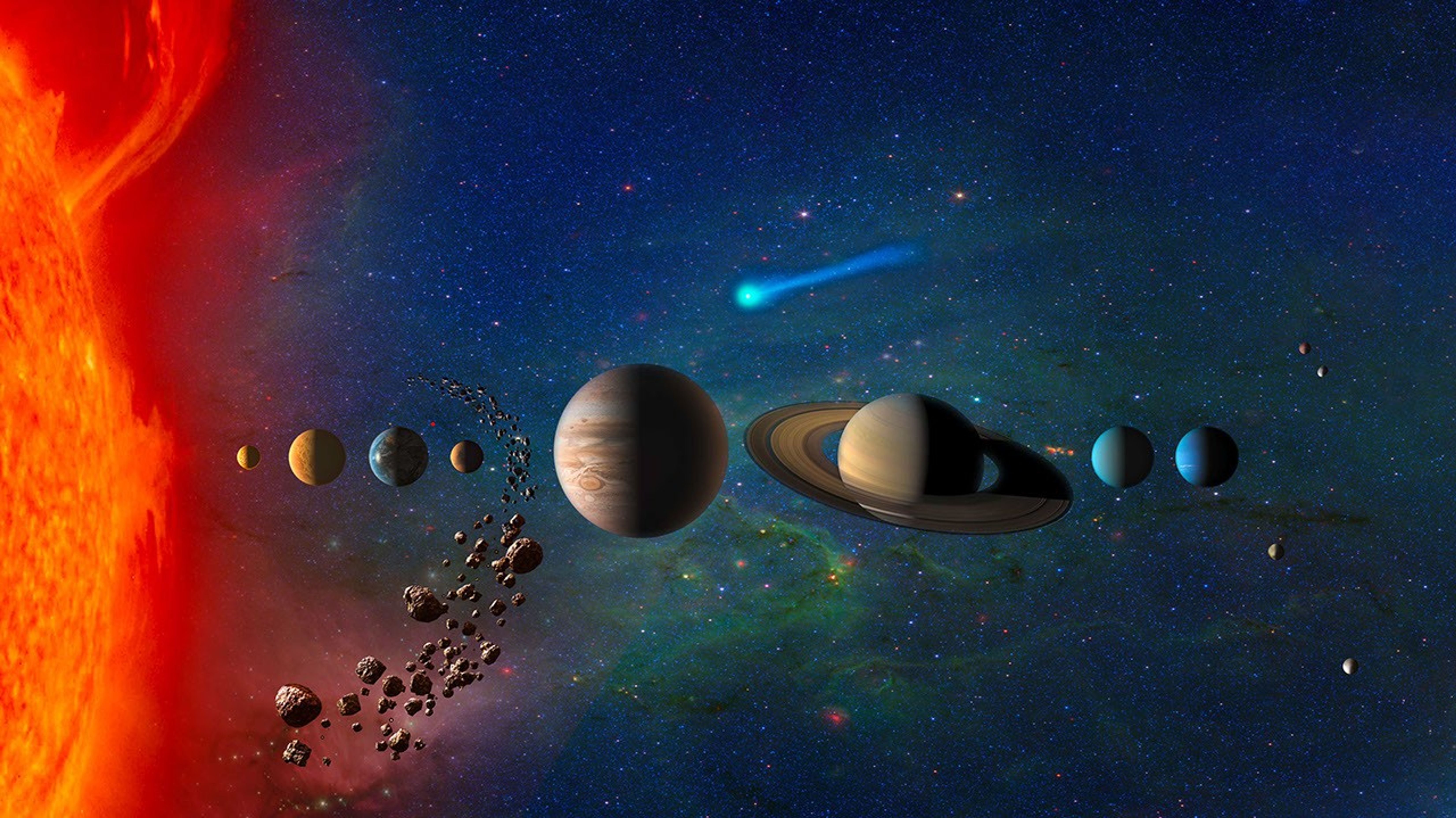
Science for Everyone
With so many ways to connect with and experience NASA's mission of scientific exploration and discovery, there's something here to awaken the curiosity in everyone.
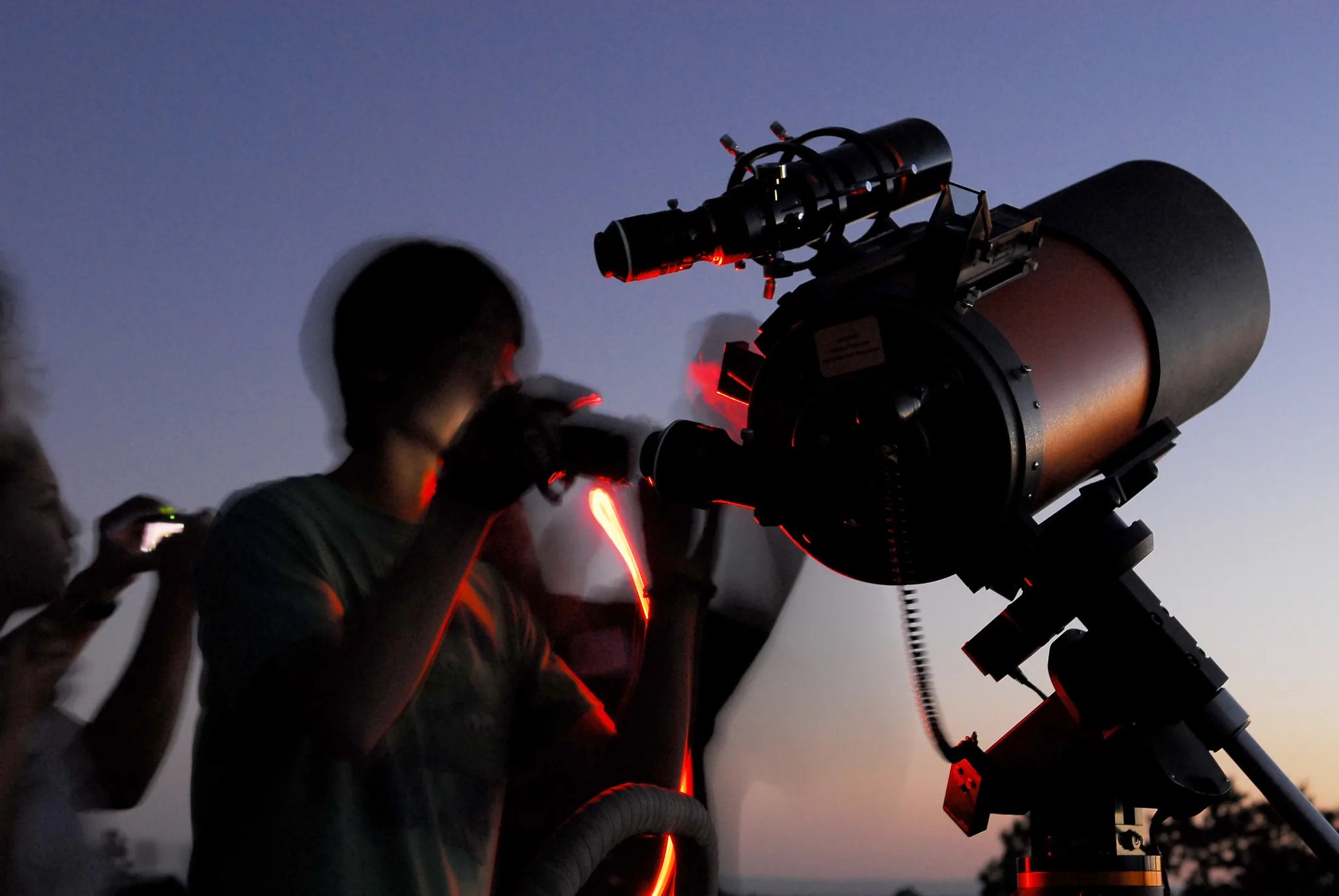
Meet the citizen scientists

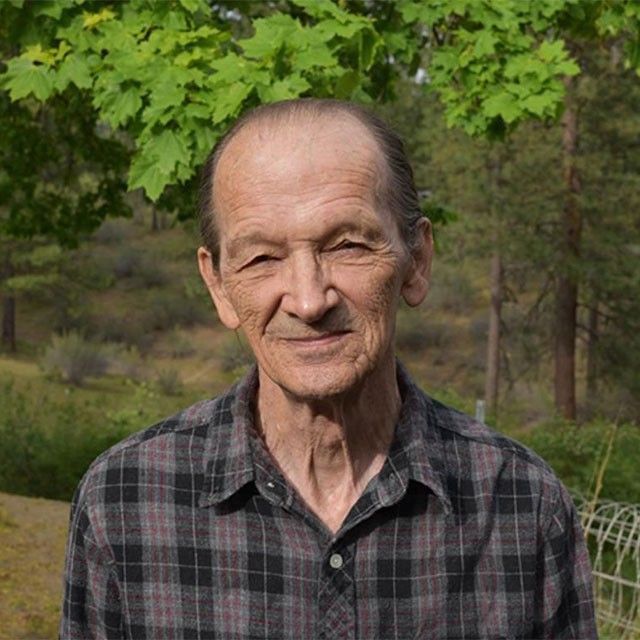
Bob Fletcher
Citizen Scientist | Science and Math Teacher

Rosa Castro
Citizen Scientist / Retired Mental Health Therapist
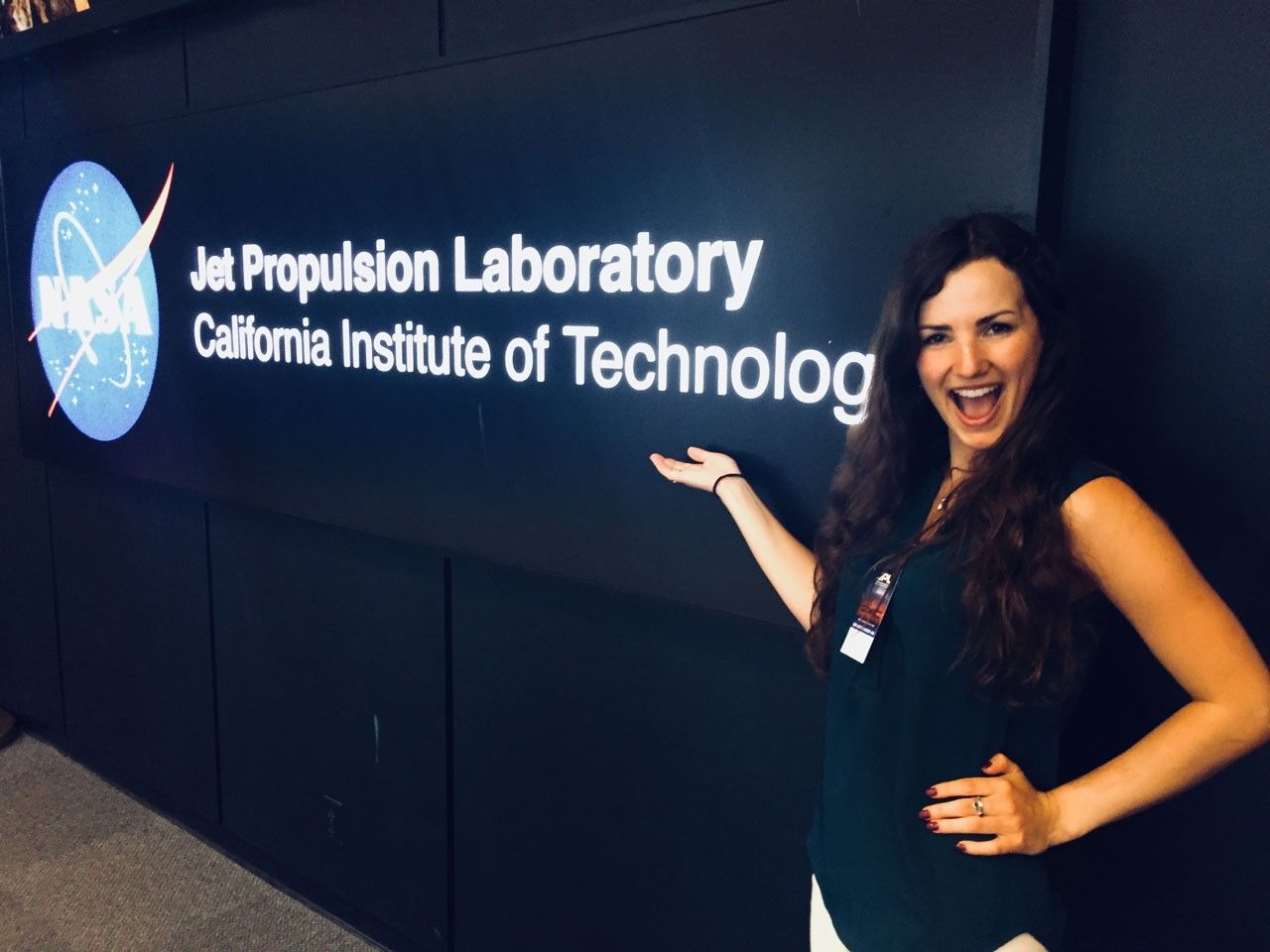
Nora Eisner
Citizen Scientist / Project Leader of Planet Hunters TESS
2026 NASA Science Calendar
Welcome to the 2026 NASA Science Calendar! Download our latest calendar and wallpaper backgrounds for your desktop or mobile device, and discover the fascinating science behind the images featured each month
Start Exploring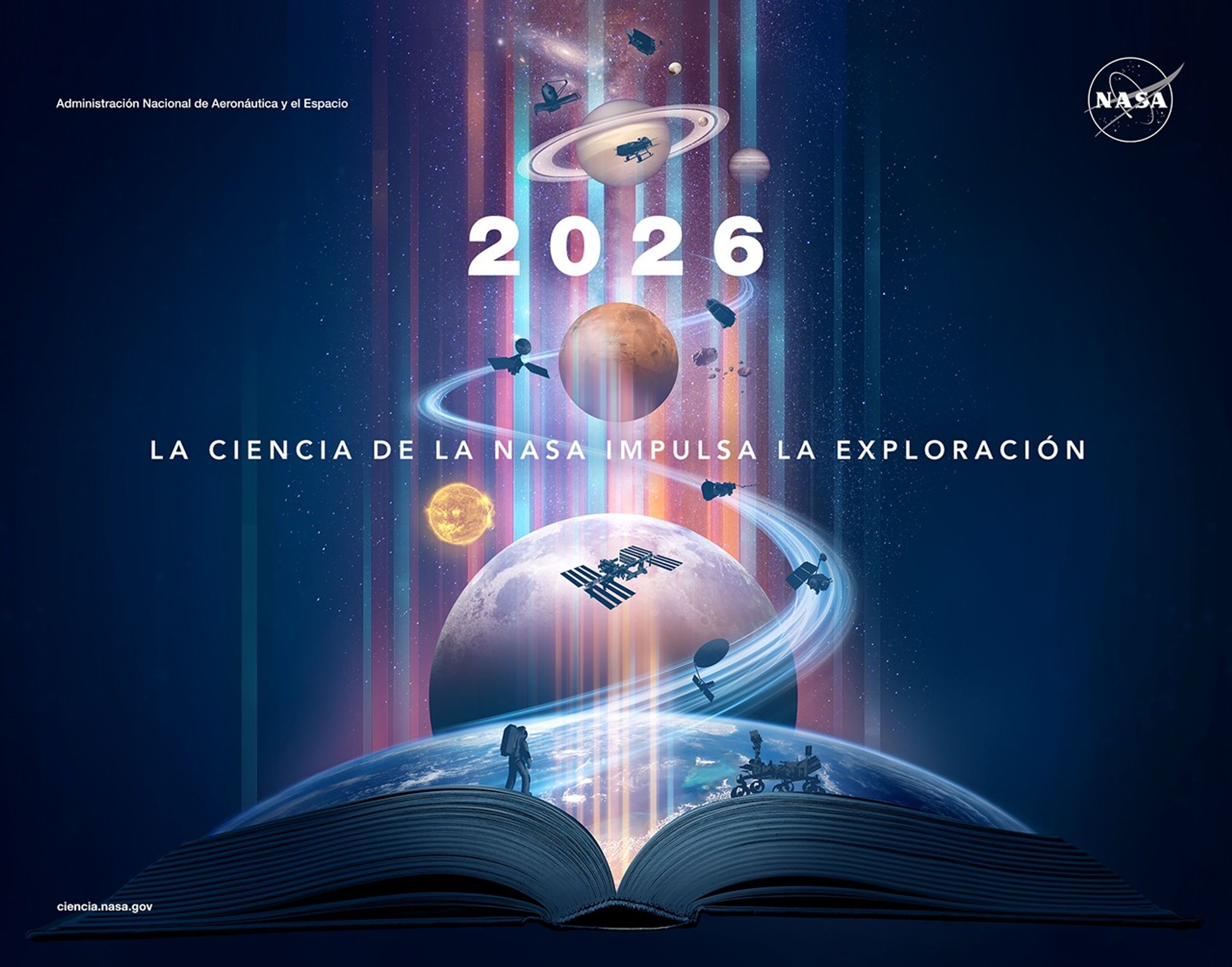
Hubble's Night Sky Challenge
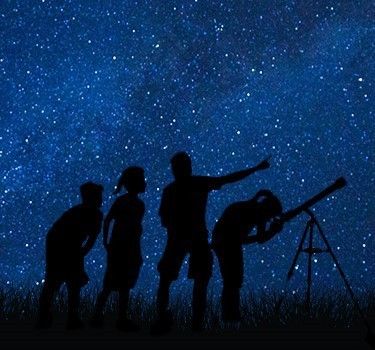
Do you have a telescope? Would you like to see some of the same night sky objects from the ground that Hubble has from space? We invite you to commemorate Hubble’s 35th anniversary by accepting our year-long stargazing challenge.
Learn how you can participate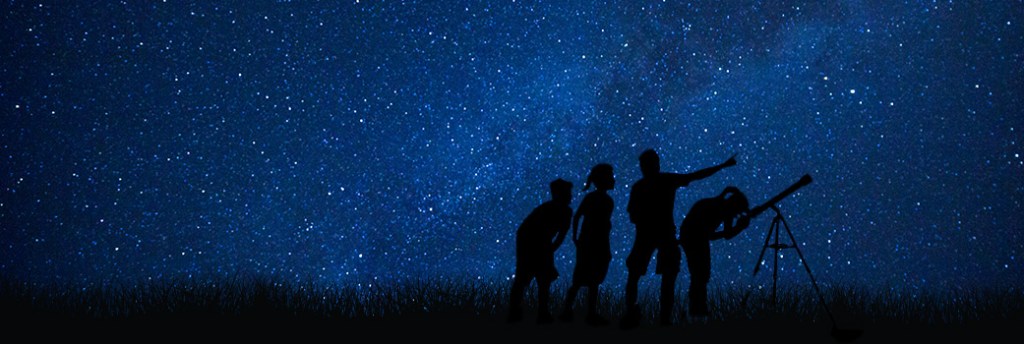
How Can I Get Involved with NASA Science? We Asked a NASA Expert
Want to do real NASA science? You can. Right now, dozens of NASA projects need your help. From spotting asteroids to searching for planets beyond our solar system, and so much more, there are projects for everyone. And you don’t need a PhD to get involved, just your curiosity!
Check out our Citizen Science Projects
Explore NASA Science 24 by 7
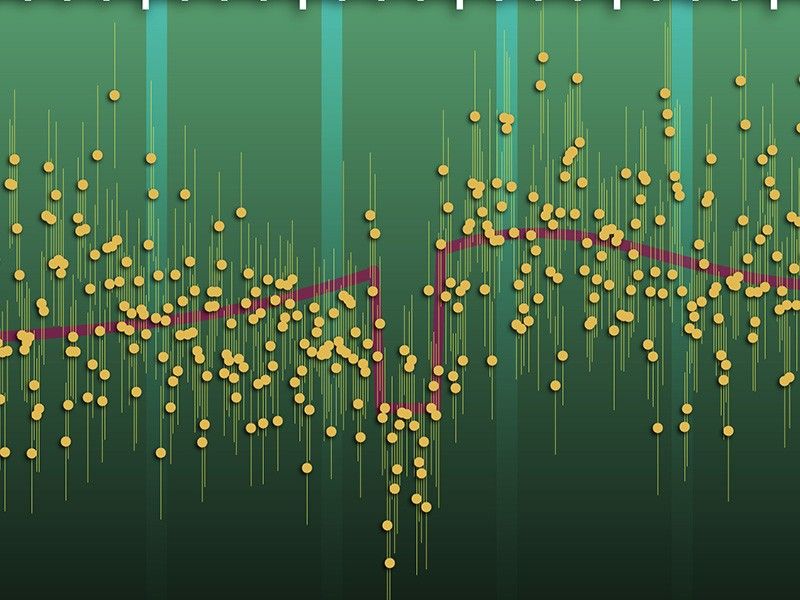
Explore NASA Data
Browse through a list of NASA data sites to find something that interests you.
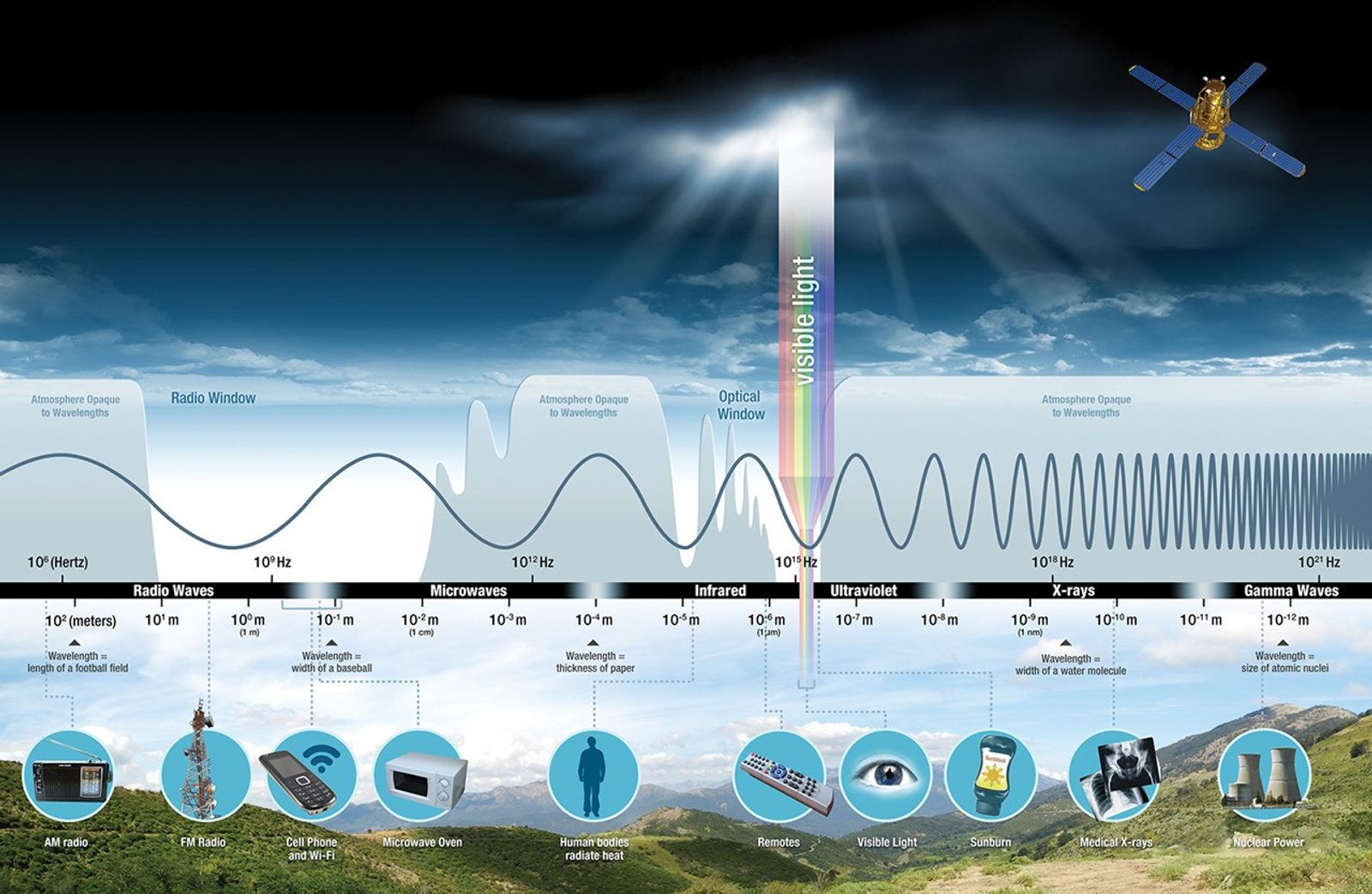
The Electromagnetic Spectrum
This video series and companion book introduces electromagnetic waves, their behaviors, and how scientists visualize these data.
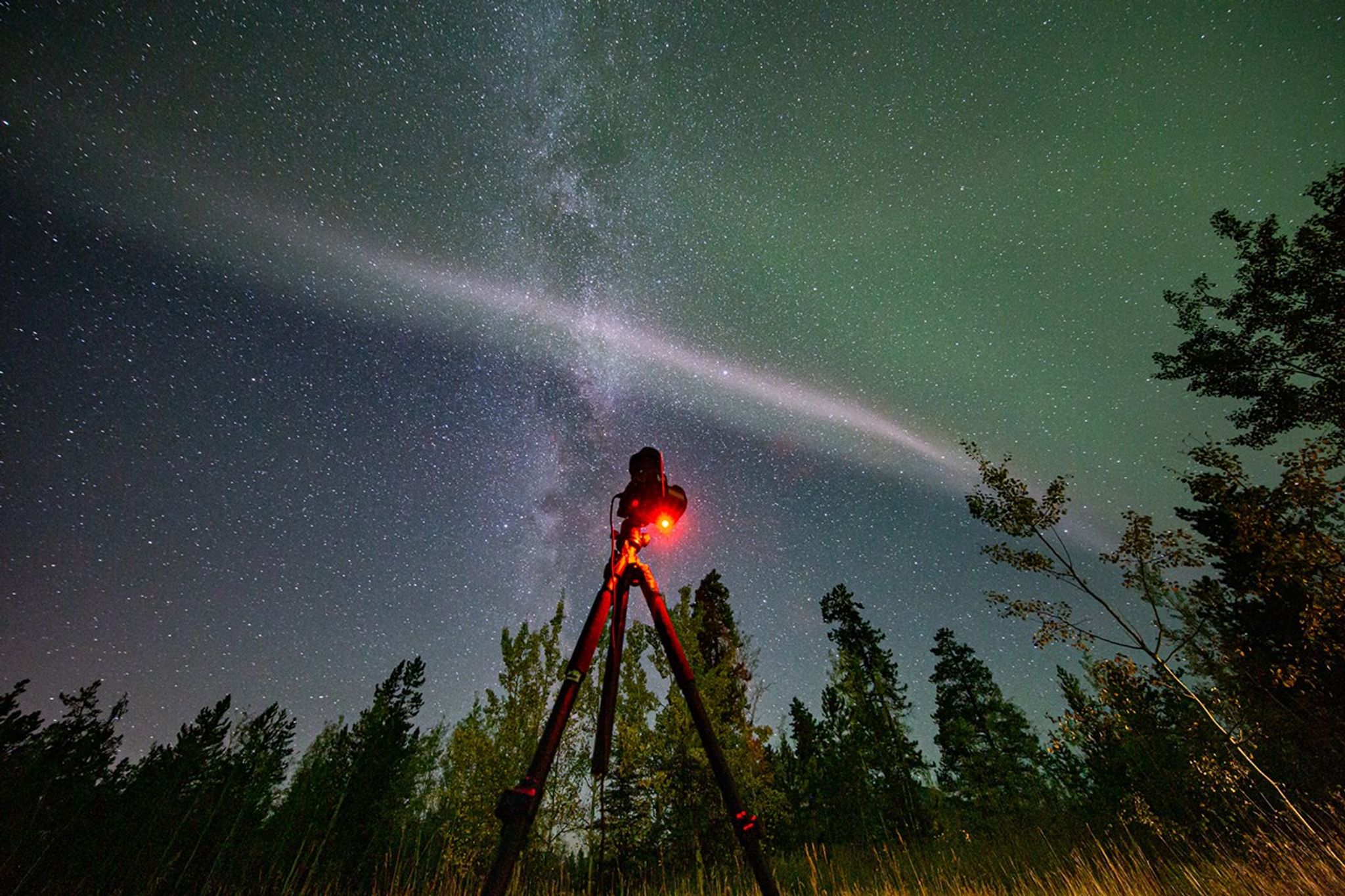
The Art of the Night Sky: Tips for Photographing Stars and Auroras
-
NASA’s Guide to Finding and Photographing Auroras
Auroras are one of our night sky’s most dramatic spectacles. With modern cameras and smartphones, photographing these beautiful displays is easier than ever. Digital camera sensors are incredibly sensitive and can even allow you to record auroras you can’t see with the naked eye.
-
Astrophotography With Your Smartphone
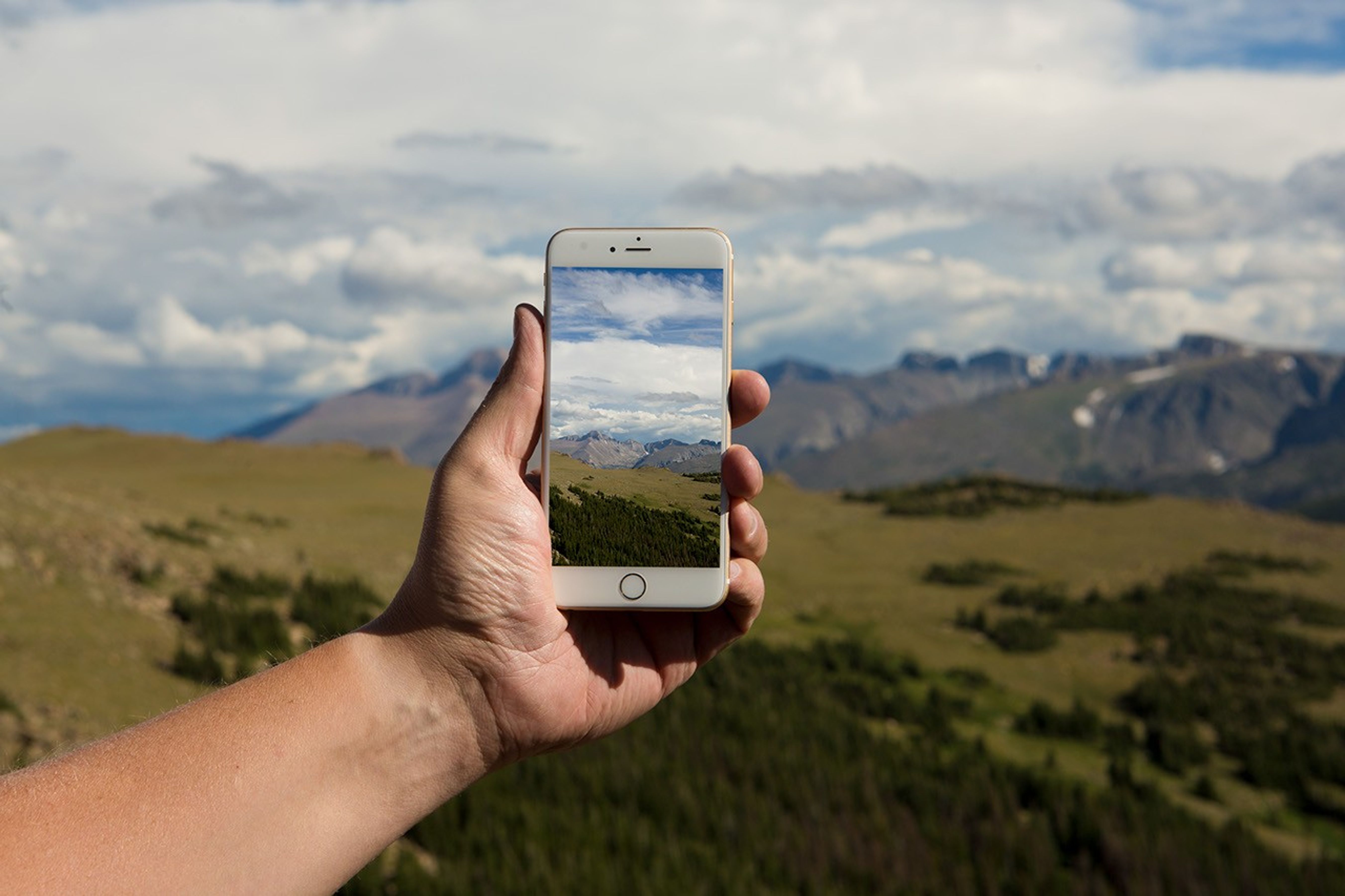
Ever dreamed of capturing the Milky Way, a blood-red eclipse, or a colorful nebula? While many astrophotos require time, pricey gear, and travel, anyone can do astrophotography—even with a smartphone. Yes, really!
Open Science at NASA
NASA is making a long-term commitment to building an open science community over the next decade. Open-source science is a commitment to the open sharing of software, data, and knowledge (algorithms, papers, documents, ancillary information) as early as possible in the scientific process.
More about Open Science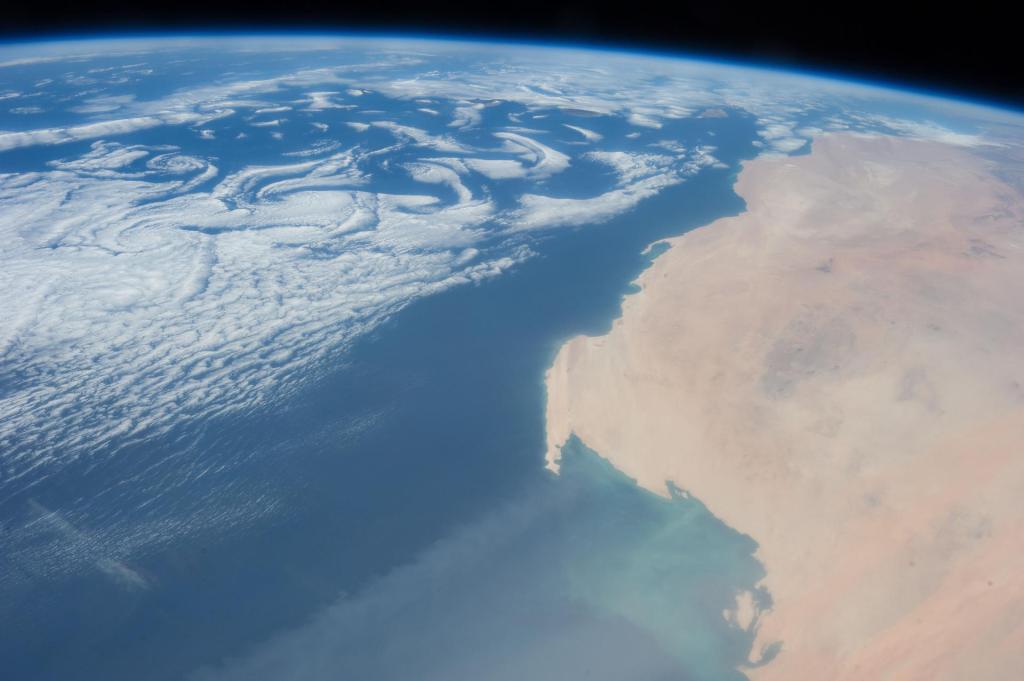
NASA Science Live
From remote locations on Earth to the depths of outer space join the conversation live each month to interact with NASA experts and watch as they reveal the mysteries of our solar system and beyond
Watch episodes about NASA Science Live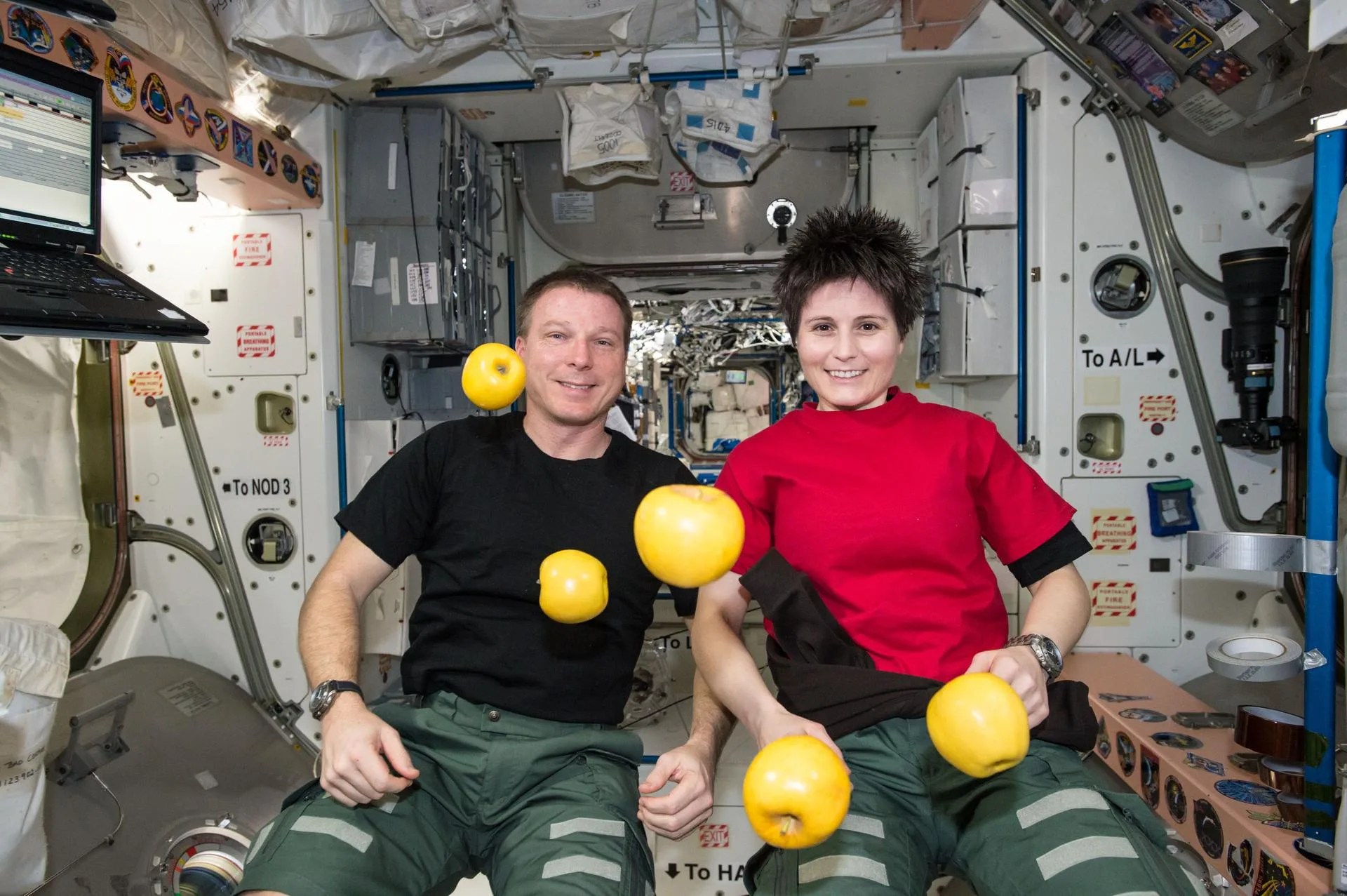
Explore Inspiring Imagery
Astronomy Picture of the Day
See an image or photograph of our fascinating universe, along with a brief explanation written by a professional astronomer.
Earth Observatory Image of the Day
Explore a fascinating collection of Earth images, updated daily
Scientific Visualization Studio
Find visualizations, animations, and images created in partnership between scientists and visualizers that explain aspects of Earth and space science.
Science Stories
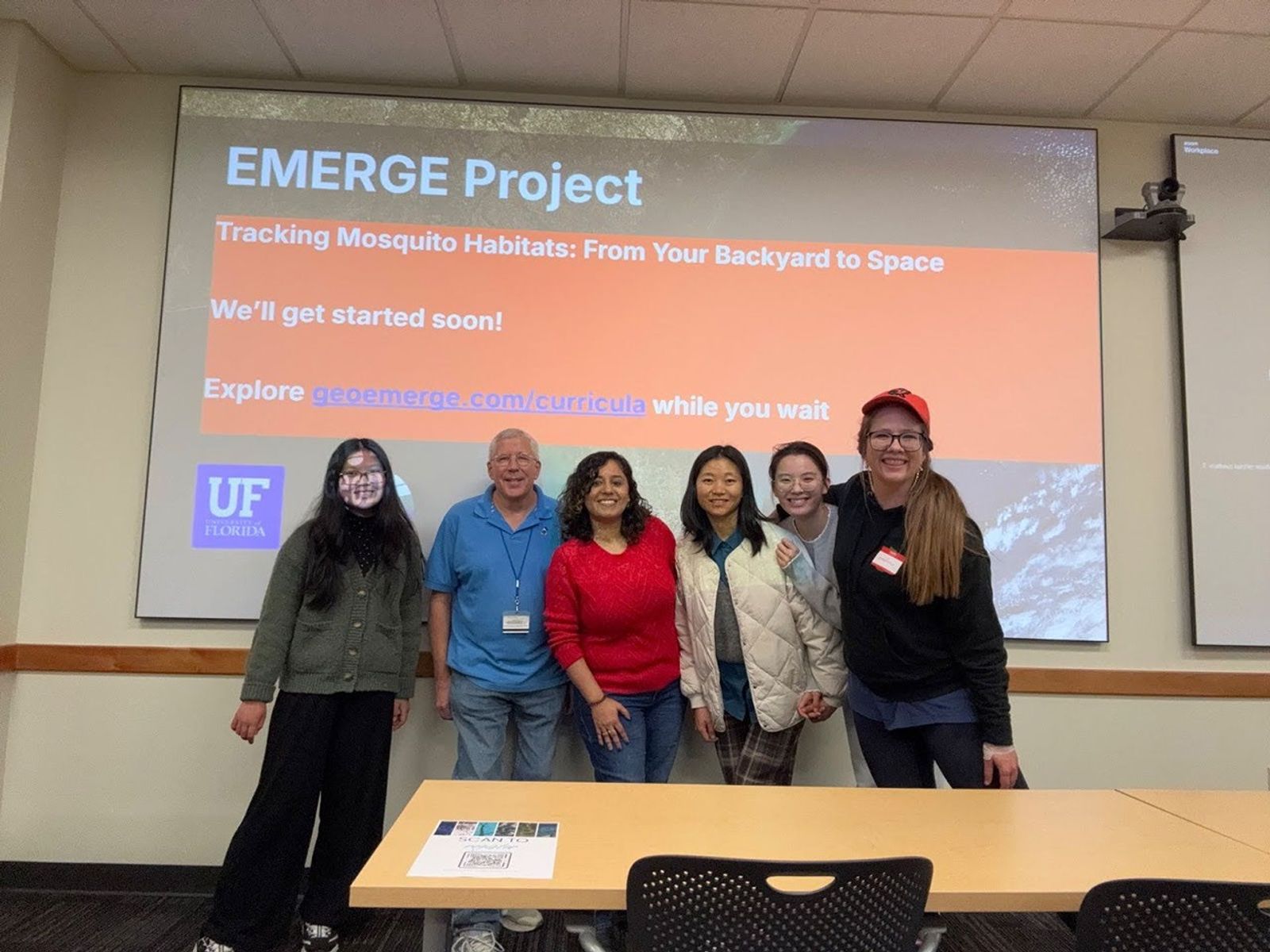


Ask NASA
There are several options to find answers and ask questions of NASA scientists
Ask a Scientist