












Jupiter
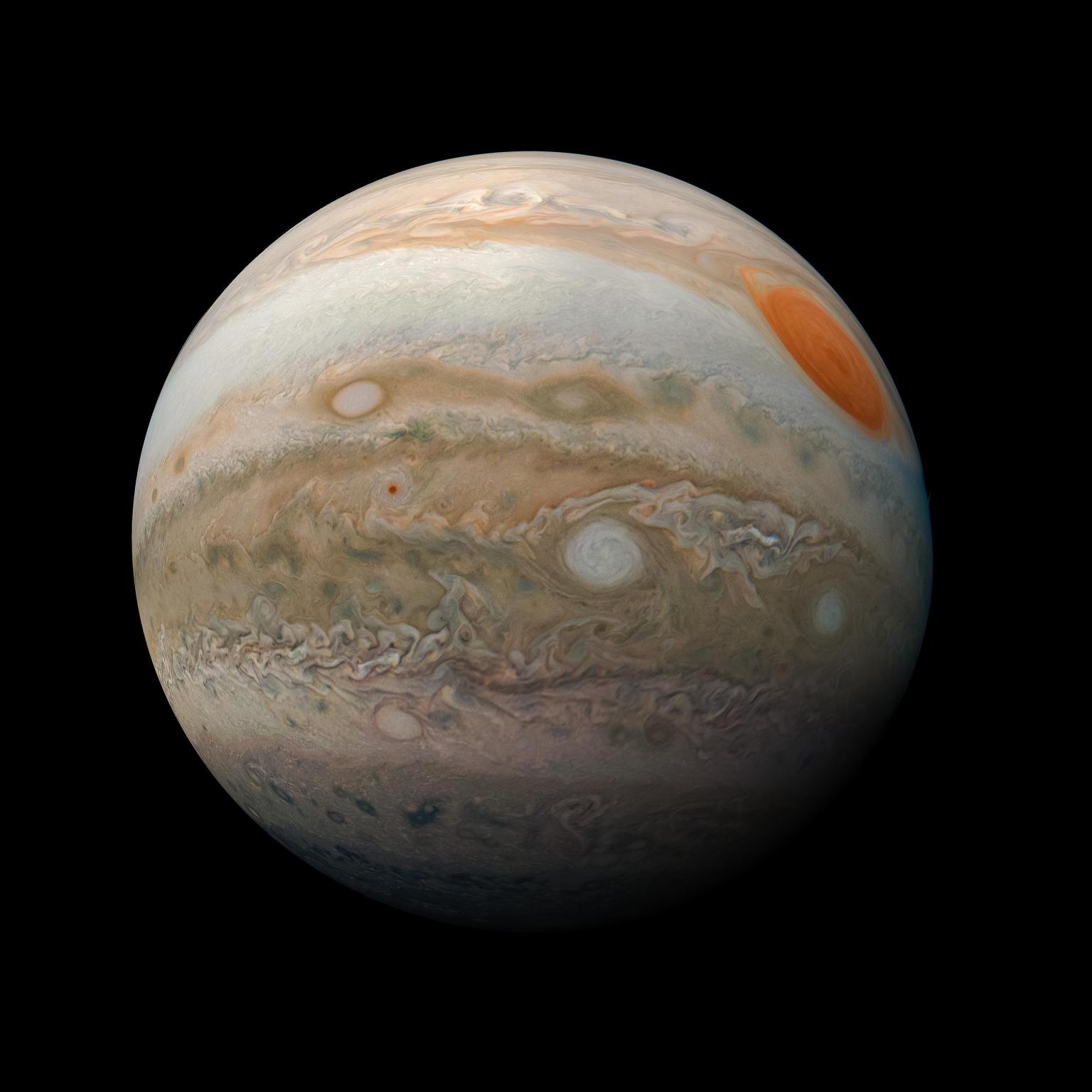
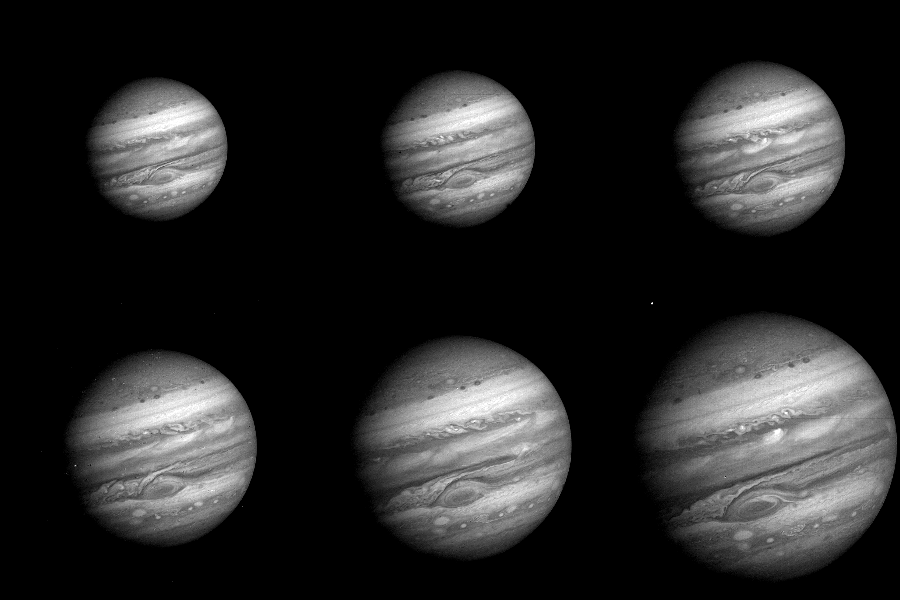
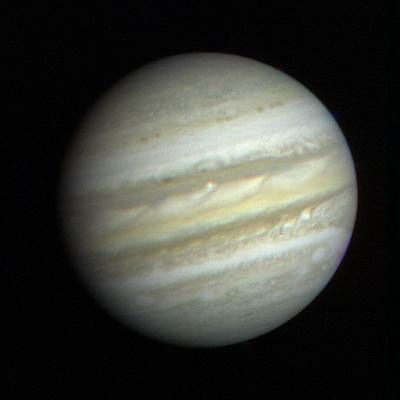
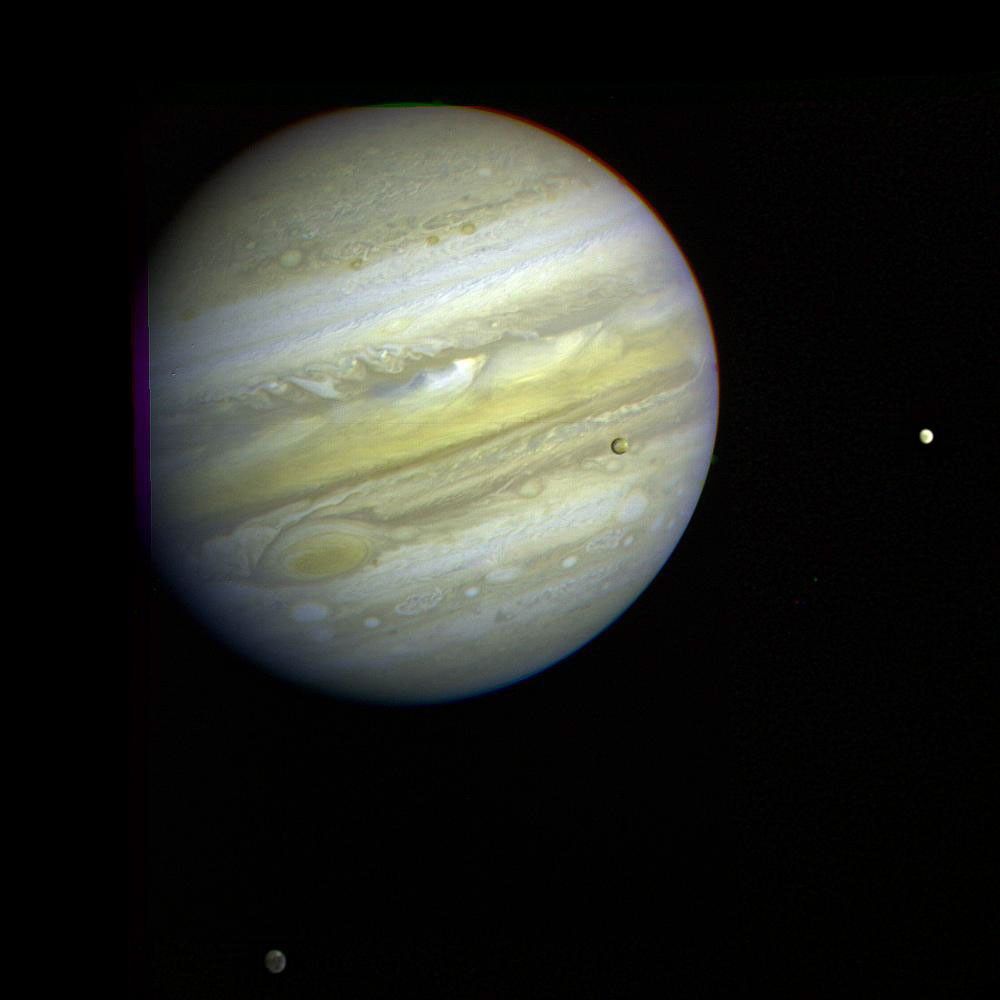
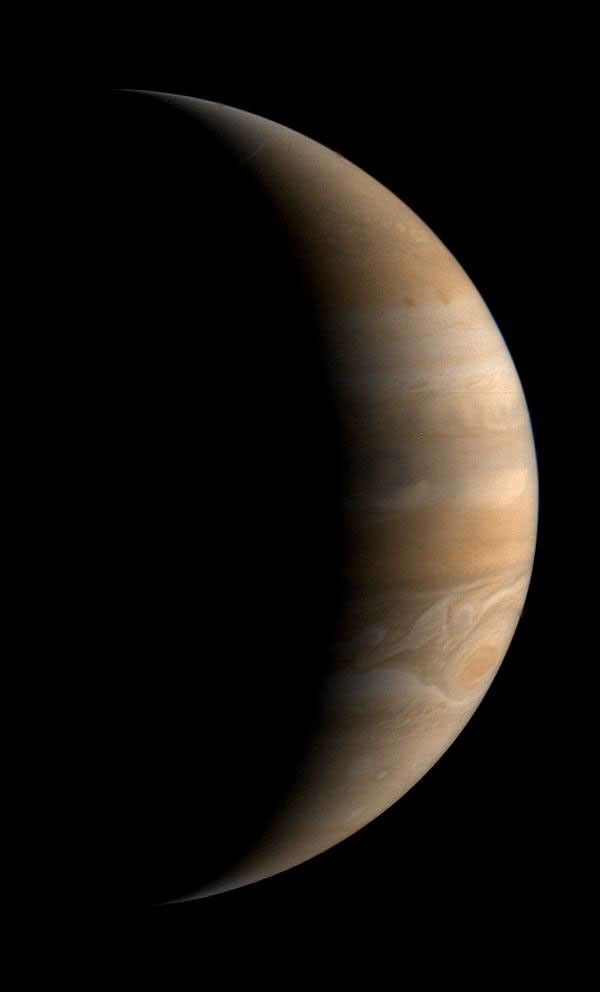
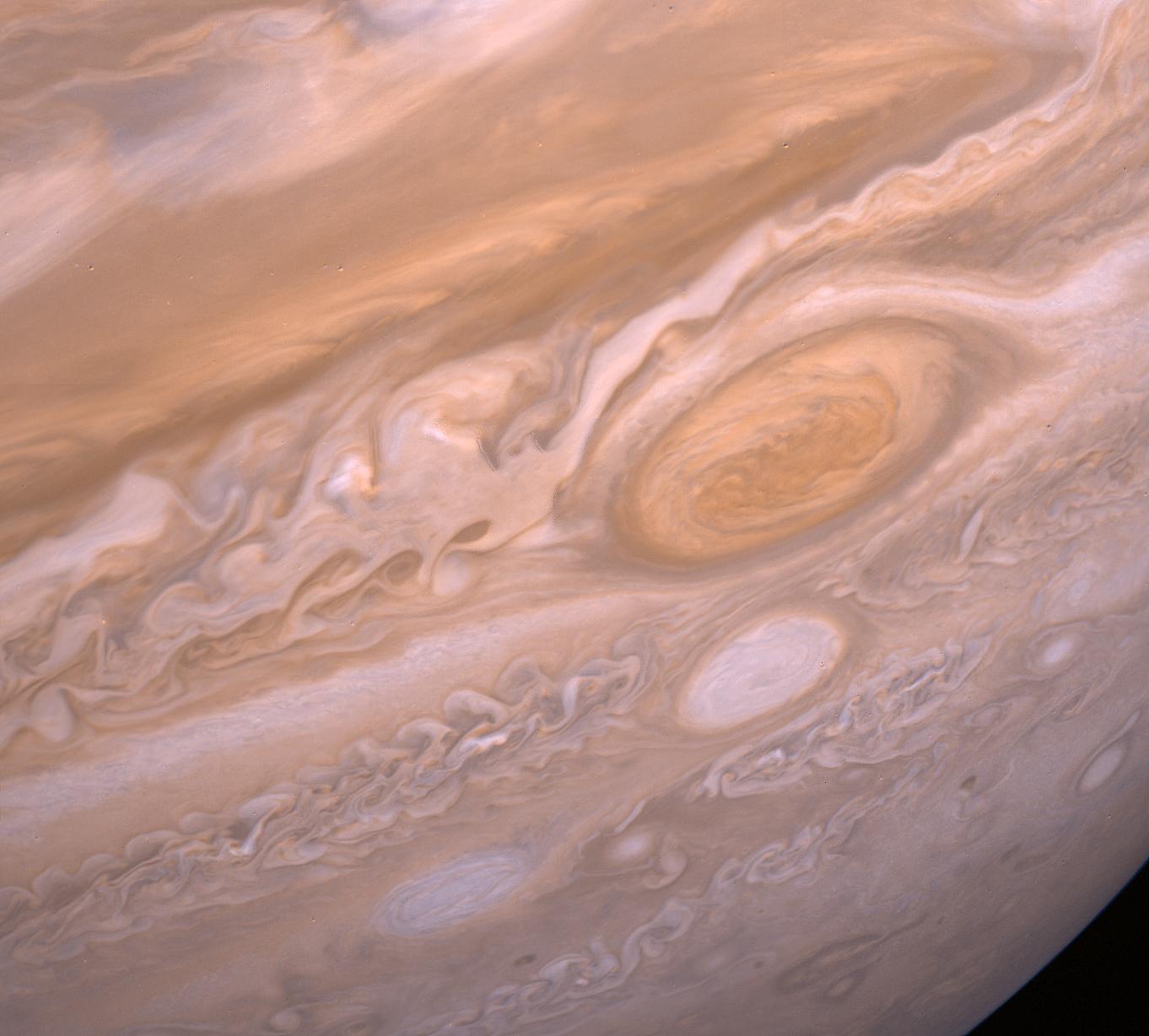
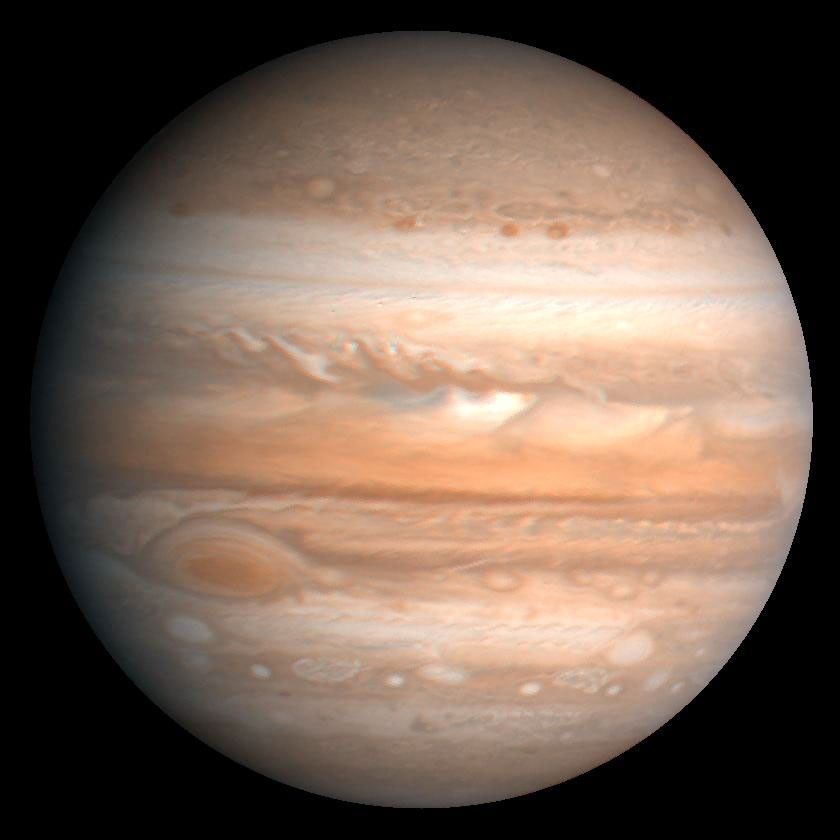
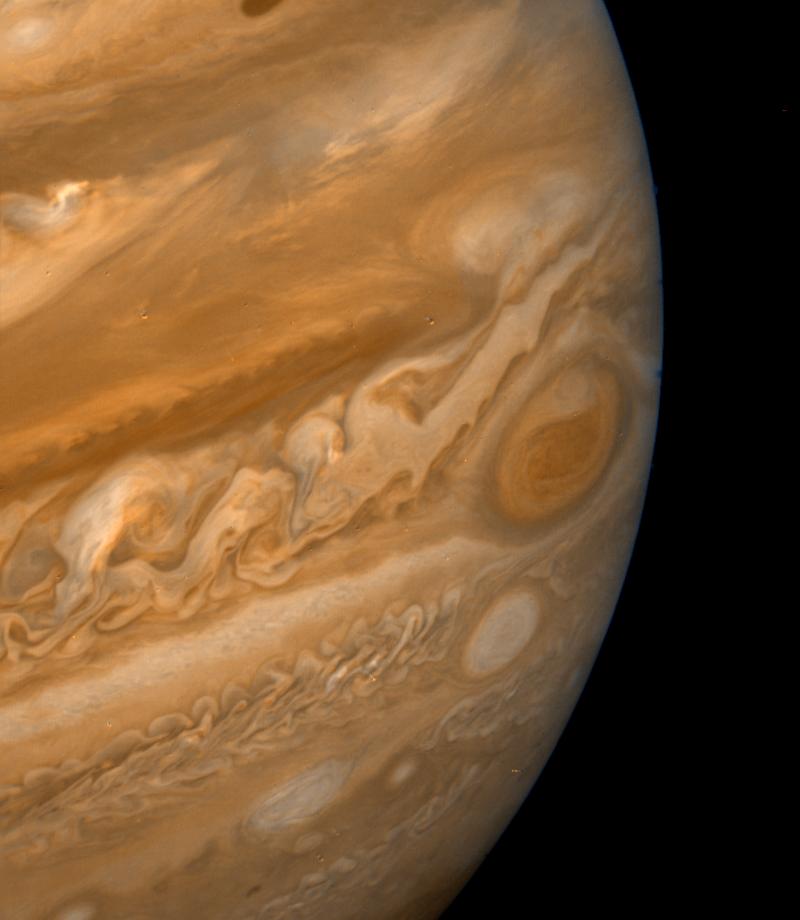
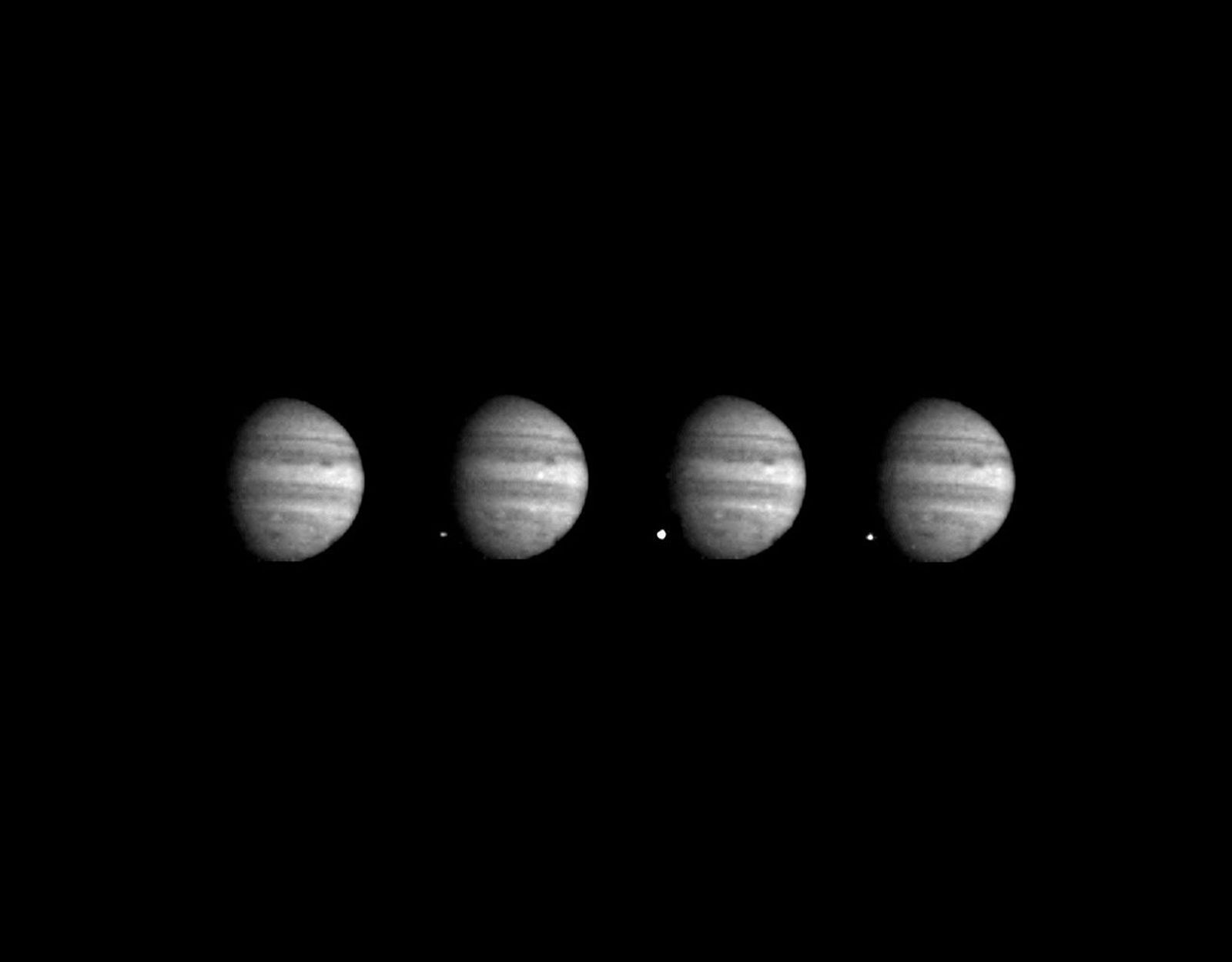
Jupiter is the fifth planet from the Sun, and the largest in the solar system, by far — more than twice as massive as the other planets combined.
Facts About Jupiter
Jupiter is the largest and oldest planet in our solar system.
If Jupiter was a hollow shell, 1,000 Earths could fit inside. But the "King of Planets" is no lumbering giant — Jupiter has the shortest day in the solar system, taking about 9.9 hours to spin around once on its axis.
Exploring Jupiter
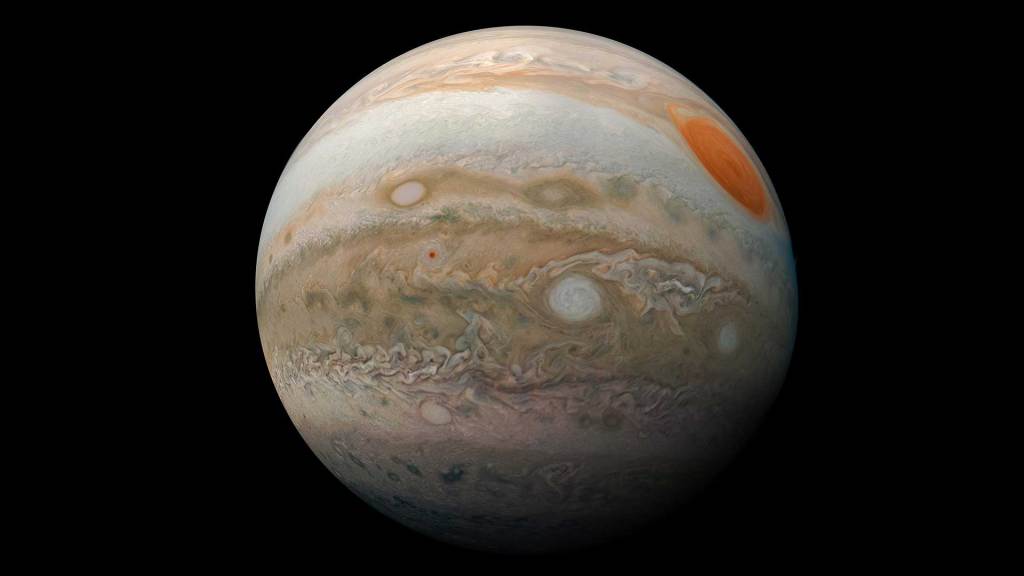
The first detailed observations of Jupiter were made by Galileo Galilei in 1610 with a small, homemade telescope.
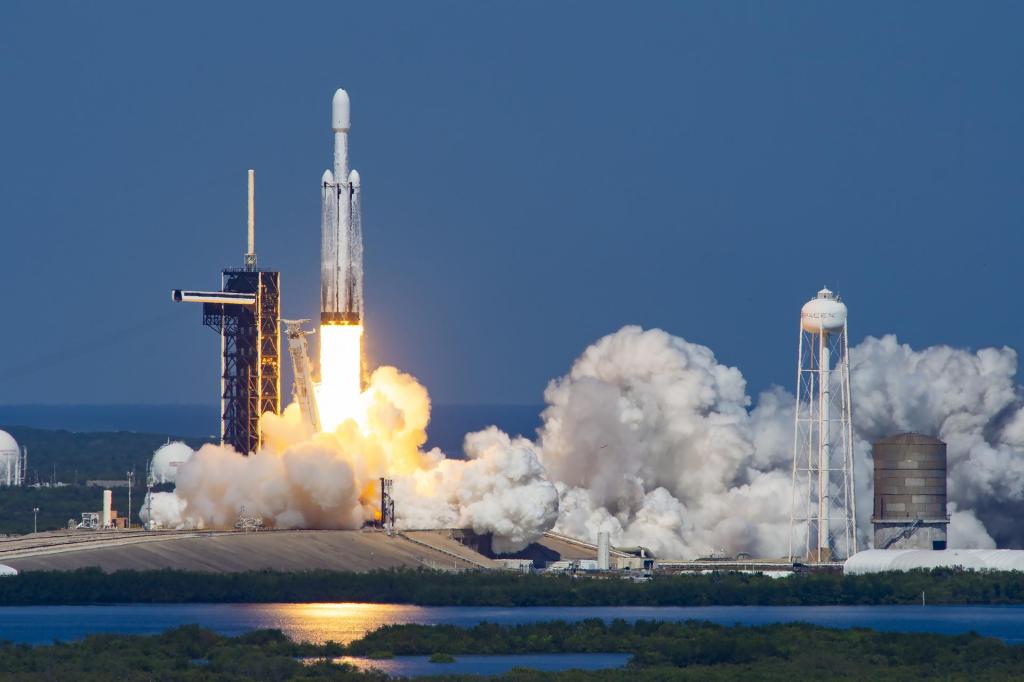
More recently, this planet has been studied by orbiters, probes, and spacecraft passing by on their way to other worlds. NASA’s Juno spacecraft currently is studying the giant planet from orbit. Europa Clipper launched on Oct. 14, 2024, to study Jupiter's icy moon, Europa.
Moons of Jupiter
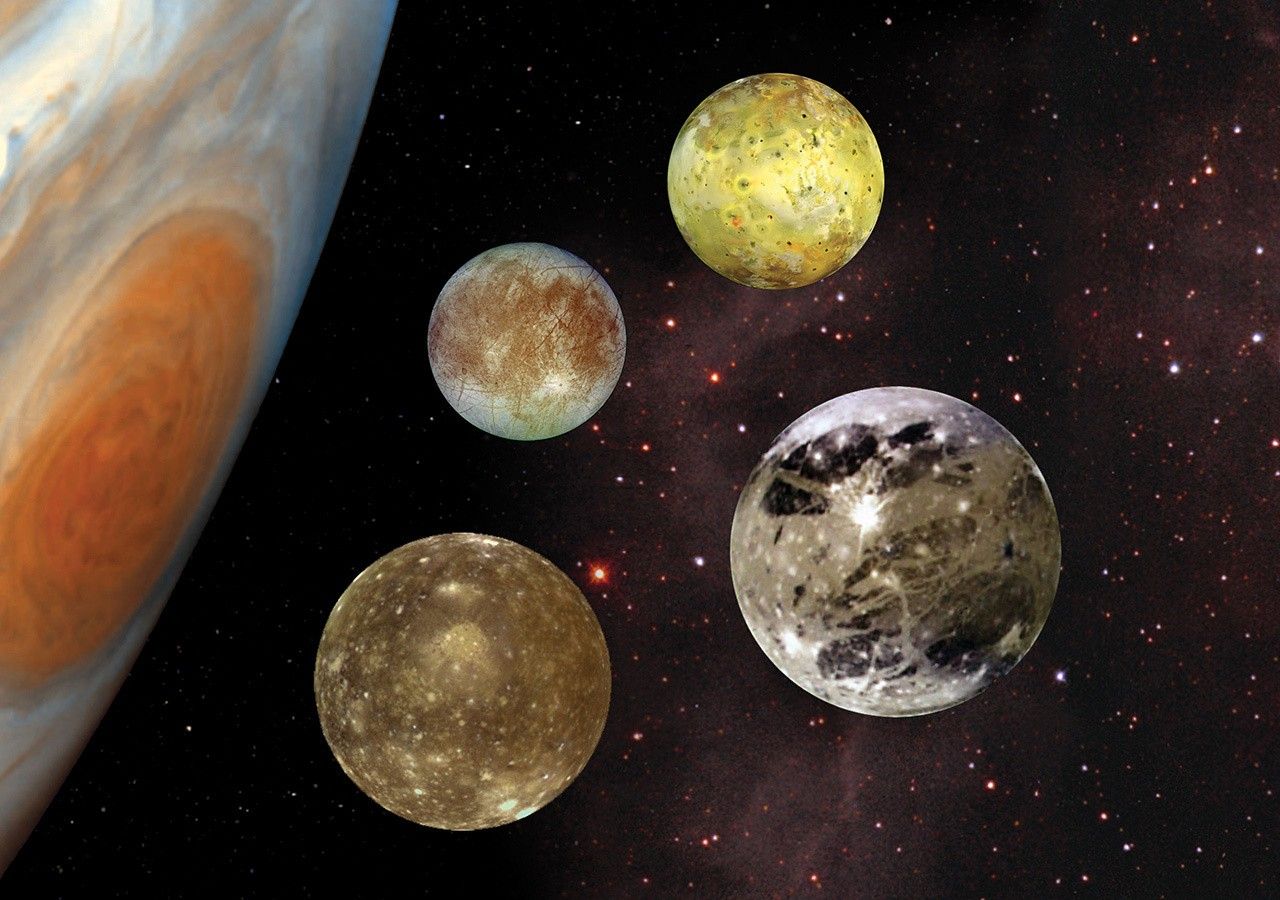
Jupiter has 95 moons that have been officially recognized by the International Astronomical Union.
But the number doesn't capture the complexity of the Jovian system of moons, rings and asteroids. The giant planet has thousands of small objects in its orbit.
Jupiter Resources
Explore a curated collection of Jupiter resources.
These resources include activities that can be done at home, as well as videos, animations, posters, and online interactives.
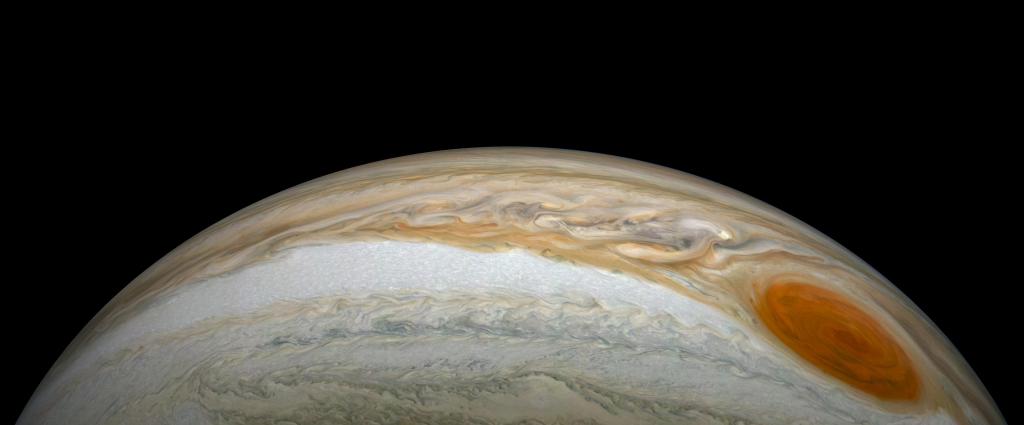
NASA’s Juno Measures Thickness of Europa’s Ice Shell
Results from the solar-powered spacecraft provide a new measurement of the thickness of the ice shell encasing the Jovian moon’s ocean. Data…
Read the Story
Observing Jupiter’s Auroras, Juno Detected Callisto’s Elusive Footprint
Final missing signature from Jupiter’s four largest moons
Unlike Earth’s Moon and our planet’s northern lights, the massive, shimmering auroras above Jupiter’s poles carry signatures that the planet’s largest moons leave in the atmosphere. Before NASA’s Juno mission, three of Jupiter’s four largest moons, known as Galilean moons — Io, Europa, and Ganymede — were shown to produce these distinct auroral signatures. But Callisto, the most distant of the Galilean moons, remained a mystery.
Read More About Callisto’s Auroral Footprint about Observing Jupiter’s Auroras, Juno Detected Callisto’s Elusive Footprint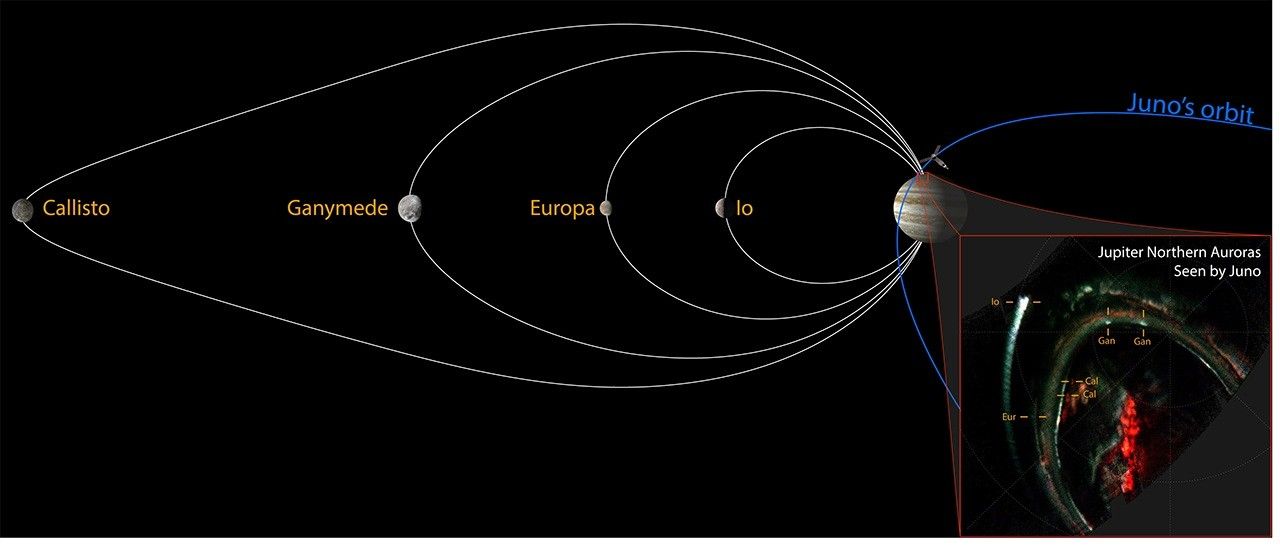
Eyes on the Solar System: Jupiter
Solar System News

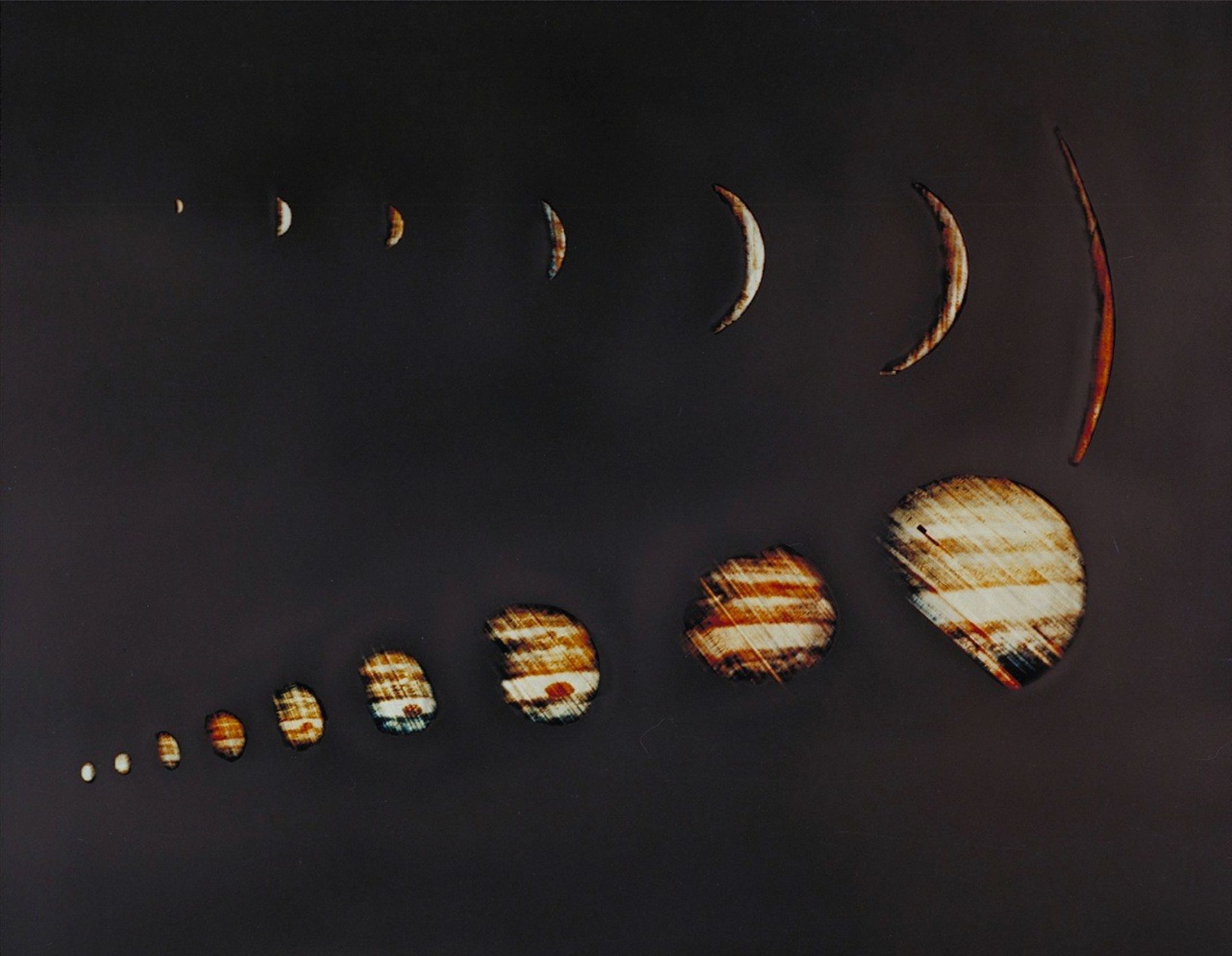
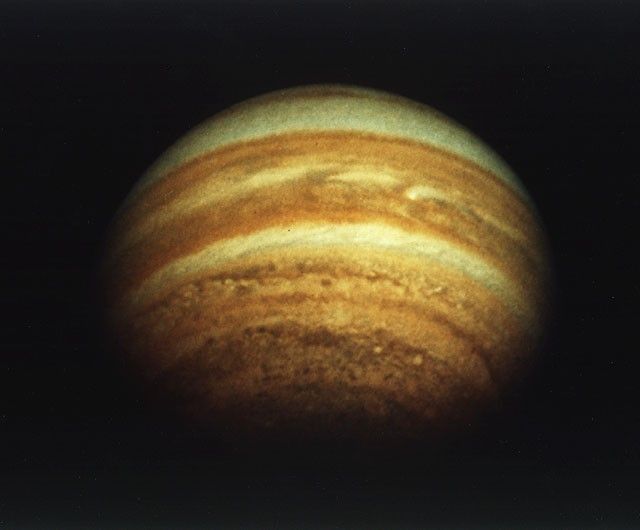
Jupiter
Learn More
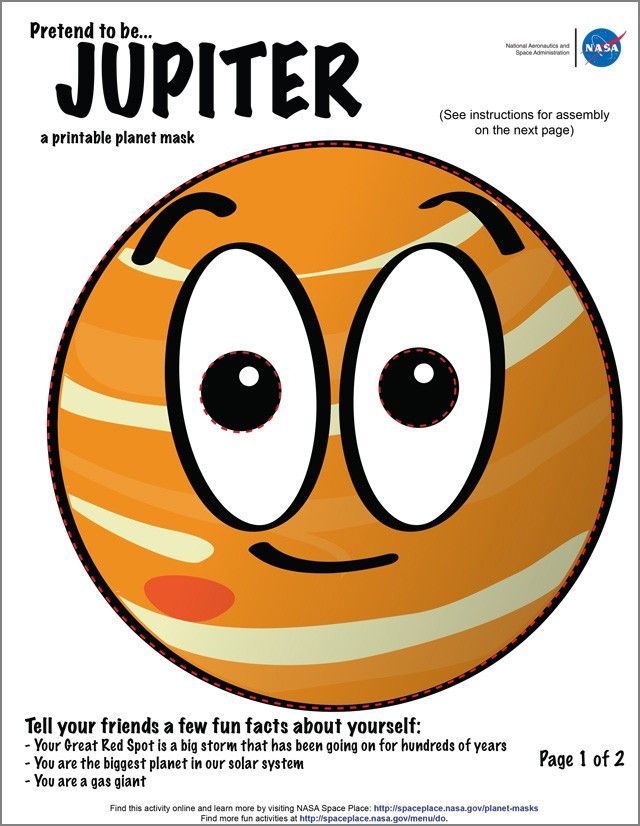
For Kids: All About Jupiter
Facts about Jupiter for kids.
Jupiter Resource Package
Activities that can be done at home, as well as videos, animations, posters, and online interactives.
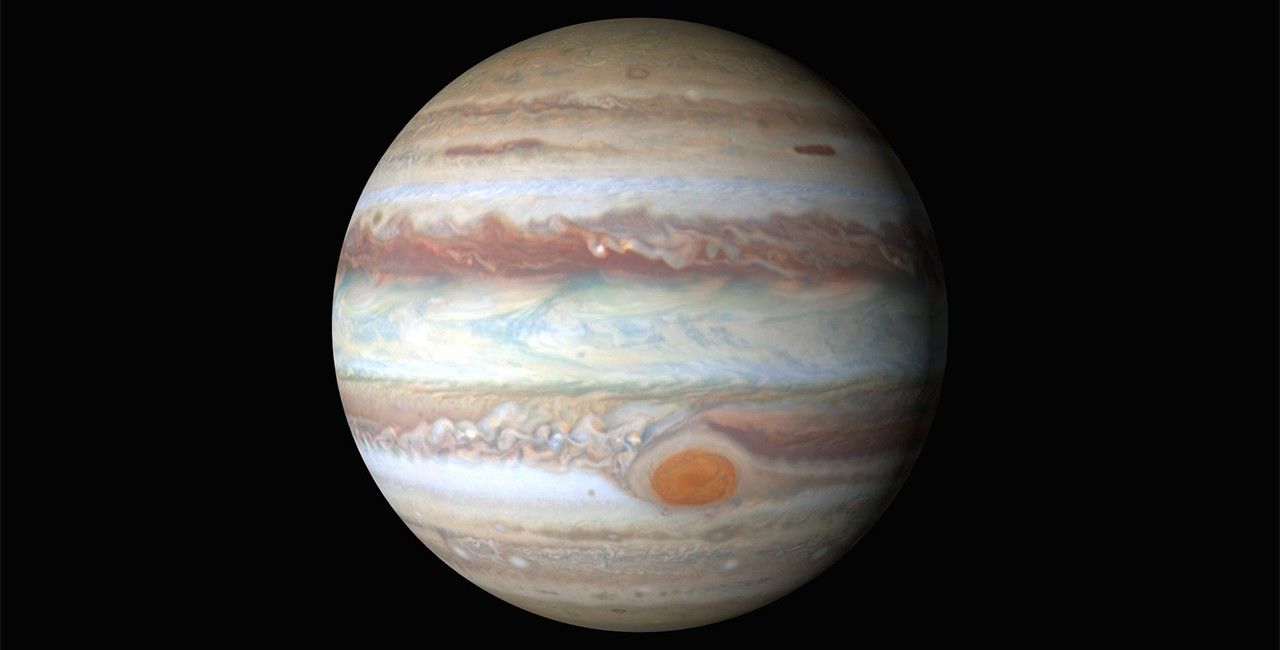
NASA Photojournal: Jupiter
NASA database of images and videos of scientific interest.