Atmosphere
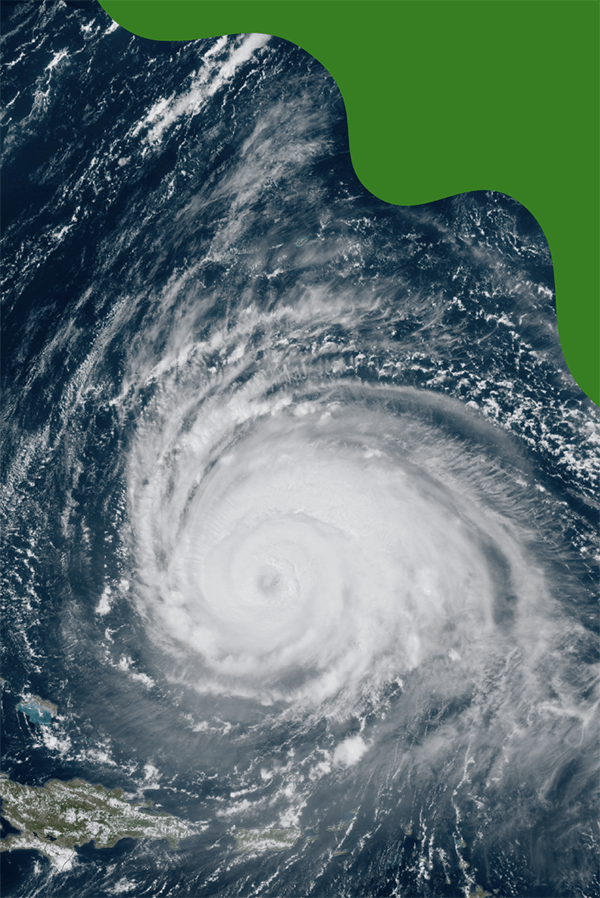
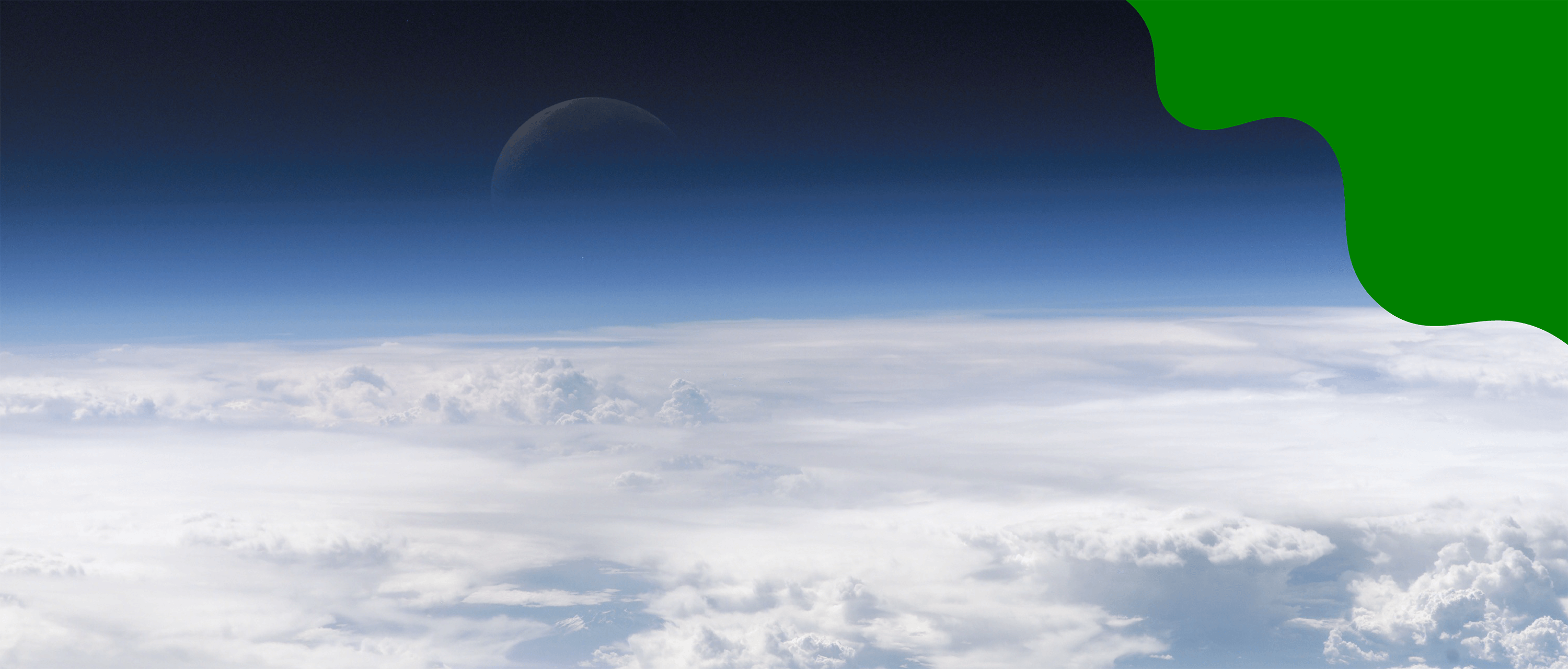
Earth's atmosphere is a jacket of gases that surrounds our planet. It keeps us warm, gives us oxygen to breathe and is where weather happens.
Play
Watch

What Is the Greenhouse Effect?
Read

How Do Clouds Form?
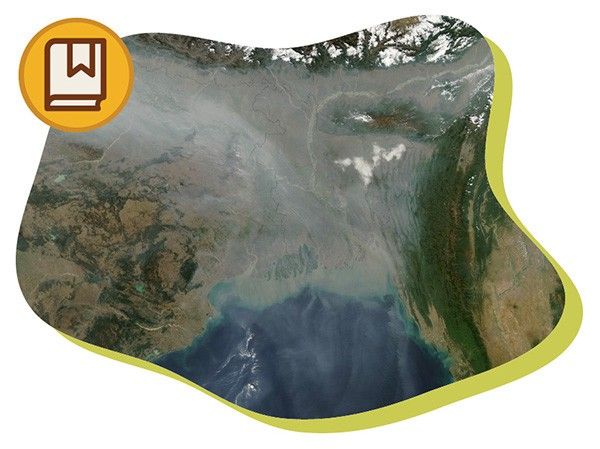
What Causes Air Pollution?
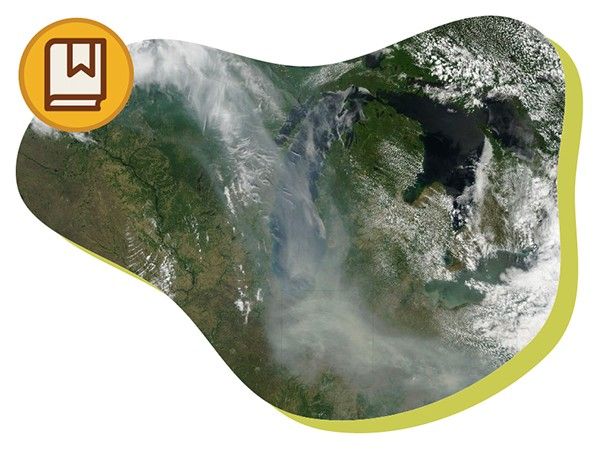
What Does Carbon Dioxide "Parts Per Million" Mean?

What is the Carbon Cycle?
NASA Missions Studying the Atmosphere

Airborne Science Program
The Airborne Science Program uses different kinds of aircraft to test the instruments that fly on spacecraft, such as satellites.

Aqua
Aqua’s main goal is to improve our understanding of Earth's water cycle.

Aura
Aura has several instruments that work together to measure particles in the air called aerosols, ozone gas and other gases in Earth’s atmosphere.

OCO-2
OCO-2 is the first spacecraft dedicated to studying carbon dioxide in Earth’s atmosphere.
OCO-3
OCO-3 is a near replica of OCO-2 and measures carbon dioxide in our atmosphere to help us understand the relationship between plants and carbon dioxide.

PACE
This mission studies phytoplankton (a type of tiny algae), ocean color and measures atmospheric particles and clouds.
SAGE III
SAGE-III-ISS peers through the atmosphere as the sunlight or moonlight shine through it. The information it collects helps us understand and care for Earth's atmosphere.

Suomi-NPP
Suomi-NPP is a satellite with five instruments that watch Earth's environment and climate.

TEMPO
This mission studies certain key pollutants in the air we breathe.

Terra
Terra keeps a close watch on Earth's atmosphere, ocean, land, snow, and ice.