














NASA Heliophysics Education
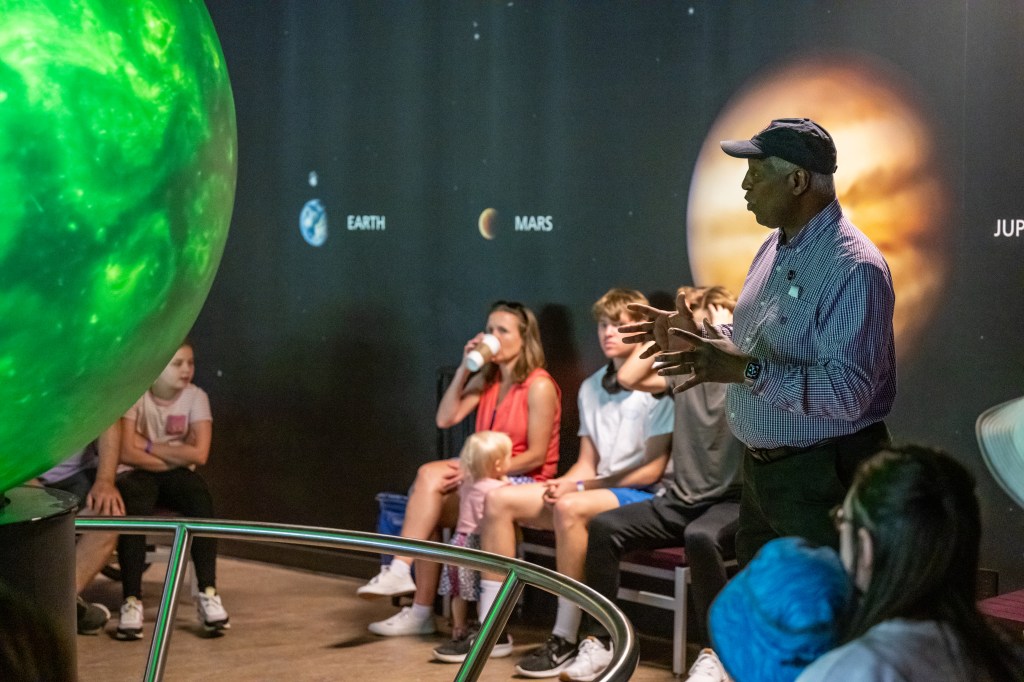
The NASA Heliophysics Education Activation Team's (NASA HEAT) Framework for Heliophysics Education outlines key concepts, practices, and strategies for integrating solar science into educational curricula and learning activities. It provides educators, scientists, and outreach professionals with a cohesive set of Heliophysics Big Ideas that align with the three questions that drive NASA's heliophysics research.
Heliophysics Big Ideas
The Sun can provide a fun and exciting laboratory for exploring magnetism, gravity, light, energy, and much more! Learn how to integrate heliophysics concepts and resources into existing educational and outreach activities by exploring the Heliophysics Big Ideas below.
Framework for Heliophysics Education
Heliophysics is the study of the Sun and its impacts on Earth, the solar system, and humanity.
NASA Heliophysicists ask:
What are the impacts of the changing Sun on humanity?

NASA Heliophysicists ask:
How do Earth, the solar system, and the heliosphere respond to changes on the Sun?

NASA Heliophysicists ask:
What causes the Sun to vary?

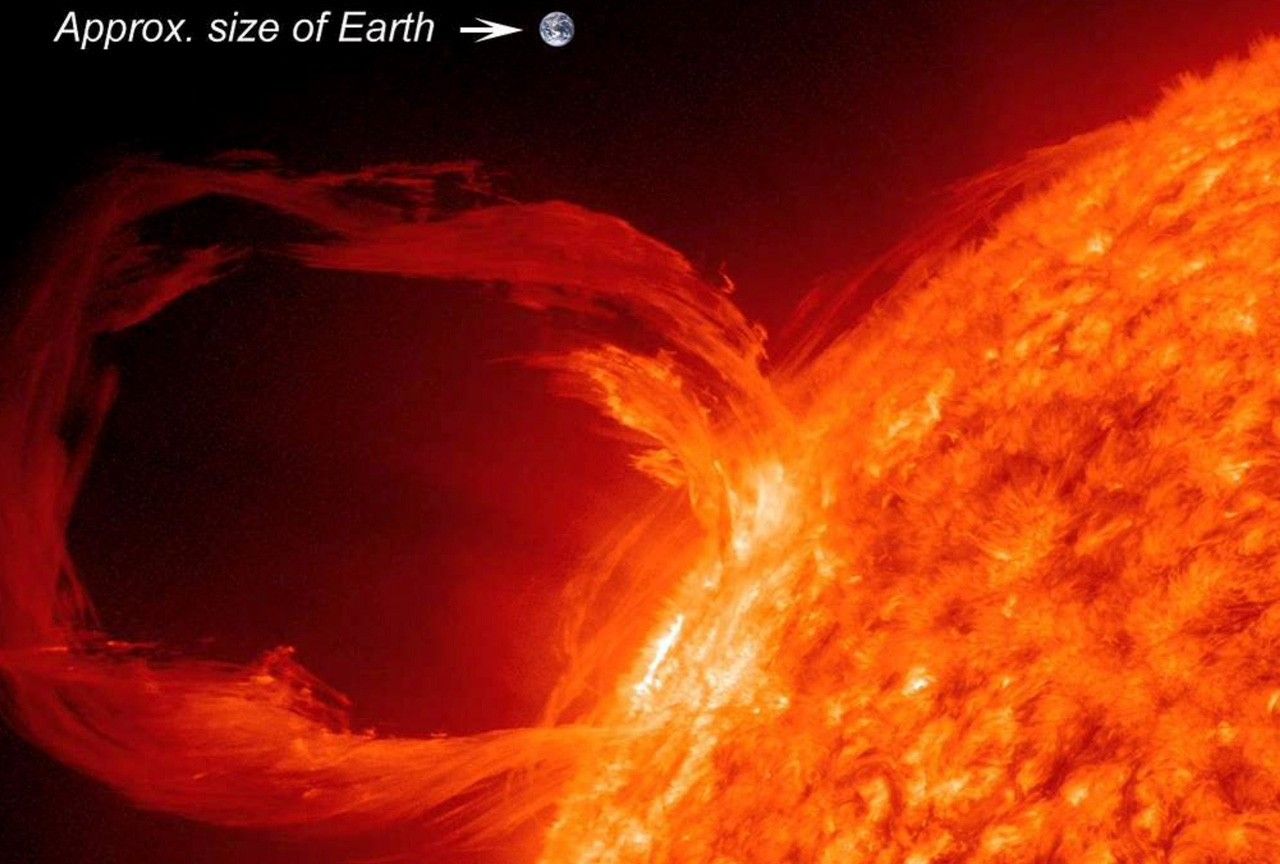
The Sun is really big and influences all objects in the solar system.
Heliophysics Big Idea 1.1
Driving Question: What are the impacts of the changing Sun on humanity?
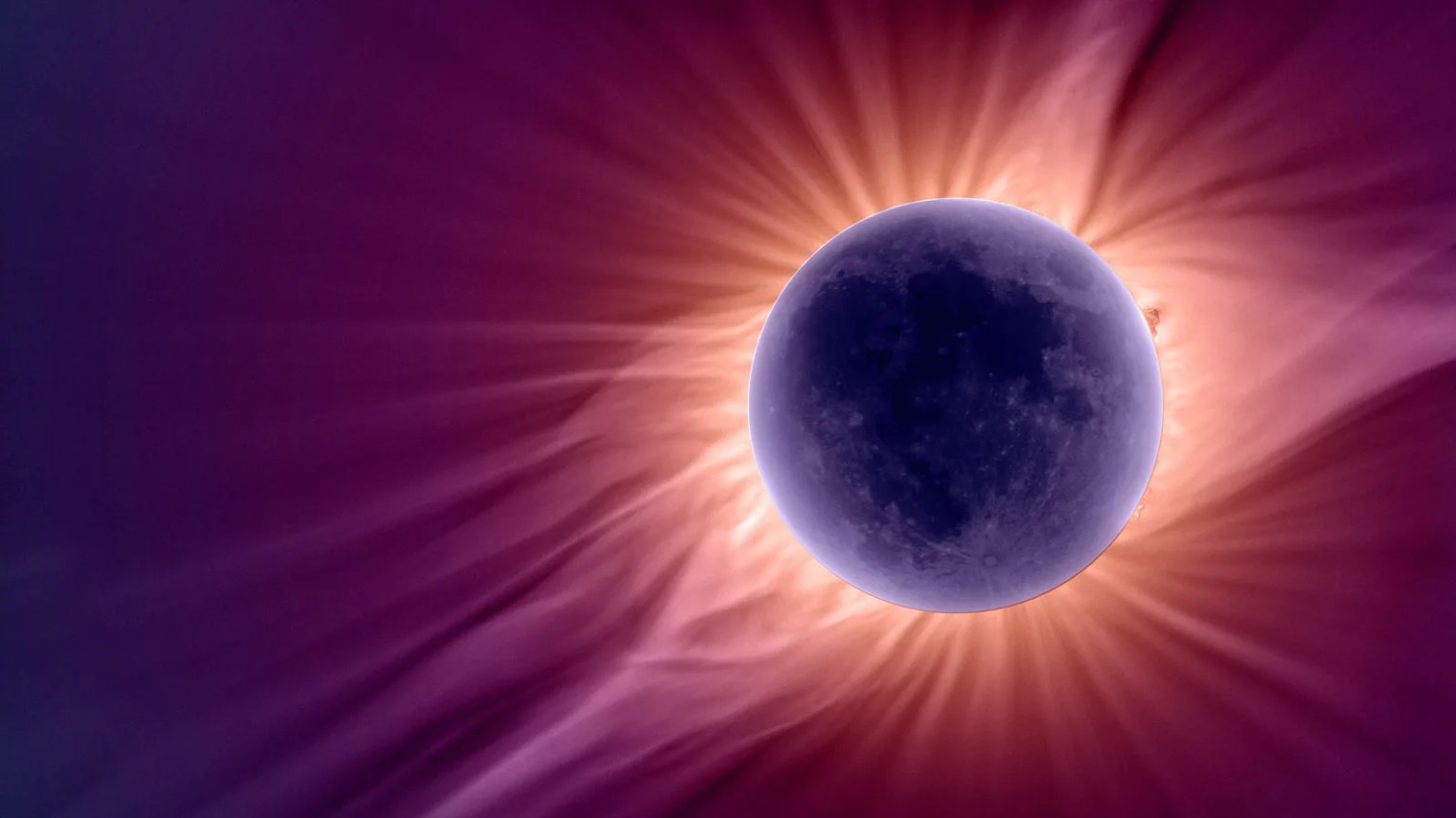
Relevant Topics: corona, lunar eclipse, lunar phases, Newton's Law of Gravity, seasons, solar eclipse, solar system, transits
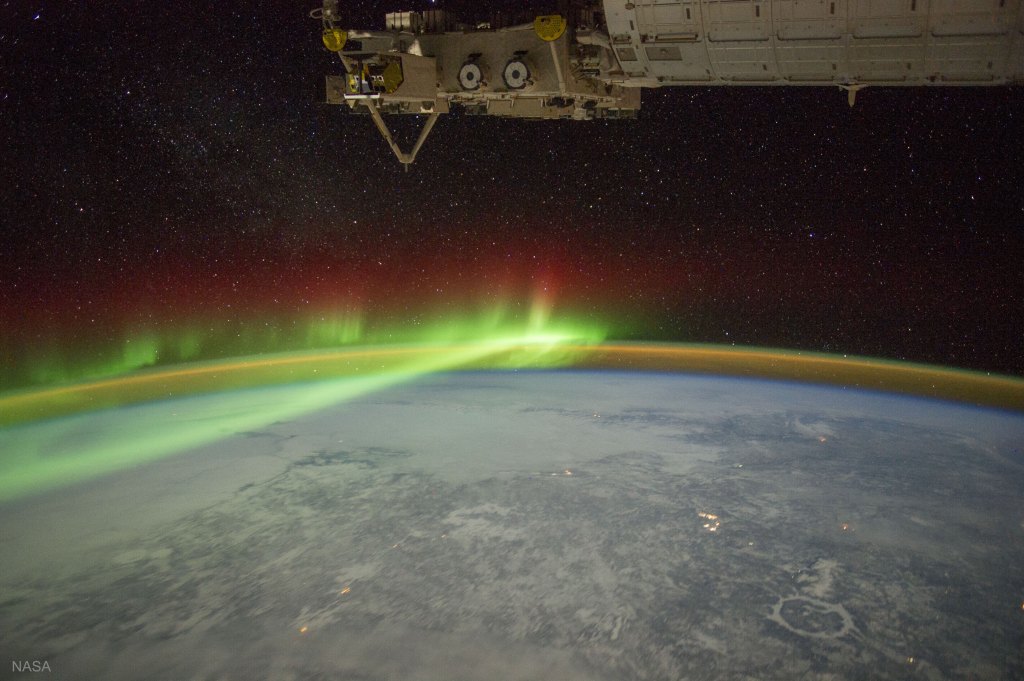
The Sun is active and can impact technology on Earth via space weather.
Heliophysics Big Idea 1.2
Driving Question: What are the impacts of the changing Sun on humanity?
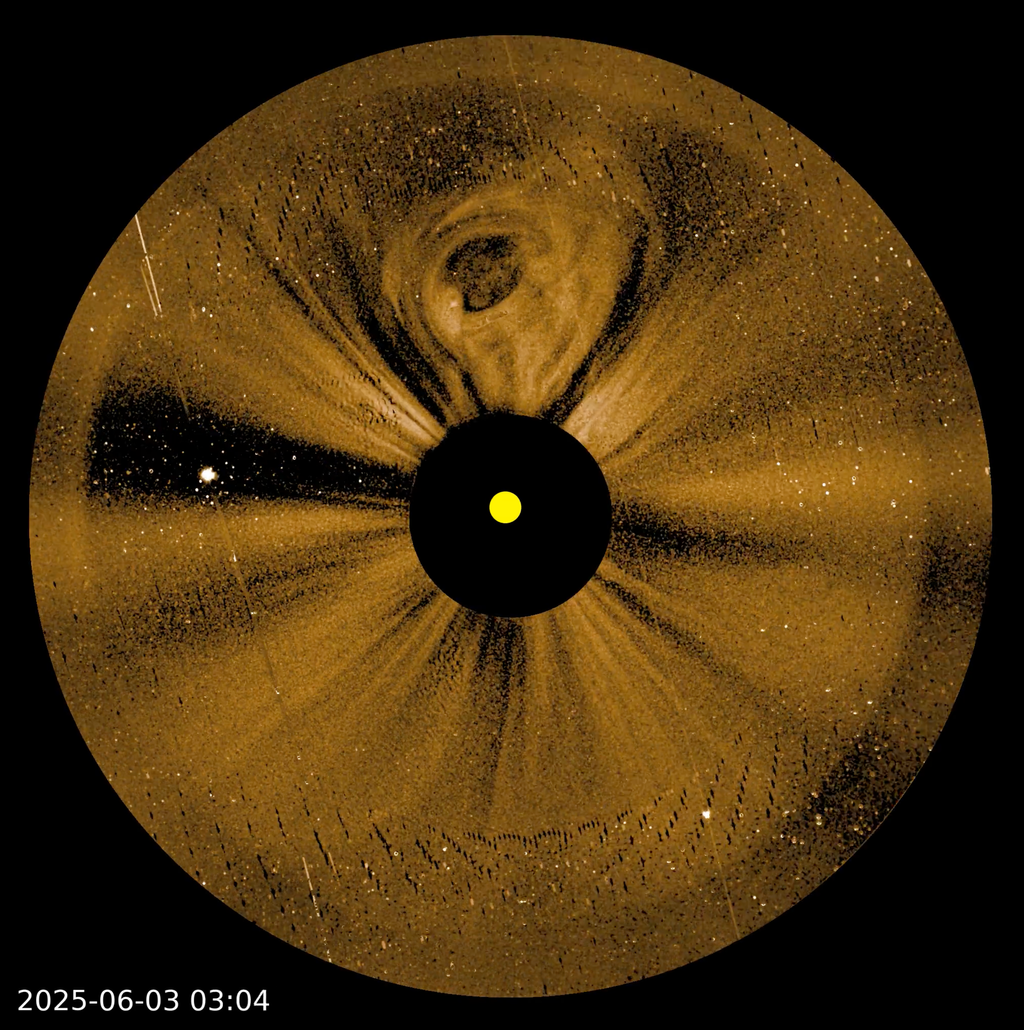
Relevant Topics: atmosphere, aurora, coronal mass ejection, geomagnetic storm, ionization, magnetic fields, magnetic reconnection, magnetosphere, magnetotail, plasma, radio blackout, solar cycle, solar flare, solar wind, space weather, sunspots, Van Allen belts
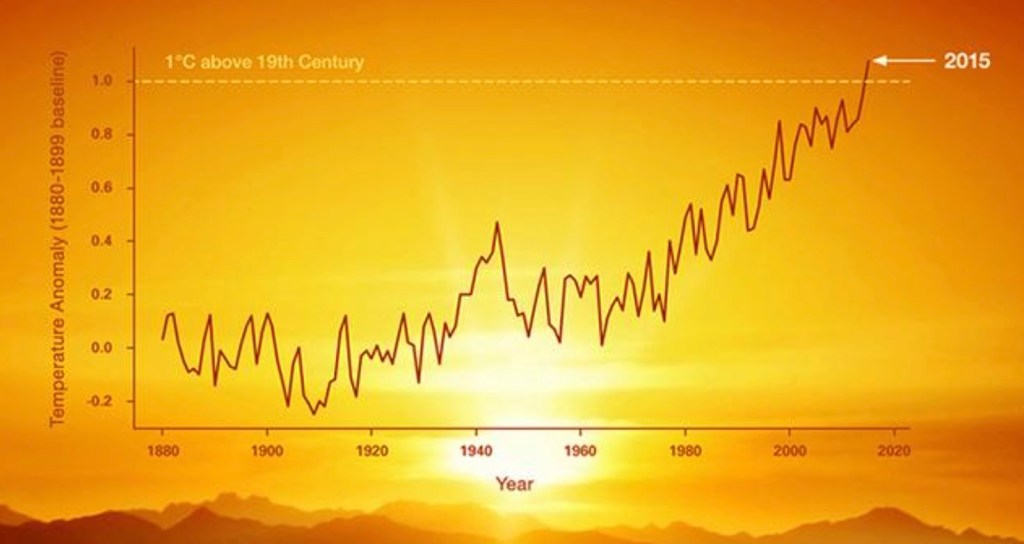
The Sun's energy drives Earth's climate, but the climate is in a delicate balance and is changing due to human activity.
Heliophysics Big Idea 1.3
Driving Question: What are the impacts of the changing Sun on humanity?
Relevant Topics: atmosphere, climate change, energy, greenhouse effect, radiation
Life on Earth has evolved with complex diversity because of our location near the Sun. It is just right!
Heliophysics Big Idea 2.1
Driving Question: How do Earth, the solar system, and the heliosphere respond to changes on the Sun?
Relevant Topics: atmosphere, biosphere, energy, habitable zone, light, magnetosphere, photosynthesis, radiation
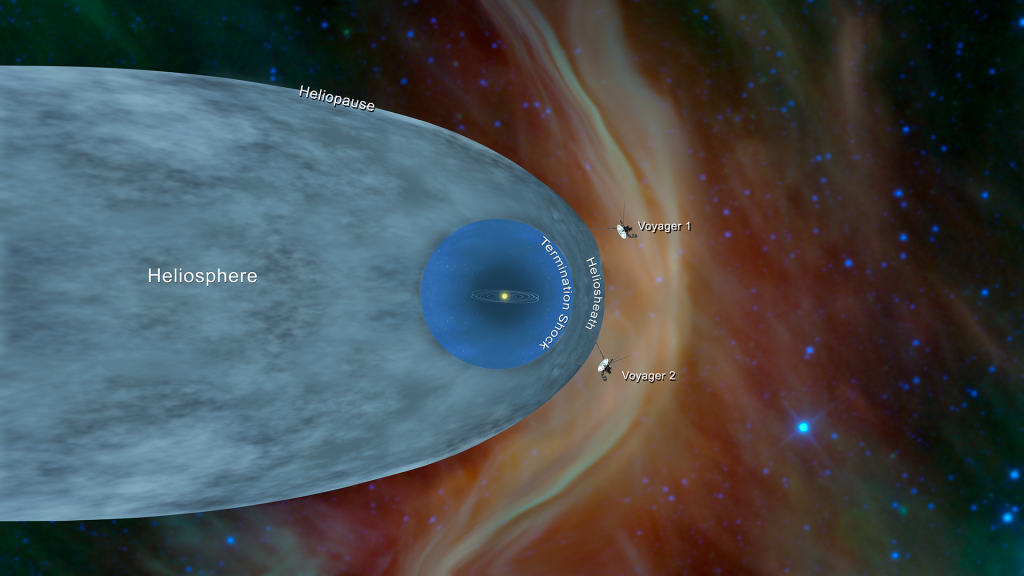
The Sun defines the space around it, which is different from interstellar space.
Heliophysics Big Idea 2.2
Driving Question: How do Earth, the solar system, and the heliosphere respond to changes on the Sun?
Relevant Topics: heliosphere, interstellar space, magnetic fields, plasma, solar wind, space weather
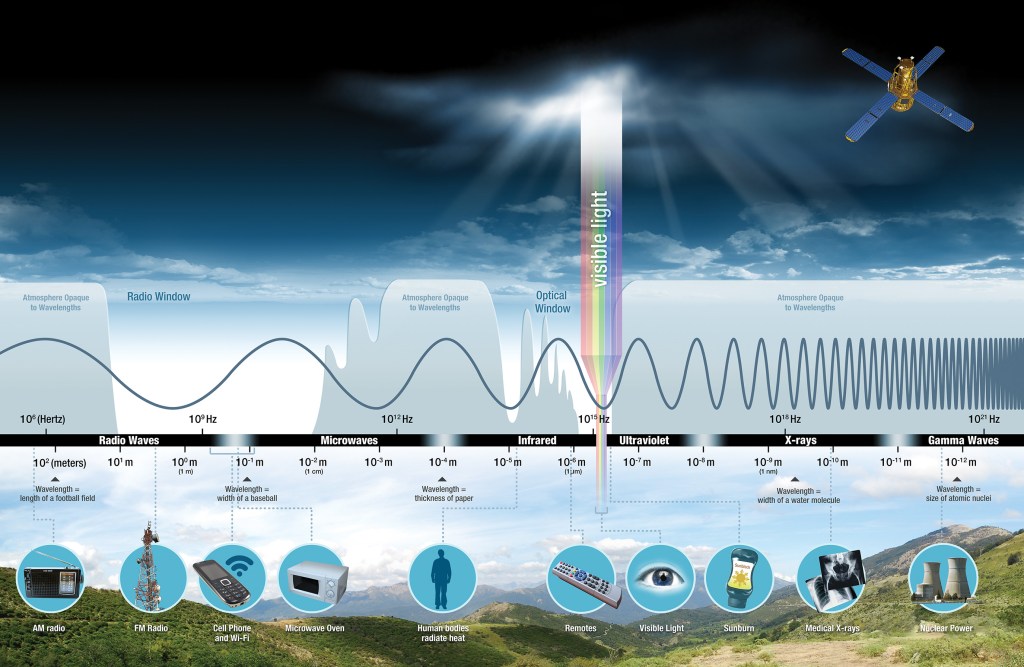
The Sun is the primary light source in the solar system.
Heliophysics Big Idea 2.3
Driving Question: How do Earth, the solar system, and the heliosphere respond to changes on the Sun?
Relevant Topics: electromagnetic spectrum, energy, light, photosynthesis, radiation, spectroscopy
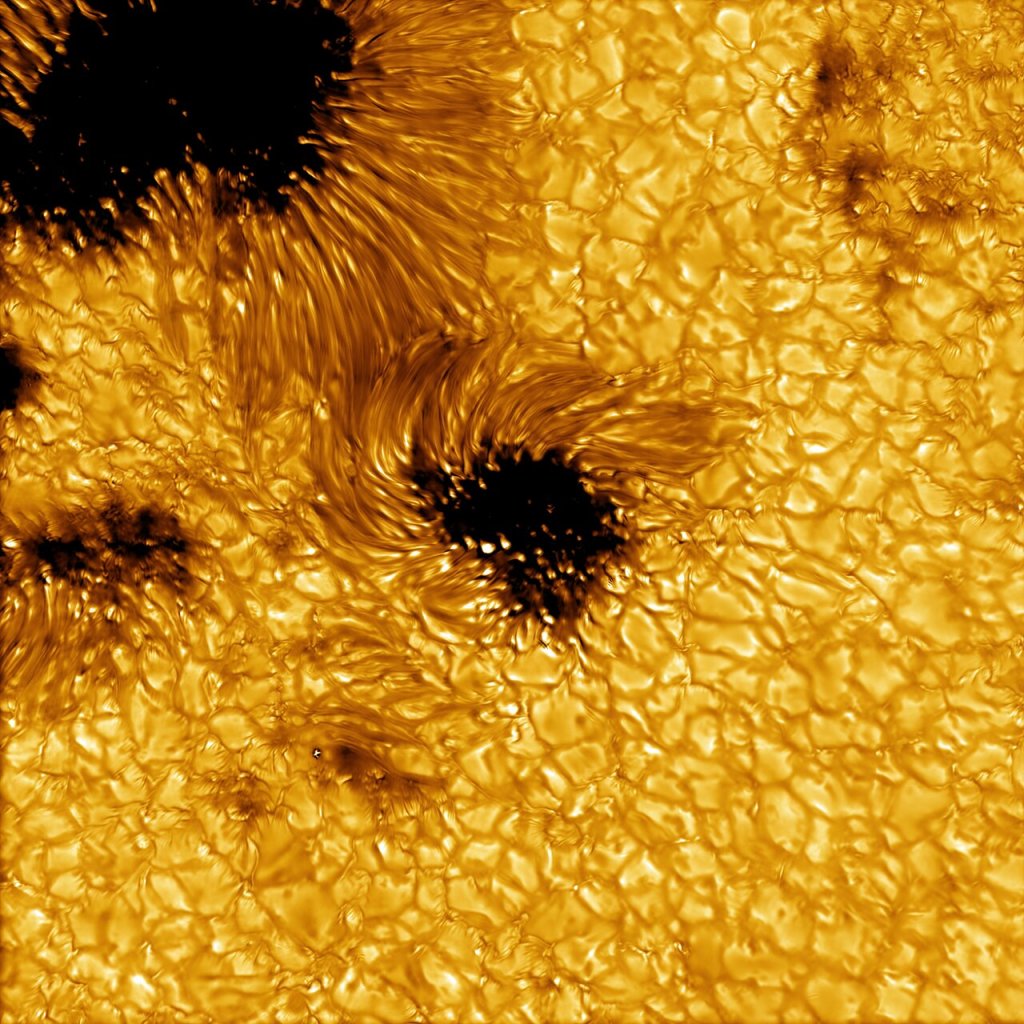
The Sun is made of churning plasma, causing the surface to be covered with complex, tangled magnetic fields.
Heliophysics Big Idea 3.1
Driving Question: What causes the Sun to vary?
Relevant Topics: coronal mass ejection, electromagnetism, energy, ionization, magnetic fields, magnetic reconnection, plasma, solar cycle, solar flare, solar wind, space weather, sunspots
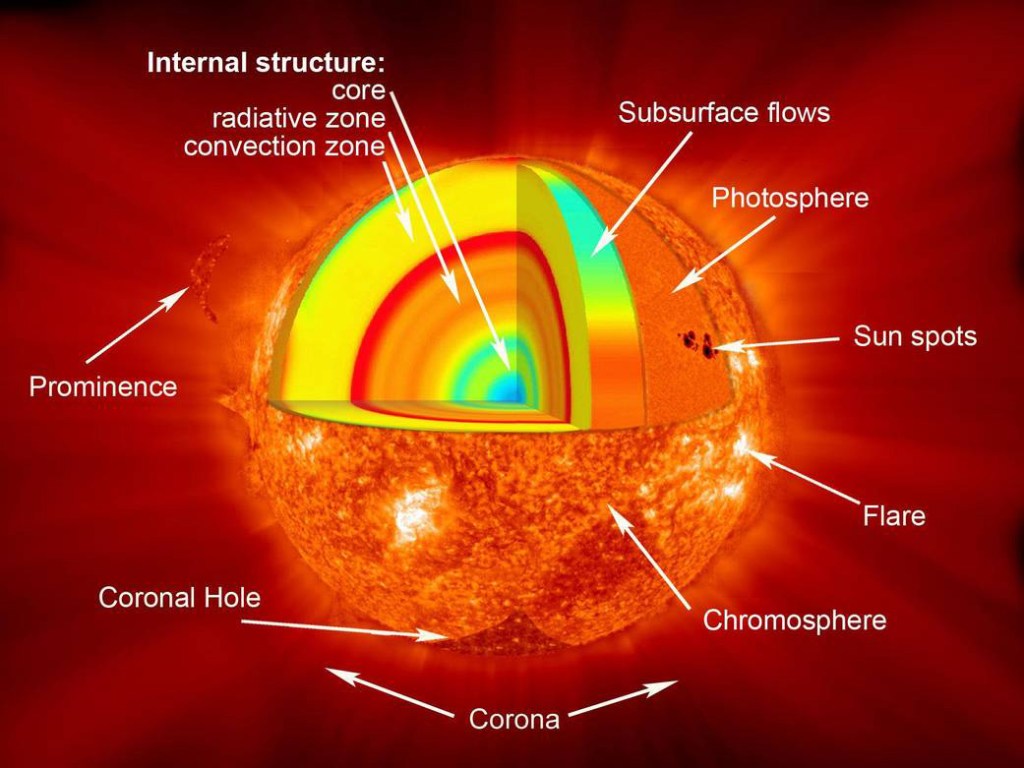
Energy from the Sun is created in the core and travels outward through the Sun and into the heliosphere.
Heliophysics Big Idea 3.2
Driving Question: What causes the Sun to vary?
Relevant Topics: convection, corona, energy, heliosphere, light, nuclear fusion, plasma, radiation, solar wind, space weather
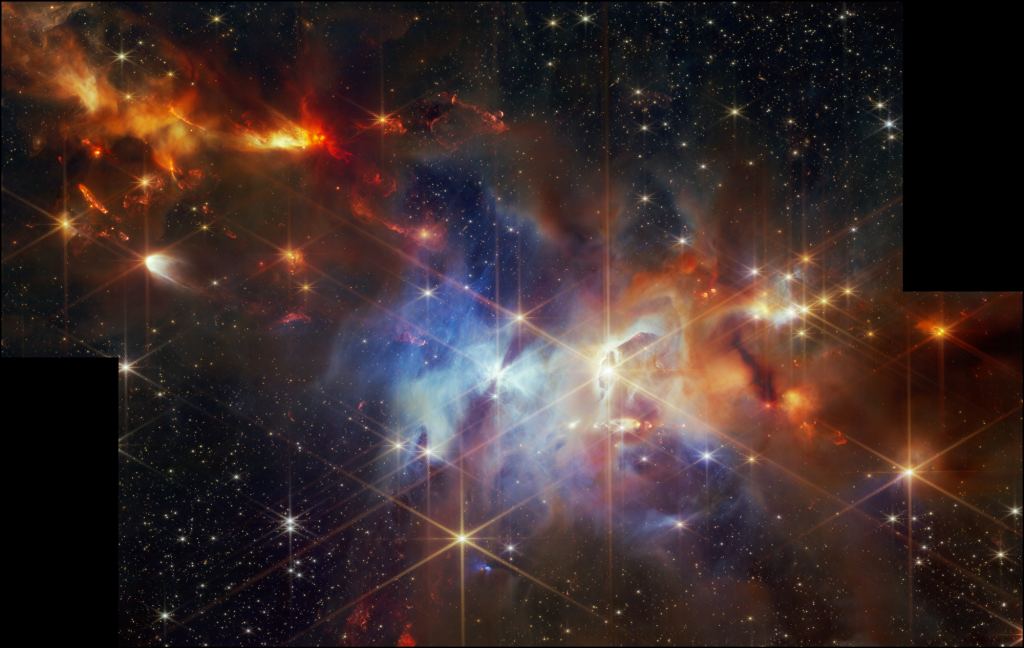
Our Sun, like all stars, has a life cycle.
Heliophysics Big Idea 3.3
Driving Question: What causes the Sun to vary?
Relevant Topics: light, nuclear fusion, solar cycle, spectroscopy, stellar evolution, sunspots
Explore Heliophysics Education
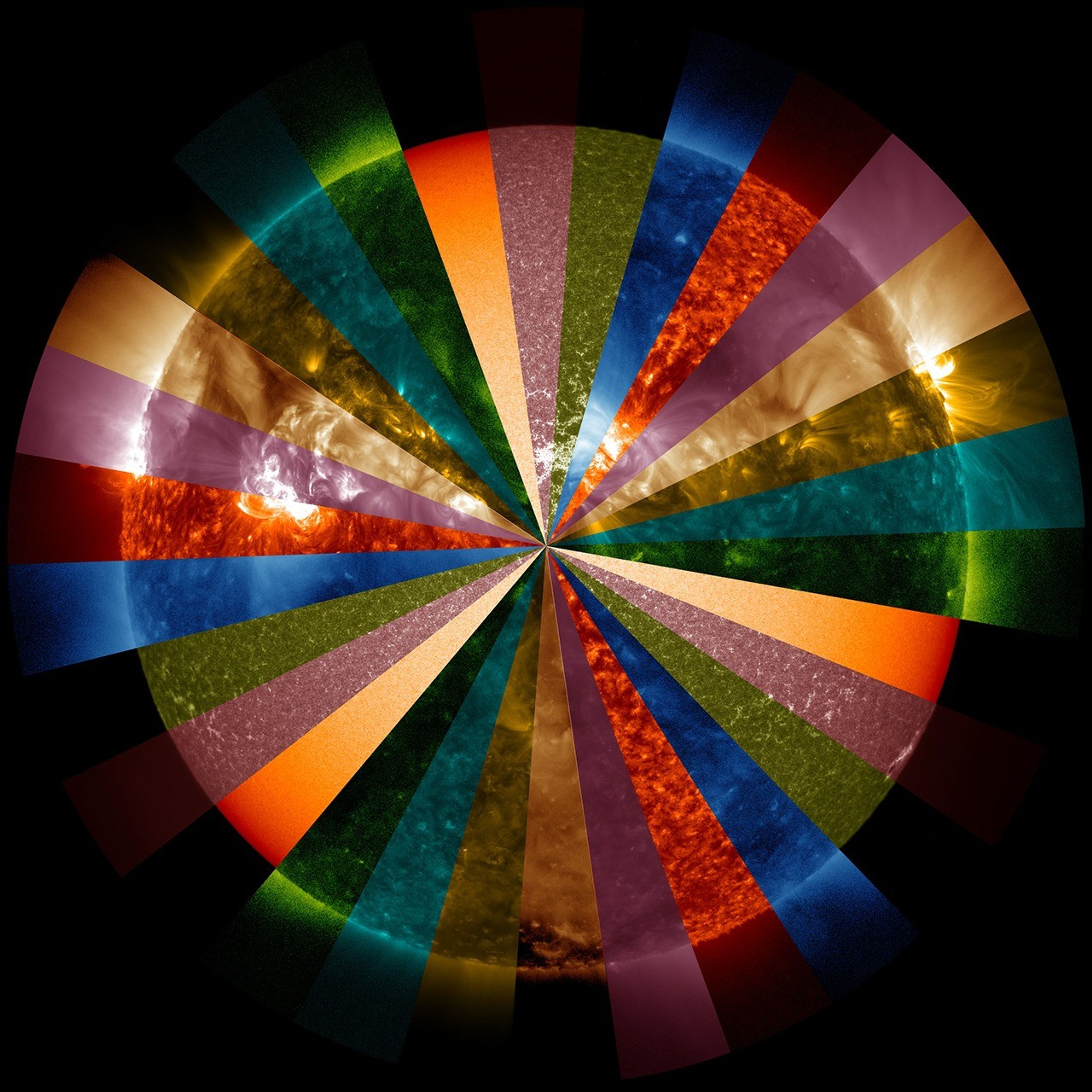
Framework for Heliophysics Education
These nine Heliophysics Big Ideas form the Framework for Heliophysics Education. Learn more about how to use the framework to find resources for your audiences.
Heliophysics Resource Database
Search the Heliophysics Resource Database for curated heliophysics lesson plans, digital activities, hands-on learning, and more.
Heliophysics Missions
Learn more about NASA's heliophysics missions and find learning resources.

Heliophysics Topics A-Z
Explore popular heliophysics topics, A-Z.
Solar Dynamics Observatory
NASA's Solar Dynamics Observatory (SDO) is designed to help us understand the Sun's influence on Earth and Near-Earth space by studying the solar atmosphere on small scales of space and time and in many wavelengths simultaneously. Solar images are taken by an instrument aboard SDO called the Atmospheric Imaging Assembly (AIA). AIA images the solar atmosphere in multiple wavelengths to link changes on the surface to interior changes. Data includes images of the Sun in 10 wavelengths channels every 10 seconds. Because we can't see extreme ultraviolet light with our eyes, different colors are added to the data collected by AIA so that we can see the features of the Sun. Different wavelengths of light are represented by different colors.
Real-time Images of the SunDiscover More Topics From NASA
Sun

Space Weather
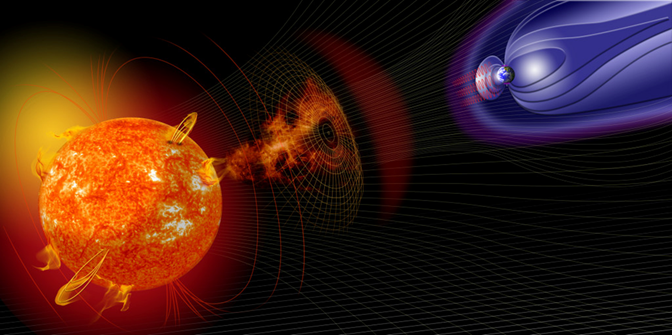
Solar flares, coronal mass ejections, solar particle events, and the solar wind form the recipe space weather that affects life…
Auroras
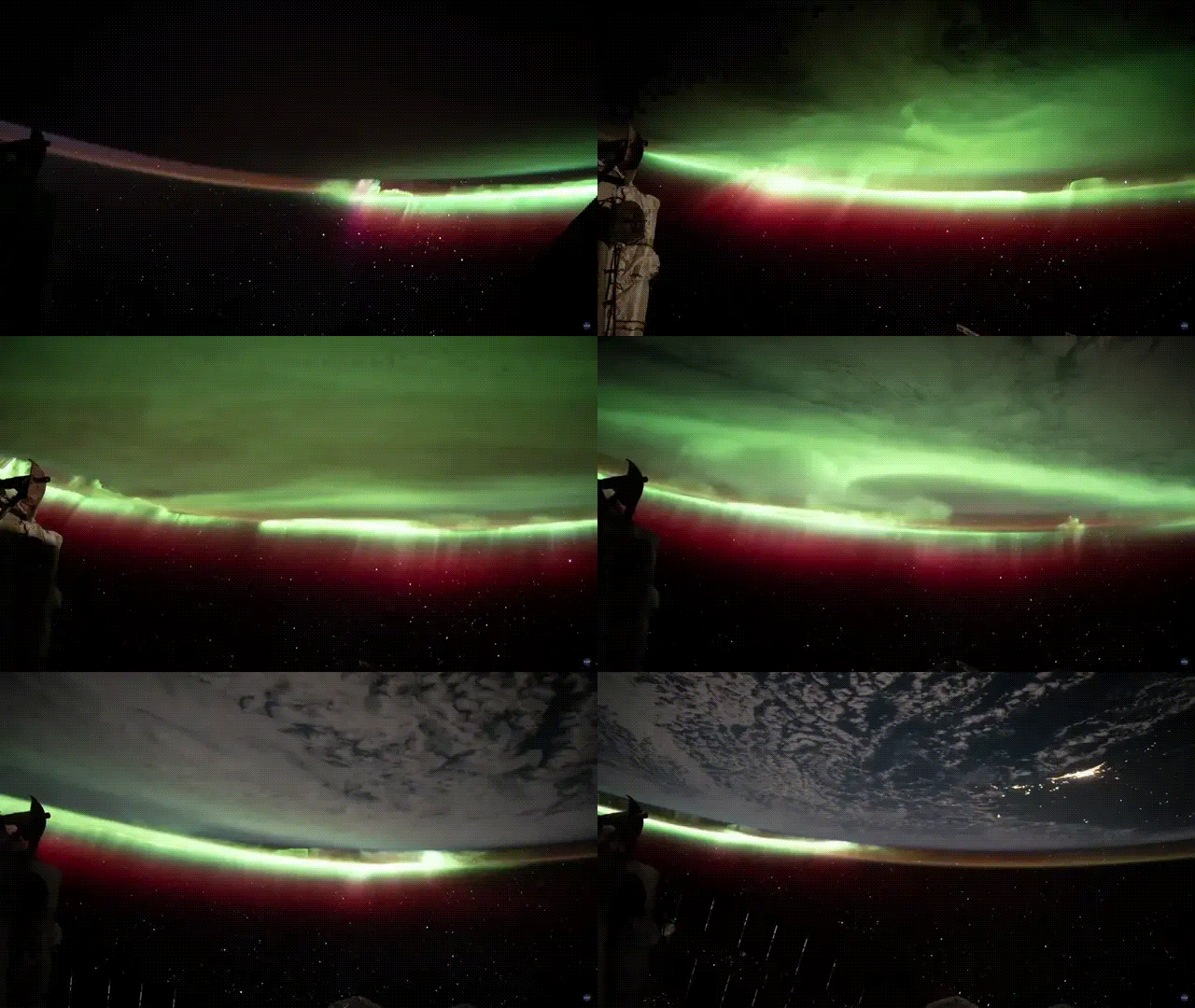
Auroras, often called the northern lights (aurora borealis) or southern lights (aurora australis), are colorful, dynamic, and often visually delicate…
Eclipses