Mars
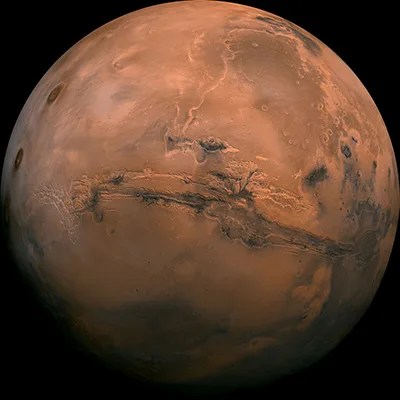
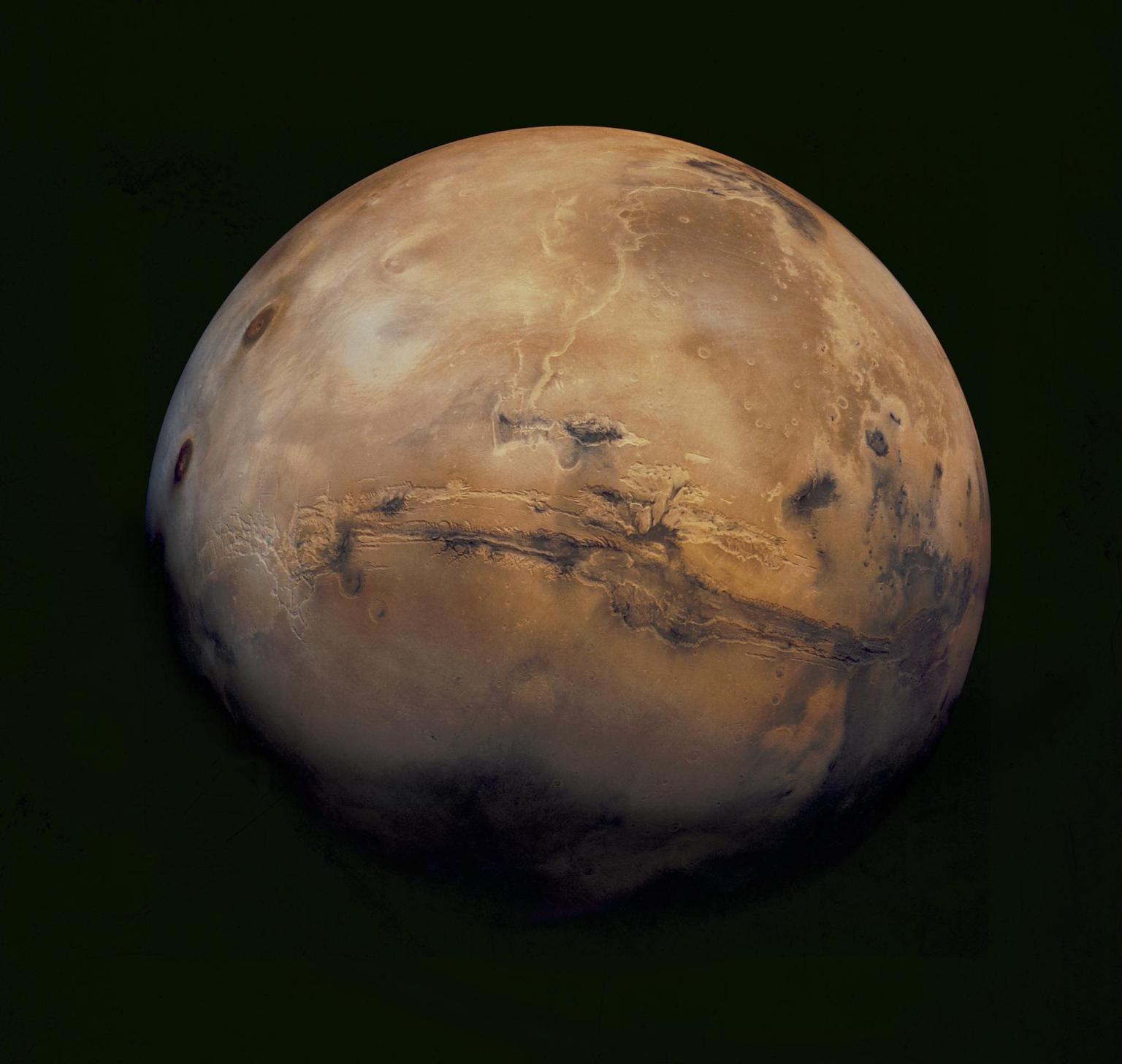
Mars is the fourth planet from the Sun, and the seventh largest. It’s the only planet we know of inhabited entirely by robots.
Mission Status
NASA Spacecraft in Orbit
NASA Rovers on the Surface
Featured Topics
Mars Overview
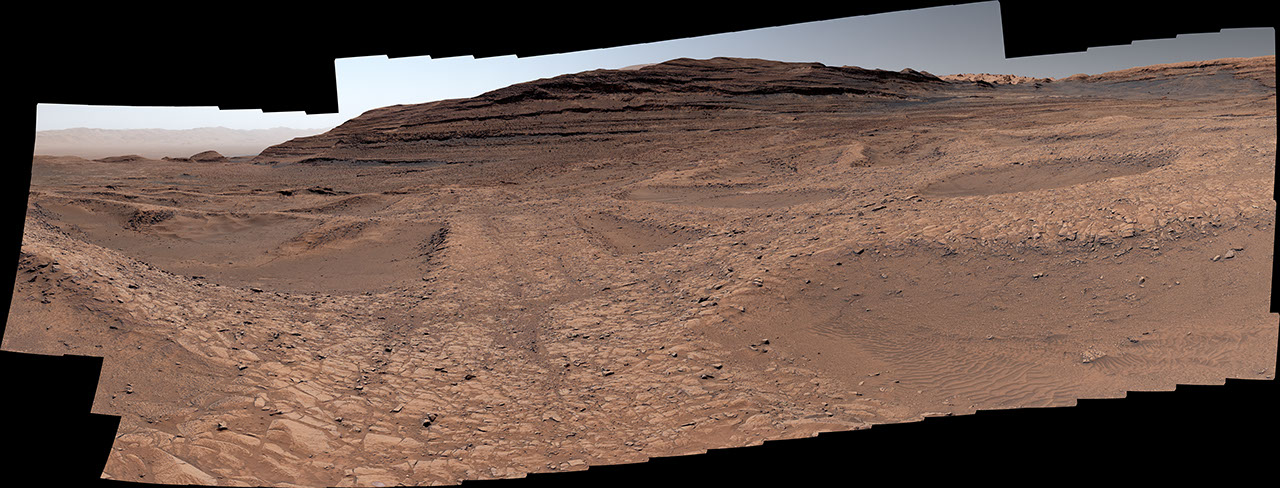
Mars is no place for the faint-hearted. It’s dry, rocky, and bitter cold. The fourth planet from the Sun, Mars is one of Earth's two closest planetary neighbors (Venus is the other). Mars is one of the easiest planets to spot in the night sky — it looks like a bright red point of light.
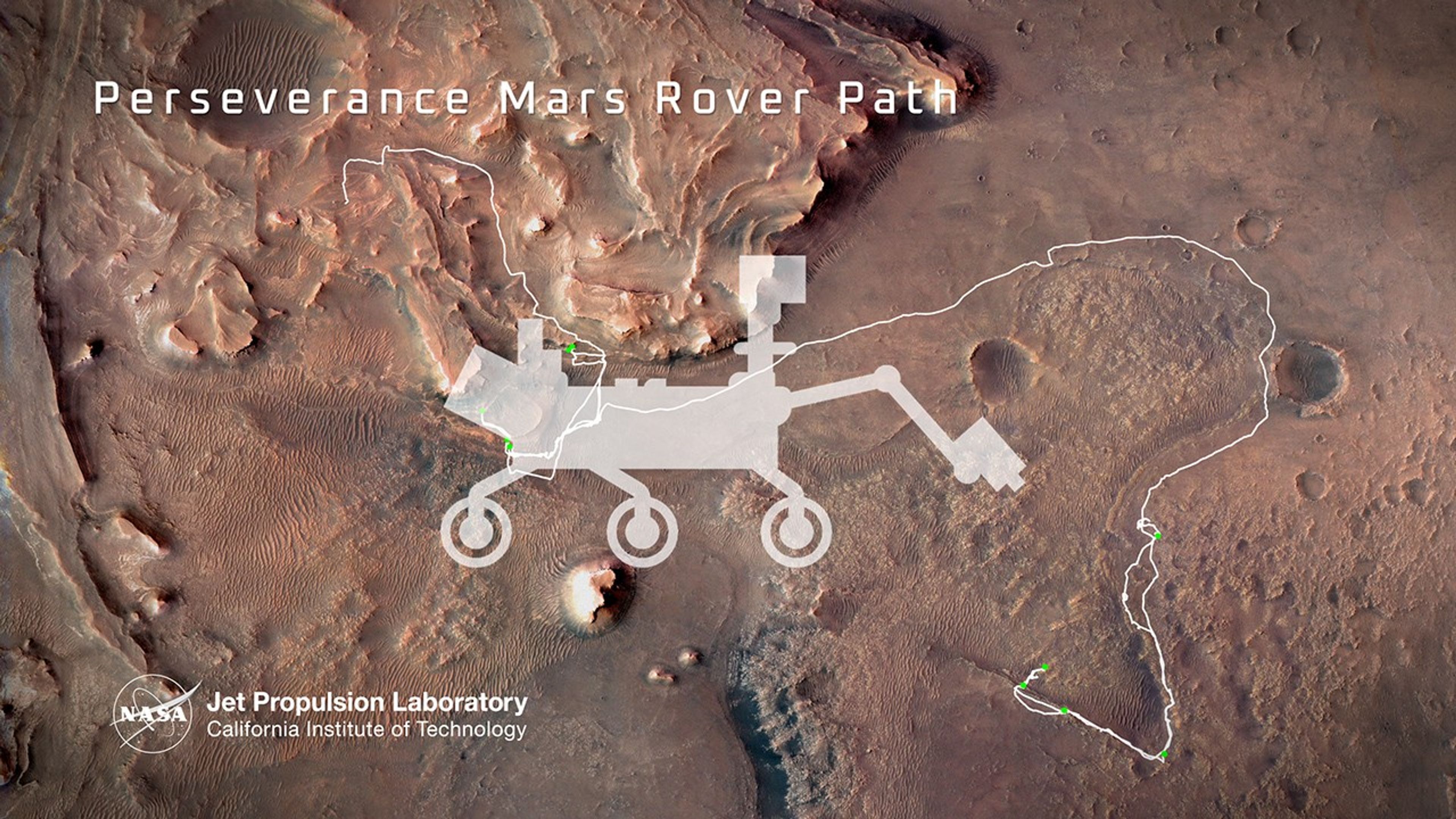
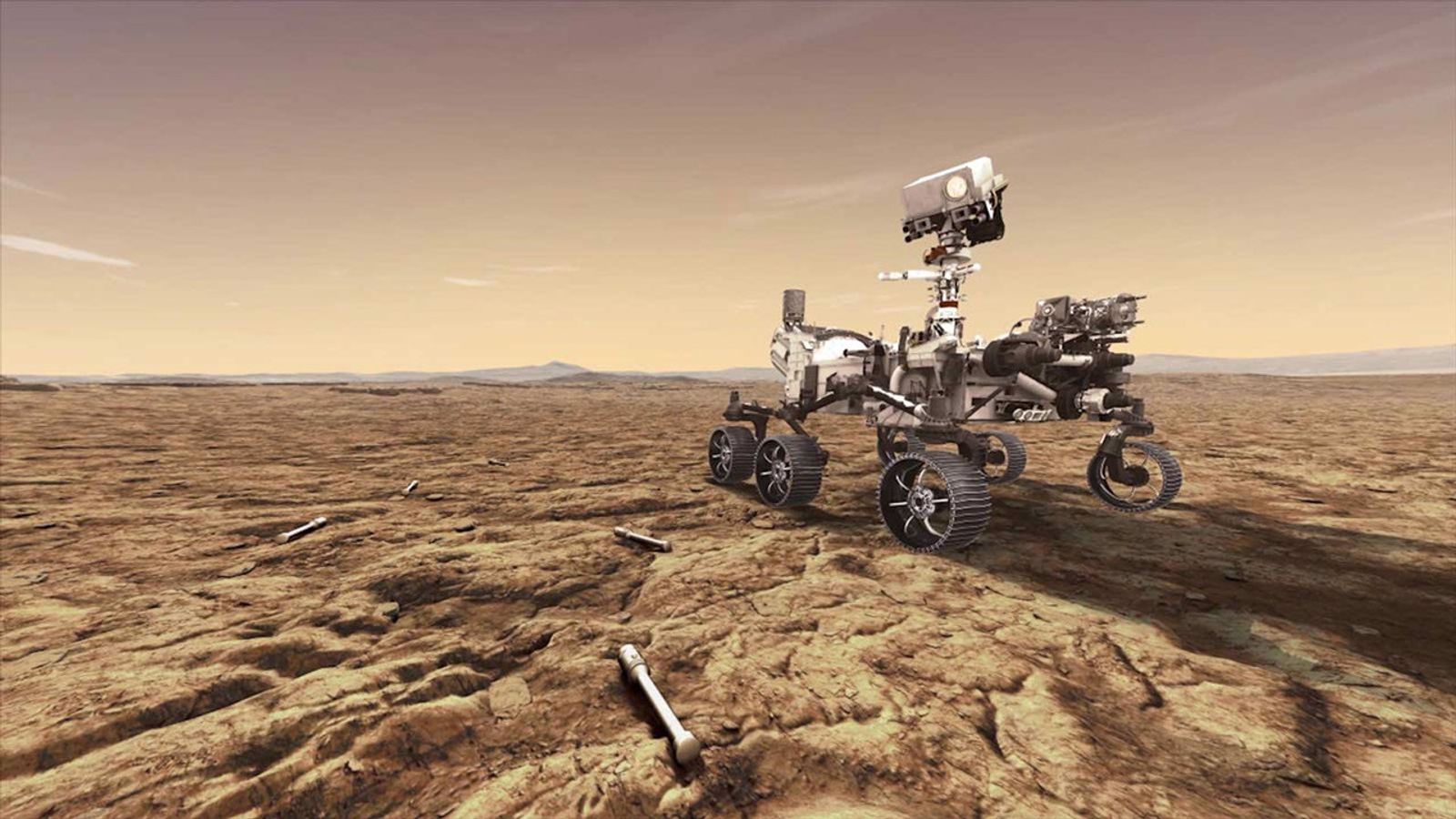
Despite being inhospitable to humans, robotic explorers — like NASA's Perseverance rover and Mars Reconnaissance Orbiter — serve as pathfinders to eventually get astronauts to the surface of the Red Planet.

More Mars Facts
Learn about its formation, structure, atmosphere, size and distance, moons, and much more.
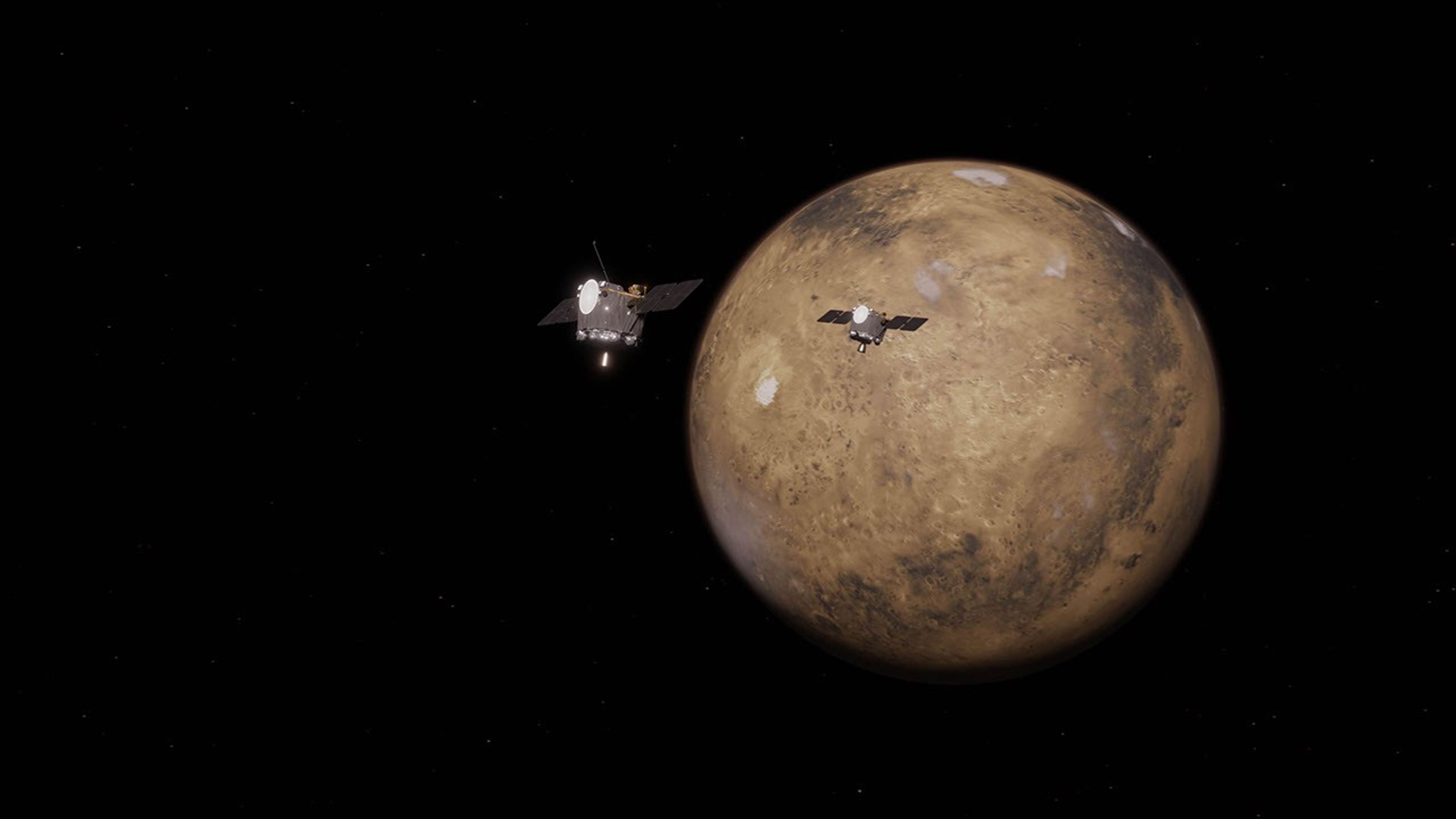
NASA Launches Twin Satellites to Investigate Mars' Space Weather
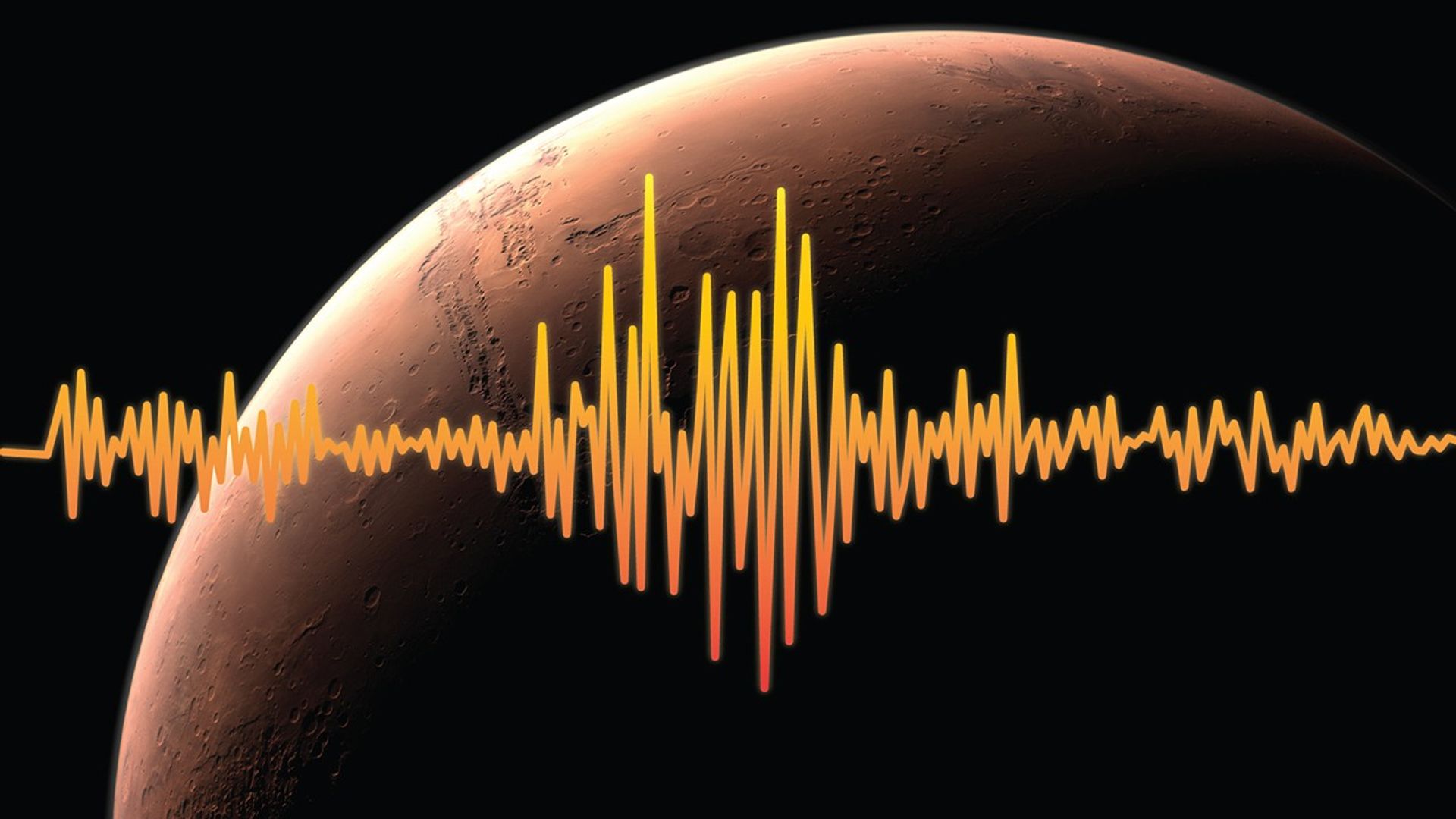
NASA's Escape and Plasma Acceleration and Dynamics Explorers (ESCAPADE) mission, which launched Nov. 13, will study Mars' real-time response to the solar wind, helping us better understand Mars' climate history — from a planet that hosted rivers, lakes, and floods billions of years ago, to the cold, dry desert we see on the surface today. The twin, refrigerator-sized orbiters are scheduled to arrive at Mars in September 2027, and begin their science mission the following spring.
Learn More About the ESCAPADE MissionPerseverance Completes First Artificial Intelligence-Planned Drives on Another Planet
The demonstration, executed on Dec. 8 and 10, used generative AI to create waypoints for Perseverance, a complex decision-making task typically performed by human rover planners. They usually analyze terrain to sketch a route that avoids any potential hazards, then send that plan to the rover. The vast distance to Mars creates a significant communication lag, so real-time remote driving is impossible. Increased autonomous navigation holds a promise of improved mission efficiency and broadened exploration.
Read ‘NASA’s Perseverance Rover Completes First AI-Planned Drive on Mars’How We Explore Mars
NASA has five active missions at the Red Planet and a future mission under study.
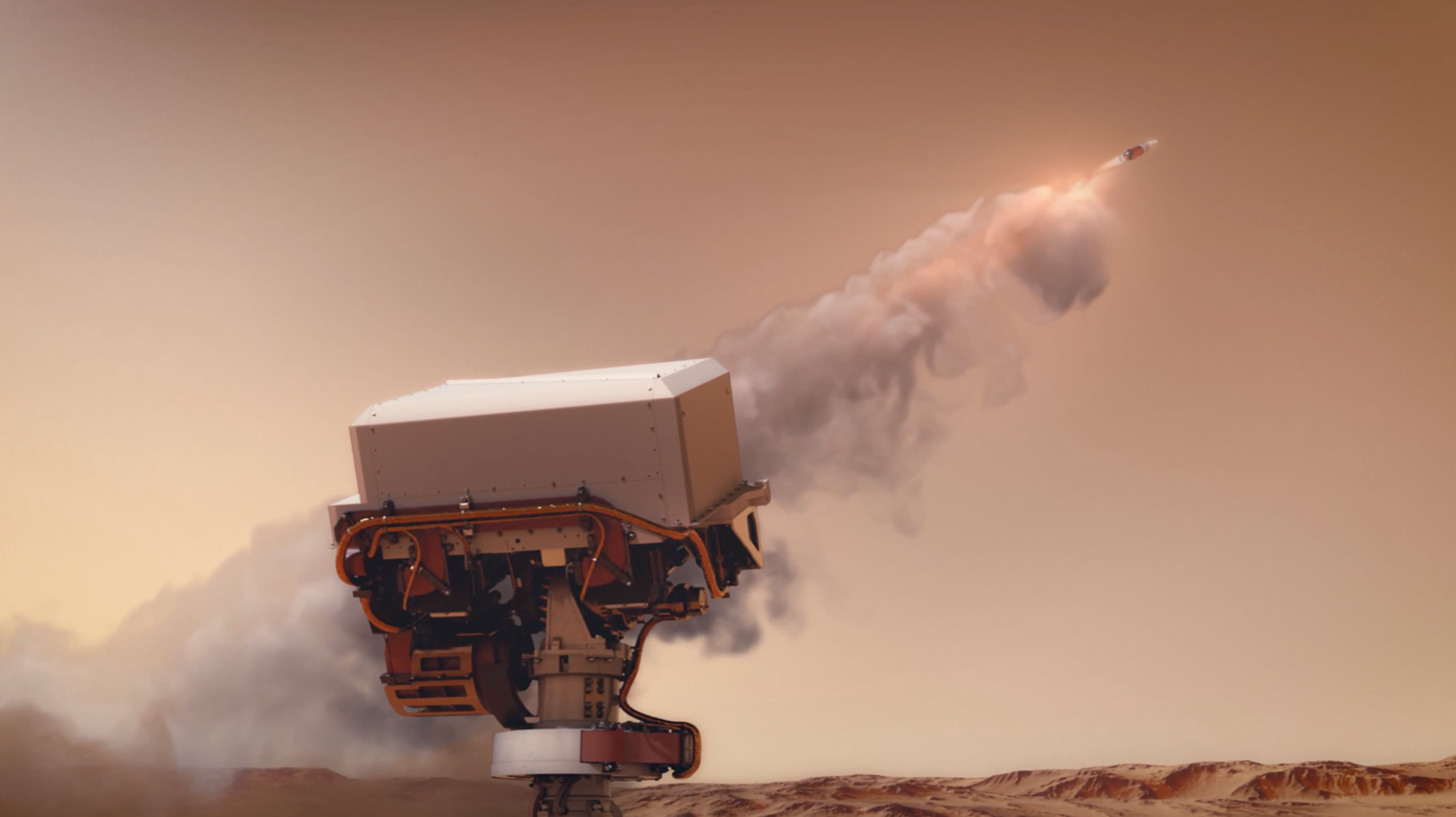
MARS SAMPLE RETURN | Future Mission
NASA and the ESA (European Space Agency) are planning ways to bring the first samples of Mars material back to Earth for detailed study.
Launch: TBD
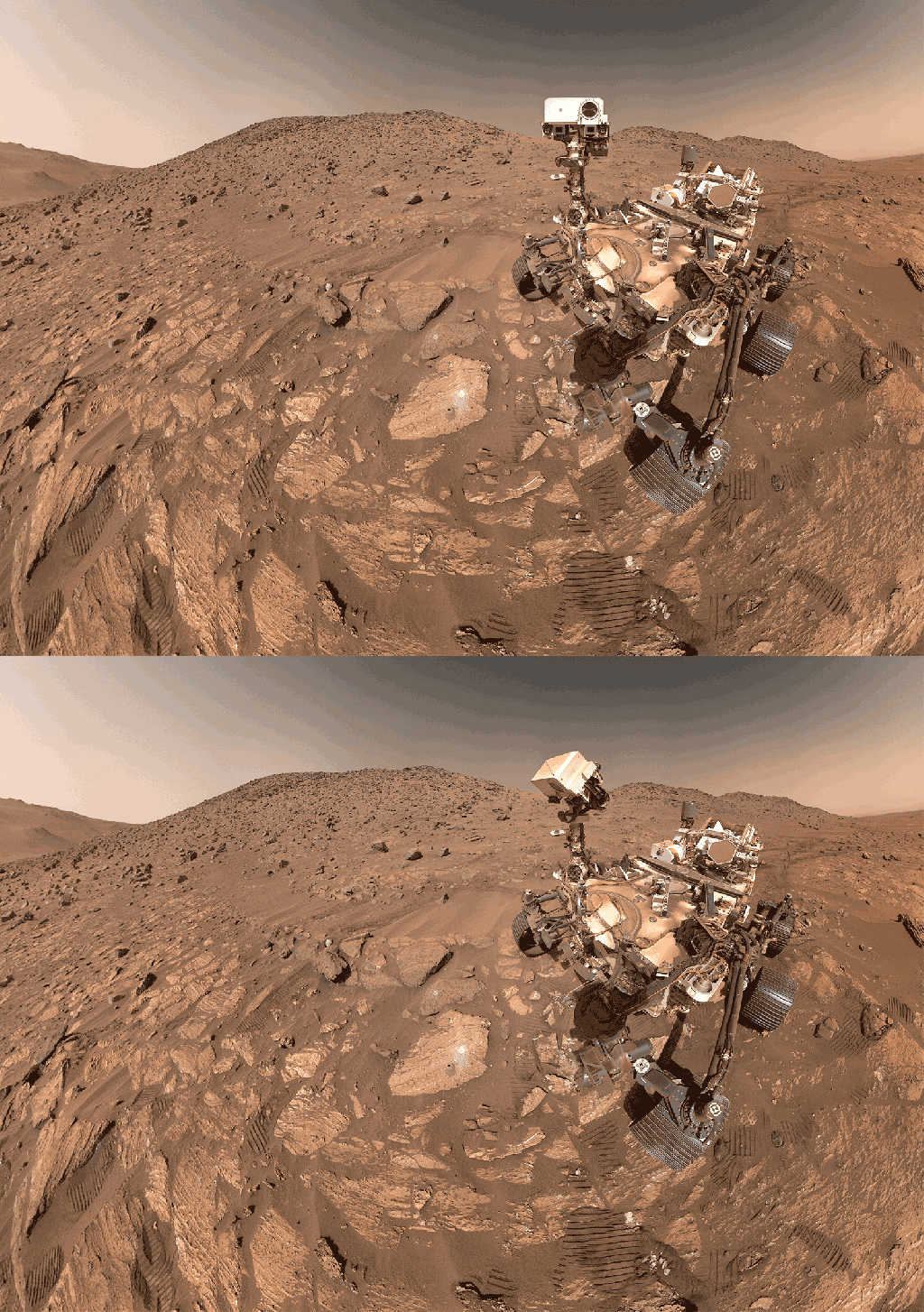
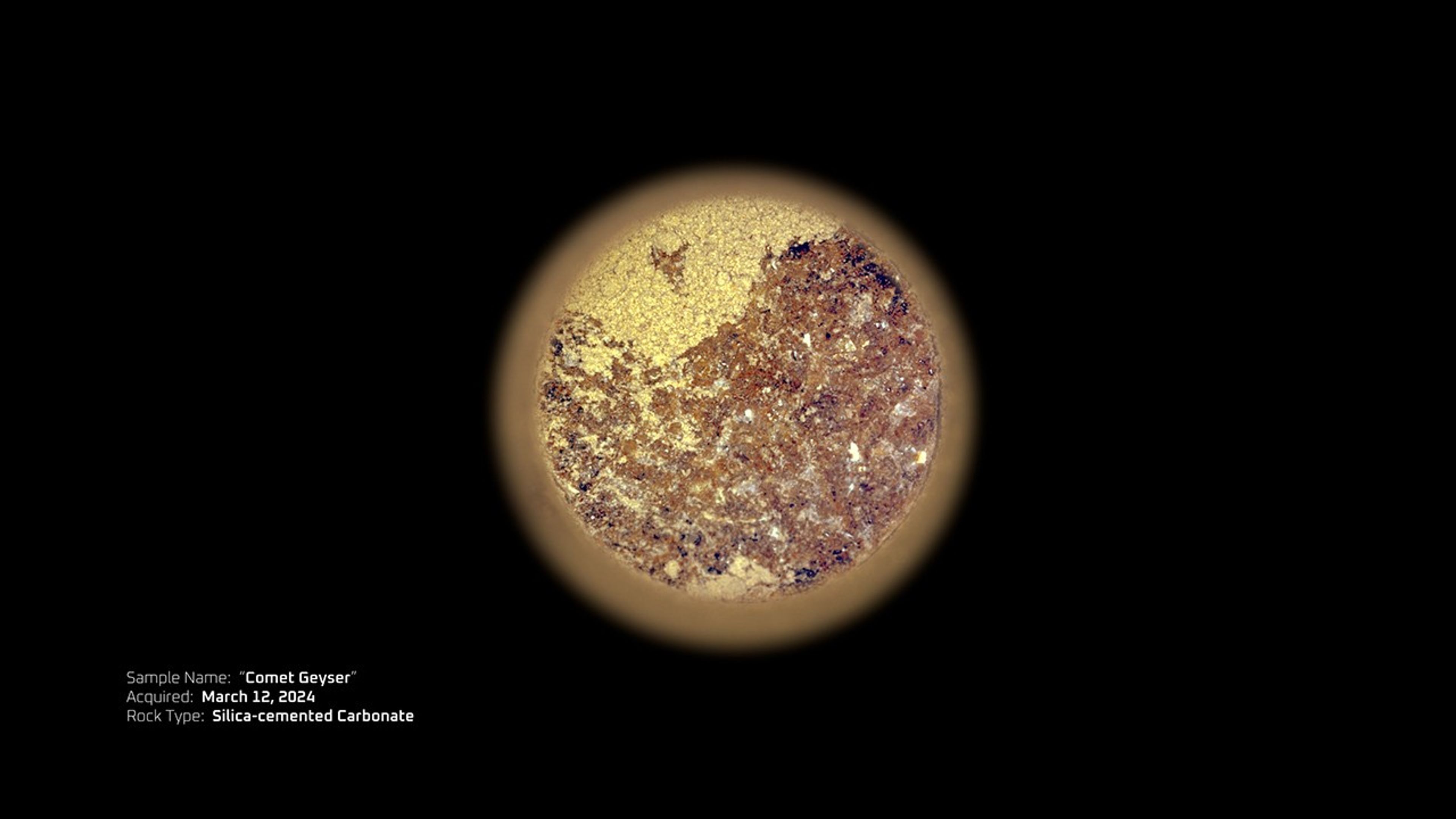
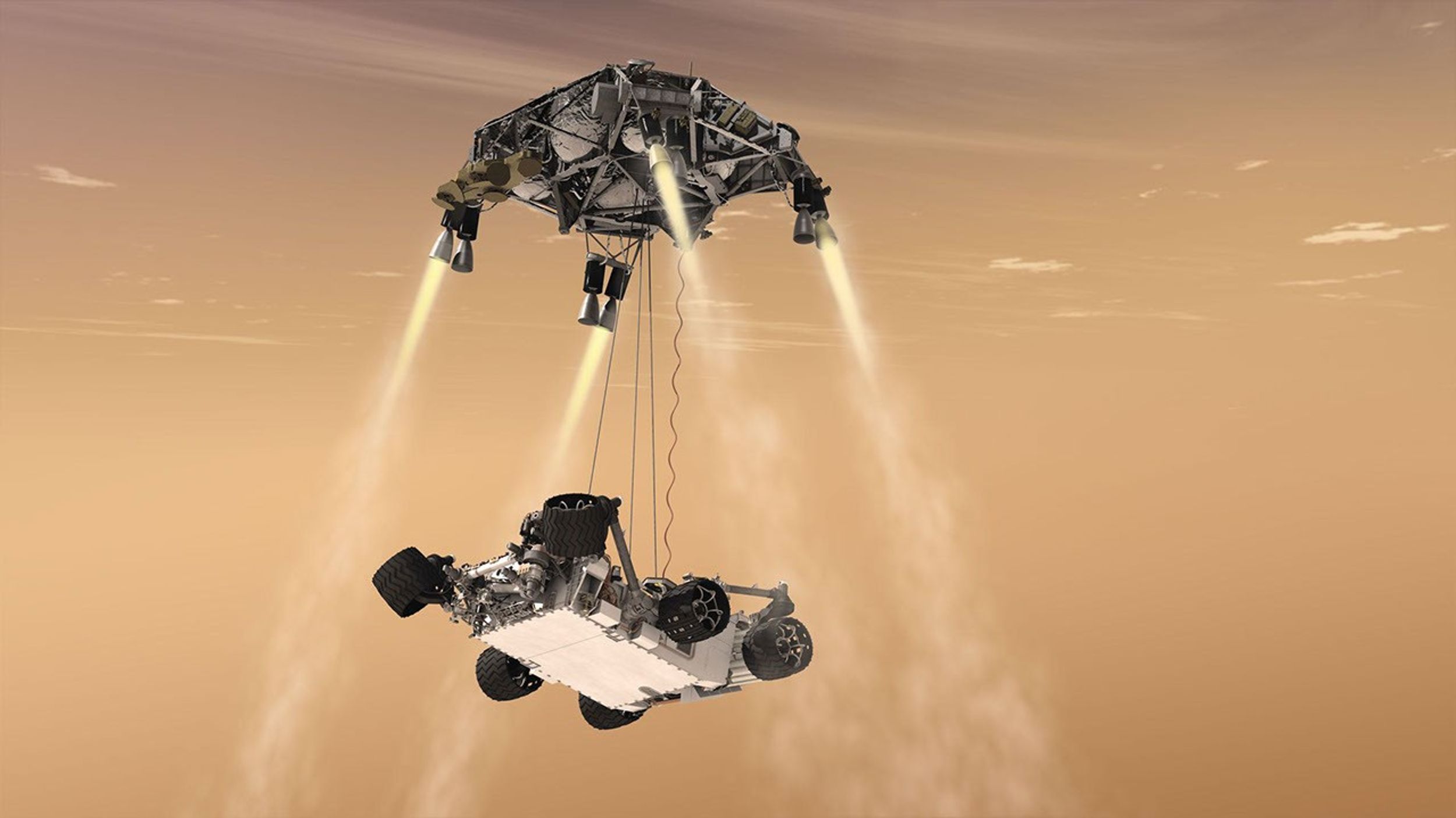
PERSEVERANCE MARS ROVER | Active Mission
The Mars 2020 mission Perseverance rover is the first step of a proposed roundtrip journey to return Mars samples to Earth.
Launch: July 30, 2020 | 11:50 UTC
Mars Landing: Feb. 18, 2021 | 20:55 UTC
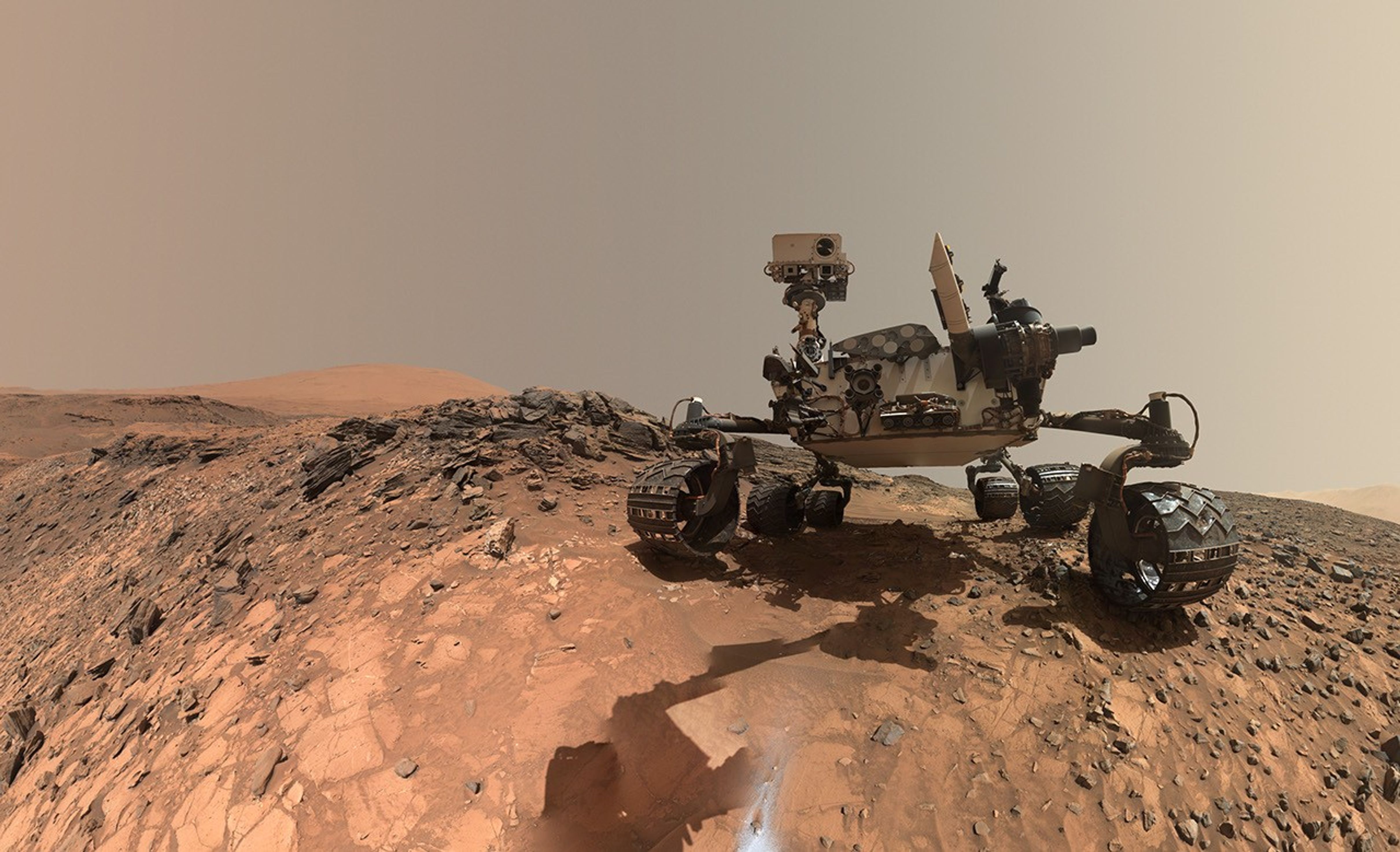
CURIOSITY MARS ROVER | Active Mission
Curiosity is investigating Mars to determine whether the Red Planet was ever habitable to microbial life.
Launch: Nov. 26, 2011 | 15:02 UTC
Mars Landing: Aug. 6, 2012 | 05:32 UTC
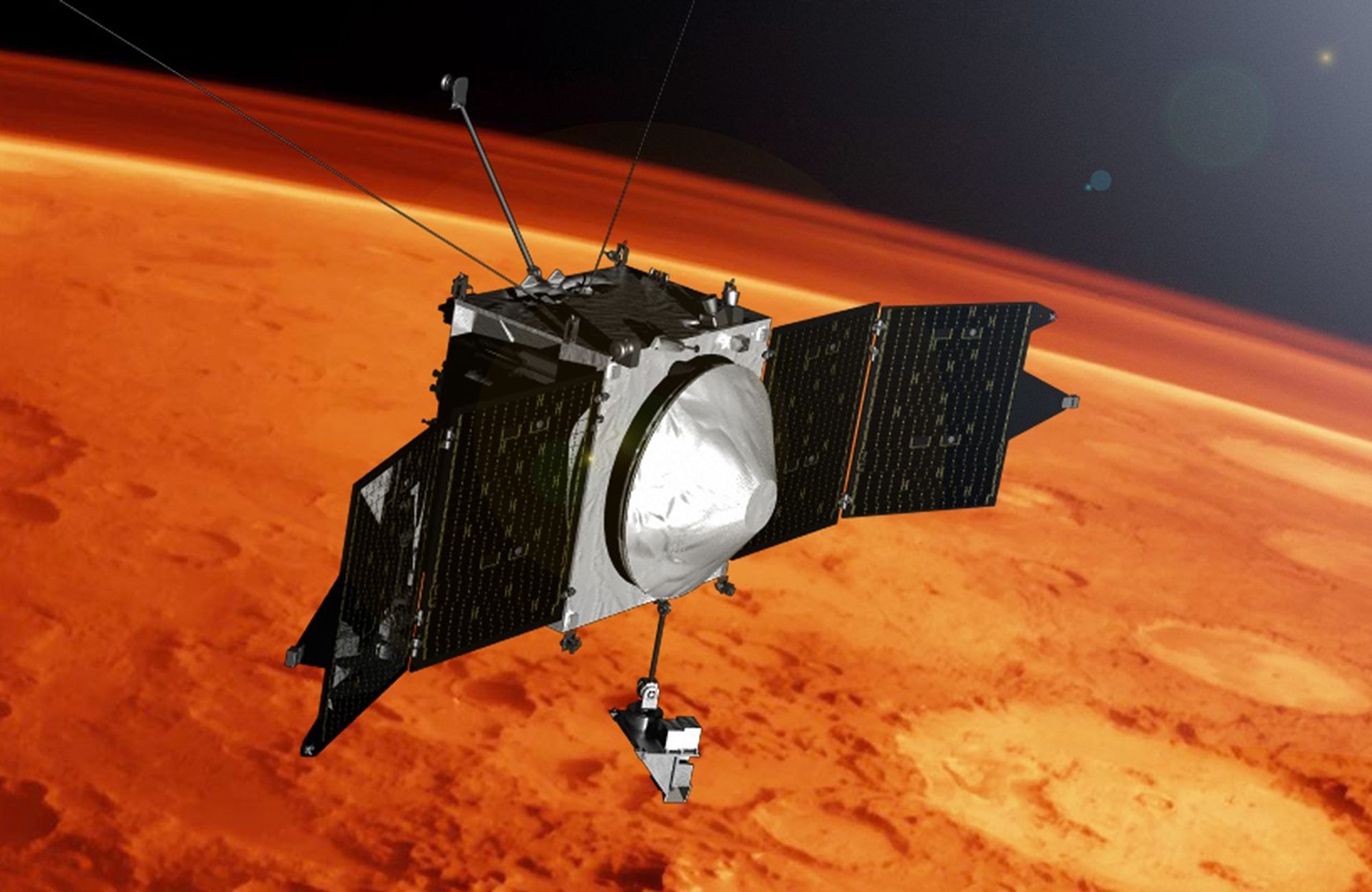
MAVEN | Active Mission
The Mars Atmosphere and Volatile EvolutioN (MAVEN) mission is the first mission devoted to understanding the Martian upper atmosphere.
Launch: Nov. 18. 2013 | 18:28 UTC
Mars Arrival: Sept. 22, 2014 | 02:24 UTC
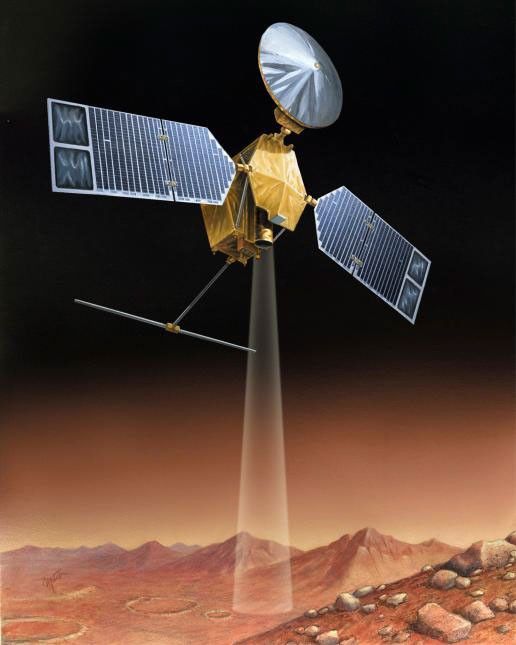
MARS RECONNAISSANCE ORBITER | Active Mission
Mars Reconnaissance Orbiter searches for evidence that water persisted on the surface of Mars for a long period of time.
Launch: Aug. 12, 2005
Mars Arrival: Mar. 10, 2006
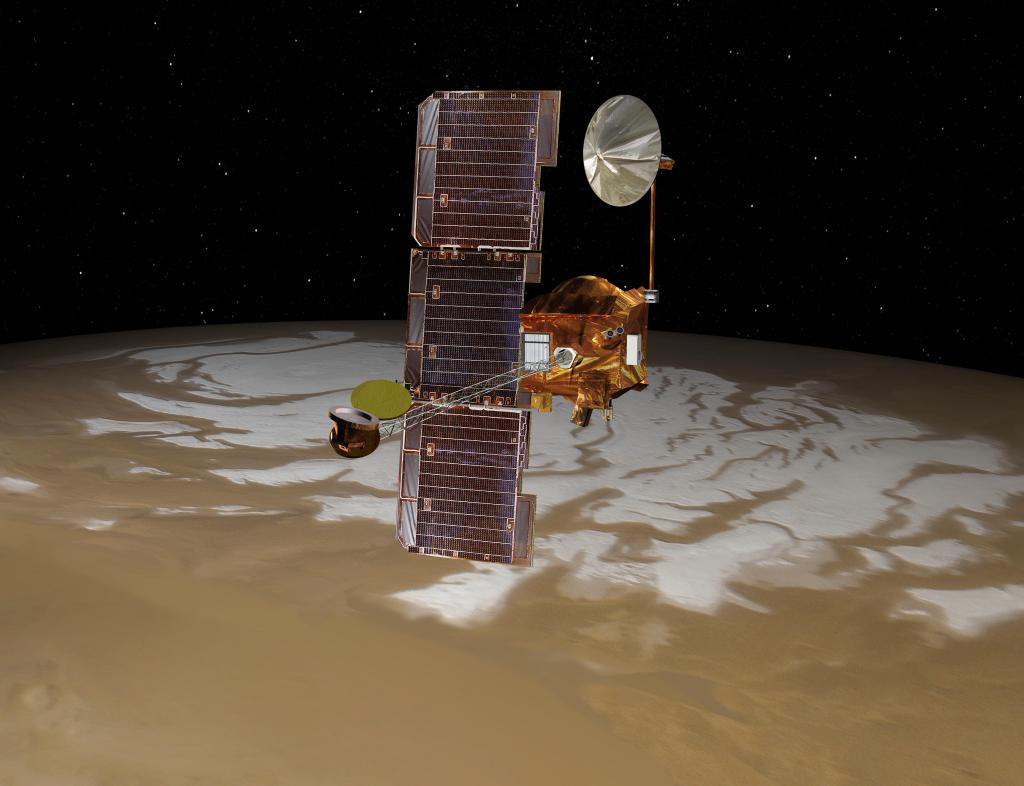
MARS ODYSSEY | Active Mission
Mars Odyssey mission created the first global map of chemical elements and minerals that make up the Martian surface.
Launch: April 7, 2001 | 15:02:22 UTC
Mars Arrival: Oct. 24, 2001
Meet the Mars Samples: Sapphire Canyon (Sample 25)
Meet the 25th Martian sample collected by NASA’s Mars Perseverance rover – “Sapphire Canyon” – a sample taken from a vein-filled rock named “Cheyava Falls.” The arrowhead-shaped rock contains compelling features that may help answer whether Mars was home to microscopic life in the distant past.
Learn More About 'Sapphire Canyon'NASA’s Mars Spacecraft Capture Images of Comet 3I/ATLAS
Two orbiters and a rover captured images of the interstellar object — from the closest location any of the agency’s…
Read the Story
Why Do We Go?
Mars is one of the most explored bodies in our solar system, and it's the only planet where we've sent rovers to explore the alien landscape. NASA missions have found lots of evidence that Mars was much wetter and warmer, with a thicker atmosphere, billions of years ago.
Explore Mars with Us about Why Do We Go?
Mars Relay Network: Communications Bridge Between Mars & Earth
Celebrating NASA’s Mars Reconnaissance Orbiter’s 20th Anniversary: Crater Near Sirenum Fossae
NASA’s Mars Reconnaissance Orbiter (MRO) captures a detailed view of a relatively fresh crater in this image released on June…
Read the Story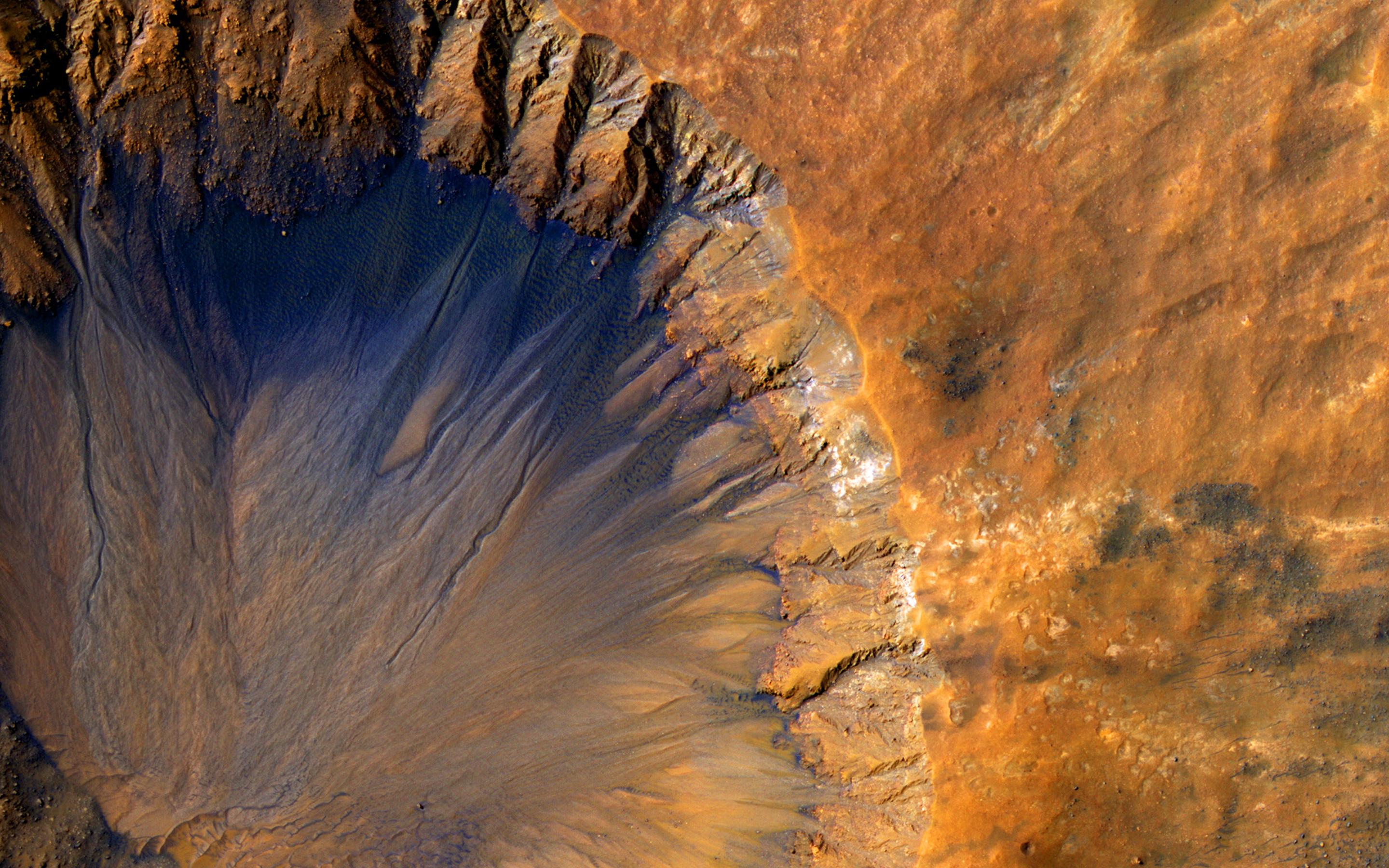
NASA Resumes Efforts to Reestablish Contact With MAVEN
As spacecraft and rovers at Mars emerge from solar conjunction — a period when the Red Planet and Earth are on opposite sides of the Sun and contact with Mars missions isn’t possible — NASA has resumed efforts to recontact its MAVEN (Mars Atmosphere and Volatile EvolutioN) spacecraft using NASA’s Deep Space Network and the U.S. National Science Foundation’s Green Bank Observatory. The spacecraft was last heard from on Dec. 6.
Read the Latest MAVEN News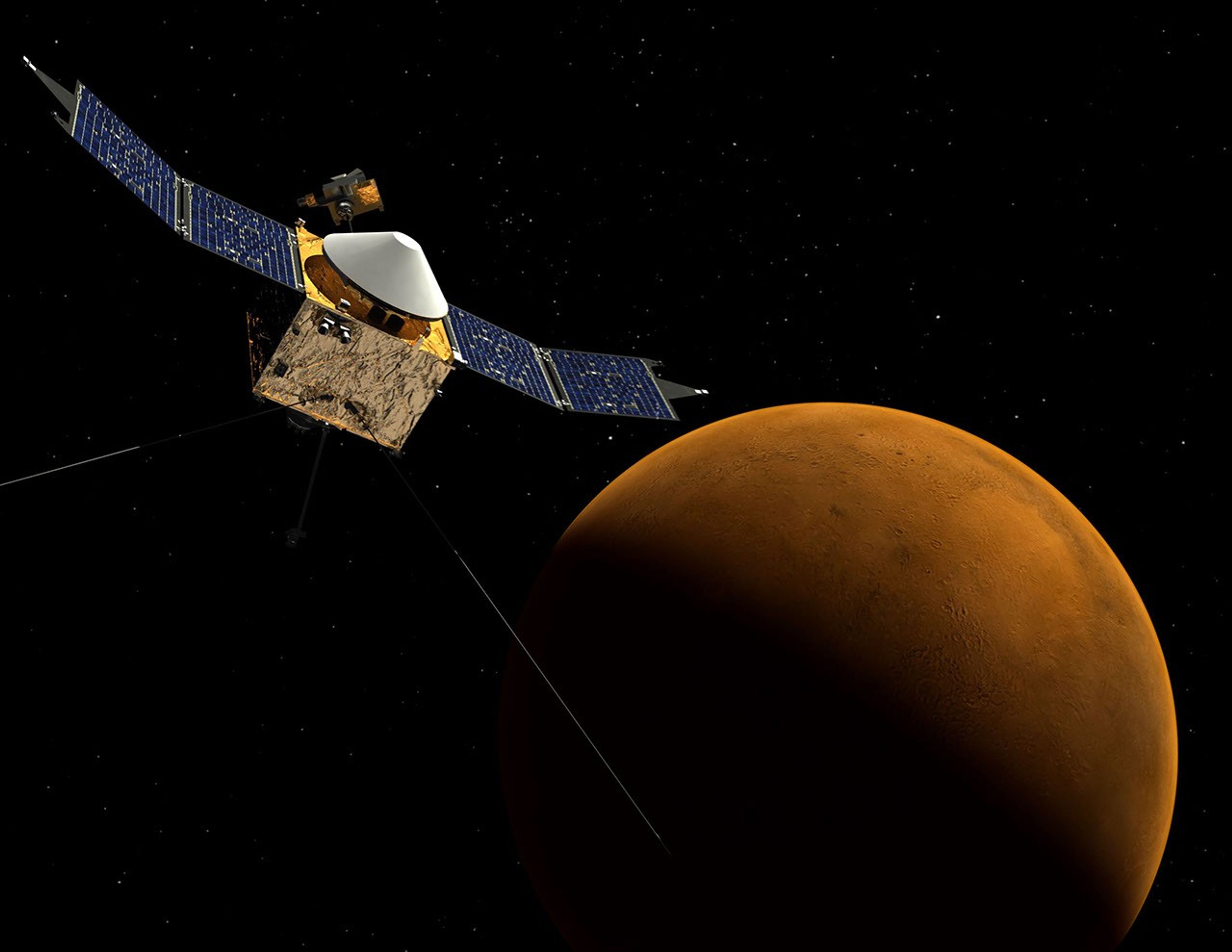
Mars Resources
View the one-stop shop for all Mars iconic images, videos, and more!
Explore All Mars Resources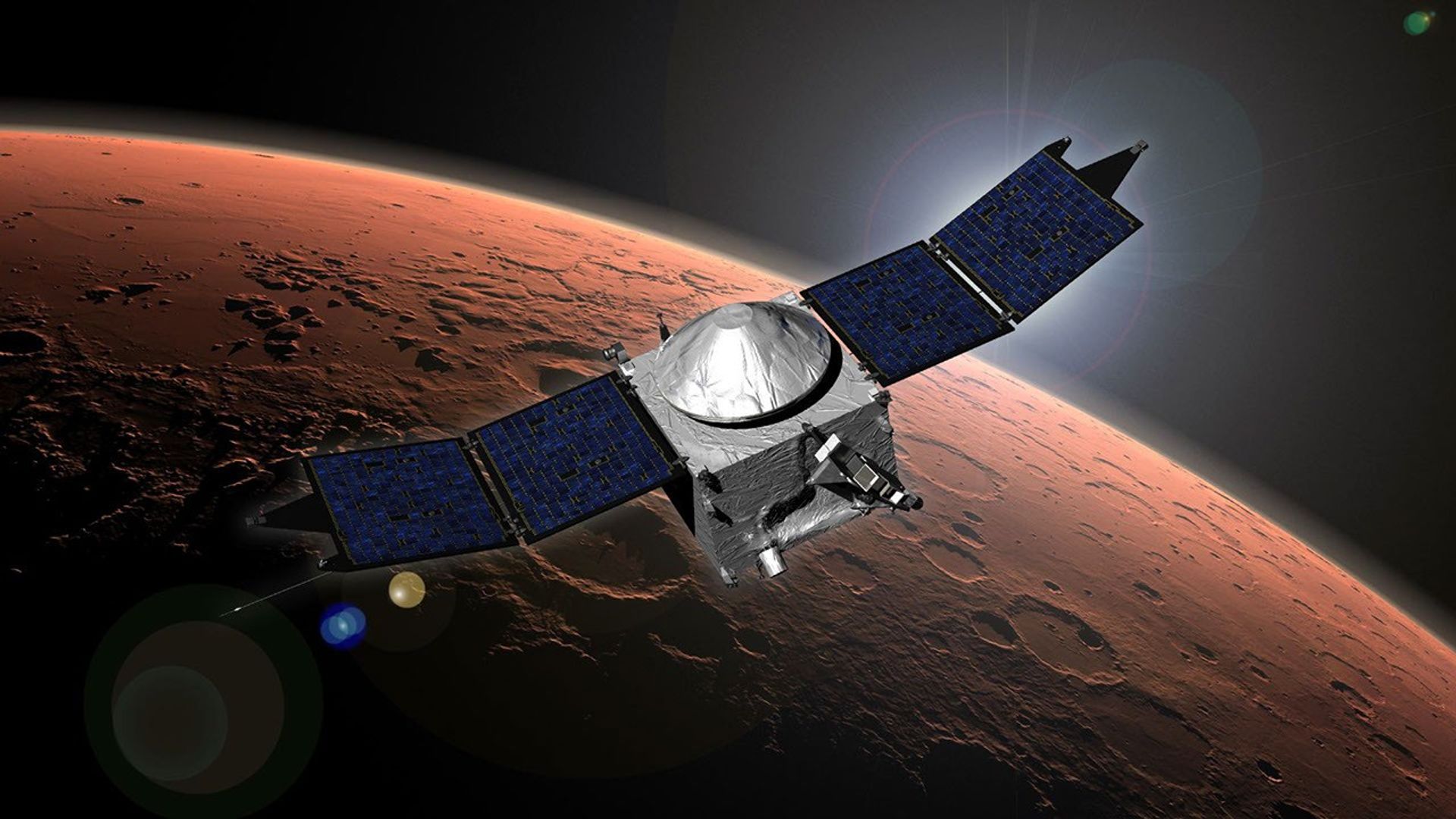

Beyond the Moon
Humans to Mars
Like the Moon, Mars is a rich destination for scientific discovery and a driver of technologies that will enable humans to travel and explore far from Earth.
Mars remains our horizon goal for human exploration because it is one of the only other places we know in the solar system where life may have existed. What we learn about the Red Planet will tell us more about our Earth’s past and future, and may help answer whether life exists beyond our home planet.
Learn More About Humans to Mars about Humans to Mars
Discover More Topics From NASA
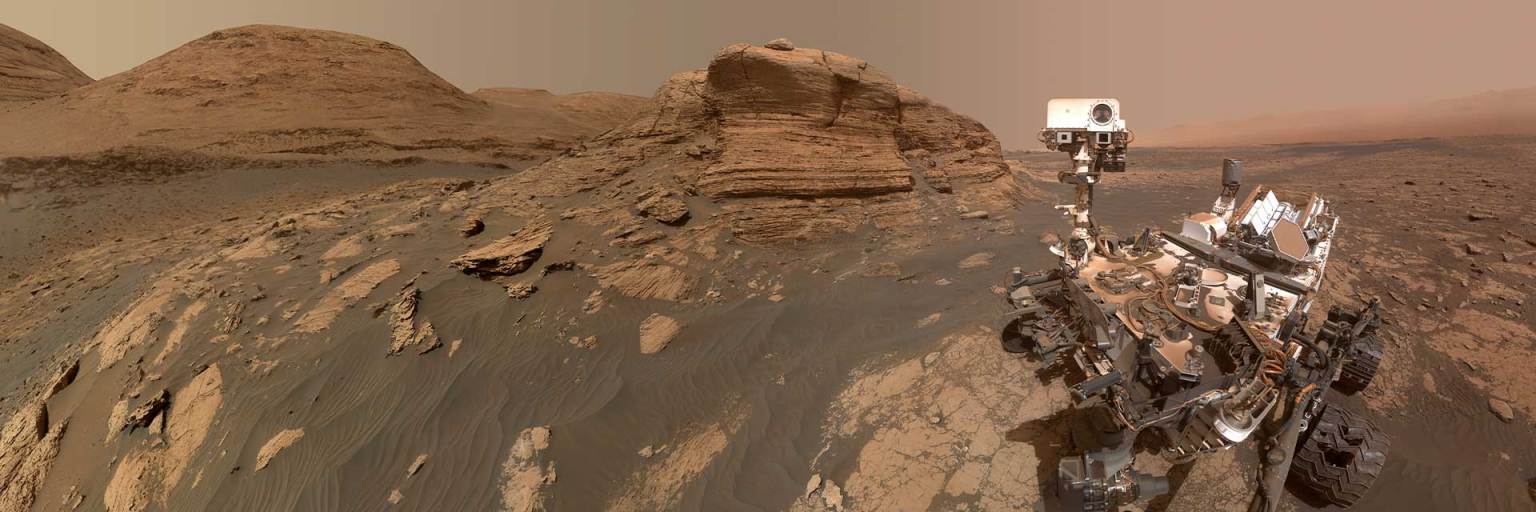
Mars Science Laboratory: Curiosity Rover
Part of NASA's Mars Science Laboratory mission, at the time of launch, Curiosity was the largest and most capable rover…
Mars 2020: Perseverance Rover
NASA’s Mars Perseverance rover seeks signs of ancient life and collects samples of rock and regolith for possible Earth return.

Mars Sample Return
Mars Sample Return would be NASA’s most ambitious, multi-mission campaign that would bring carefully selected Martian samples to Earth for…
Mars Exploration
Mars is the only planet we know of inhabited entirely by robots. Learn more about the Mars Missions.