


















Cold Atom Laboratory
CAL
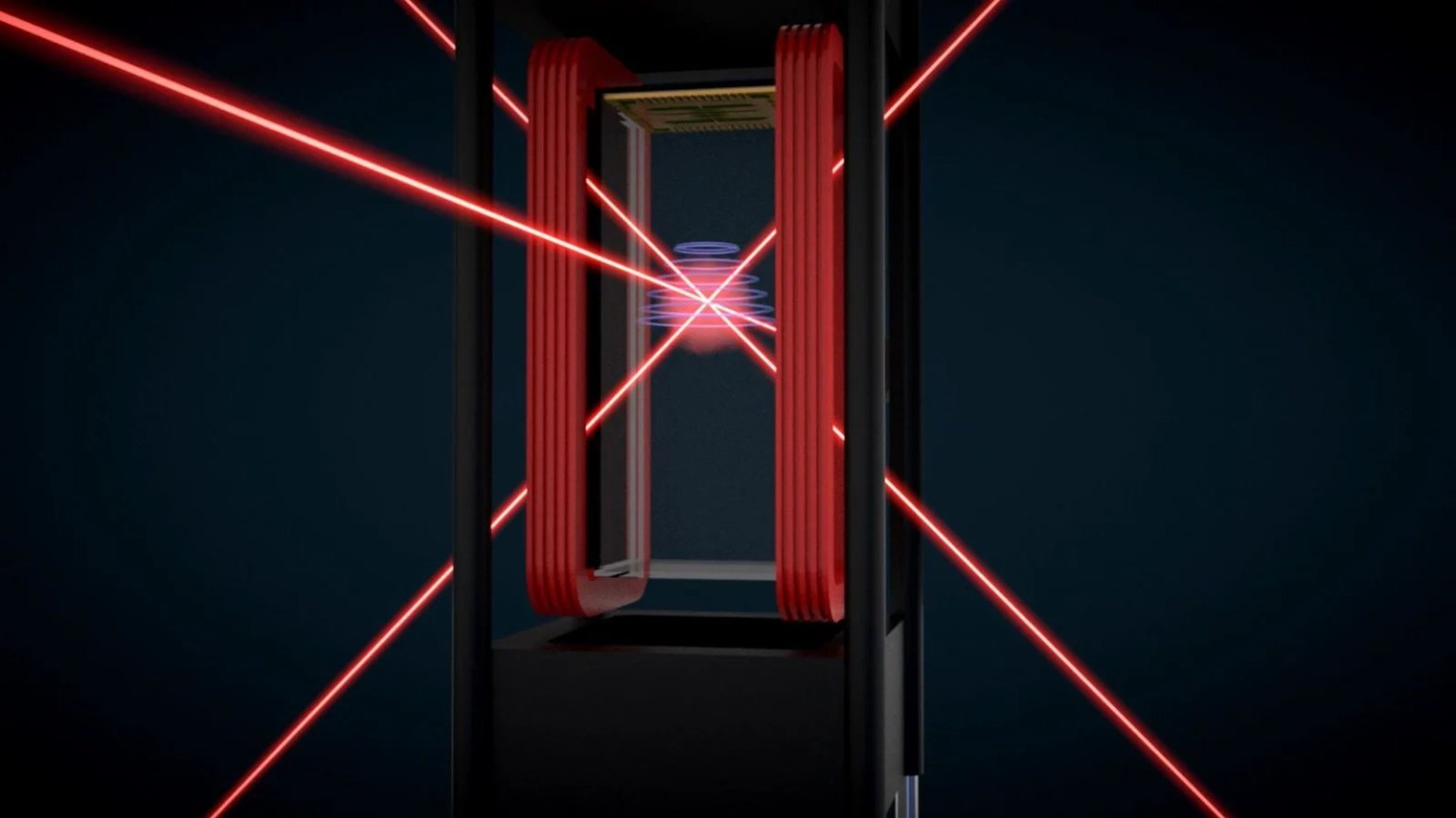
The Cold Atom Lab is a facility for the study of ultra-cold quantum gases in the microgravity environment of the International Space Station (ISS). It enables research in a temperature regime and force free environment that is inaccessible to terrestrial laboratories.
Type
Launch
Location
Objective
About the mission
The Cold Atom Laboratory launched to the International Space Station in May 2018 and was installed a few months later. The facility uses lasers to cool atoms down to less than a degree above absolute zero. When clouds of atoms reach these ultracold temperatures they may form a fifth state of matter called a Bose-Einstein Condensate (BEC). Distinct from gasses, liquids, solids and plasmas, a BEC makes the quantum properties of atoms macroscopic, so scientists can more easily observe them. Cold Atom Lab produced the first BECs in Earth orbit.
Multiple groups are conducting experiments inside Cold Atom Lab, which is operated completely remotely from NASA's Jet Propulsion Laboratory. The primary goal of Cold Atom Lab is to utilize the microgravity environment to open up new avenues of fundamental research into the nature of atoms and quantum science. Many technologies that impact our everyday lives are based on quantum phenomena, including transistors and microchips.
Discover More Topics From NASA
James Webb Space Telescope
Webb is the premier observatory of the next decade, serving thousands of astronomers worldwide. It studies every phase in the…

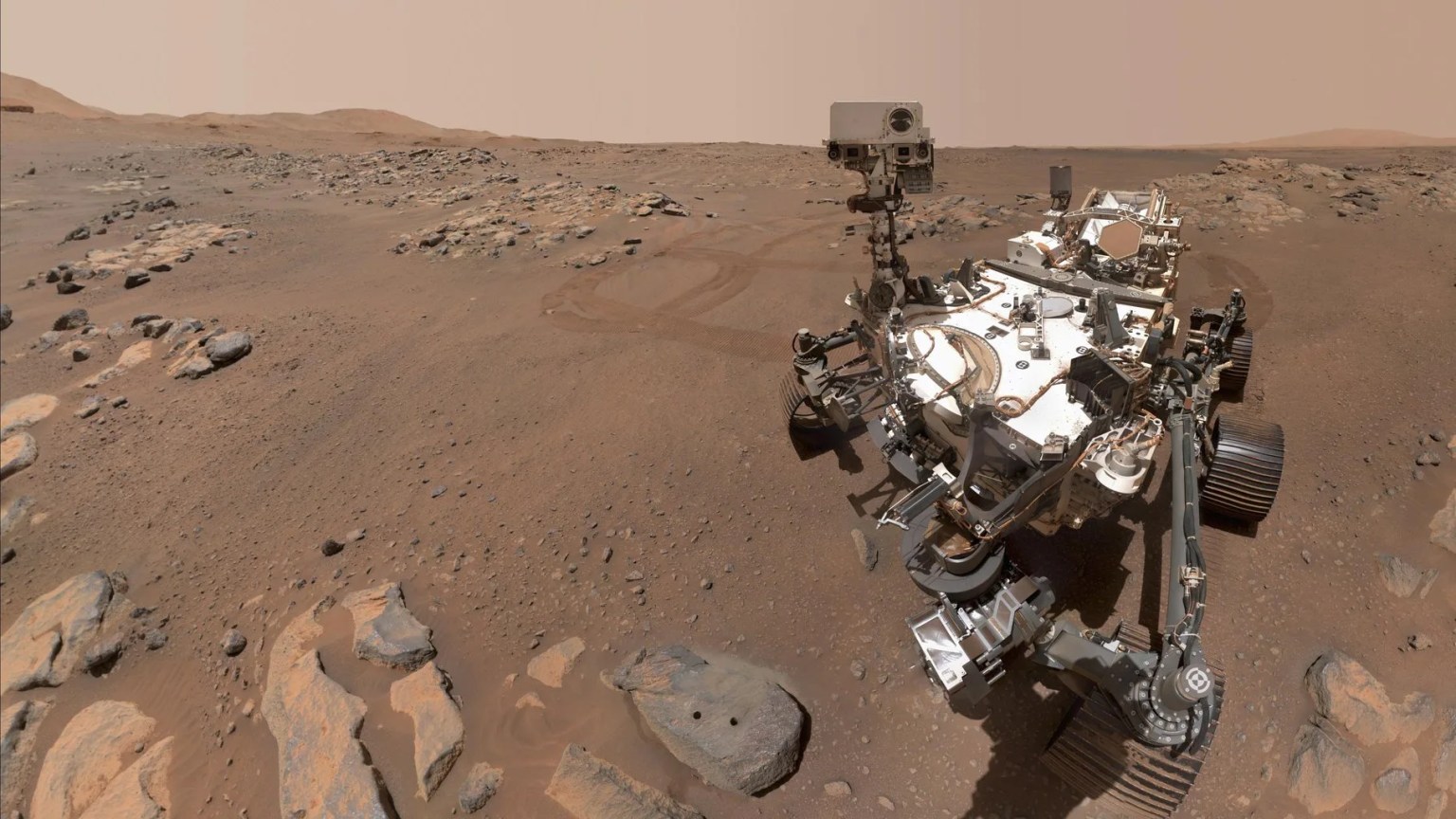
Perseverance Rover
This rover and its aerial sidekick were assigned to study the geology of Mars and seek signs of ancient microbial…
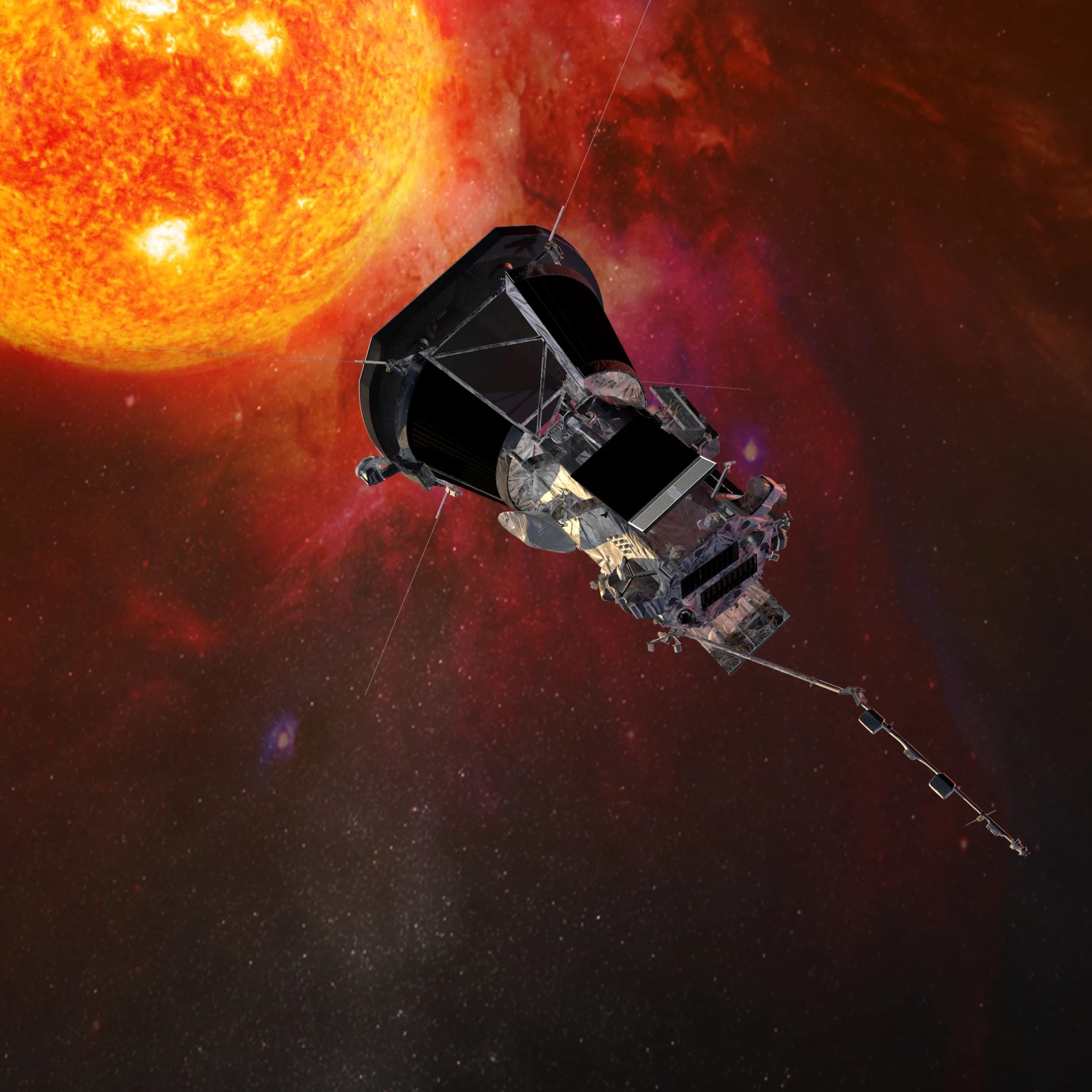
Parker Solar Probe
On a mission to “touch the Sun,” NASA's Parker Solar Probe became the first spacecraft to fly through the corona…
Juno
NASA’s Juno spacecraft entered orbit around Jupiter in 2016, the first explorer to peer below the planet's dense clouds to…