


























Hubble's Messier Catalog
The objects in Charles Messier’s catalog are nice targets for backyard astronomers with a pair of binoculars or a small telescope and a relatively dark sky.
Quick Facts
Hubble imaged 87 of the 110 objects in Charles Messier's catalog.
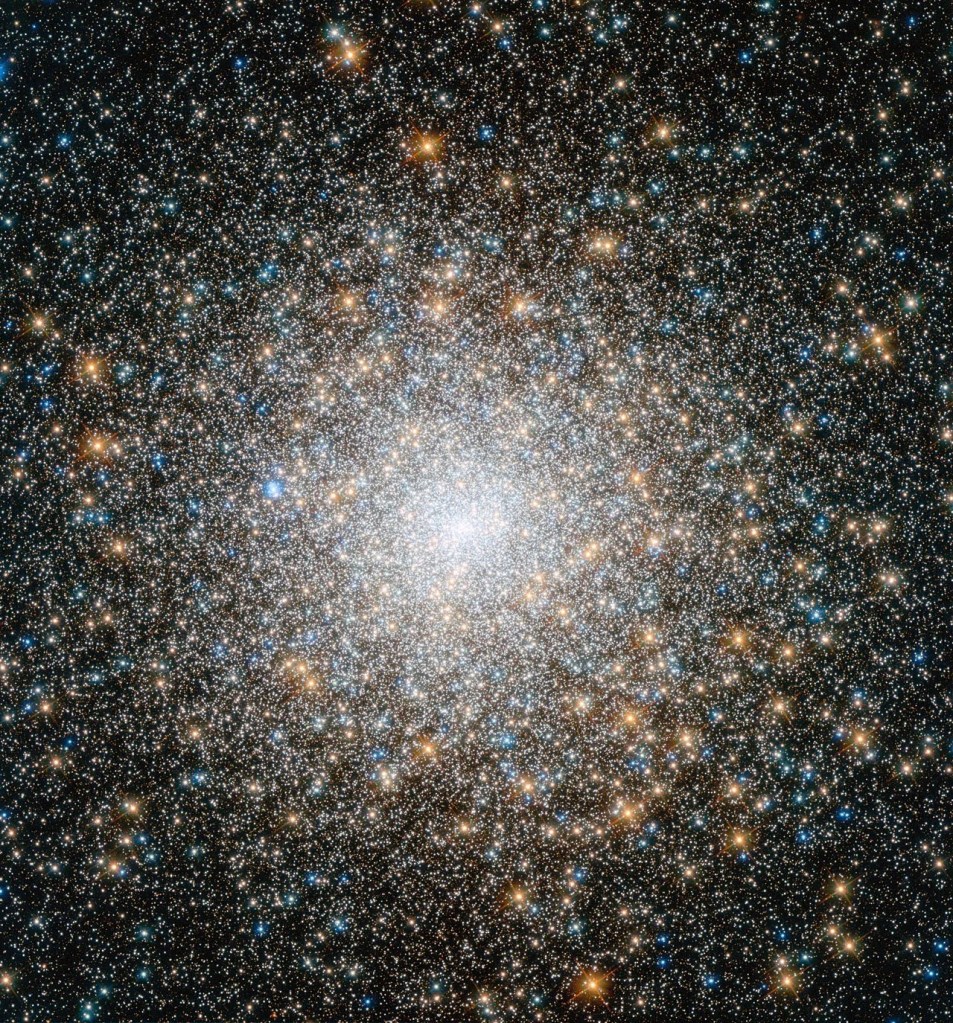
Hubble resolves exquisite detail and individual stars in the globular cluster, Messier 15.
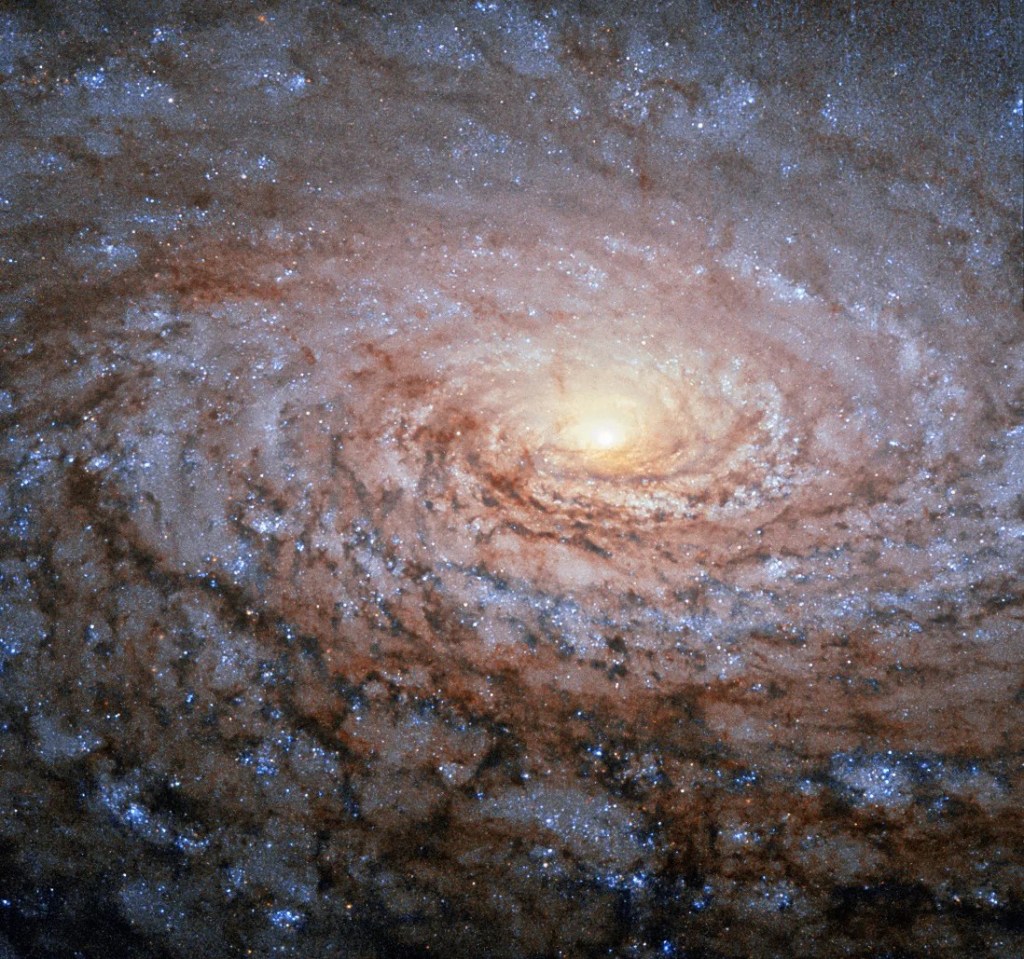
Hubble captured the dark dust lanes and bright, young, blue stars in the spiral galaxy, Messier 63.
Overview
The Messier catalog, begun by astronomer Charles Messier in the 18th Century and revised over the years, includes some of the most fascinating astronomical objects that can be observed from Earth’s Northern Hemisphere. Among them are deep-sky objects that can be viewed in stunning detail using larger telescopes but are also bright enough to be seen through a small telescope. This characteristic makes Messier objects extremely popular targets for amateur astronomers possessing all levels of experience and equipment. They are so popular, in fact, that they have inspired a special award from the Astronomical League (an organization for amateur astronomers) given to observers who are able to spot each of these objects. Those who succeed receive a certificate and are given the distinction of being in the Messier Club.

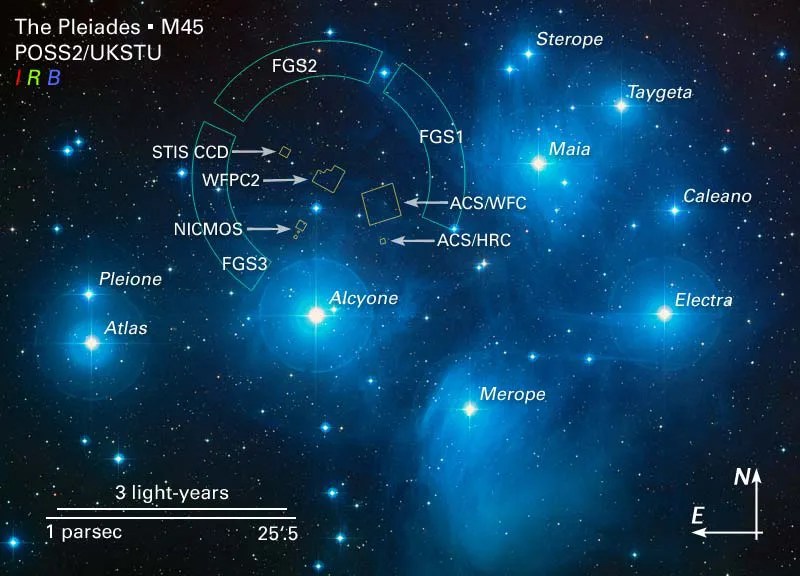
As of June 2018, Hubble has observed 96 of the 110 objects in Charles Messier's catalog. Of those observations, 89 were processed into the images below. Some of Hubble's photographs offer views of a given object in its entirety, but many focus on specific areas of interest. While Hubble is able to magnify objects very effectively, it has a relatively small field of view. This means, in some cases, Hubble would need to take many exposures to capture an entire object. Although this is not always an efficient use of its time, as is the case for the widely spaced “open” star clusters in the Messier catalog, many exposures are taken when the scientific value justifies the time spent. One of these objects is the Andromeda galaxy (designated M31 in Messier’s catalog). In order to create a mosaic image of Andromeda, Hubble took thousands exposures of the galaxy over more than ten years
Unlike a digital camera that takes a single photograph in red, green, and blue light to create a single full-color image, Hubble takes monochrome images at specific wavelengths of light. These specific wavelengths reveal characteristics of an object that are of scientific interest, such as the presence of a particular chemical element. Astronomers and image processors combine multiple observations at different wavelengths to form a single image that reveals all of these characteristics at once but doesn’t necessarily contain the full spectrum of visible light. In those cases, image processors assign colors to each wavelength according to their chromatic order that highlights the object's different characteristics, offering us a deeper understanding of its properties.
Additionally, Hubble is equipped to take infrared and ultraviolet images, which can reveal information that astronomers cannot obtain using only visible light. Because the human eye is not sensitive to infrared and ultraviolet light, these observations are processed in a way that makes them meaningful to observers. This is done by assigning colors that humans can perceive to the wavelengths that they cannot.
Whether their tool of choice is a sophisticated ground-based telescope, a decent pair of binoculars, or simply their naked eyes, observers hunting for Messier objects can use the data gathered from Hubble’s spectacular images to deepen their understanding of these 110 highlights of the night sky as they carry on the tradition of amateur astronomy.
The following pages contain some of the best images from Hubble’s Messier catalog taken thus far.
History
Charles Messier
Charles Messier (1730–1817) was a French astronomer best known for his "Catalog of Nebulae and Star Clusters."
An avid comet-hunter, Messier compiled a catalog of deep-sky objects in order to help prevent other comet enthusiasts from wasting their time studying objects that were not comets.
Read more about Charles Messier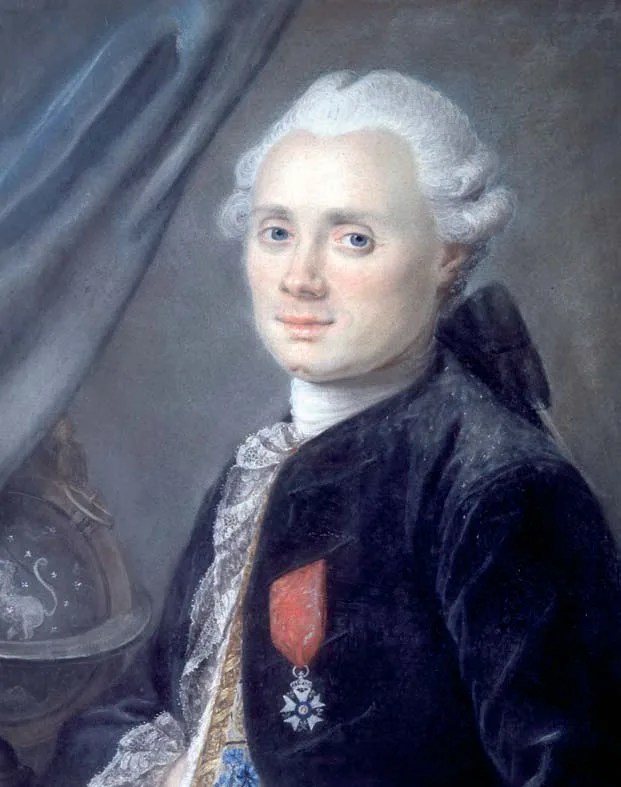
Hubble's Messier Catalog
Use Hubble's images to help guide your exploration of the Messier catalog.

Overview The Messier catalog, begun by astronomer Charles Messier in the 18th Century and revised over the years, includes some…
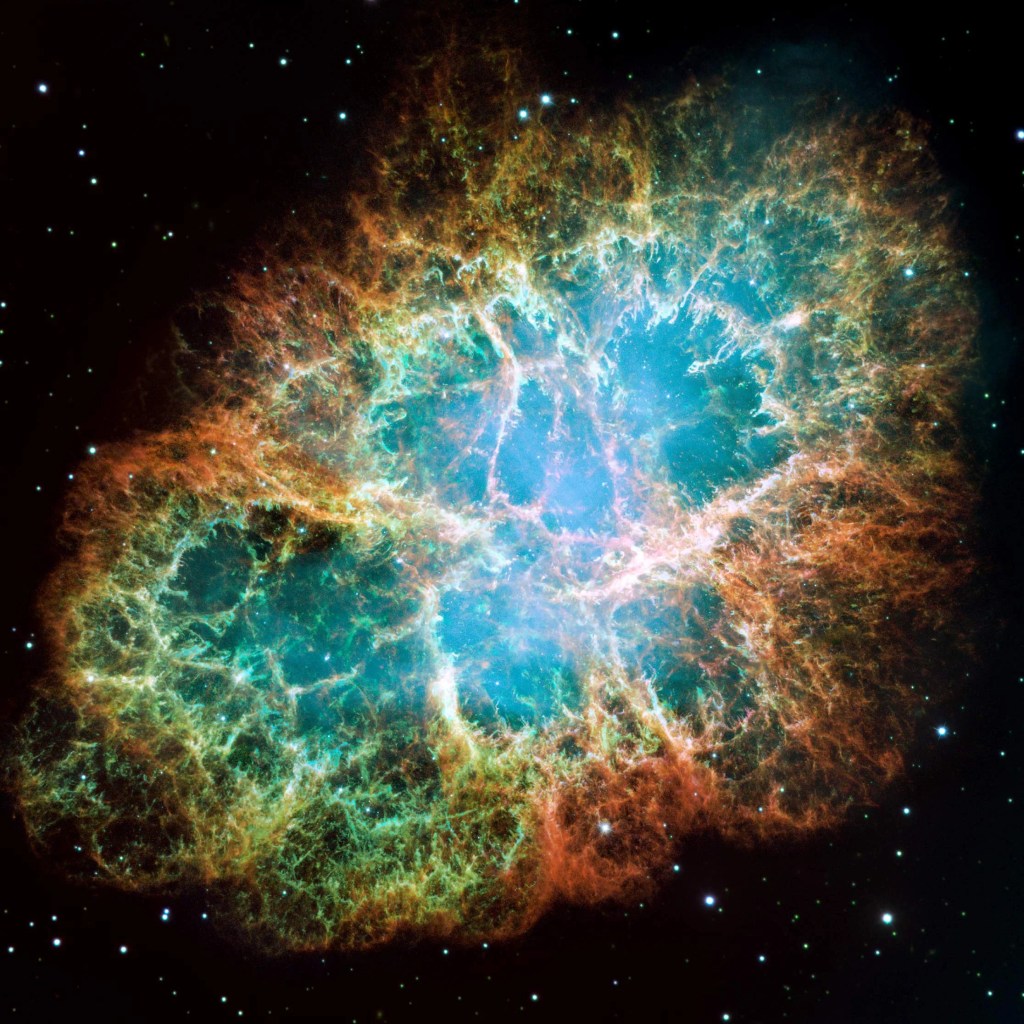
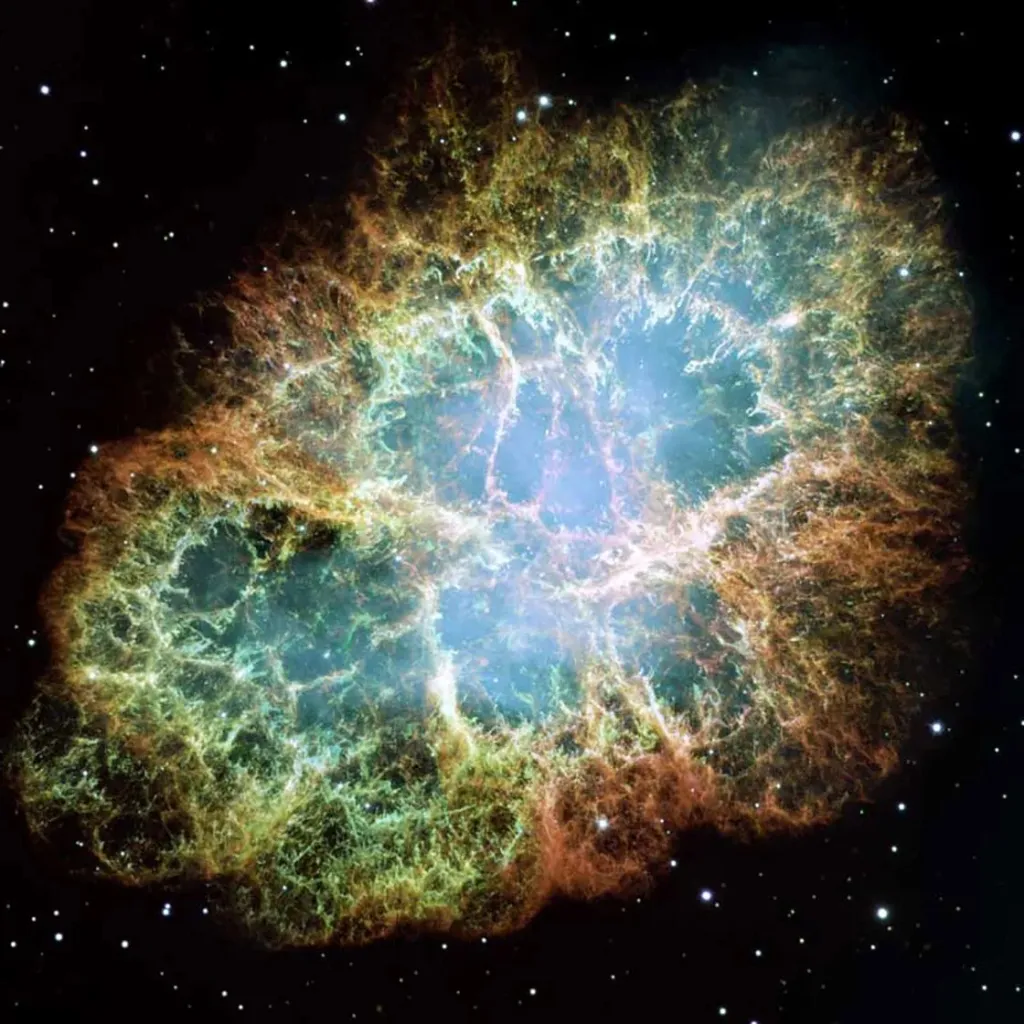
Better known as the Crab Nebula, Charles Messier originally mistook Messier 1 for Halley’s Comet, which inspired him to create…
Do NASA Science with Galaxy Zoo!
-
Join NASA researchers and help discover the secrets of the universe.
NASA invites people of all ages and backgrounds to participate in authentic NASA research via "citizen science" or "participatory science" projects, where volunteers and amateurs have helped make thousands of important scientific discoveries! As a part of the Galaxy Zoo project, you can help classify the latest images of galaxies from NASA's Webb telescope.