IMAGE
Imager for Magnetopause-to-Aurora Global Exploration
Type
Launch
Target
Objective

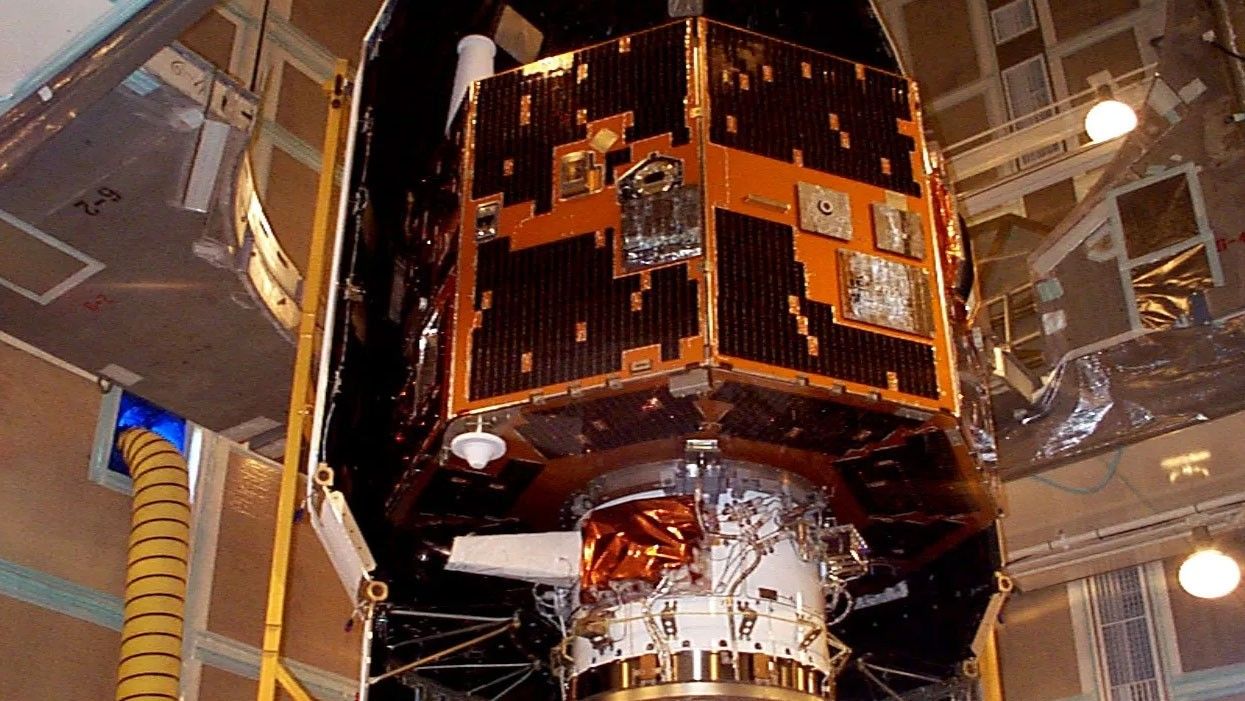
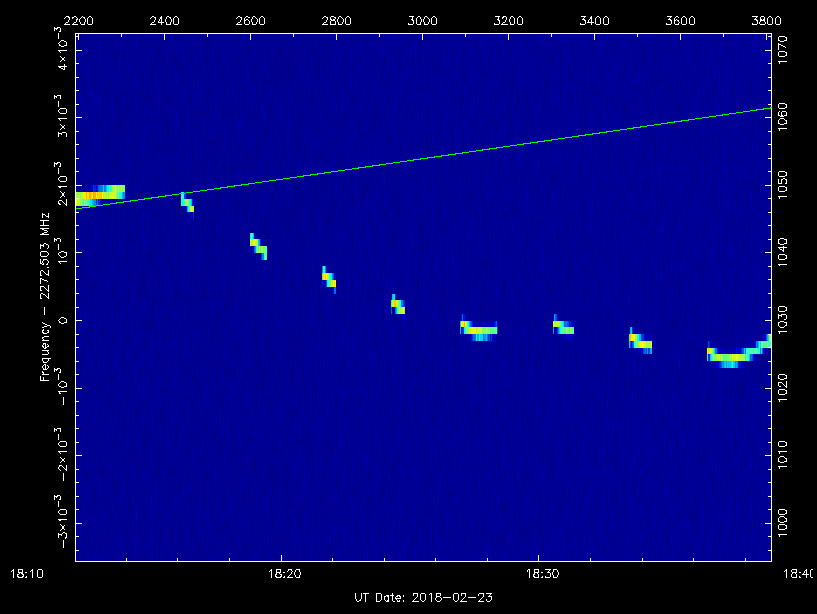
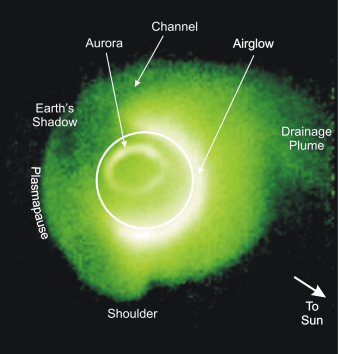
The Imager for Magnetopause-to-Aurora Global Exploration, or IMAGE, studied the response of Earth’s global magnetic environment — the magnetosphere — to changes in the Sun’s constant outflow of material in all directions, called the solar wind. Changes in this flow of material, which contains frozen-in magnetic fields, can set off a chain reaction in Earth’s magnetosphere that can lead to everything from auroras to disrupted power grids in the most extreme cases. IMAGE tracked these changes by quantifying neutral particles, as well as imaging the magnetosphere in radio and ultraviolet wavelengths of light. Before IMAGE, Earth’s magnetosphere was typically characterized by direct measurements of local particle flux and electric and magnetic fields. IMAGE collected most of its data remotely, making it the first mission dedicated to this type of study of Earth’s magnetosphere.
Top of Page | Back to Missions
Discover More Topics From NASA
James Webb Space Telescope
Webb is the premier observatory of the next decade, serving thousands of astronomers worldwide. It studies every phase in the…
Perseverance Rover
This rover and its aerial sidekick were assigned to study the geology of Mars and seek signs of ancient microbial…
Parker Solar Probe
On a mission to “touch the Sun,” NASA's Parker Solar Probe became the first spacecraft to fly through the corona…
Juno
NASA’s Juno spacecraft entered orbit around Jupiter in 2016, the first explorer to peer below the planet's dense clouds to…