














Surveyor Model 1
Type
Launch
Target
Objective
What was Surveyor Model 1?
This mission was NASA's second attempt to simulate sending a lunar lander into orbit. All systems worked without fault.
| Nation | United States of America (USA) |
| Objective(s) | Highly Elliptical Orbit |
| Spacecraft | SD-2 |
| Spacecraft Mass | 2,090 pounds ( 950 kilograms) |
| Mission Design and Management | NASA / JPL |
| Launch Vehicle | Atlas Centaur (AC-6 / Atlas D no. 151D / Centaur D) |
| Launch Date and Time | Aug. 11, 1965 / 14:31:04 UT |
| Launch Site | Cape Canaveral, Fla. / Launch Complex 36B |
| Scientific Instruments | None |
Key Dates
Aug. 11, 1965: Launch
Sept. 11, 1965: Spacecraft reentered Earth's atmosphere
In Depth: Surveyor Model 1
This was the second attempt by NASA to launch a dummy Surveyor lunar lander spacecraft into a barycentric orbit toward a simulated Moon landing. Unlike the previous attempt in March 1965, this time all systems worked without fault.
The Centaur fired flawlessly and put the Surveyor dynamic model on a simulated lunar trajectory so precise that it would have impacted on the Moon without a trajectory correction.
Orbital parameters were 102 x 510,900 miles (164 × 822,135 kilometers) at 28.6-degree inclination. The payload reentered Earth's atmosphere after 31 days.
Key Source
Siddiqi, Asif A. Beyond Earth: A Chronicle of Deep Space Exploration, 1958-2016. NASA History Program Office, 2018.
Latest News

Discover More Topics From NASA
James Webb Space Telescope
Webb is the premier observatory of the next decade, serving thousands of astronomers worldwide. It studies every phase in the…
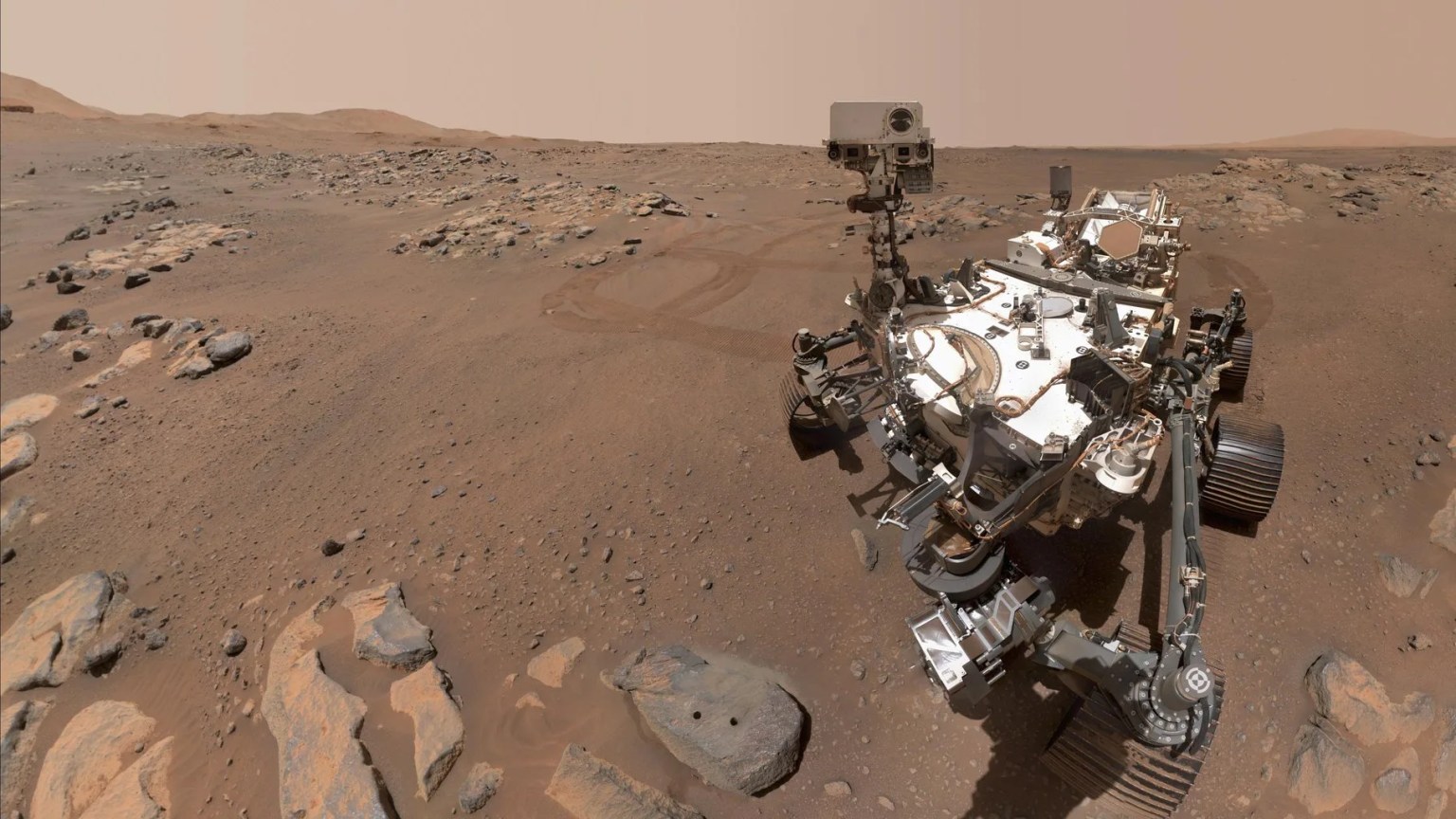
Perseverance Rover
This rover and its aerial sidekick were assigned to study the geology of Mars and seek signs of ancient microbial…
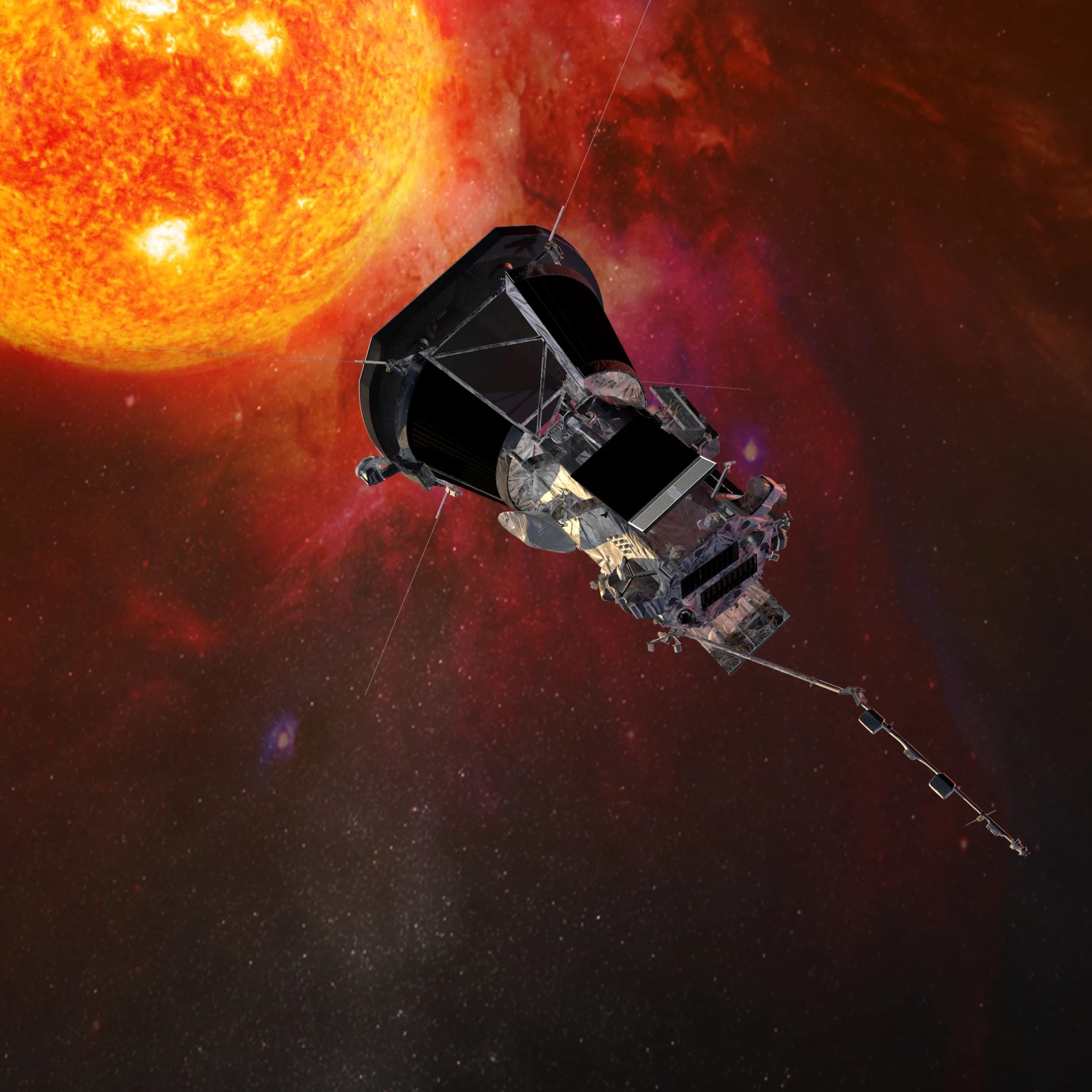
Parker Solar Probe
On a mission to “touch the Sun,” NASA's Parker Solar Probe became the first spacecraft to fly through the corona…
Juno
NASA’s Juno spacecraft entered orbit around Jupiter in 2016, the first explorer to peer below the planet's dense clouds to…