














MAVEN
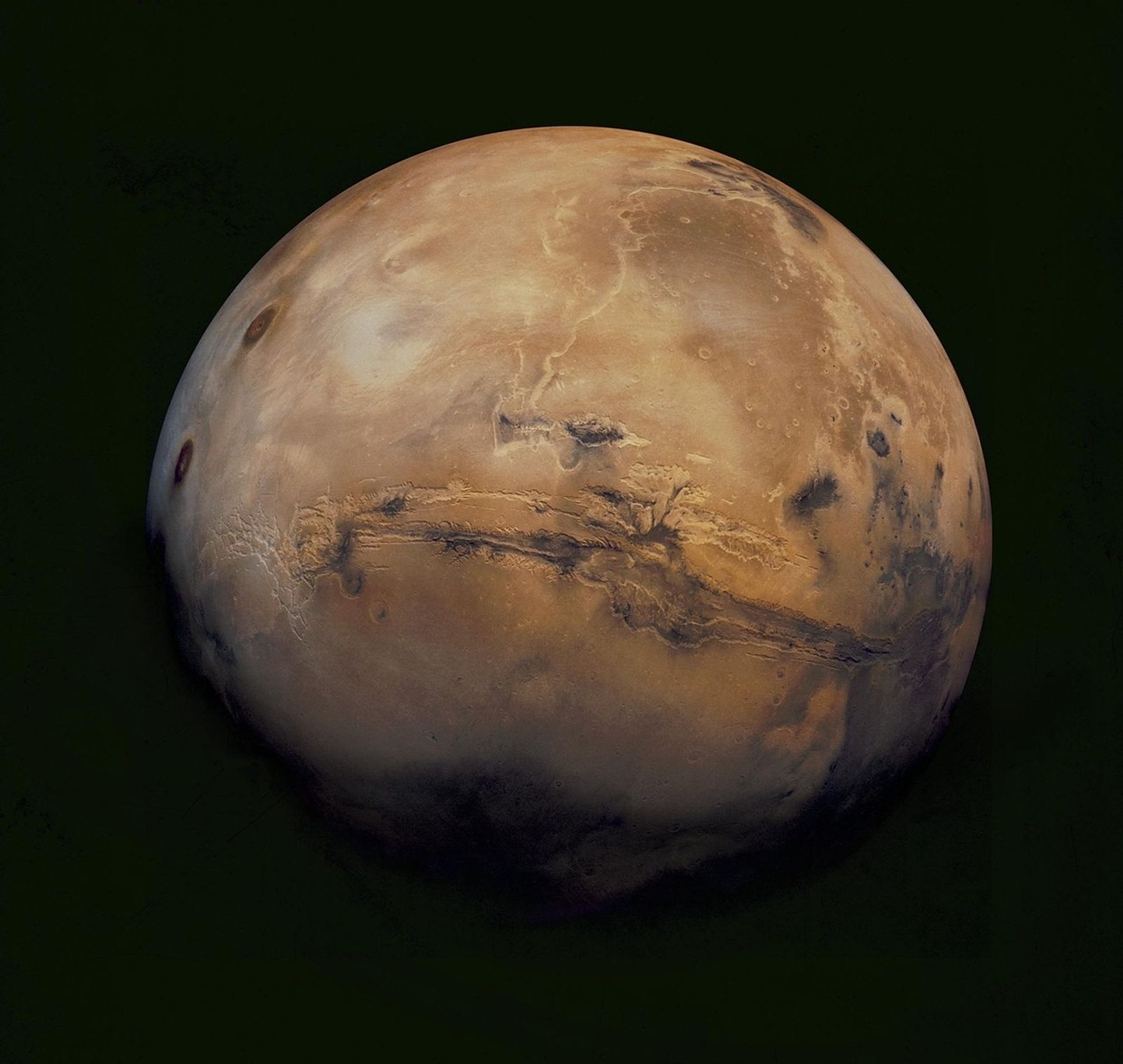
The Mars Atmosphere and Volatile Evolution (MAVEN) mission is the first mission devoted to understanding the Martian upper atmosphere.

The Mars Atmosphere and Volatile Evolution (MAVEN) mission has helped scientists determine how much of the Martian atmosphere has been lost over time by measuring the current rate of escape to space and gathering enough information about the relevant processes to allow extrapolation backward in time.
Type
Launch / Orbit Insertion
Target
Objective
NASA Anomaly Review Board Investigates MAVEN Loss of Signal
NASA convened the review board in mid-February, to evaluate the recovery efforts undertaken for the MAVEN (Mars Atmosphere and Volatile Evolution) spacecraft orbiting Mars. The spacecraft was last heard from on Dec. 6. The board also will assess the probable current state of the spacecraft and the likelihood of its recovery.<br>Among other efforts, the agency has been working to reconnect with MAVEN using NASA’s Deep Space Network and the U.S. National Science Foundation’s Green Bank Observatory.
Read the Latest MAVEN News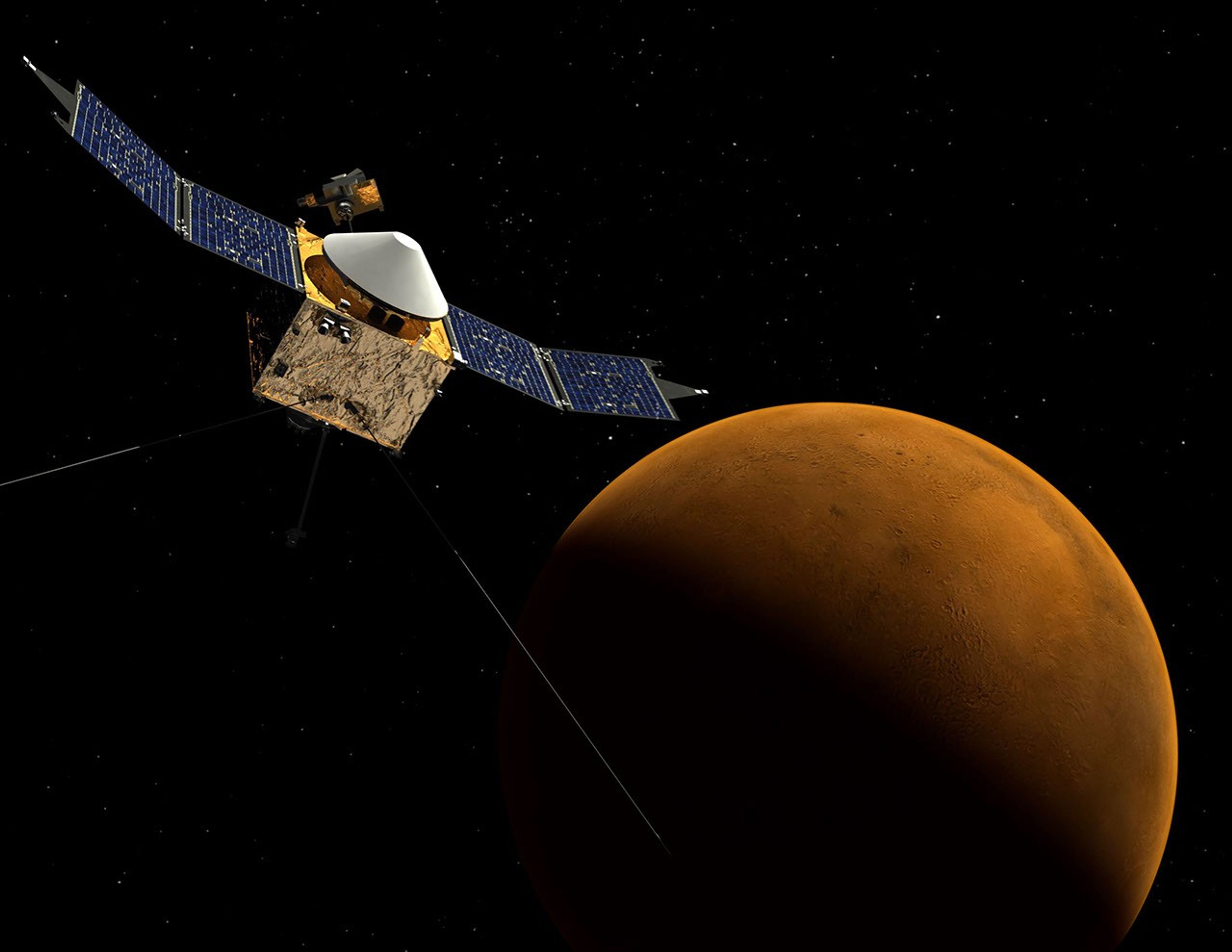
Celebrating 10 Years at Mars with NASA’s MAVEN Mission
A decade ago, on Sept. 21, 2014, NASA’s MAVEN (Mars Atmospheric and Volatile EvolutioN) spacecraft entered orbit around Mars, beginning…
Read the Story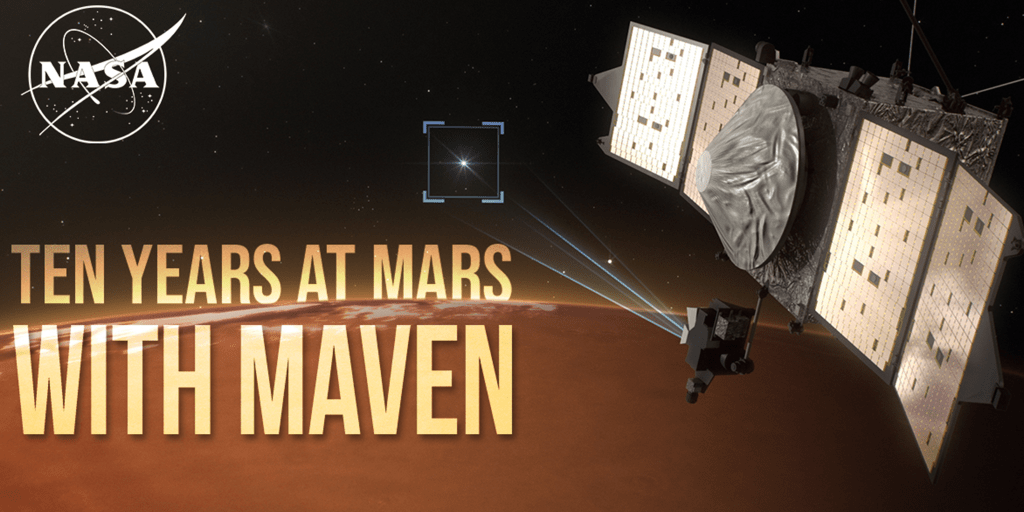
MAVEN: 10 Years at Mars
Download the commemorative poster.
See the MAVEN Poster about MAVEN: 10 Years at Mars
Meet the MAVEN Orbiter
Citizen Science Project
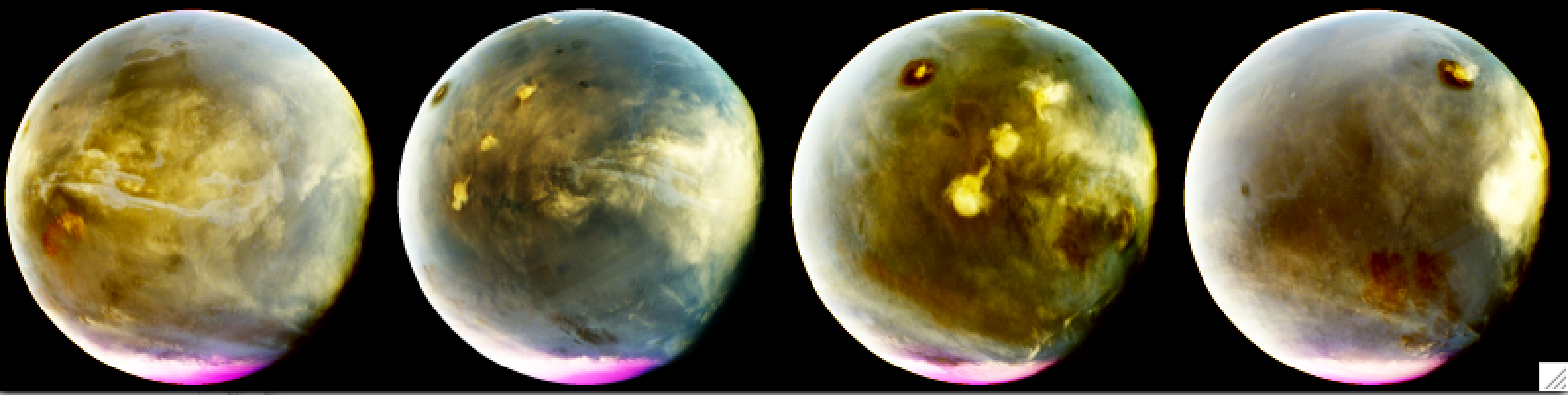
Using data collected from MAVEN's Imaging Ultraviolet Spectrograph (IUVS), you can help answer questions about Mars' atmosphere and climate. Questions include:
- What are the daily, seasonal, or annual patterns in Martian cloud shapes and distributions?
- How well do cloud forms reflect prevailing wind patterns?
- Do the structural similarities between Earth's and Mars' cloud types point to similar formation mechanisms?

| MAVEN Mission Key Facts | |
|---|---|
| Launch | Nov. 18, 2013 |
| Launch Location | Cape Canaveral Air Force Station, Florida |
| Launch Vehicle | Atlas V01 |
| Mars Orbit Insertion | Sept. 21, 2014 (10:24 p.m. EDT) |
| Length | 37.5 feet (11.4 meters) |
| Width | 90 inches (2.29 meters) |
| Height | 11.4 feet (3.47 meters) |
| Mass | Dry (unfueled) mass at launch: 1,784 pounds (809 kilograms) Wet (fueled with hydrazine) mass at launch: 5,410 pounds (2,454 kilograms) Science payload: 143 pounds (65 kilograms) in eight instruments |
| Power | More than 2,000 solar cells on four panels cover 129 square feet (12m2) and generate between 1,150 and 1,700 watts (depending on spacecraft’s position in Mars orbit); solar panels power two 55-amp-hour lithium ion batteries. |
| High-gain Antenna | 6.56 feet (2 meters) in diameter |
| Communications | 14 pounds (6.5 kilograms). Electra UHF communications package to provide data relay from rovers and landers on Mars back to Earth. |
| Mission Duration | Ongoing |
NASA’s Mars Spacecraft Capture Images of Comet 3I/ATLAS
Two orbiters and a rover captured images of the interstellar object — from the closest location any of the agency’s…
Read the Story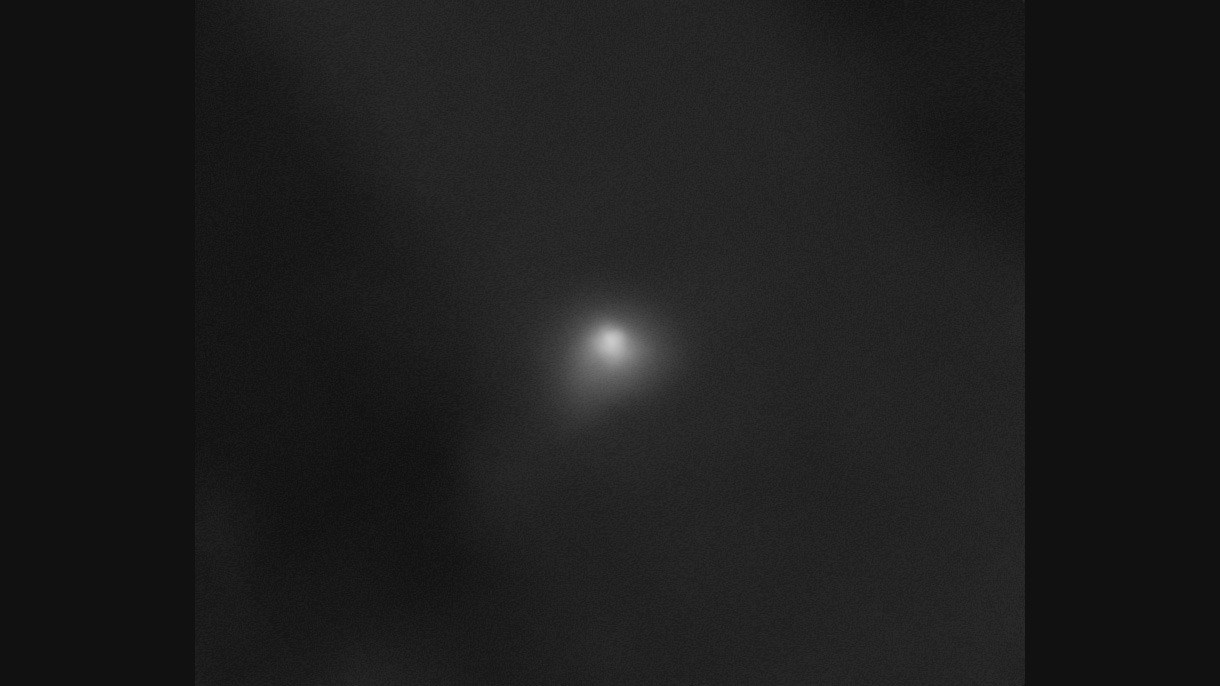
Discover More Topics From NASA
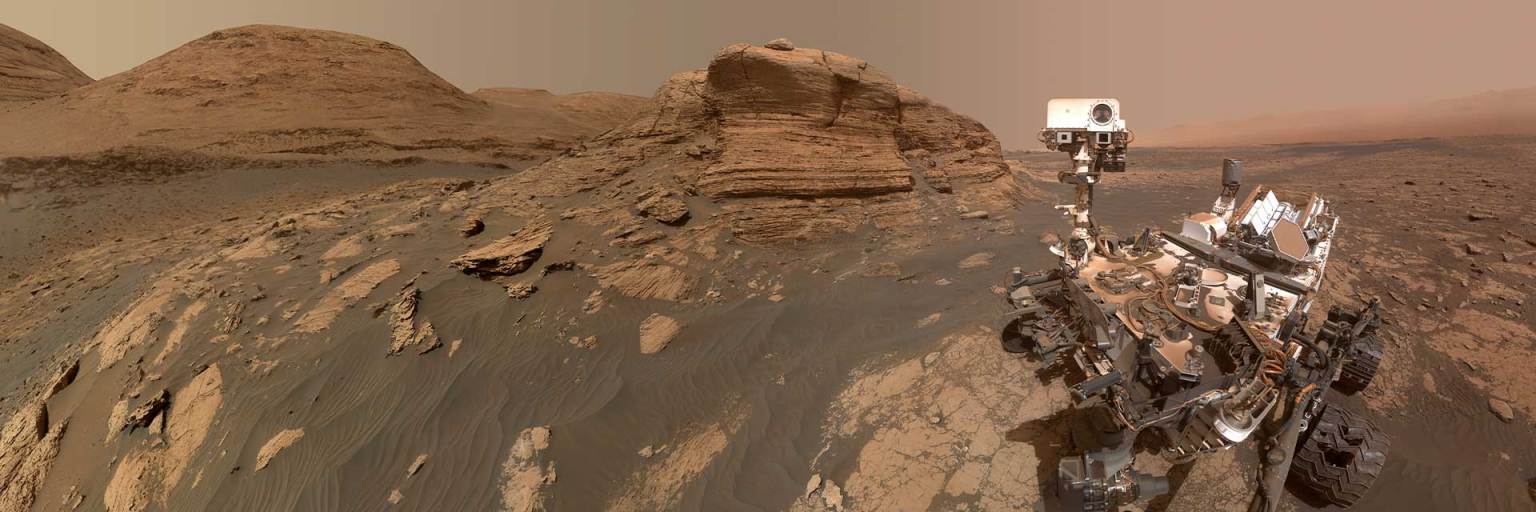
Mars Science Laboratory: Curiosity Rover
Part of NASA's Mars Science Laboratory mission, at the time of launch, Curiosity was the largest and most capable rover…
Mars 2020: Perseverance Rover
NASA’s Mars Perseverance rover seeks signs of ancient life and collects samples of rock and regolith for possible Earth return.

Mars Sample Return
Mars Sample Return would be NASA’s most ambitious, multi-mission campaign that would bring carefully selected Martian samples to Earth for…
Mars
Mars is the fourth planet from the Sun, and the seventh largest. It’s the only planet we know of inhabited…