














News and Updates
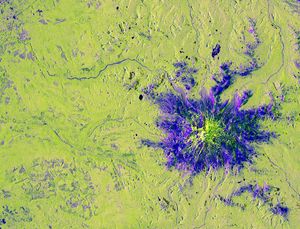
Description This image captured by U.S.-Indian Earth satellite NISAR on Nov. 10, 2025, shows Washington’s Mount Rainier. The image is cropped from a much larger swath spanning the Pacific Northwest on a cloudy day; NISAR’s L-band SAR instrument is able…
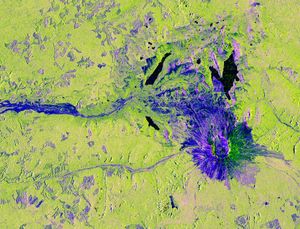
Description This image captured by U.S.-Indian Earth satellite NISAR on Nov. 10, 2025, shows Washington’s Mount St. Helens. The image is cropped from a much larger swath spanning the Pacific Northwest on a cloudy day; NISAR’s L-band SAR instrument is…
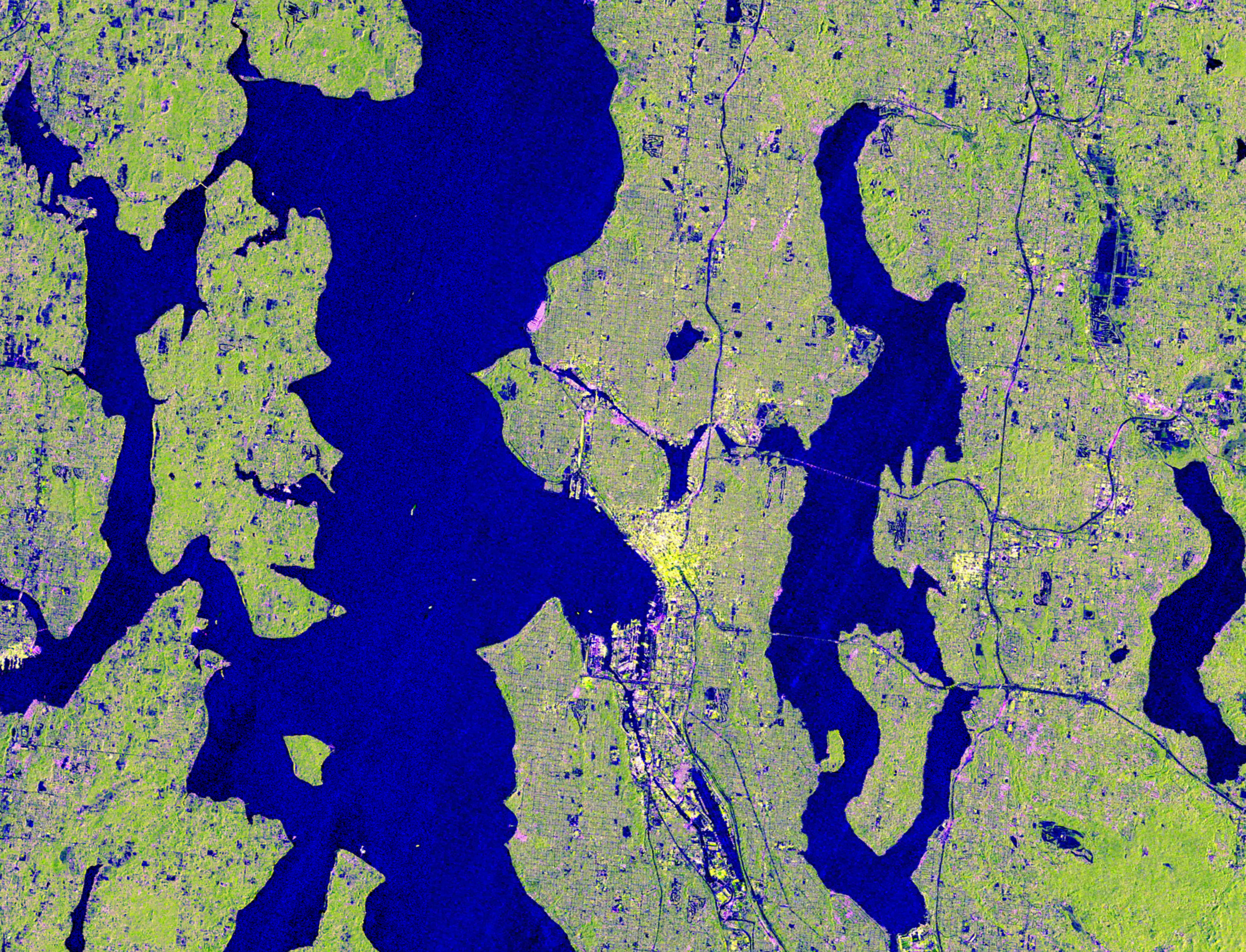
Seattle and Portland, Oregon, are among the cloudiest cities in the United States. But that infamous cloud cover is no match for the U.S.-Indian Earth satellite NISAR (NASA-ISRO Synthetic Aperture Radar), which is designed to peer straight through clouds. Doing…
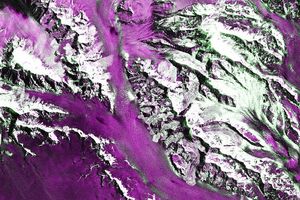
Satellite-based radar images show where a powerful earthquake in the Yukon, Canada, sent rock, snow, and ice spilling across the frozen landscapes of the St. Elias Mountains.
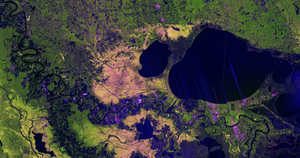
Description The NISAR (NASA-ISRO Synthetic Aperture Radar) Earth-observing satellite’s L-band synthetic aperture radar (SAR) instrument captured this image of the Mississippi River Delta region in southeastern Louisiana on Nov. 29, 2025. The colors in the image represent varying types of…
A new image from the NISAR mission shows off the satellite’s ability to reveal details of Earth’s surfaces. The science team also released new sample data. A U.S.-Indian Earth satellite’s ability to see through clouds, revealing insights and characteristics of our planet’s surface, is on display in a…
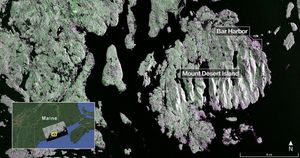
Captured on Aug. 21, 2025, this image from NISAR's L-band radar shows Maine's Mount Desert Island.
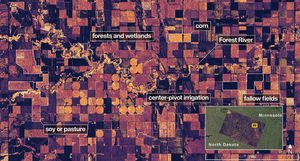
On Aug. 23, 2025, NISAR imaged land adjacent to northeastern North Dakota's Forest River.

NISAR team members at JPL, along with colleagues at ISRO facilities in India, deployed the satellite's radar antenna reflector.
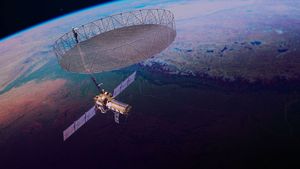
The NISAR satellite uses a radar antenna reflector that's 39 feet (12 meters) in diameter to gather information about Earth's changing surface. The mission scans nearly all the planet's land and ice surfaces twice every 12 days.