












Polar
Type
Launch
Target
Objective

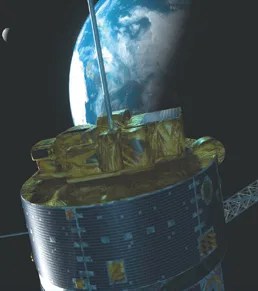
Polar was launched to study the flow of particles and ionized gas, called plasma, within Earth’s magnetic system. By imaging the aurora, measuring the flow of particles, electric and magnetic fields, and electromagnetic waves, Polar gave new insight into the complex dynamics that link Earth’s magnetosphere and the neutral and ionized upper atmosphere, especially near the poles. Earth’s space environment is heavily influenced by solar material in near-Earth space, especially changes in the sun’s constant outflow of material, called the solar wind, and the arrival of huge, fast-moving clouds of solar material, called coronal mass ejections. These changes can set Earth’s magnetosphere rattling, sparking a chain reaction that can end in everything from auroras to – in the most extreme cases – power outages.
Top of Page | Back to Missions
Discover More Topics From NASA
James Webb Space Telescope
Webb is the premier observatory of the next decade, serving thousands of astronomers worldwide. It studies every phase in the…
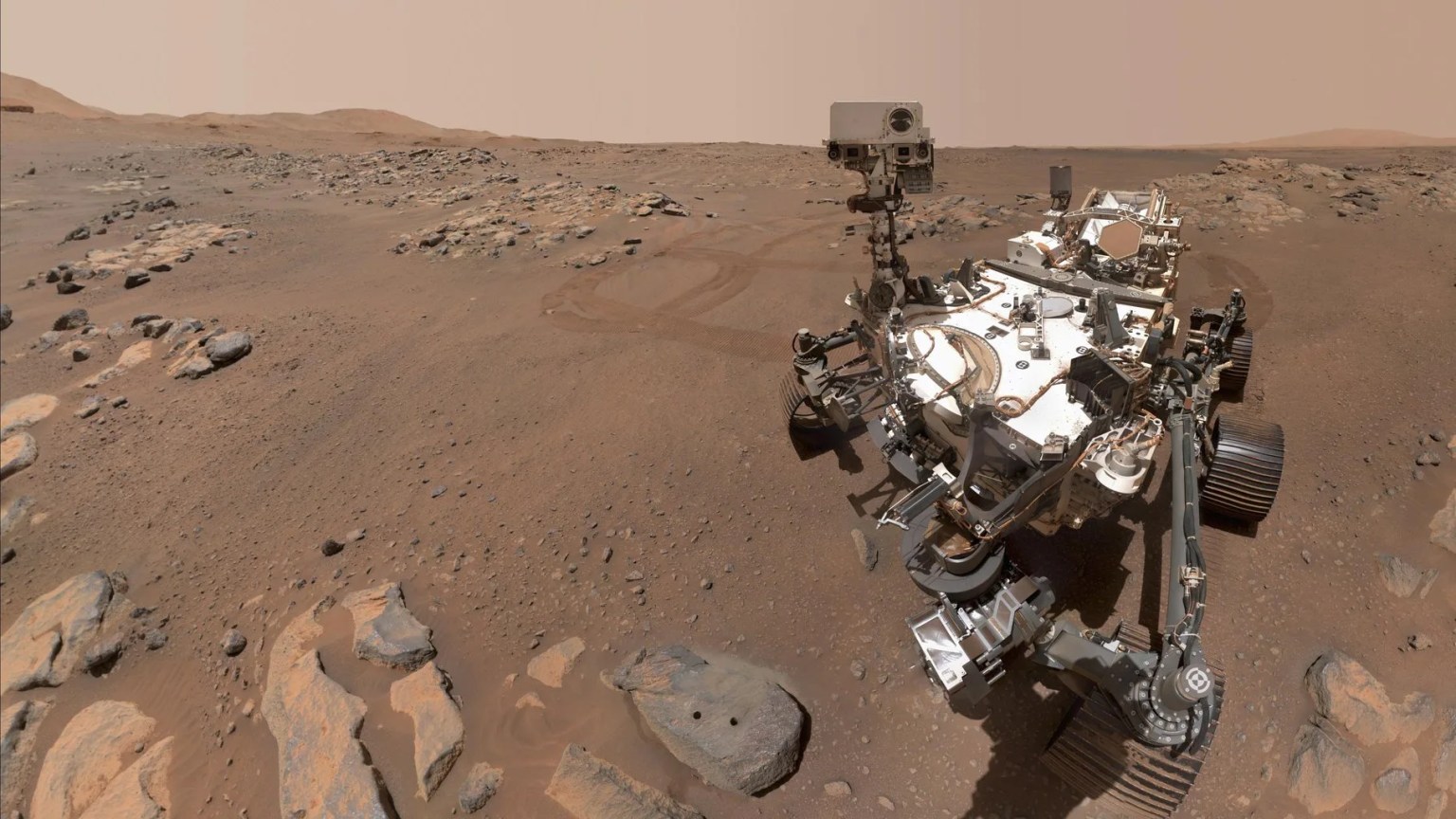
Perseverance Rover
This rover and its aerial sidekick were assigned to study the geology of Mars and seek signs of ancient microbial…
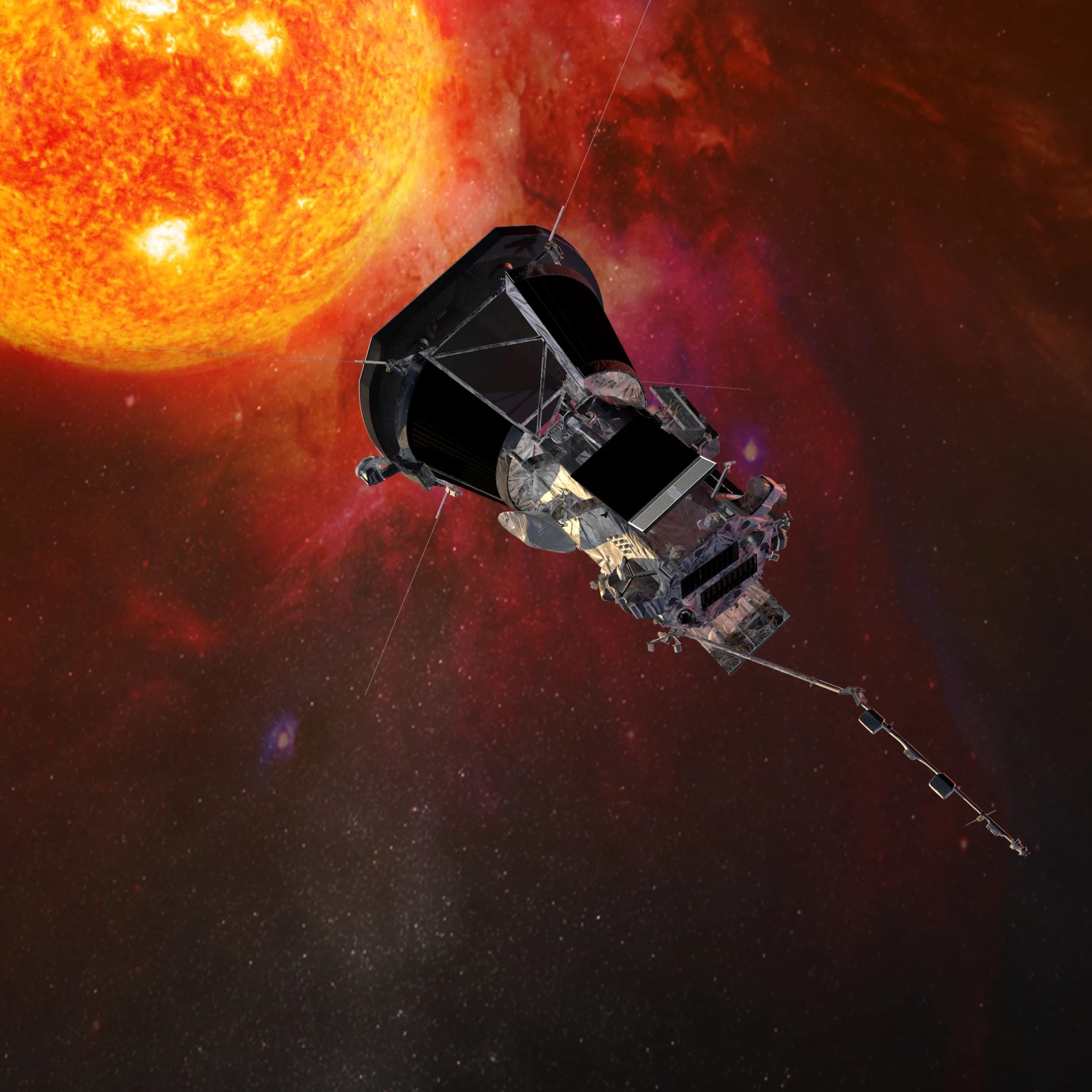
Parker Solar Probe
On a mission to “touch the Sun,” NASA's Parker Solar Probe became the first spacecraft to fly through the corona…
Juno
NASA’s Juno spacecraft entered orbit around Jupiter in 2016, the first explorer to peer below the planet's dense clouds to…