Rosetta-Philae
Type
Launch
Target
Objective

Goals
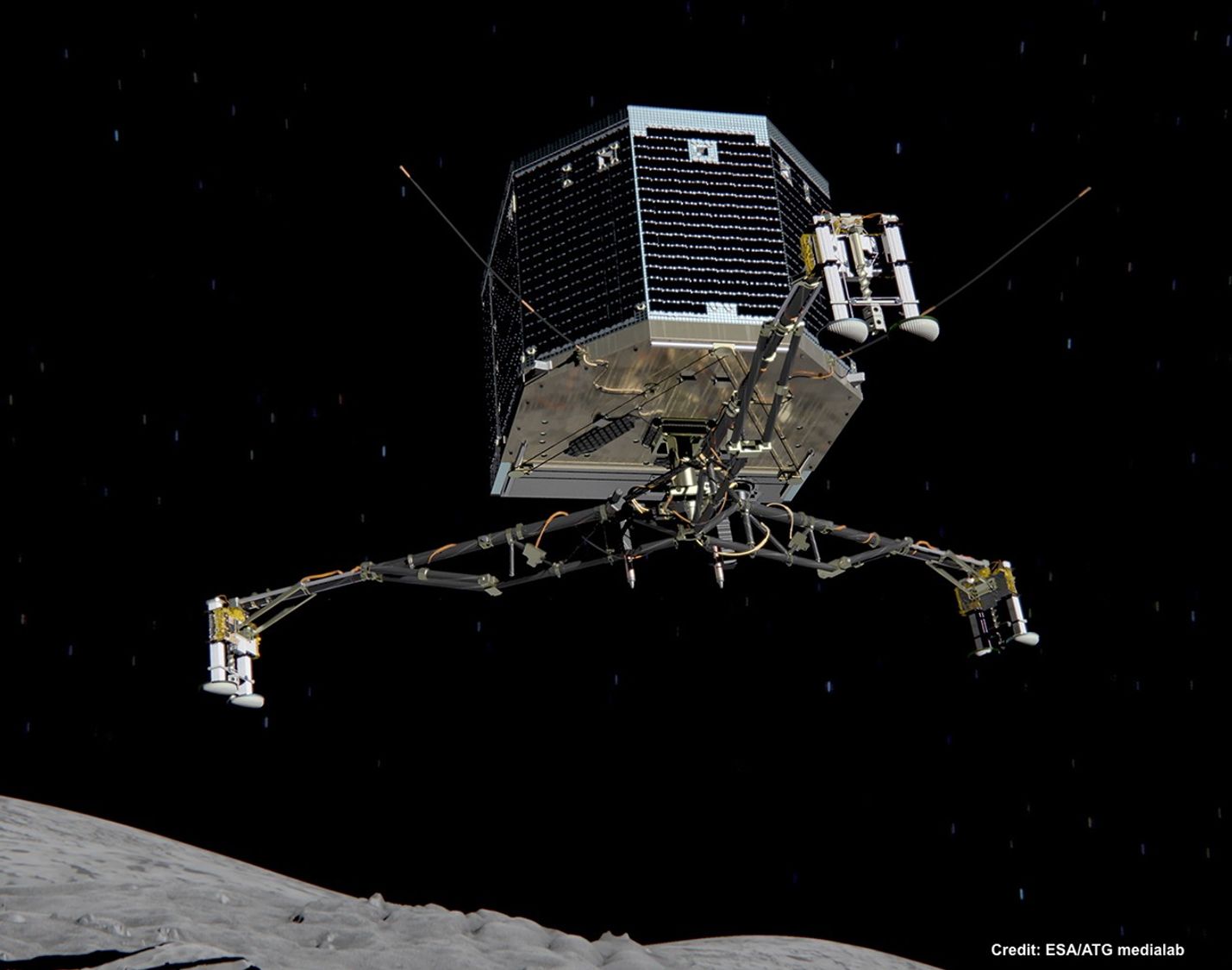
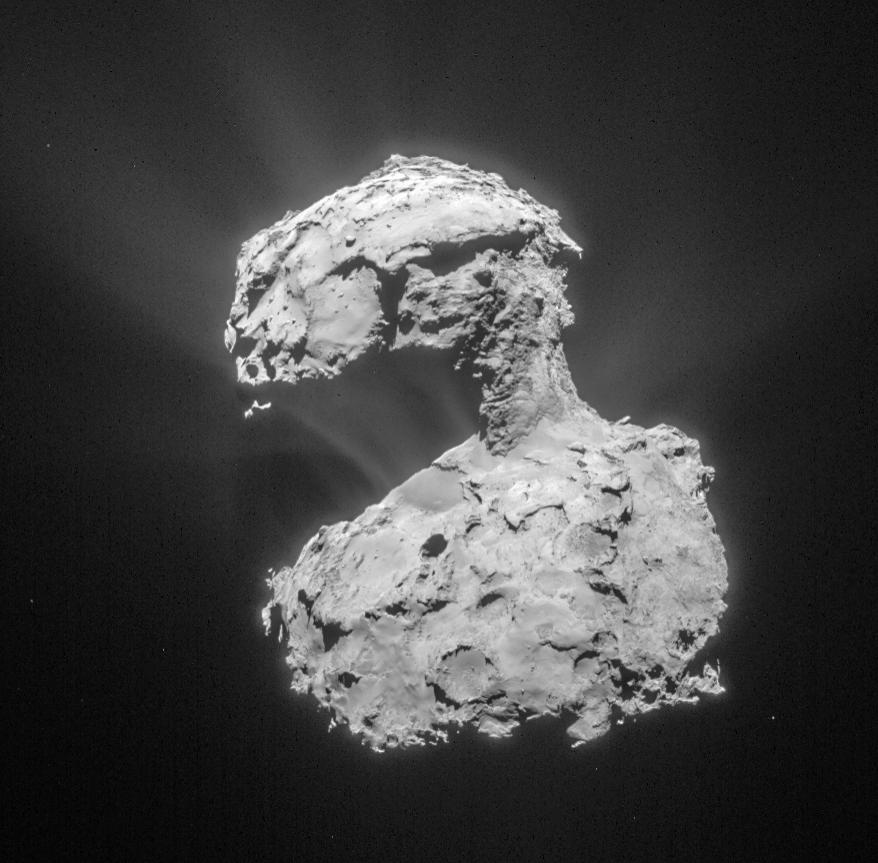
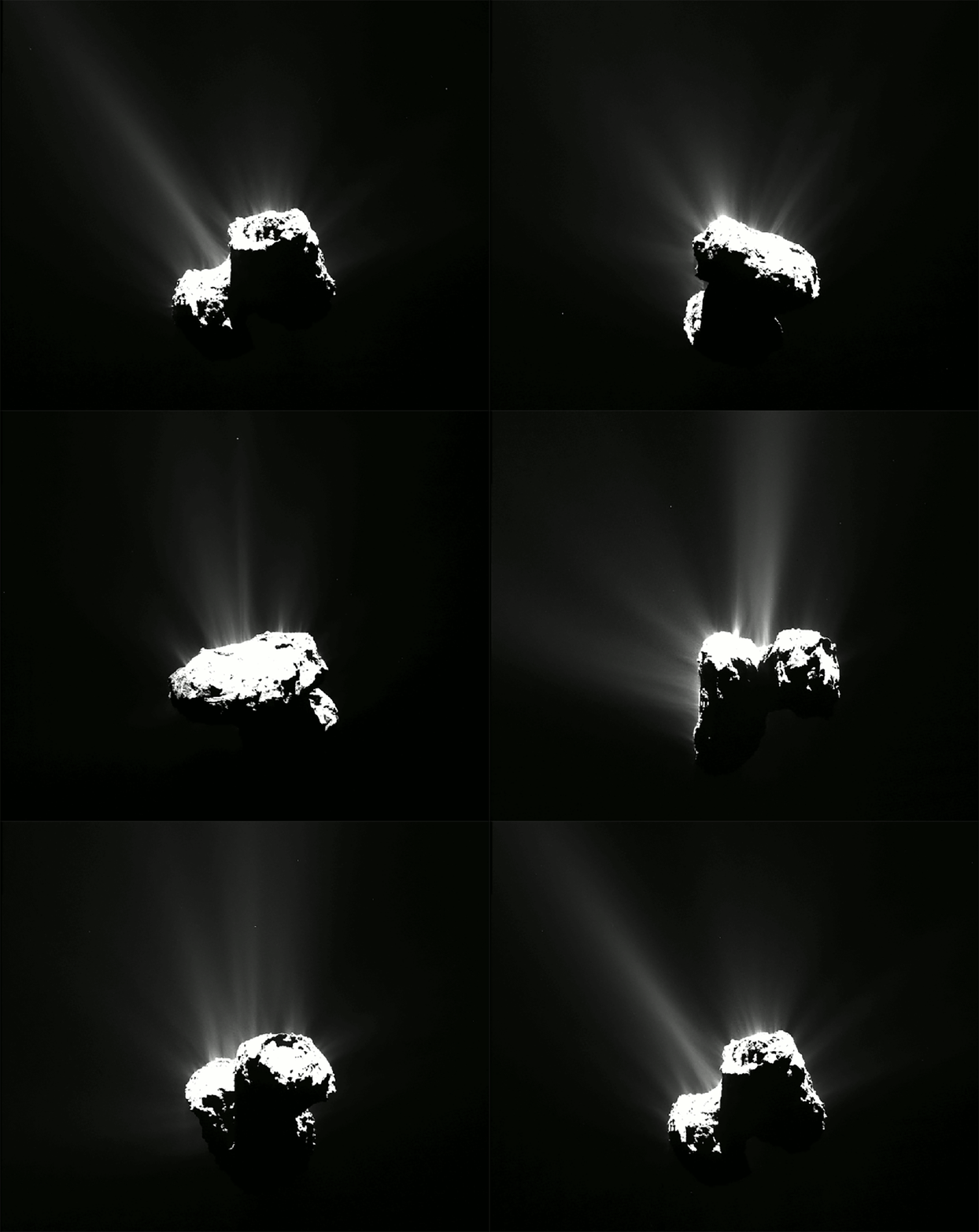
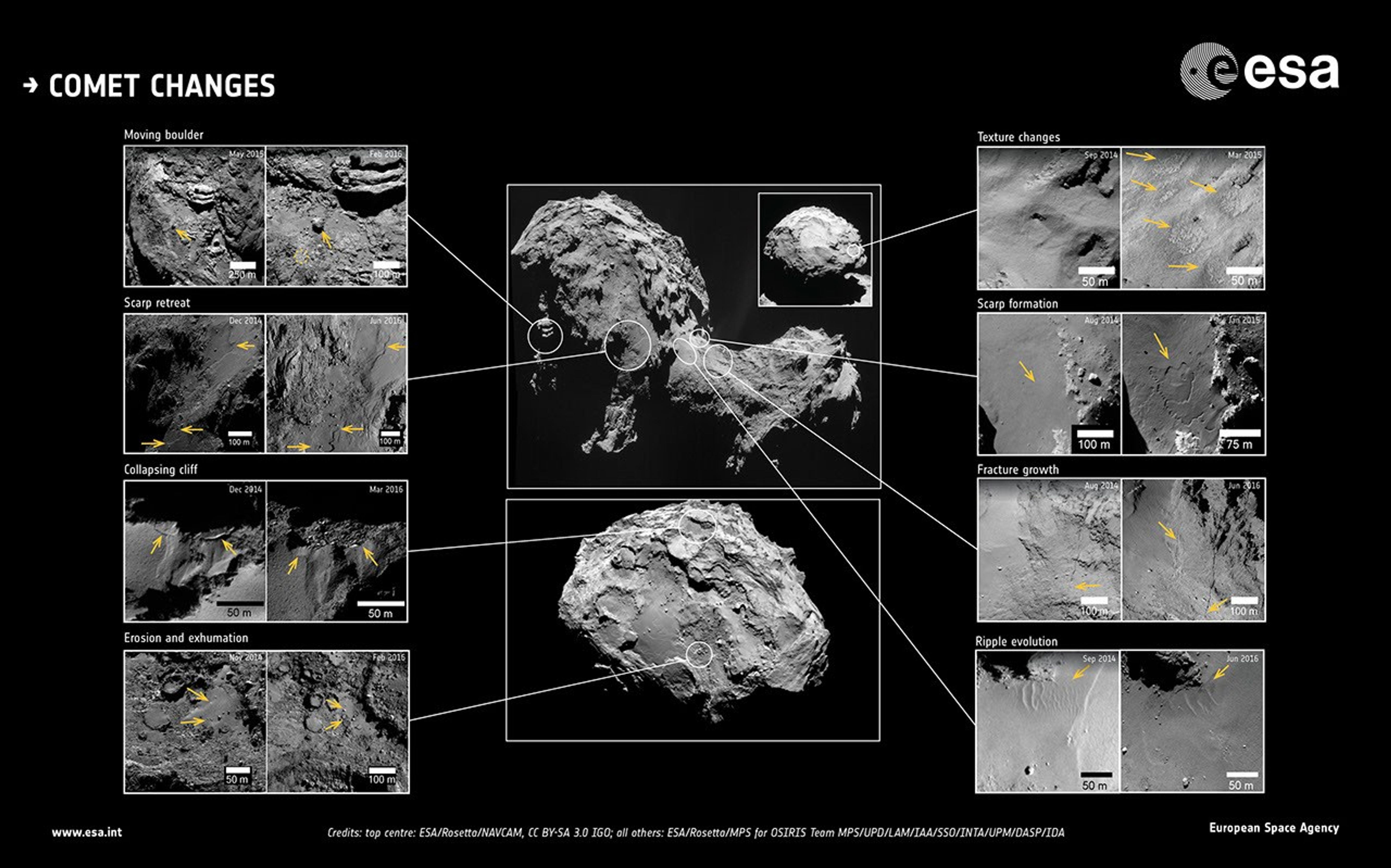
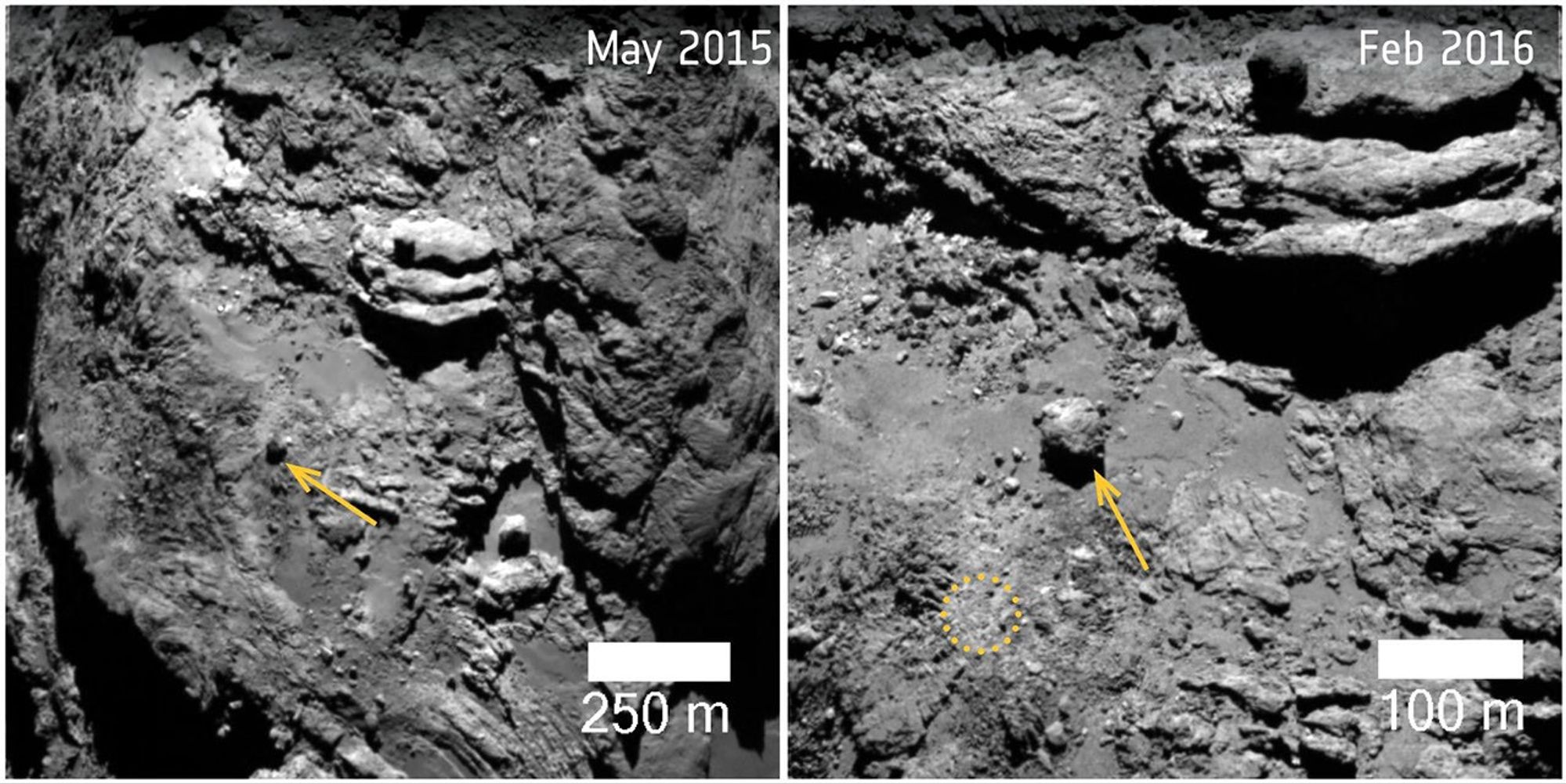
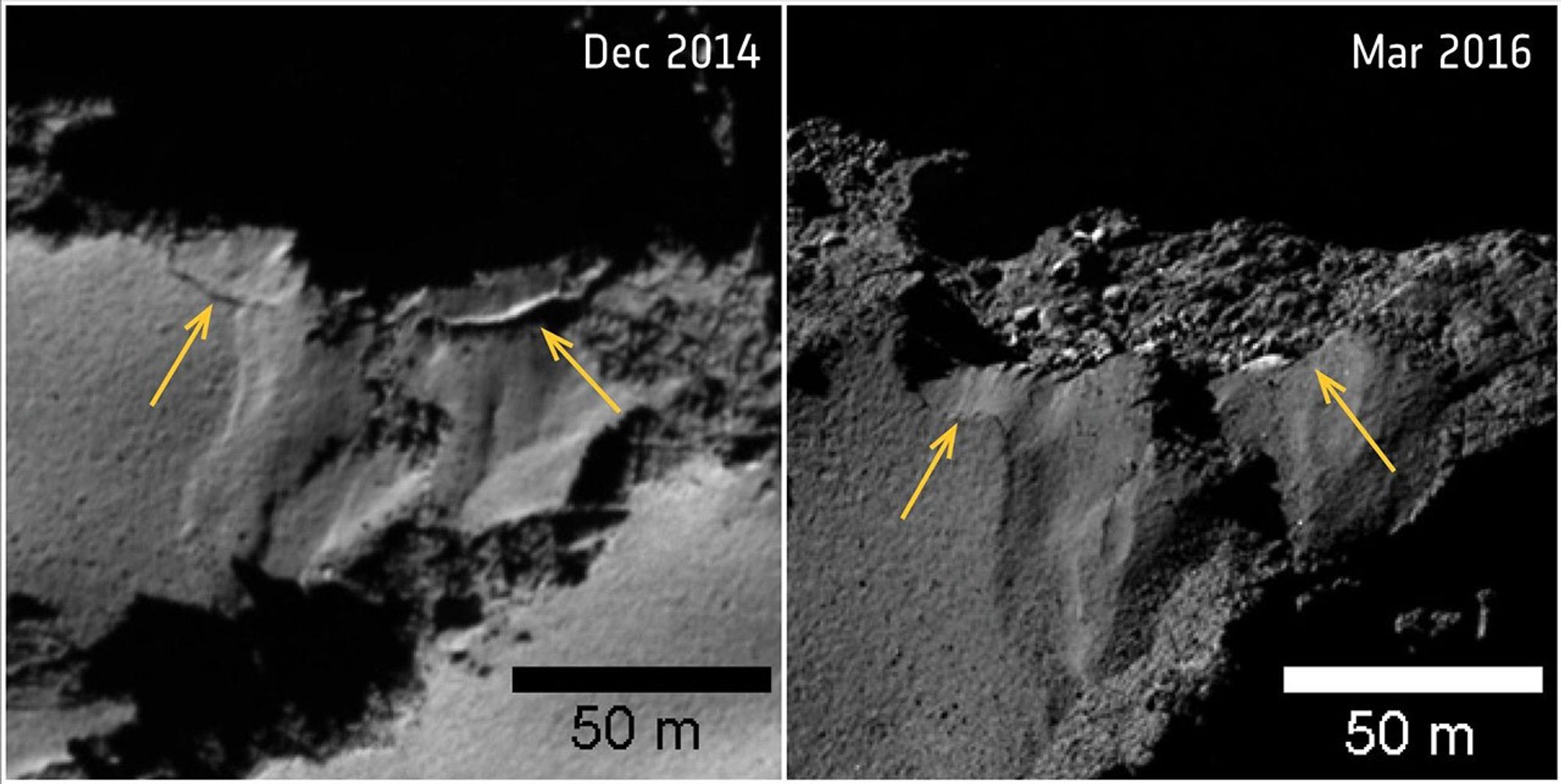
The European Space Agency's Rosetta was the first mission designed to orbit and land on a comet. It consisted of an orbiter and a lander – called Philae. The two spacecraft carried 20 sciences instruments to make a detailed study of comet 67P/Churyumov-Gerasimenko for two years as it orbited around our Sun.
Accomplishments
In August 2014, Rosetta became the first spacecraft to orbit a comet when it joined comet 67P/Churyumov-Gerasimenko on it's journey around the Sun. On Nov. 12, 2014, Rosetta scored another historic first when its Philae probe successfully landed on the surface of the comet and began sending back images and data.
The mission ended with a successful controlled impact on the comet on Sept. 30, 2016.
Rosetta-Philae Stories
Discover More Topics From NASA
James Webb Space Telescope
Webb is the premier observatory of the next decade, serving thousands of astronomers worldwide. It studies every phase in the…

Perseverance Rover
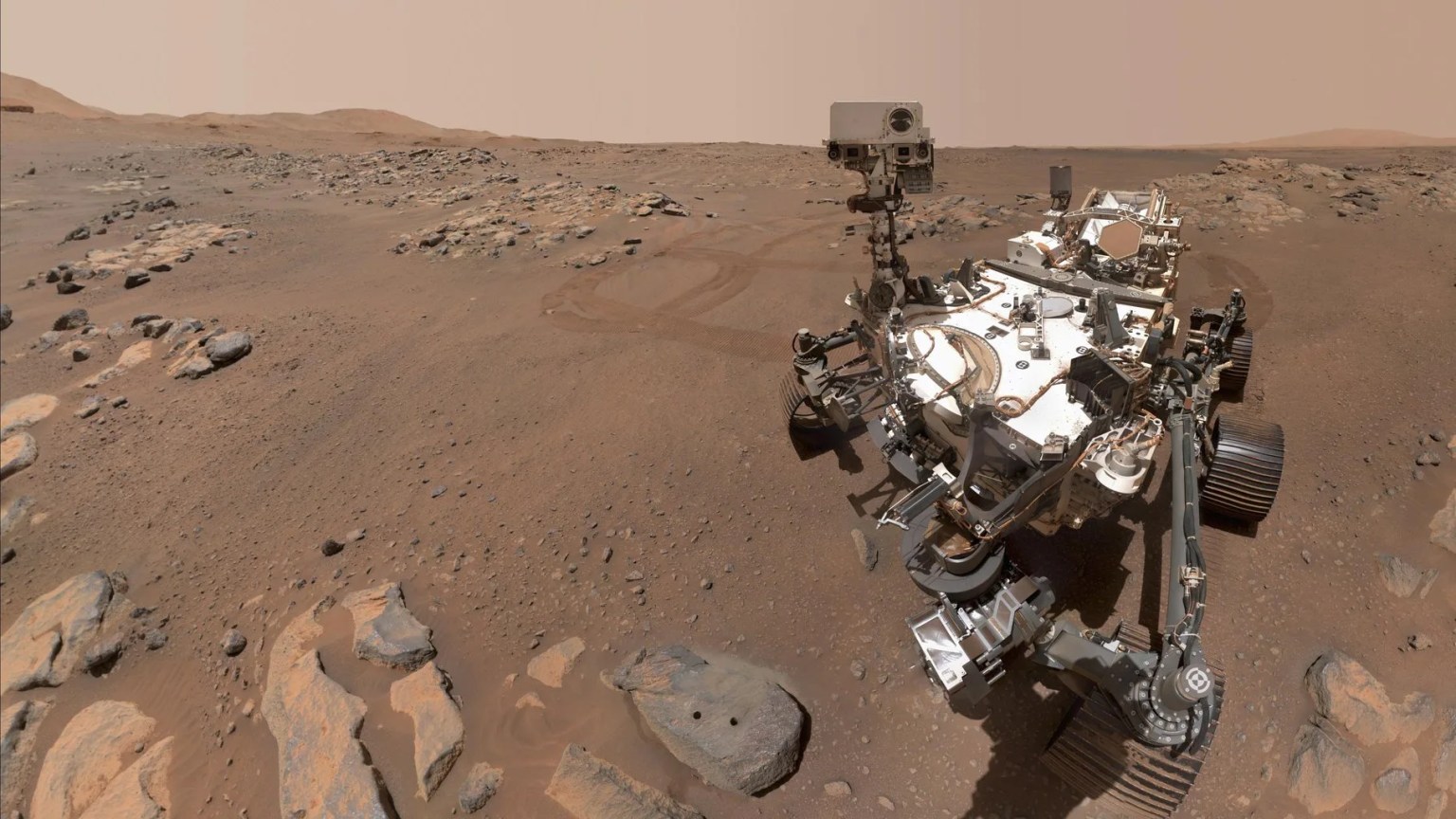
This rover and its aerial sidekick were assigned to study the geology of Mars and seek signs of ancient microbial…
Parker Solar Probe
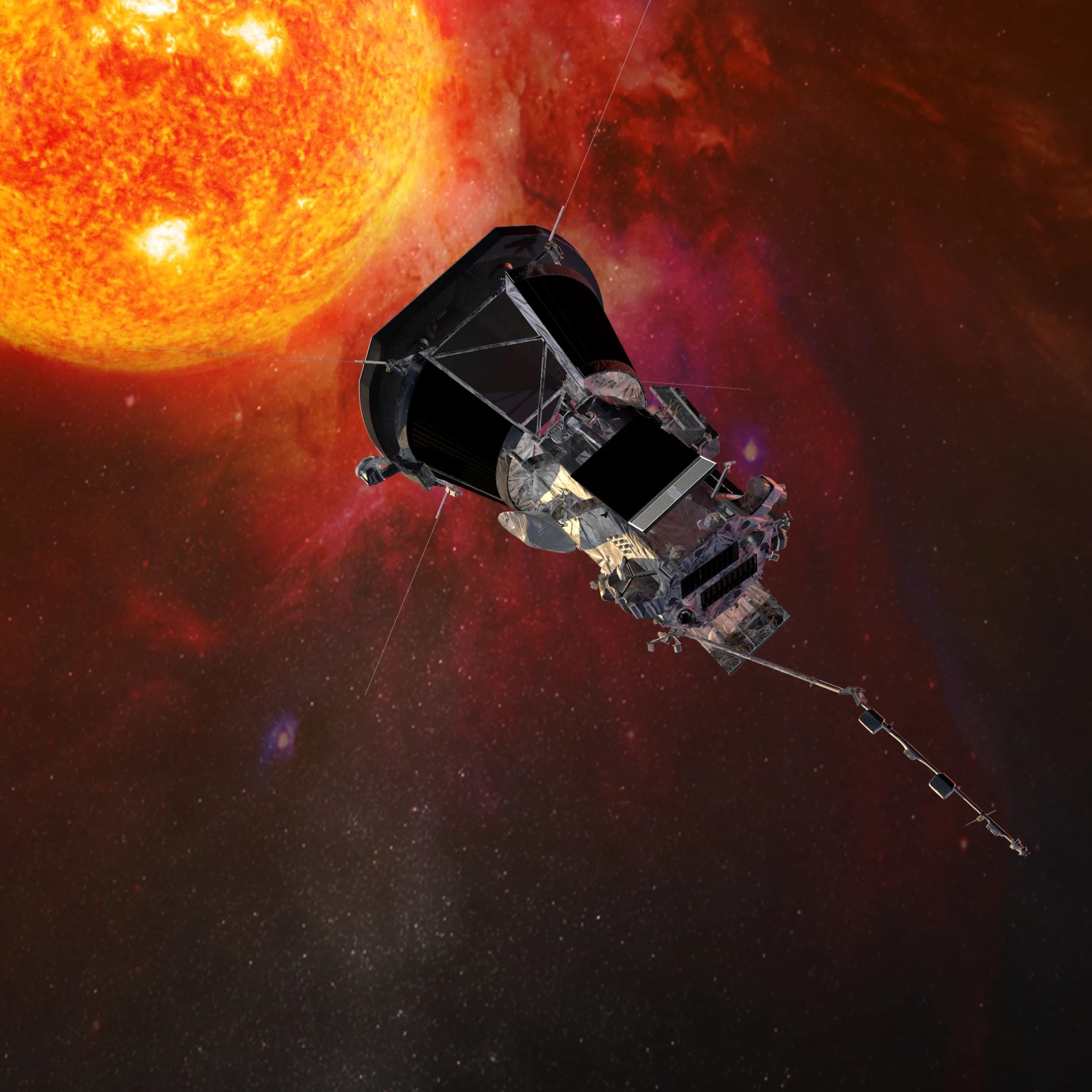
On a mission to “touch the Sun,” NASA's Parker Solar Probe became the first spacecraft to fly through the corona…
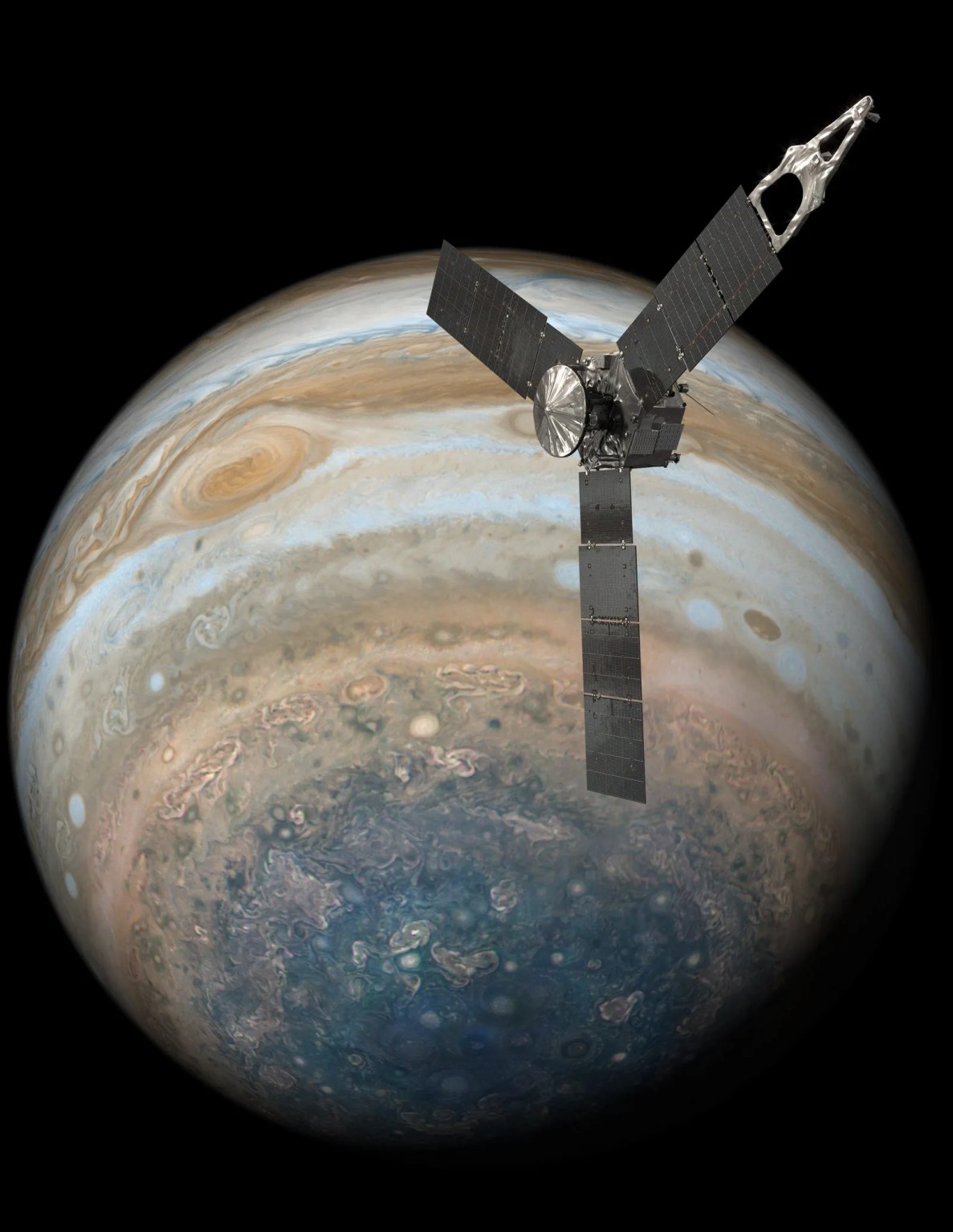
Juno
NASA’s Juno spacecraft entered orbit around Jupiter in 2016, the first explorer to peer below the planet's dense clouds to…