

















SWFO-L1
Space Weather Follow On - Lagrange 1
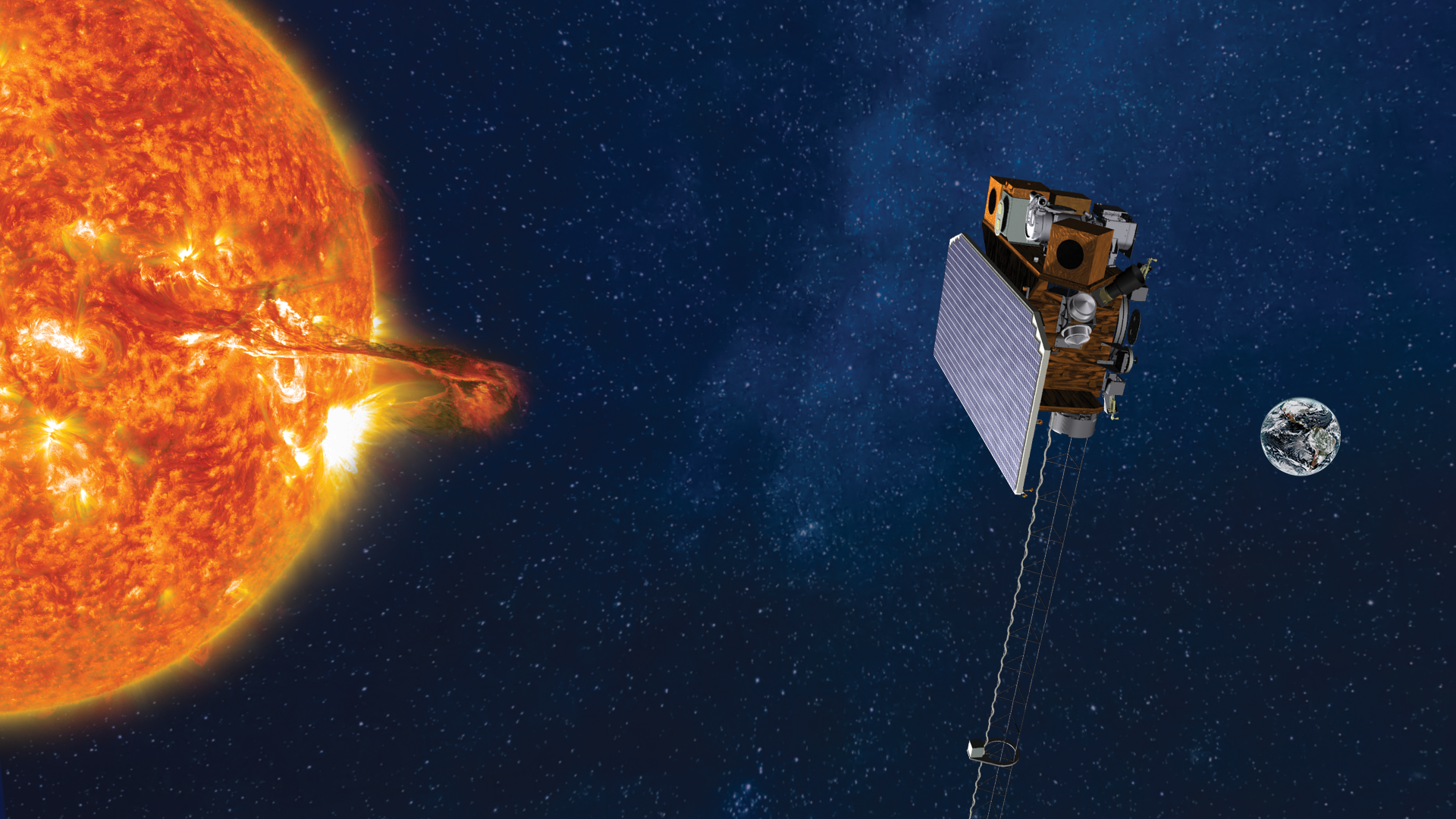
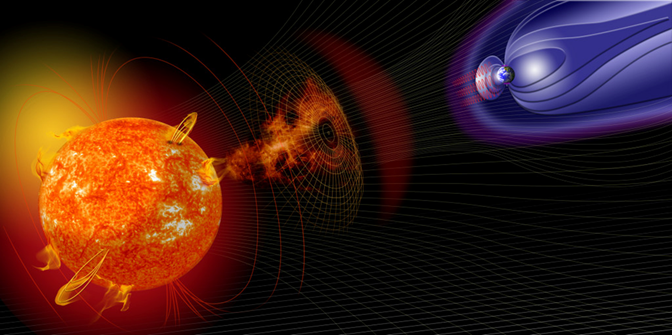
SWFO-L1 will keep a watchful eye on the Sun and near-Earth environment for space weather activity, using a suite of instruments to make real time measurements of the solar wind. The 24/7 data from SWFO-L1 will give operators critical lead time to take precautionary actions that protect vital infrastructure, economic interests and national security on Earth and in space.
Mission Type
Target
Launch
Objective
About SWFO-L1
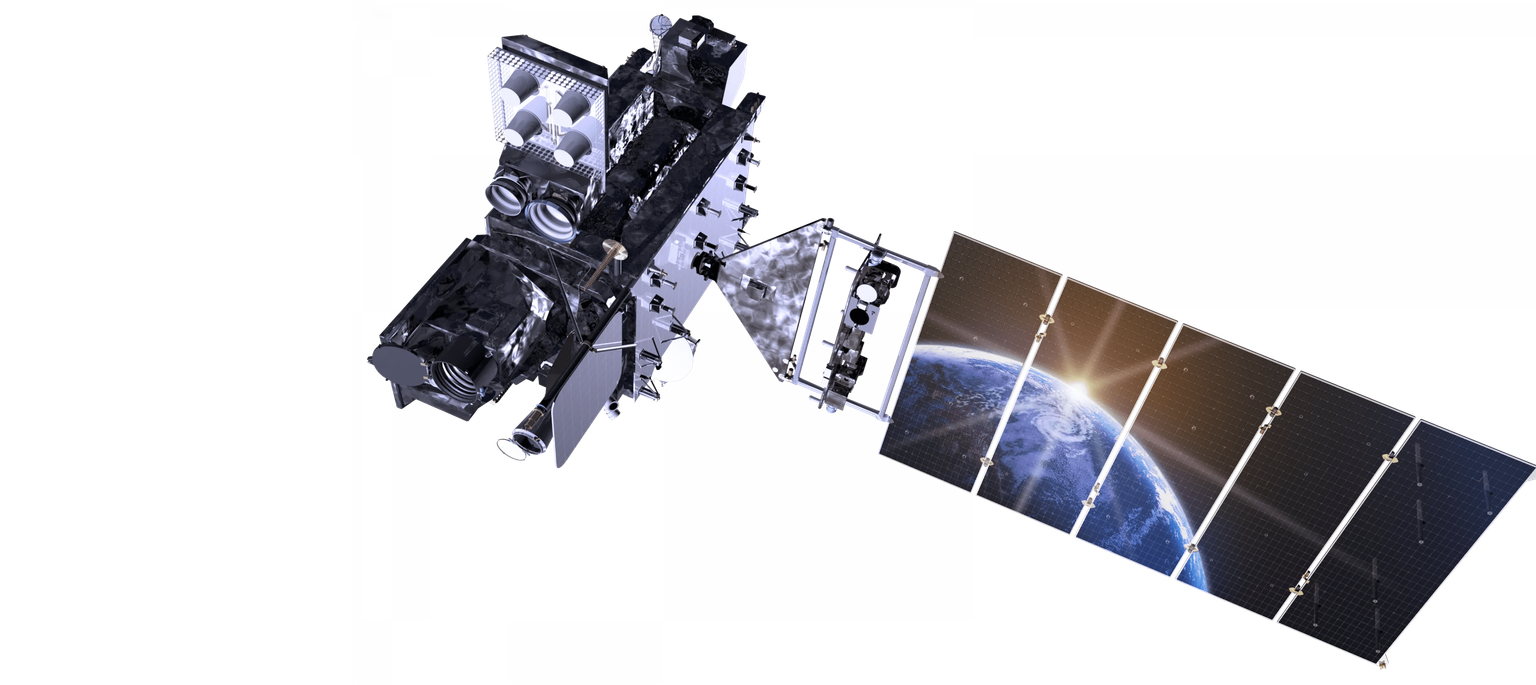
From its unique vantage point at Lagrange Point 1, nearly a million miles in the direction of the Sun, NOAA introduces a next generation satellite called SWFO-L1. The first of its kind observatory is designed for full time operational space weather observations. By keeping an eye on the Sun’s activity without interruption, it will give us quicker and more accurate forecasts than ever before.
Learn MoreBenefits
SWFO-L1 is dedicated to operations and is mission critical to protect against space weather impacts, which can affect:
- Satellite and Radio Communications
- The Global Positioning System (GPS) and other navigation systems
- Electric Power Grids
- National Security and Defense
- Aviation
- Agriculture
- Emergency Response Efforts
- Resource Discovery and Extraction
- Space Commerce and Exploration, including human space flight
-
Collaboration Delivers the Mission
NOAA and NASA have important and complementary responsibilities in the development, testing, launch, and operation of SWFO-L1. NOAA is the program owner that determines the requirements, provides funds and manages the program, operations, and data products and dissemination to users. NASA and commercial partners develop, build, and test the instruments and spacecraft on NOAA’s behalf and to NOAA’s specifications. They also launch the launch the satellites; NASA’s Launch Services Program, based at KSC in Florida, is responsible for managing the launch service.