















Open Science at NASA
NASA is making a long-term commitment to building an open science community over the next decade. Open science is a collaborative culture enabled by technology that empowers the open sharing of data, information, and knowledge within the scientific community and the wider public to accelerate scientific research and understanding.
Open Principles
The principles of open science are to make publicly funded scientific research transparent, available, and reproducible. Advances in technology, including collaborative tools and cloud computing, help enable open science, but technology alone is insufficient. Open science requires a shift to a more transparent and collaborative scientific process, which will increase the pace and quality of scientific progress.
Open science Facts
Open Transparent Science
Scientific processes and results should be as open as possible to encourage further study and increase public trust.

Open Available Science
Data, tools, software, documentation, and publications should be available to all (FAIR).

Open Reproducible Science
Scientific process and results should be open such that they are reproducible by members of the community.

Open Collaborative Science
Processes and participants should welcome participation by and collaboration with other researchers and organizations.

Open Science Features and Events

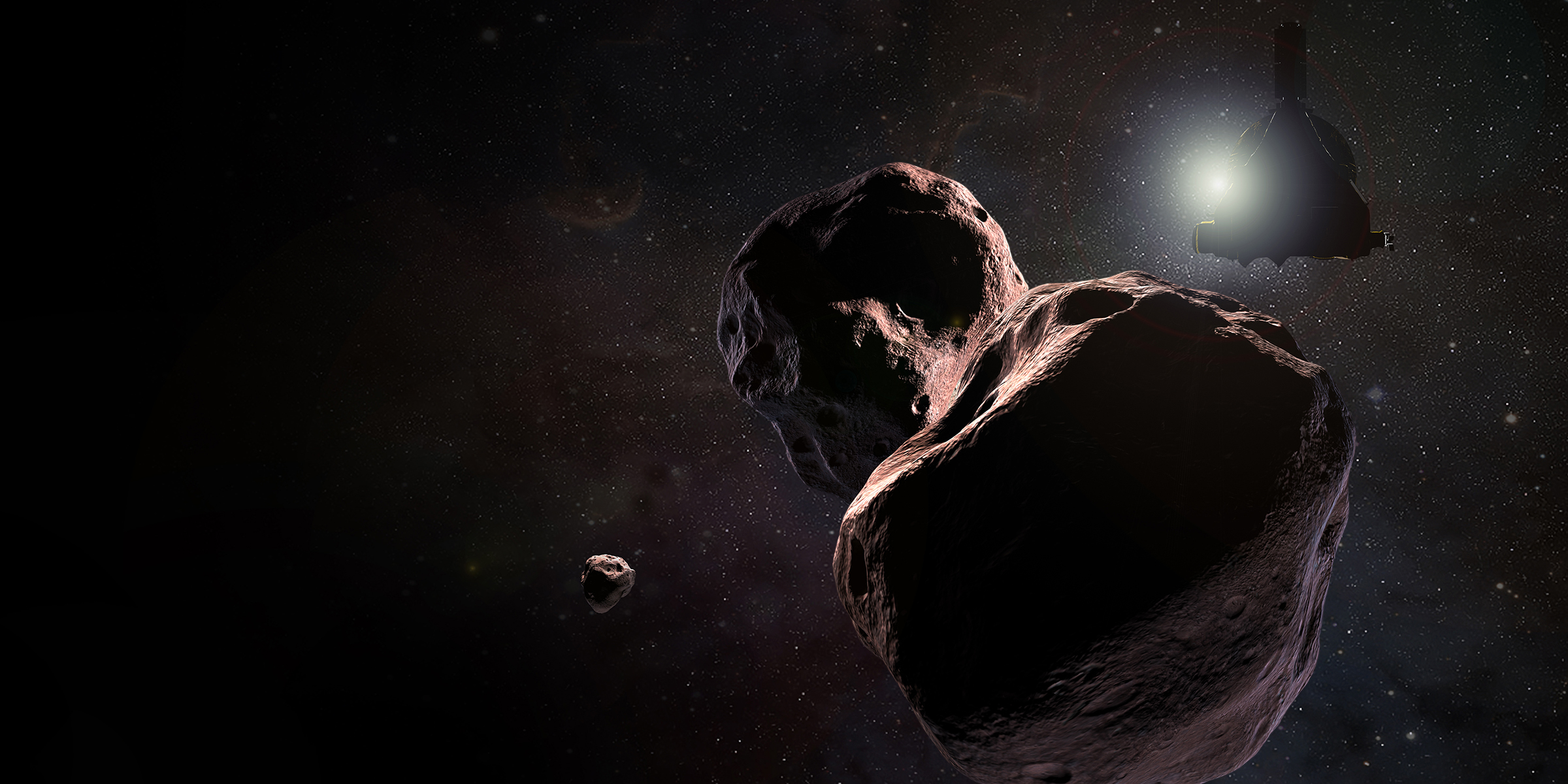
How Open NASA Data on Comet 3I/ATLAS Will Power Tomorrow’s Discoveries
Data collected by NASA's missions about interstellar comet 3I/ATLAS will continue to reveal insights about the comet and interstellar objects at large.
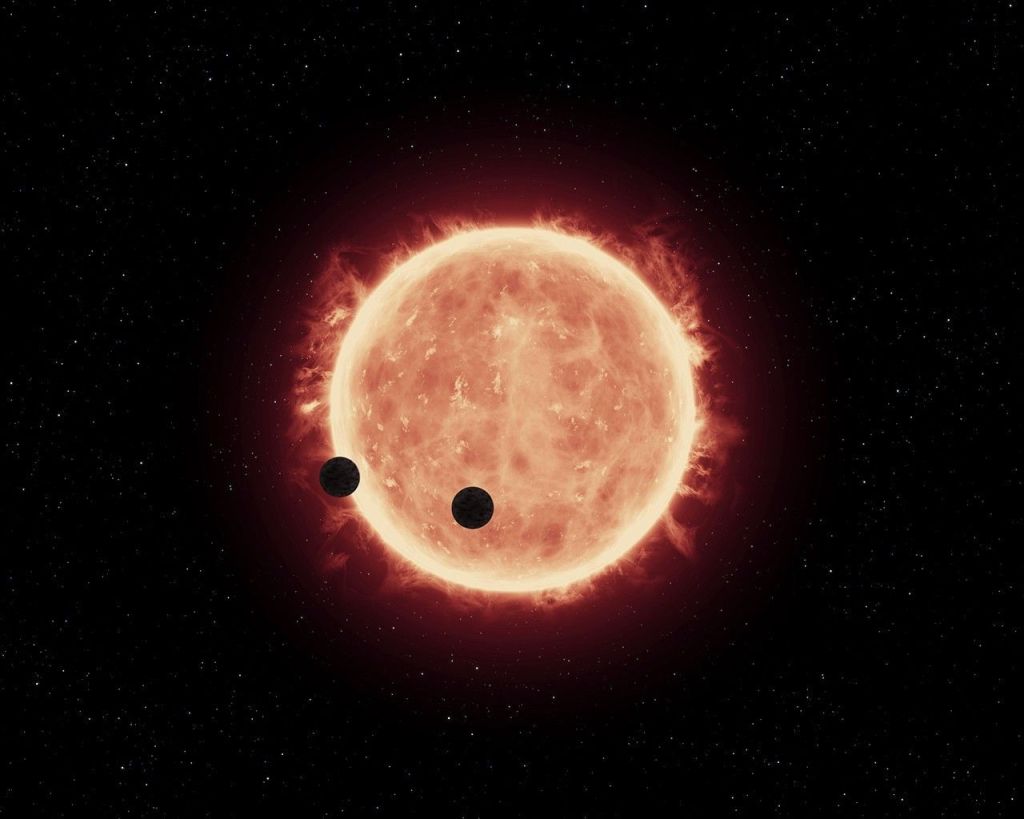
NASA AI Model That Found 370 Exoplanets Now Digs Into TESS Data
Trained on open data from NASA's exoplanet-hunting missions, the open-source ExoMiner++ deep learning model validates new planets with its algorithm.

OCSDO Releases Year in Review 2025 Newsletter
The Office of the Chief Science Data Officer (OCSDO) shared its annual accomplishments in promoting NASA science data discovery and innovation.
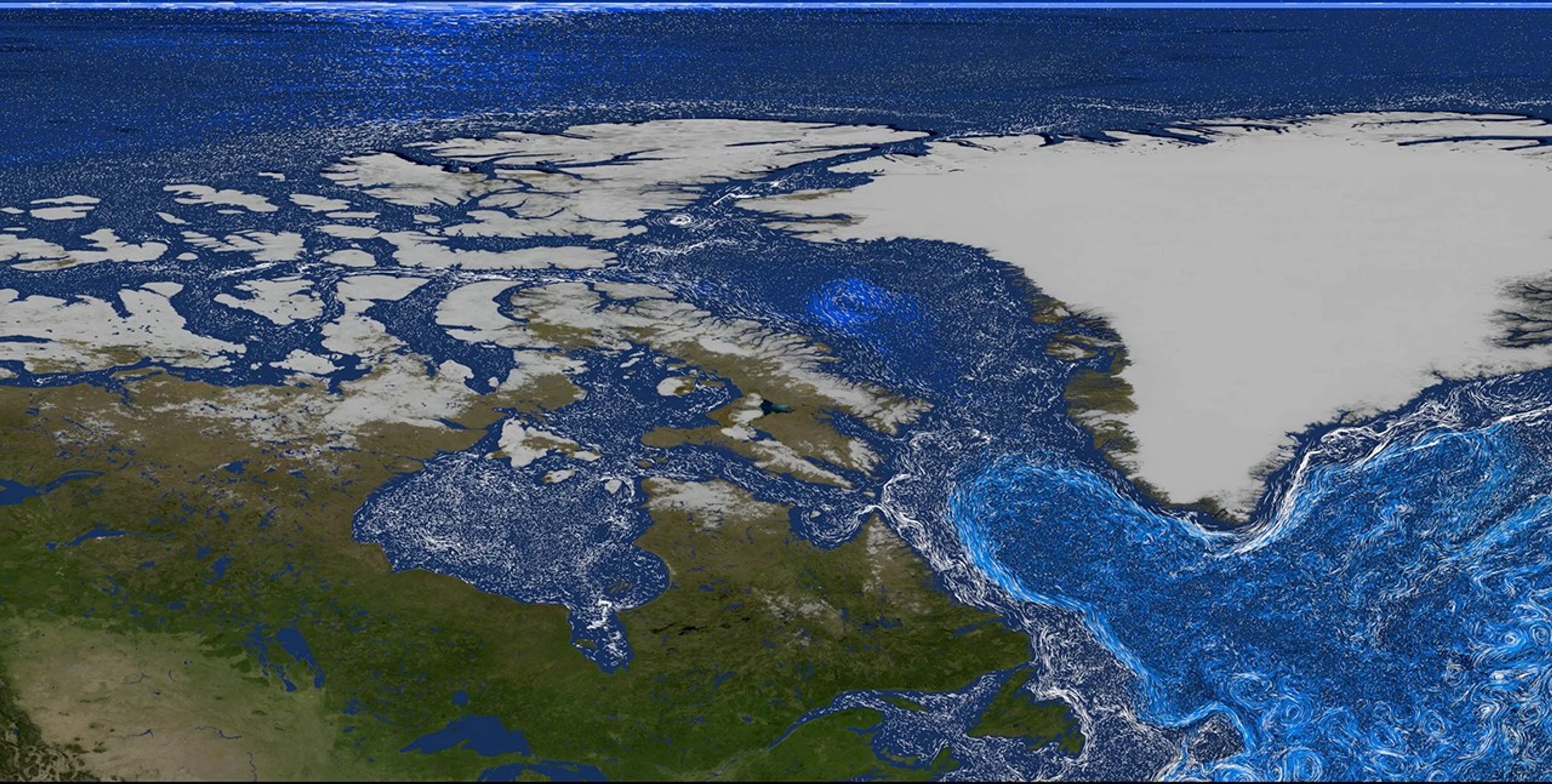
NASA Supercomputers Take on Life Near Greenland’s Most Active Glacier
Scientists used open NASA satellite data and the agency's supercomputing resources to understand how Greenland's retreating ice fuels tiny ocean organisms.
Explore Open Science at NASA

Open Science Training
Ready to make your research more transparent, impactful, and accessible? Our Open Science Essentials and Open Science 101 courses are the perfect starting point for researchers and managers of all disciplines.

Science Information Policy
The information produced as part of NASA’s scientific research activities represents a significant public investment. Learn more about how and when it should be shared.

Open Science Funding
NASA supports open science through call for new innovative programs, supplements to existing awards, and sustainability of software.

Office of the Chief Science Data Officer
The Office of the Chief Science Data Officer (OCSDO) works to advance transformative open science as part of its activities.

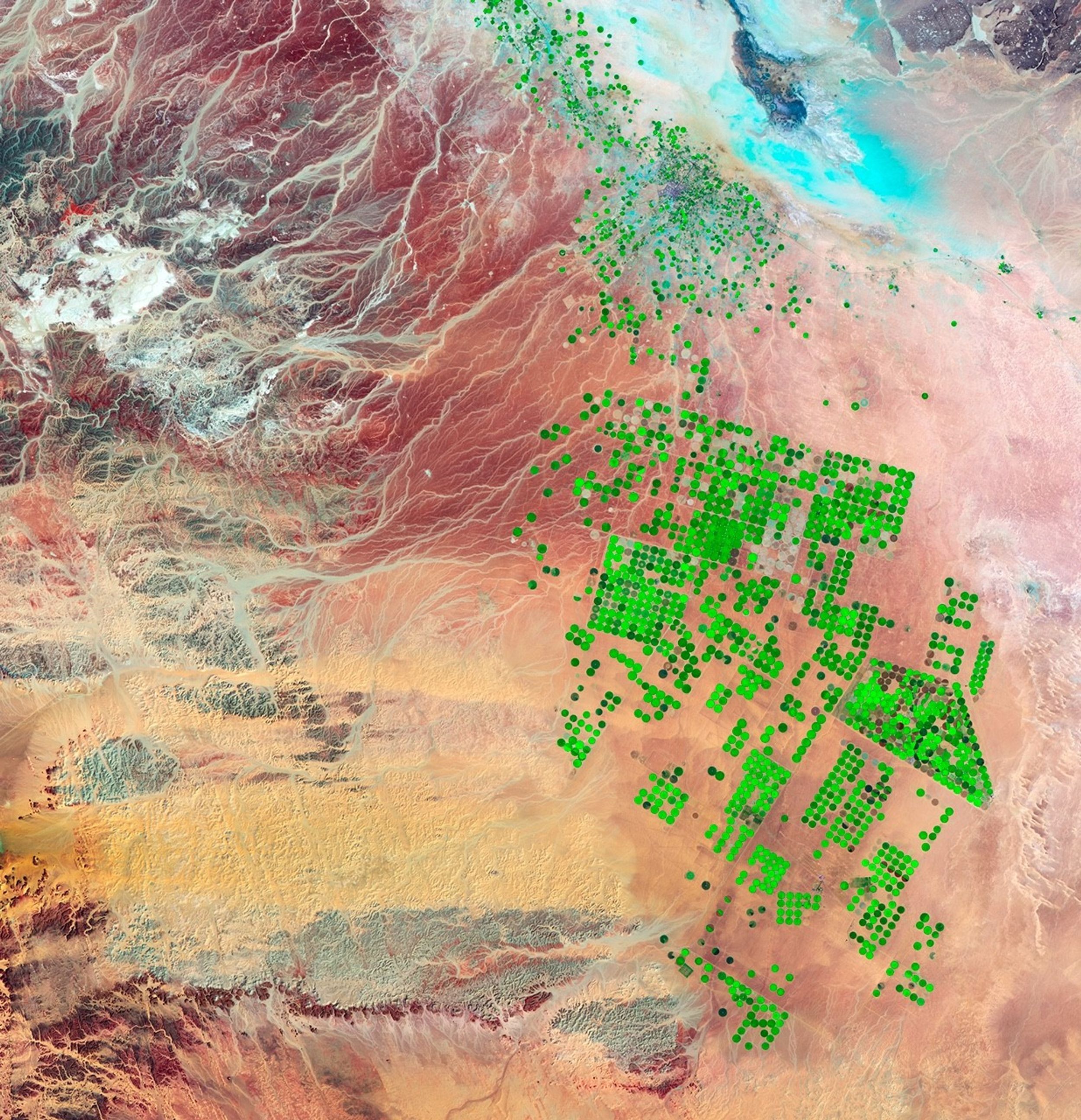
Open Earth Science
Learn about openly available science data and services provided by NASA's Earth Science Data Systems (ESDS) Program.
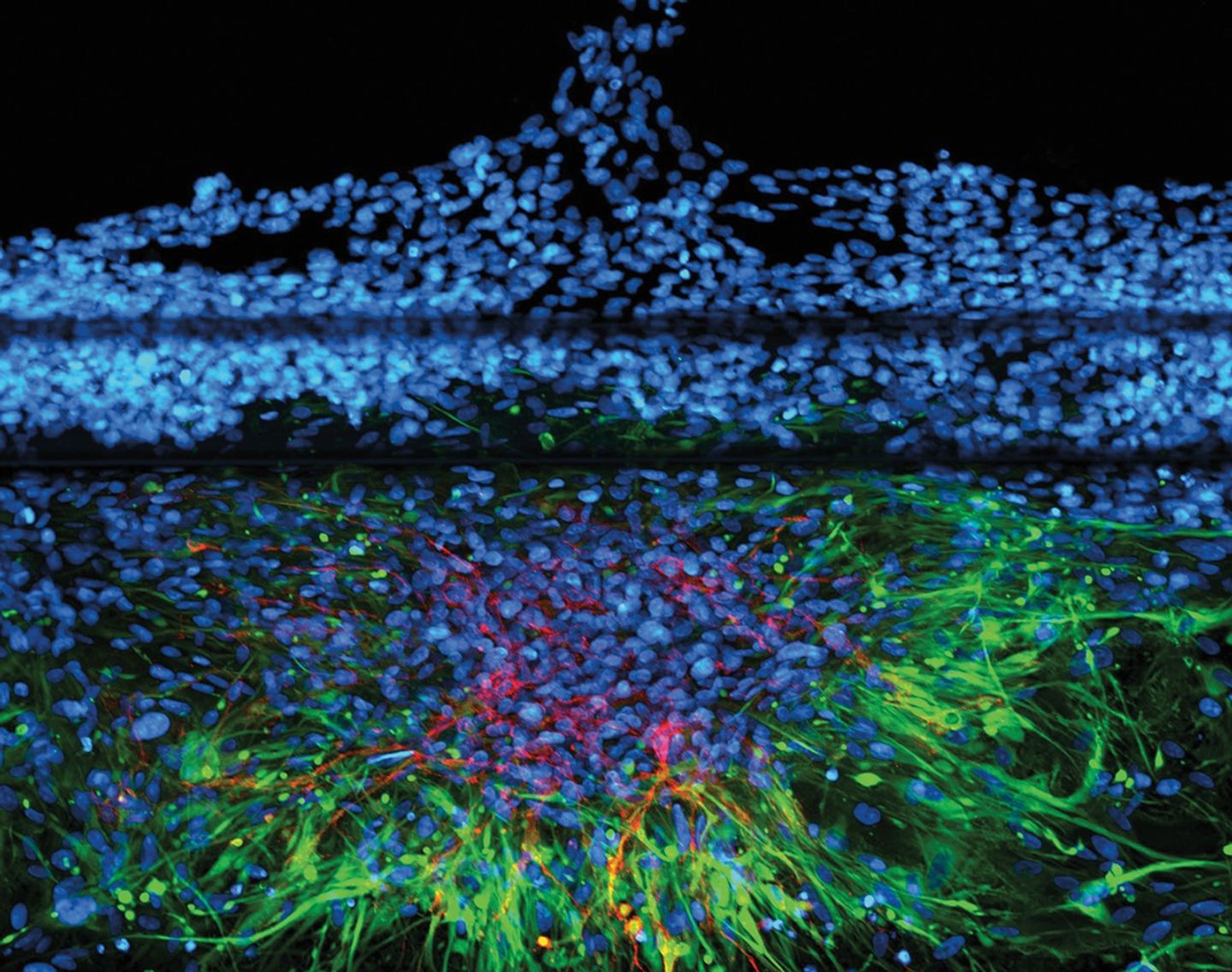
Open Life Sciences
The NASA Open Science Data Repository (OSDR) enables access to space-related data from experiments and missions that investigate biological and health responses of terrestrial life to spaceflight.

Science Mission Directorate Science Data
The Science Data Portal provides a comprehensive list of NASA science data repositories.
Discover More Topics From NASA
Artificial Intelligence for Science
NASA is creating artificial intelligence tools to help researchers use NASA's science data more effectively.
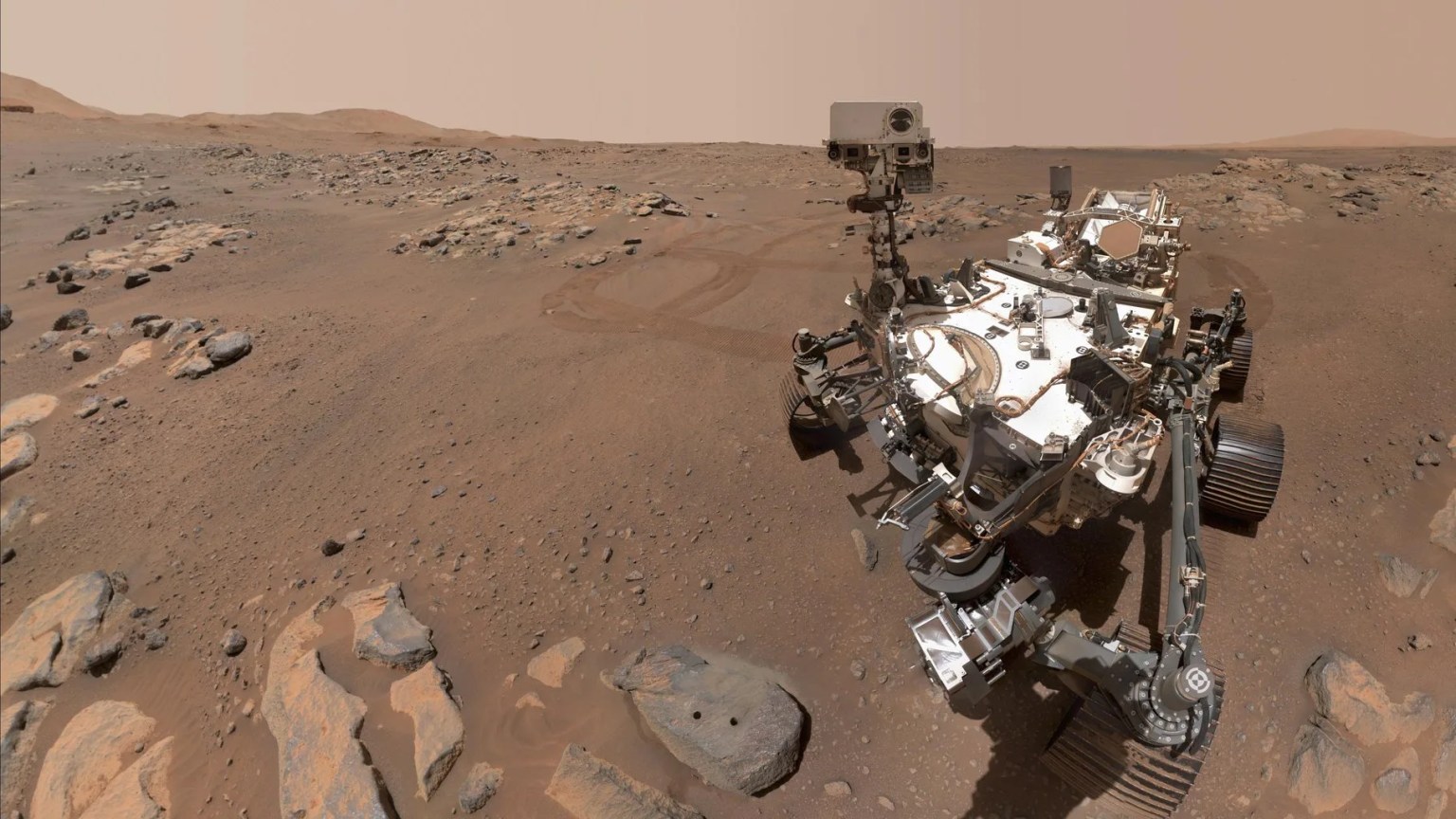
Perseverance Rover
This rover and its aerial sidekick were assigned to study the geology of Mars and seek signs of ancient microbial…
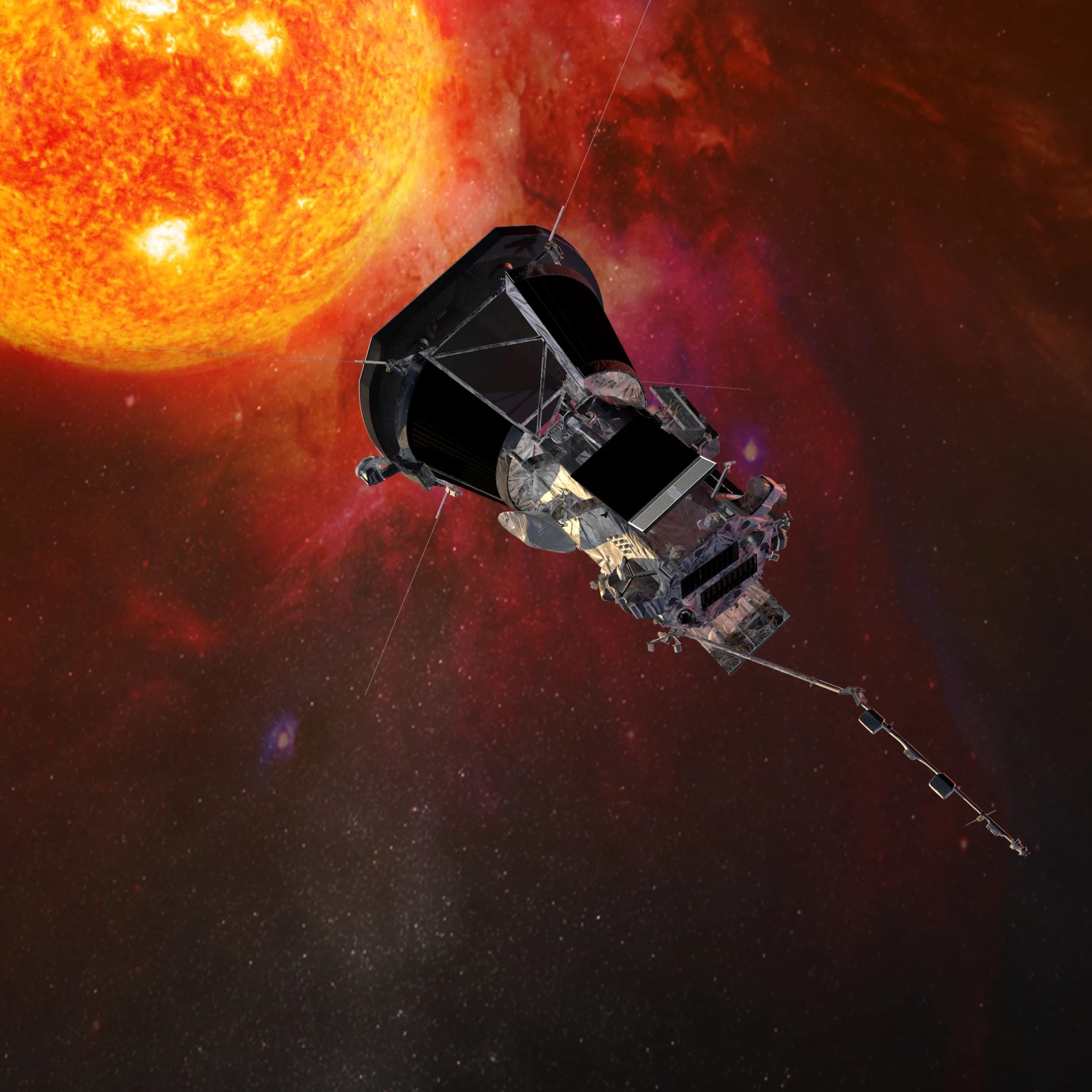
Parker Solar Probe
On a mission to “touch the Sun,” NASA's Parker Solar Probe became the first spacecraft to fly through the corona…
Juno
NASA’s Juno spacecraft entered orbit around Jupiter in 2016, the first explorer to peer below the planet's dense clouds to…