












You Can Do Planetary Science
NASA planetary citizen science projects, open to anyone around the world, encourage volunteers to join research projects exploring the origins and composition of our solar system. Learn more below about how to participate in or start a project.
Volunteers Contribute to Science
Citizen Science
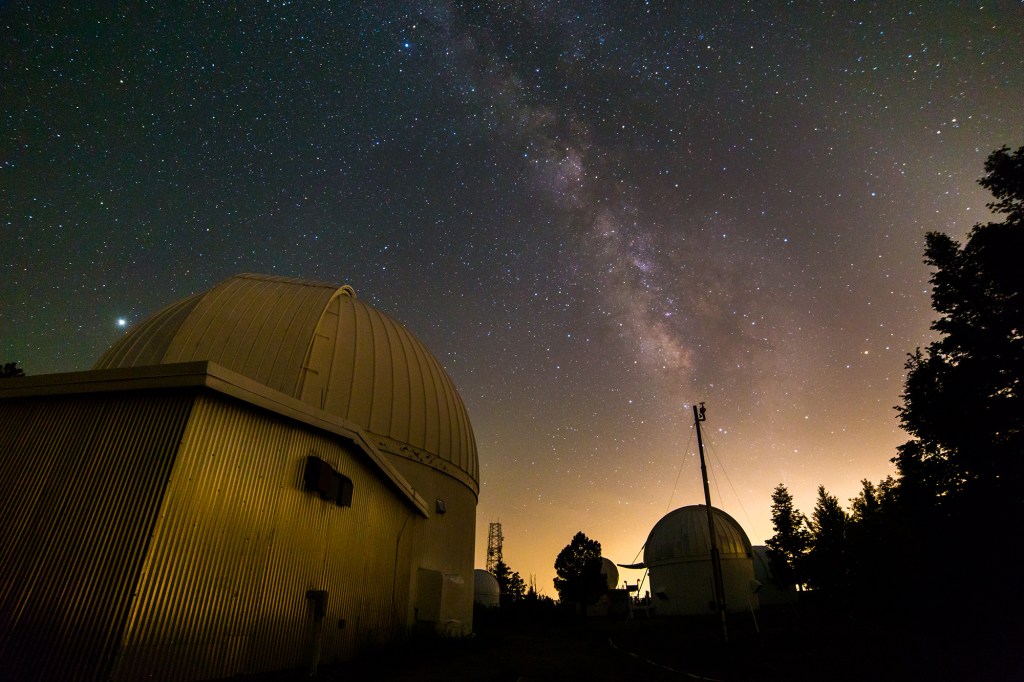
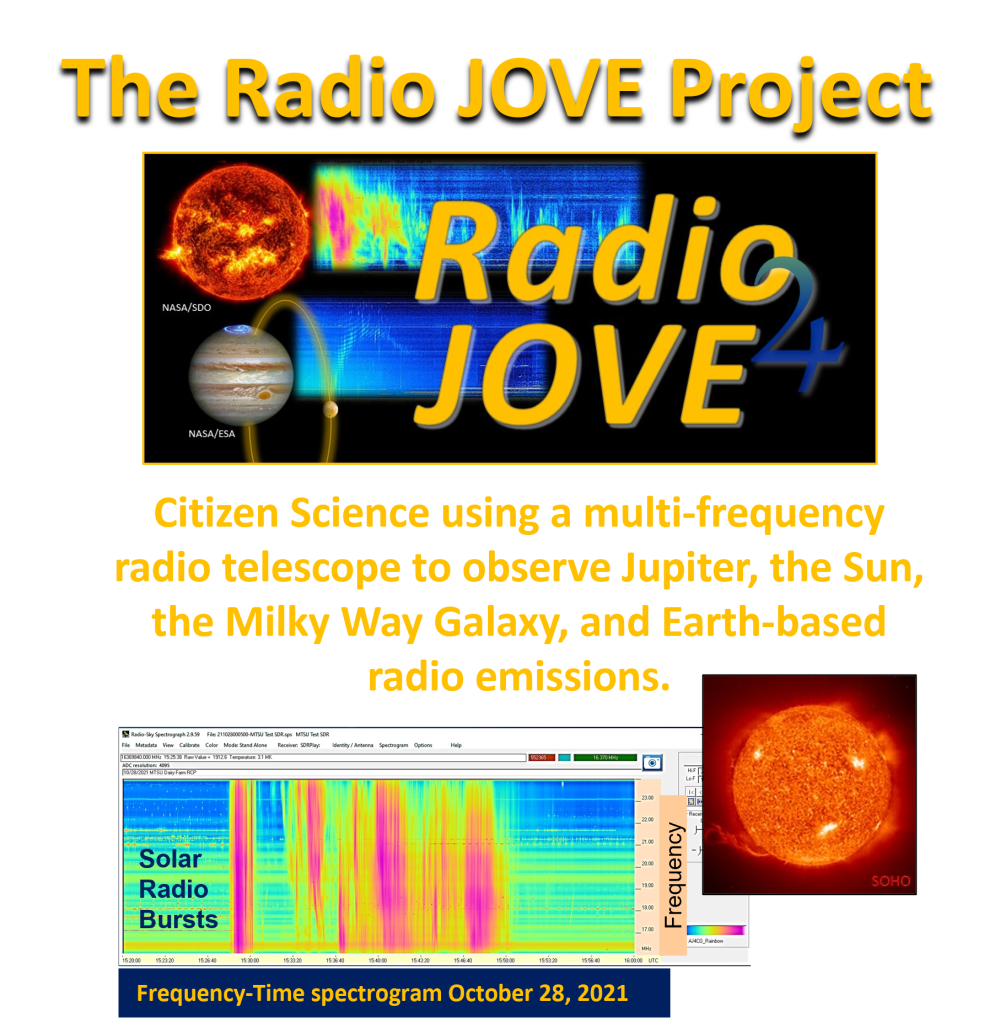
Volunteer individuals or organizations from anywhere and with any amount of scientific background help complete NASA planetary research in myriad ways, including building radio telescopes, writing software, creating mission-based artwork, translating project materials into other languages, engaging in research at observatories, and writing (and winning) telescope use proposals.
Join a Planetary Science Project
Amateur astronomers and volunteer (citizen) scientists discovered most of the known planets and comets, and they continue to make major contributions to planetary science research. Anyone around the world can join NASA’s planetary science efforts as an amateur/citizen scientist by participating in one of the projects below.

Active Asteroids
Help to find new asteroids with comet tails in the search for water and ice in space.

Backyard Worlds: Planet 9
Is there a large planet beyond Neptune? Help search for it, using data from NASA's WISE mission.
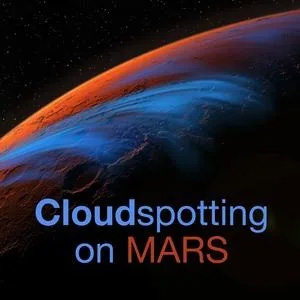
Cloudspotting on Mars
Assist researchers in reviewing 15 years of cloud observations on Mars to confirm and classify images.

Cloudspotting on Mars: Shapes
Map cloud formations in images of the Martian atmosphere. For anyone with a smartphone or laptop.
Daily Minor Planet
Using data from the Catalina Sky Survey, look for asteroids and help spot potential Earth impactors.

International Astronomical Search Collaboration
Use astronomical data to make discoveries, including the search for asteroids. This program includes resources for formal curricula.
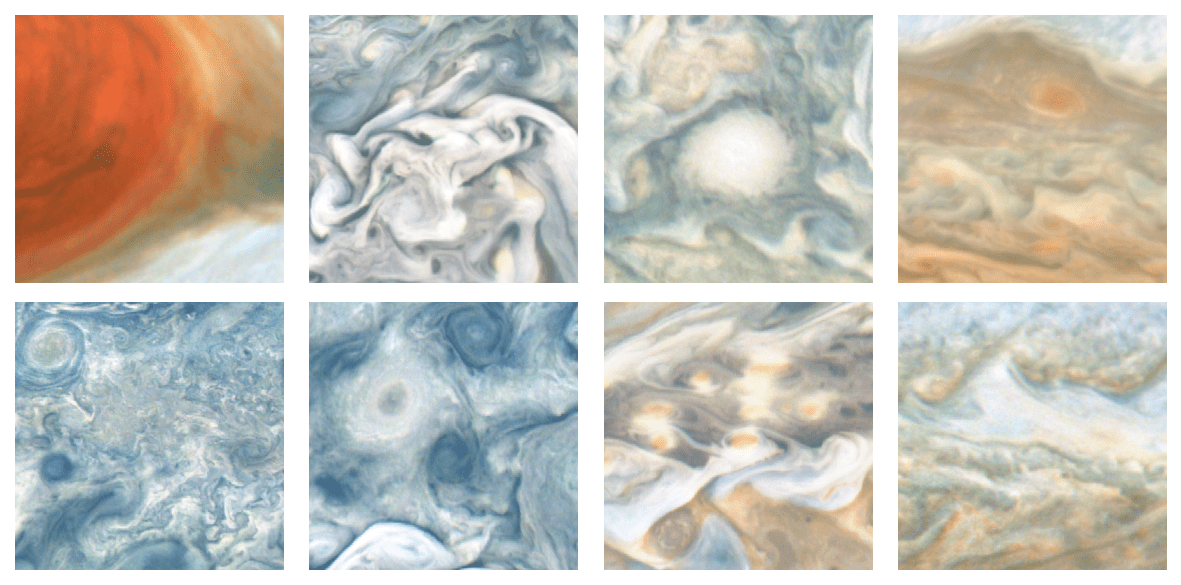
JunoCam
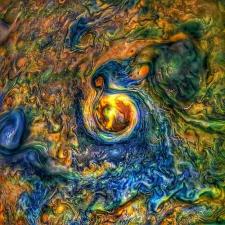
Amateur astronomers upload telescope images and data of Jupiter, which help inform NASA’s Juno mission.
Lunar Melt
Help map the Moon’s molten flows using images from NASA’s Lunar Reconnaissance Orbiter spacecraft.
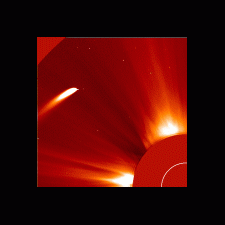
Sungrazer Project
Discover previously unknown comets using data from NASA’s SOHO and STEREO missions.
Shared Discoveries
Volunteers worldwide engaged in NASA citizen science projects may contribute planetary discoveries that enable them to become co-authors on published papers.
See papers utilizing planetary citizen science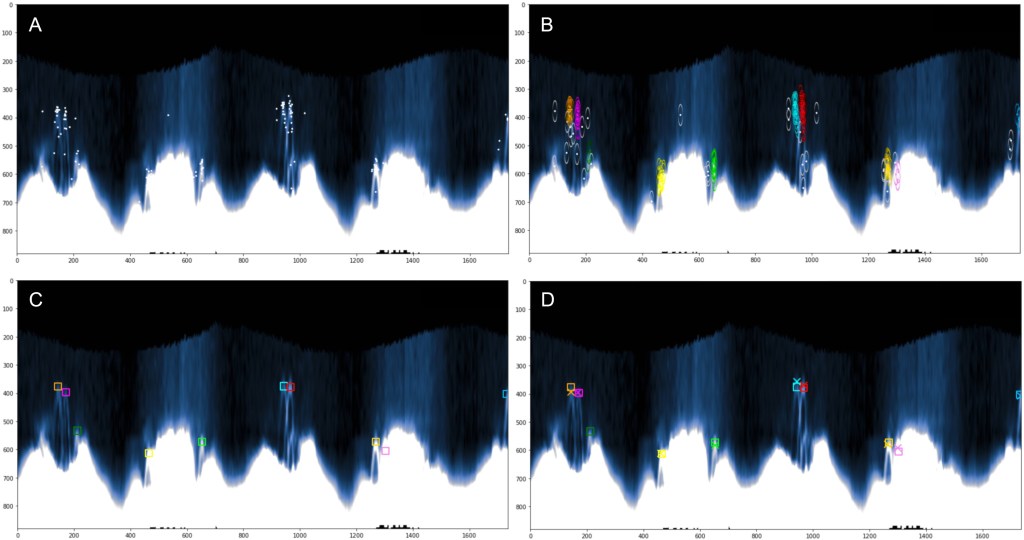
For Researchers
Information to help researchers launch a citizen science project
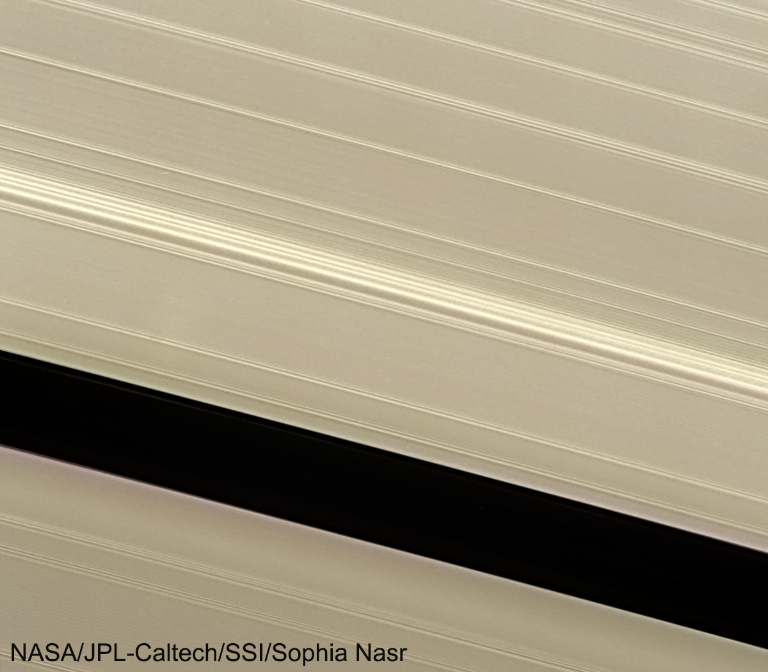
NASA Resources
NASA's Science Mission Directorate has collected myriad citizen science resources online for project leaders.
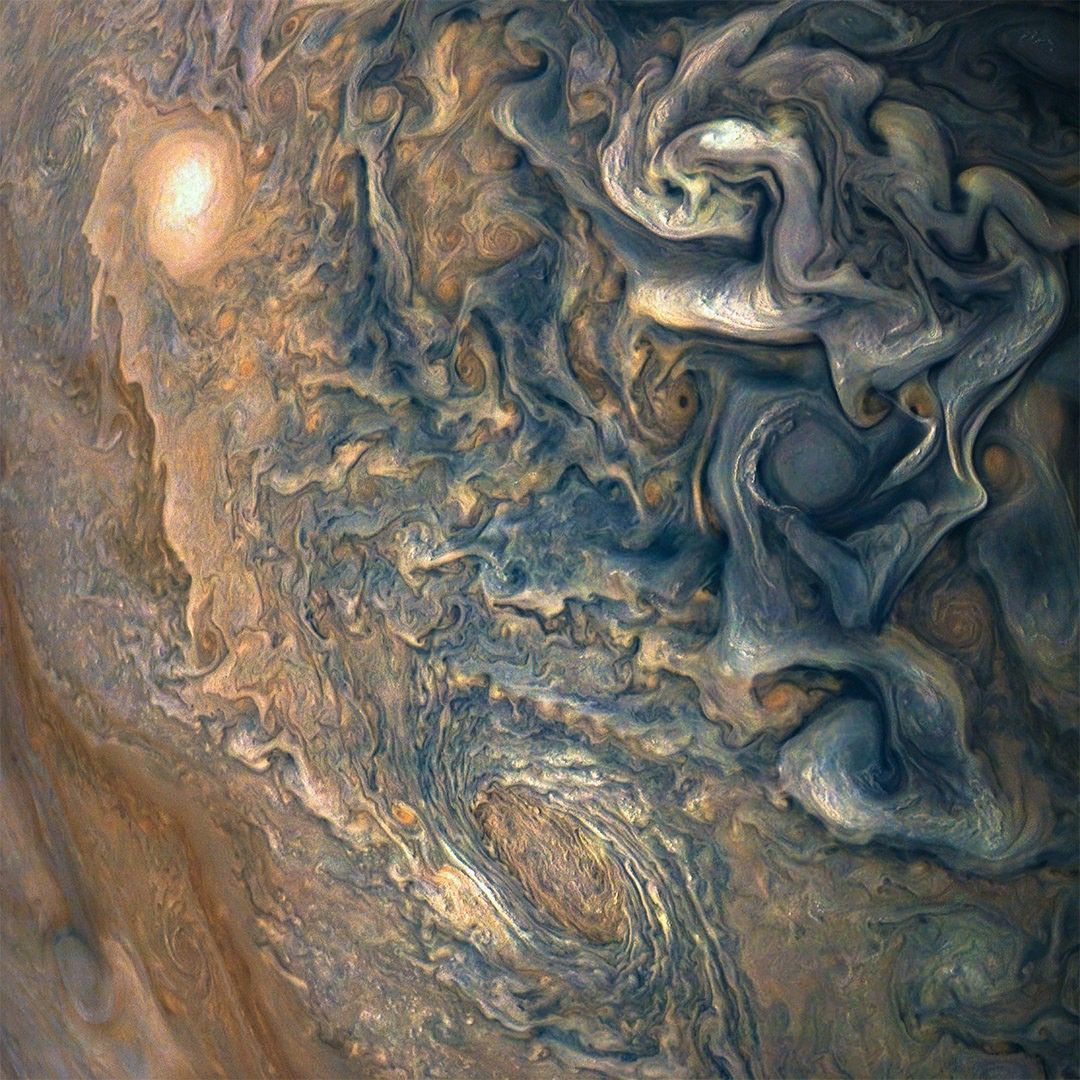
Seed Funding
Resources linked here assist researchers who want to propose citizen science projects, including 1-year seed funding opportunities.
NASA CitSci Leaders Series
This NASA site is a hub of virtual events for current, past, and future citizen science program leaders to share best practices for successful projects.
Partnership Opportunities
The Established Program to Stimulate Competitive Research Program (EPSCoR) establishes partnerships to strengthen the research capability of jurisdictions that have not in the past participated equably in competitive aerospace research activities.
Resources for Federal Agencies
This U.S. government web site provides resources to accelerate the use of crowdsourcing and citizen science with searchable project database, community connections, and toolkits.






Discover More Topics From NASA
Planetary Science
NASA’s planetary science program explores the objects in our solar system to better understand its history and the distribution of…
Solar System: Exploration
Earth’s Moon
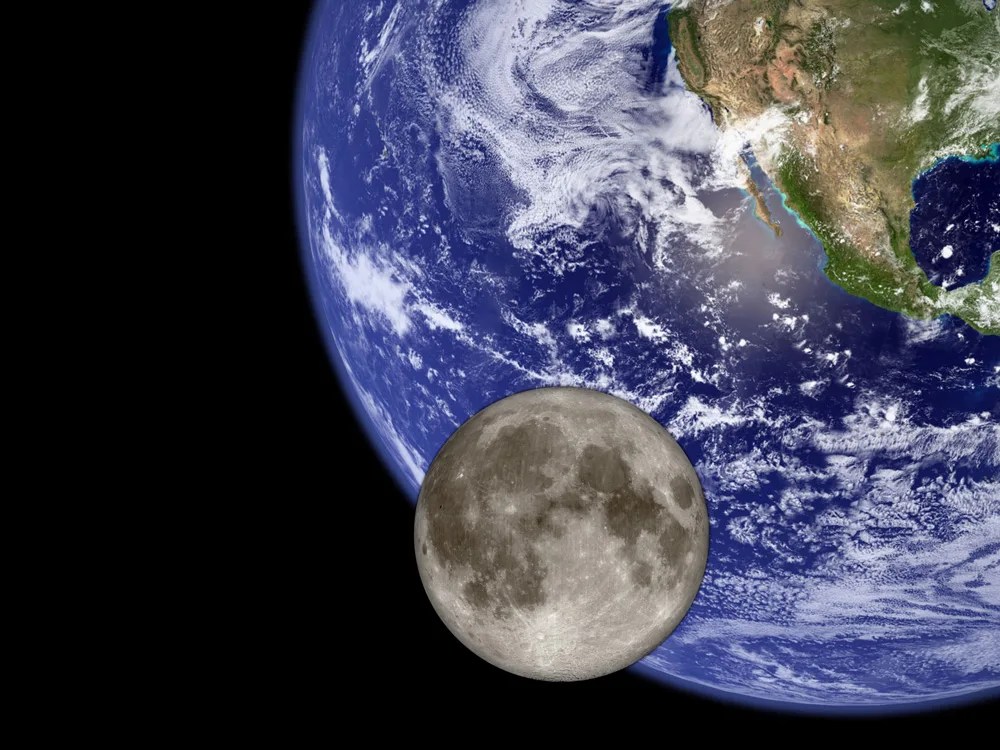
The Moon makes Earth more livable, sets the rhythm of ocean tides, and keeps a record of our solar system's…
Planetary Science Stories