Introduction
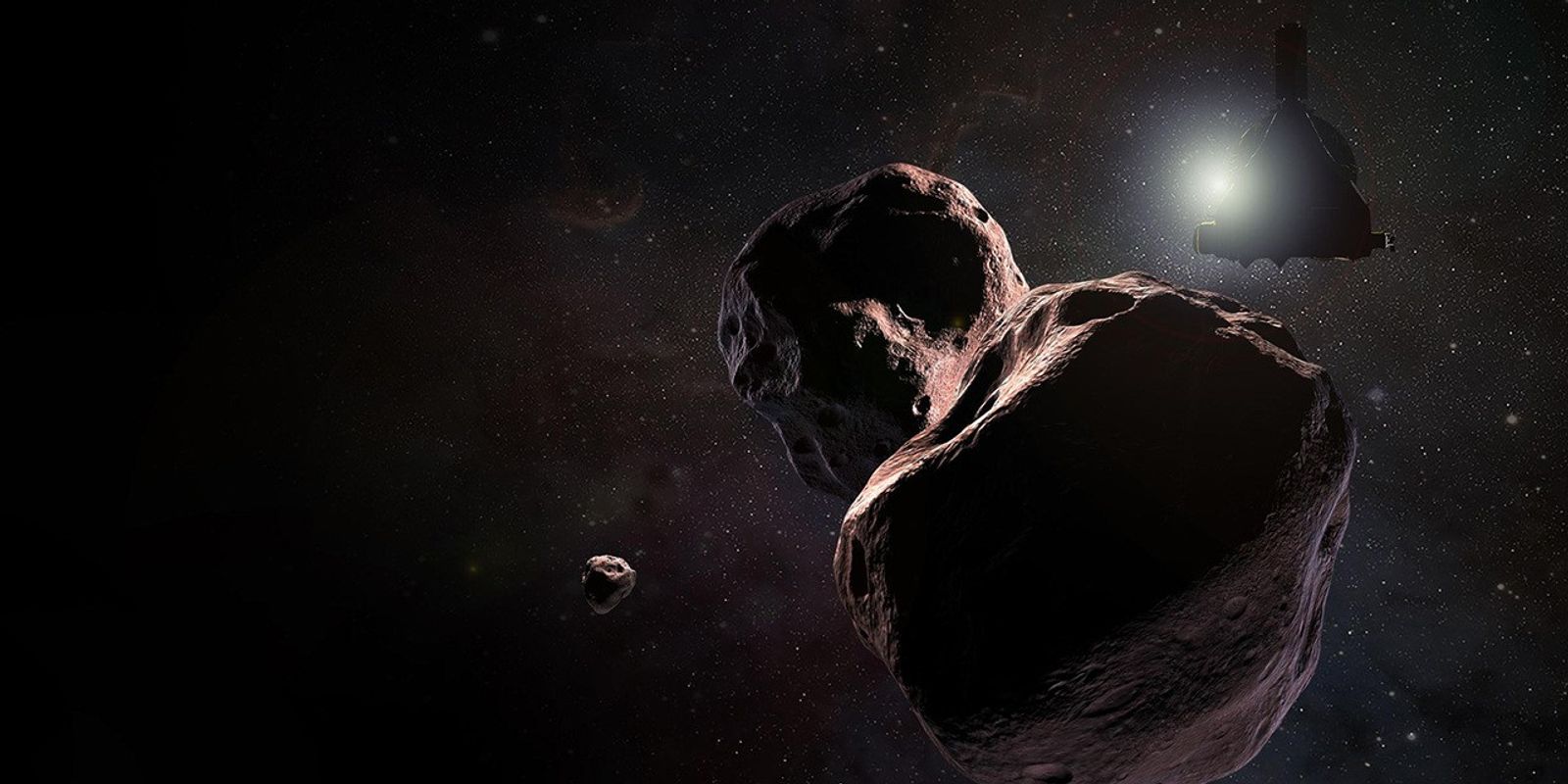
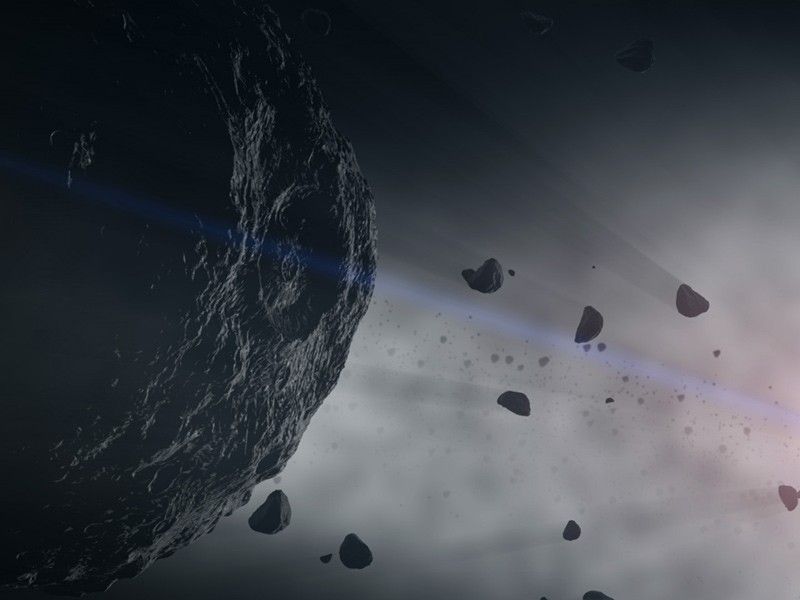
Asteroids, sometimes called minor planets, are rocky, airless remnants left over from the early formation of our solar system about 4.6 billion years ago.
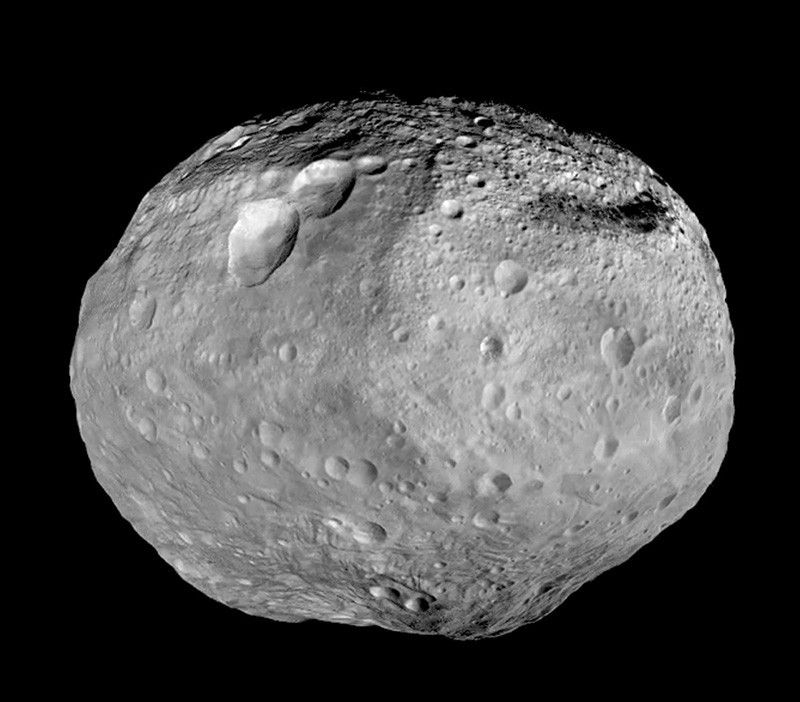
Most asteroids can be found orbiting the Sun between Mars and Jupiter within the main asteroid belt. Asteroids range in size from Vesta – the largest at about 329 miles (530 kilometers) in diameter – to bodies that are less than 33 feet (10 meters) across. The total mass of all the asteroids combined is less than that of Earth's Moon.
What if We Discovered an Asteroid Headed for Earth?
NASA’s DART Mission Changed Orbit of Asteroid Didymos Around Sun
New research reveals that when NASA’s DART (Double Asteroid Redirection Test) spacecraft intentionally impacted the asteroid moonlet Dimorphos in September…
Read the Story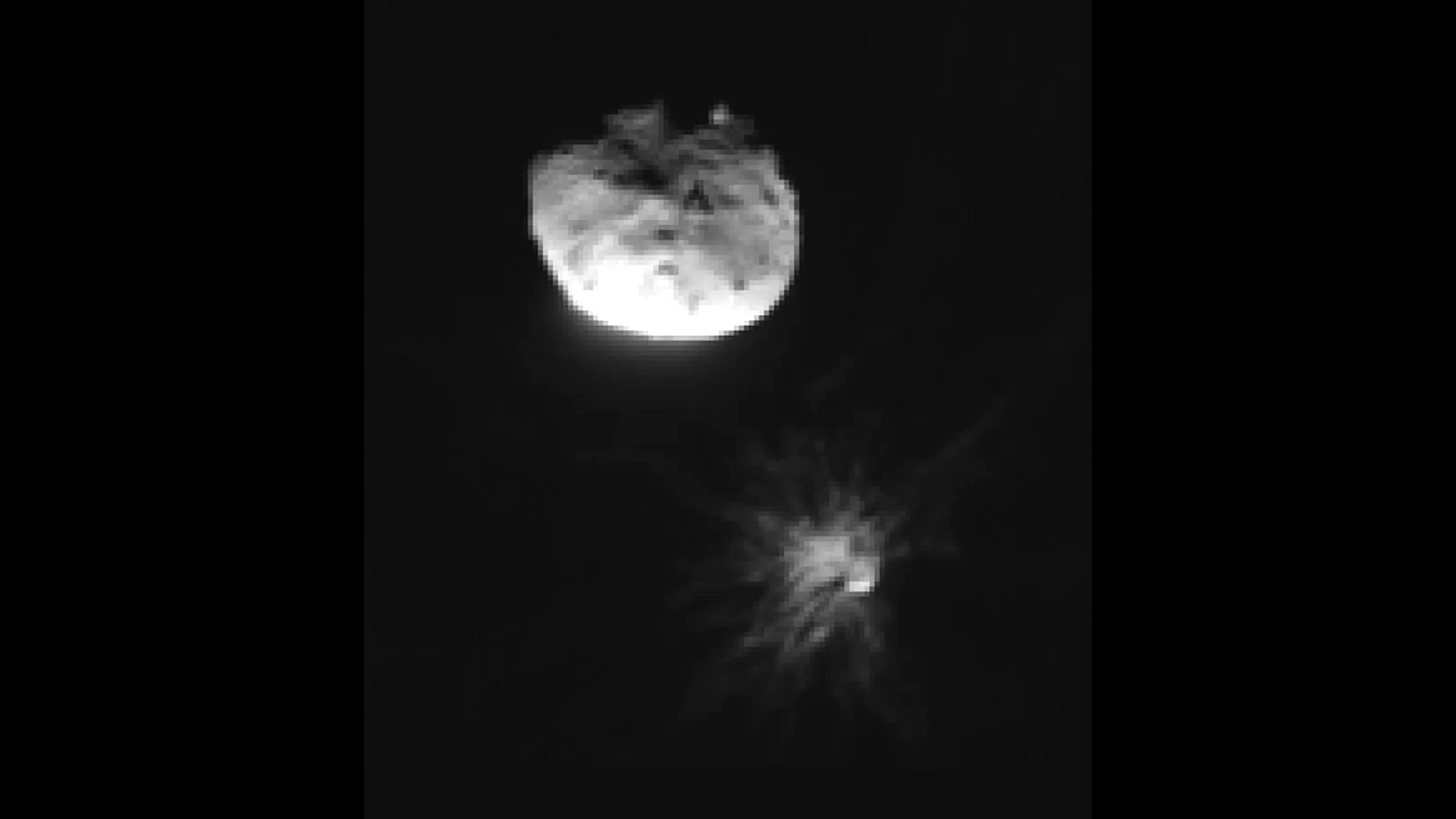
Asteroids
Latest Asteroid Count
For the most up to date count of asteroids in our solar system, please visit NASA/JPL's Solar System Dynamics website.
Featured Asteroids
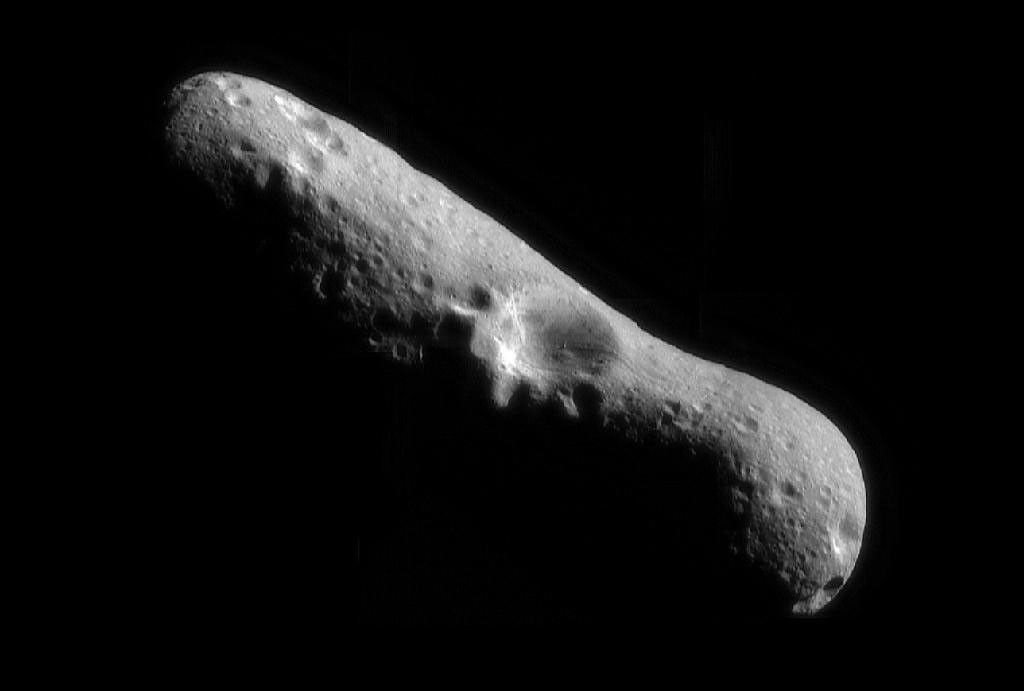
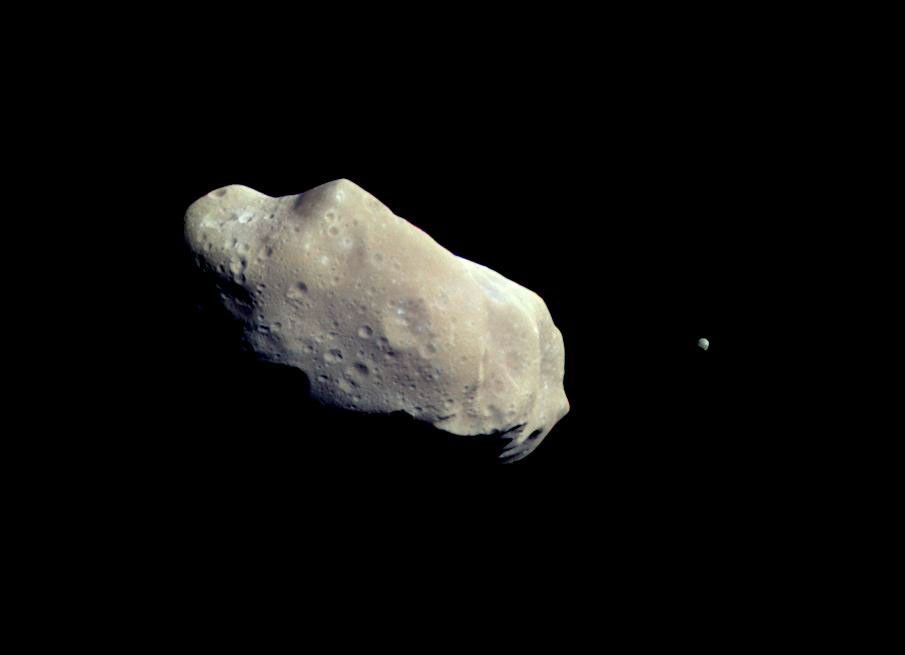
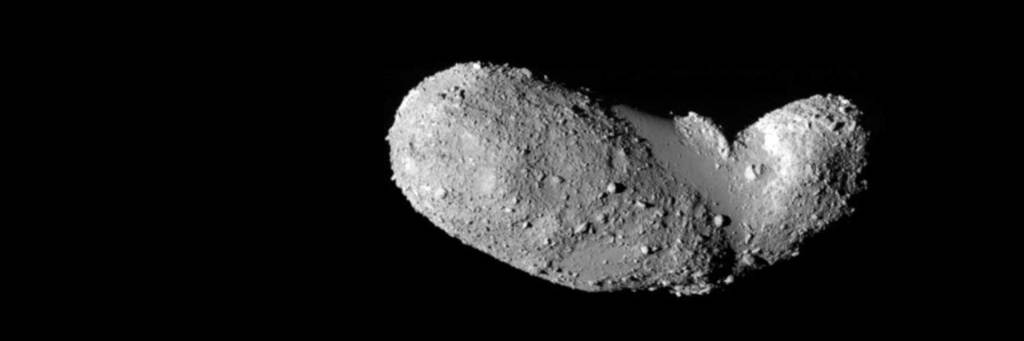
NASA has sent several robotic spacecraft to study asteroids up close to learn about their composition and size. Many other asteroids have been observed with telescopes here on Earth.
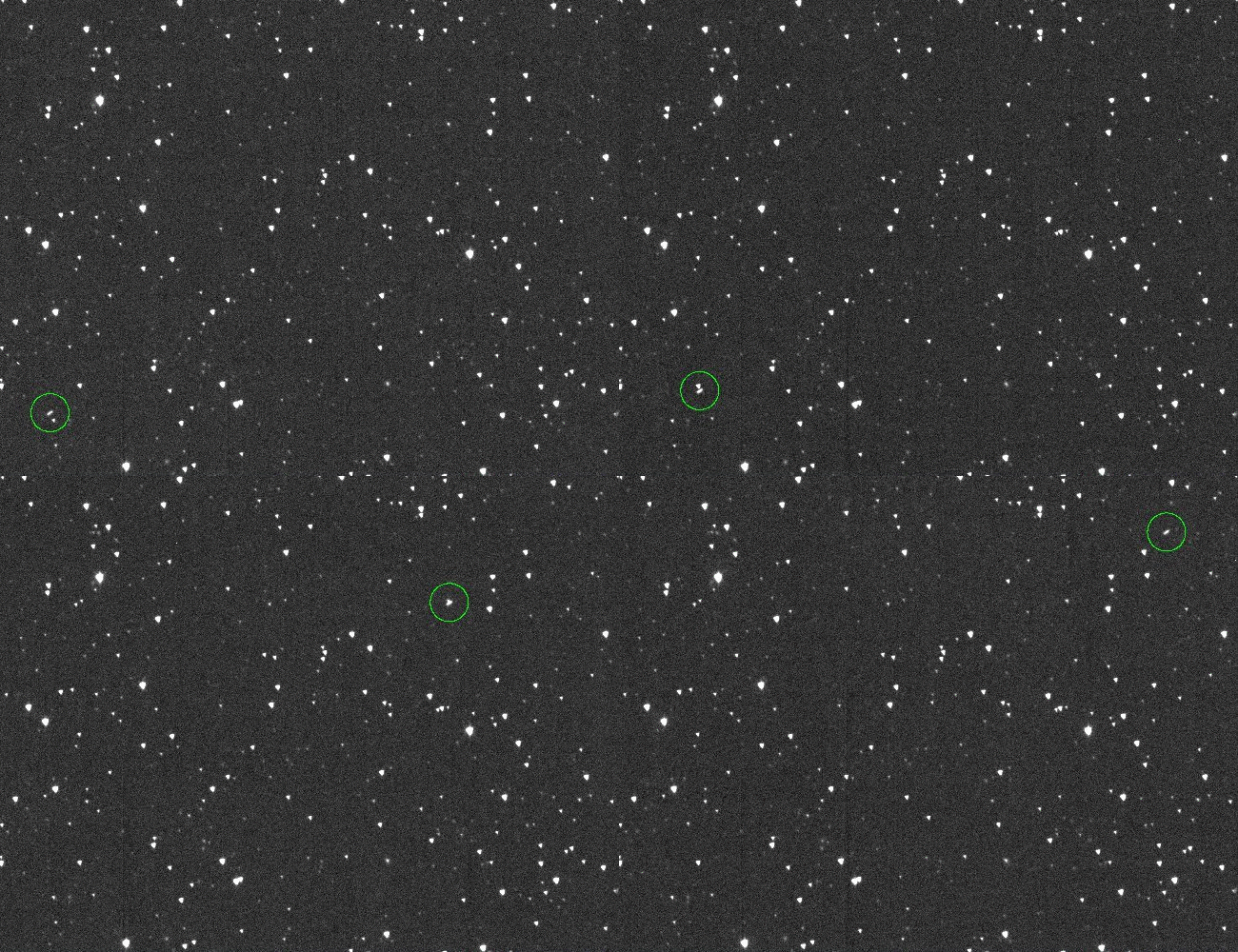
2024 YR4
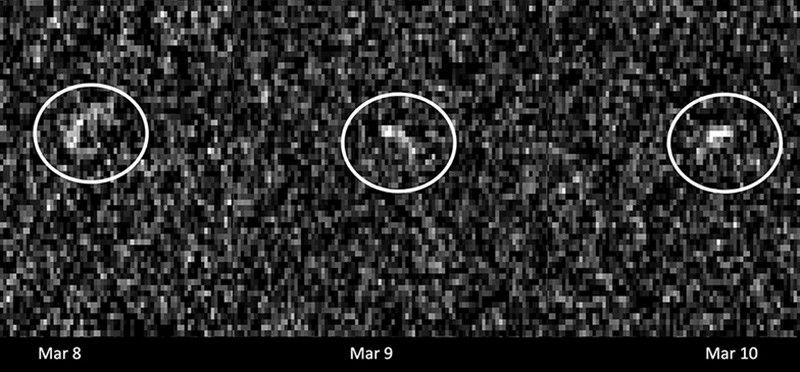

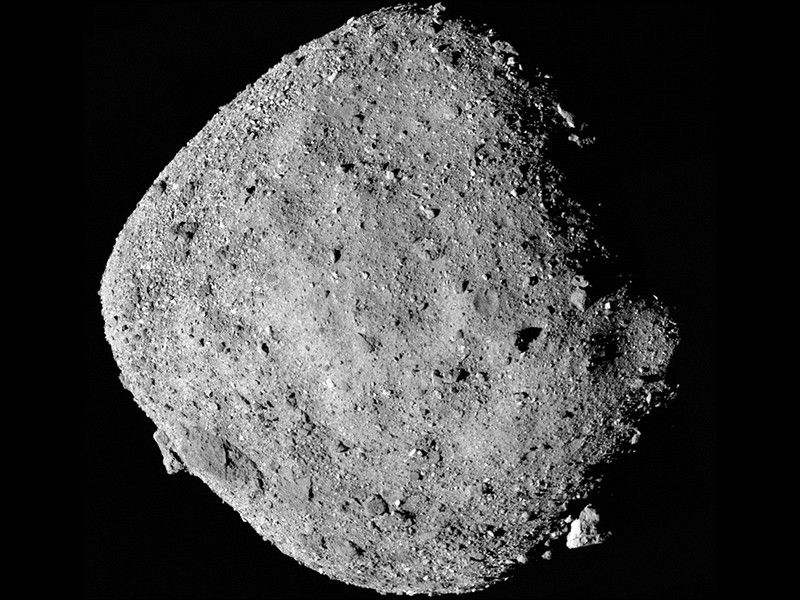
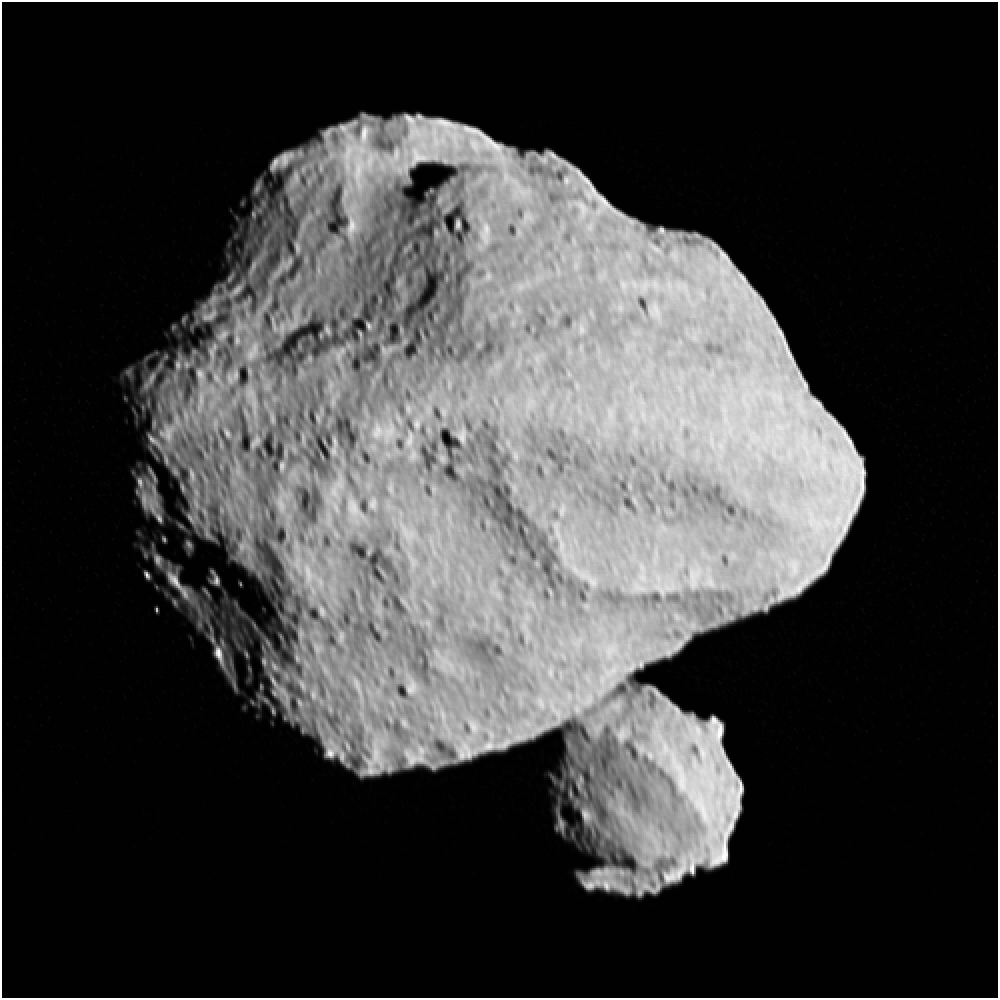
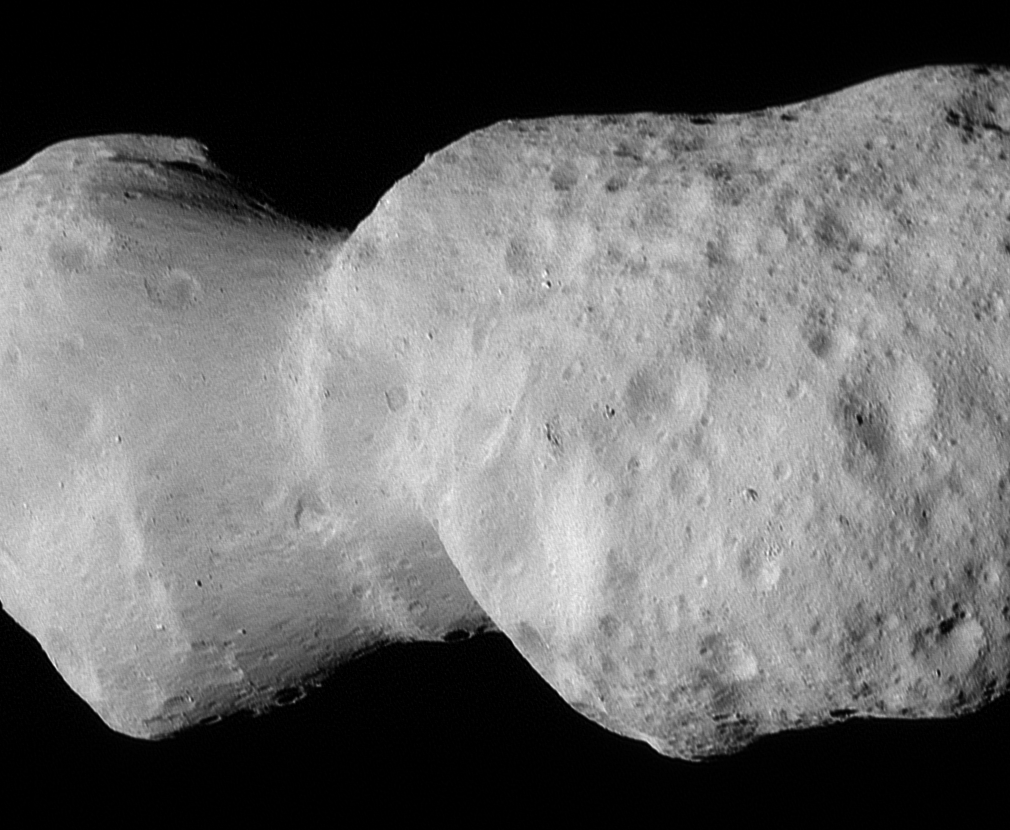
Donaldjohanson
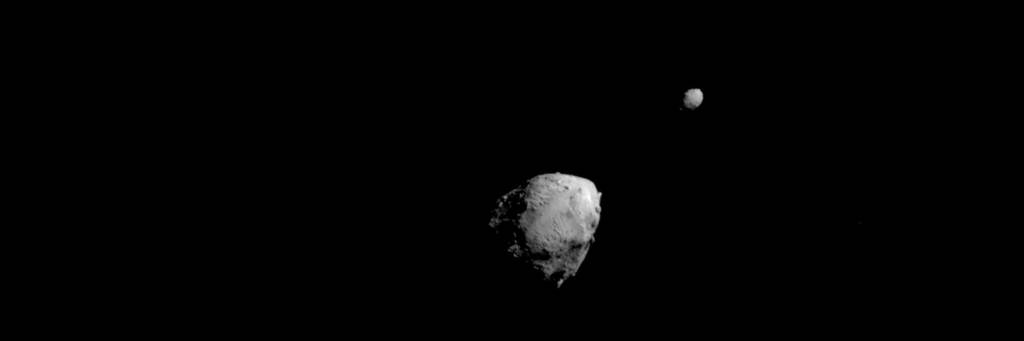
Didymos and Dimorphos
Latest News

Resources
Planetary Defense Coordination Office (PDCO)
The PDCO manages NASA's mission to find, track, and better understand asteroids and comets that could pose an impact hazard to Earth.
Center for Near Earth Object Studies (CNEOS)
CNEOS computes high-precision orbits for Near-Earth Objects (NEOs) in support of NASA’s Planetary Defense Coordination Office.

Minor Planet Center
An alphabetical list of asteroid names.
National Space Science Data Center: Asteroids
Asteroid fact sheets, and more.