Introduction
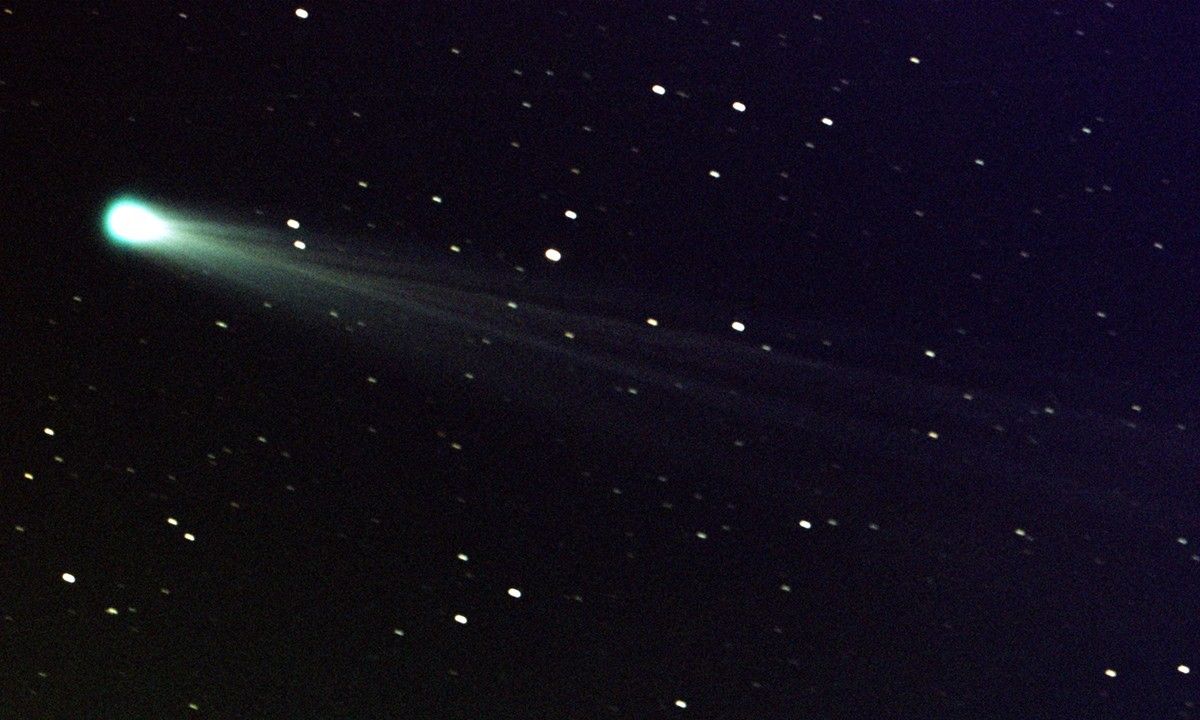
Comets are cosmic snowballs of frozen gases, rock, and dust that orbit the Sun. When frozen, they are the size of a small town. When a comet's orbit brings it close to the Sun, it heats up and spews dust and gases into a giant glowing head larger than most planets. The dust and gases form a tail that stretches away from the Sun for millions of miles. There are likely billions of comets orbiting our Sun in the Kuiper Belt and even more distant Oort Cloud.
NASA’s Hubble Detects First-Ever Spin Reversal of Tiny Comet
Astronomers using NASA’s Hubble Space Telescope have found evidence that the spinning of a small comet slowed and then reversed…
Read the StoryHow many comets are there?
Latest Comet Count
For the most up to date count of comets, visit NASA/JPL's Solar System Dynamics website.
Eyes on the Solar System
Featured Comets
3I/ATLAS
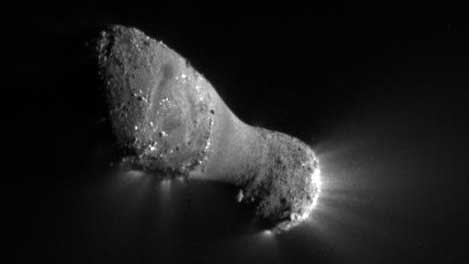
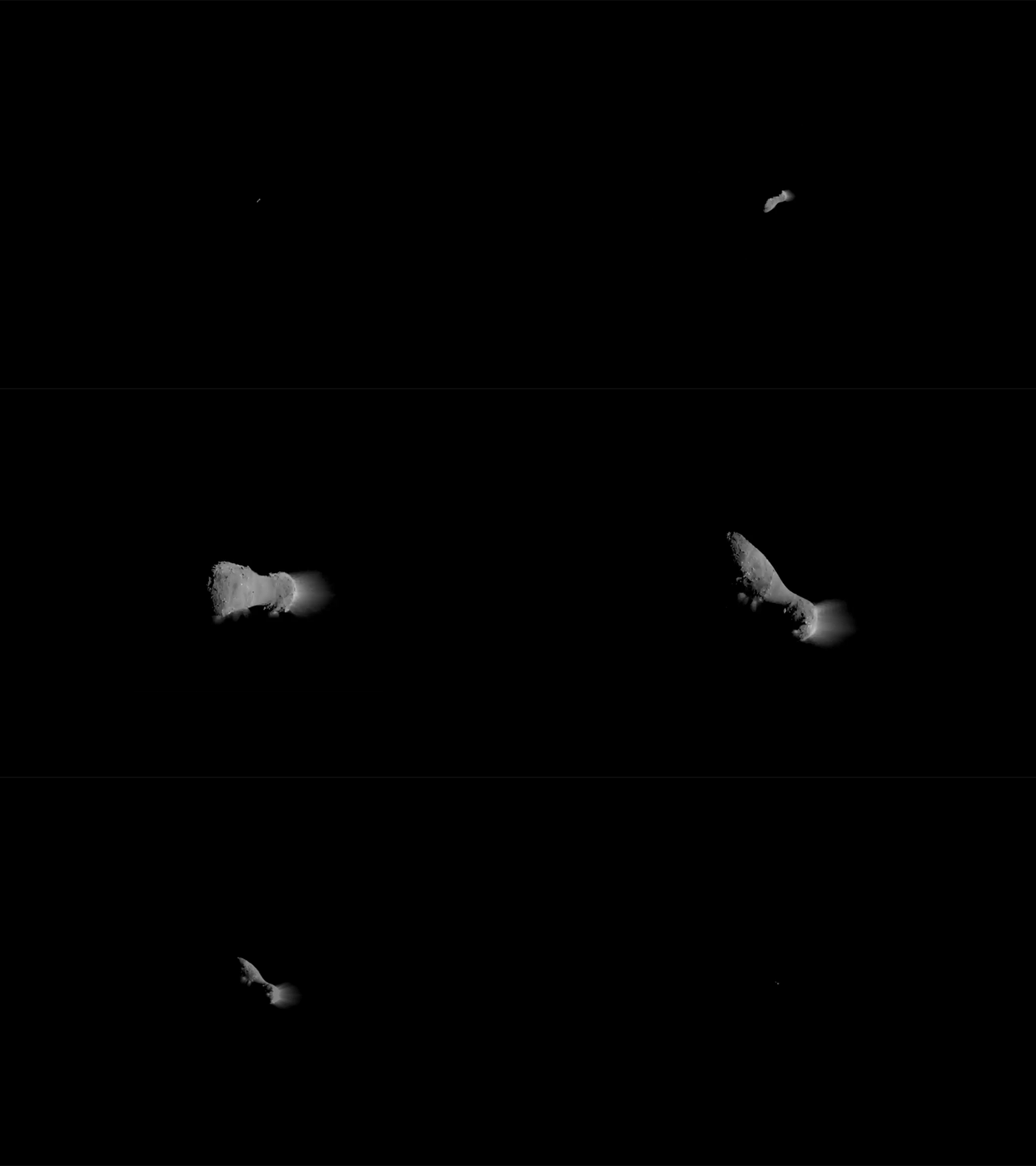
Comet 103P/Hartley (Hartley 2)
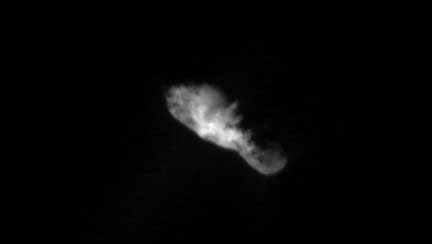
Comet 19P/Borrelly
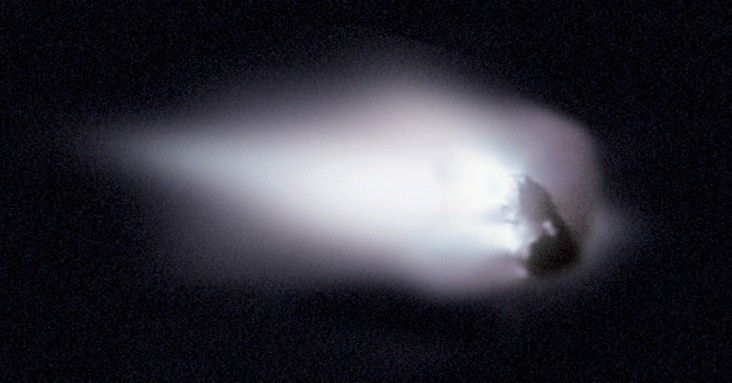
1P/Halley
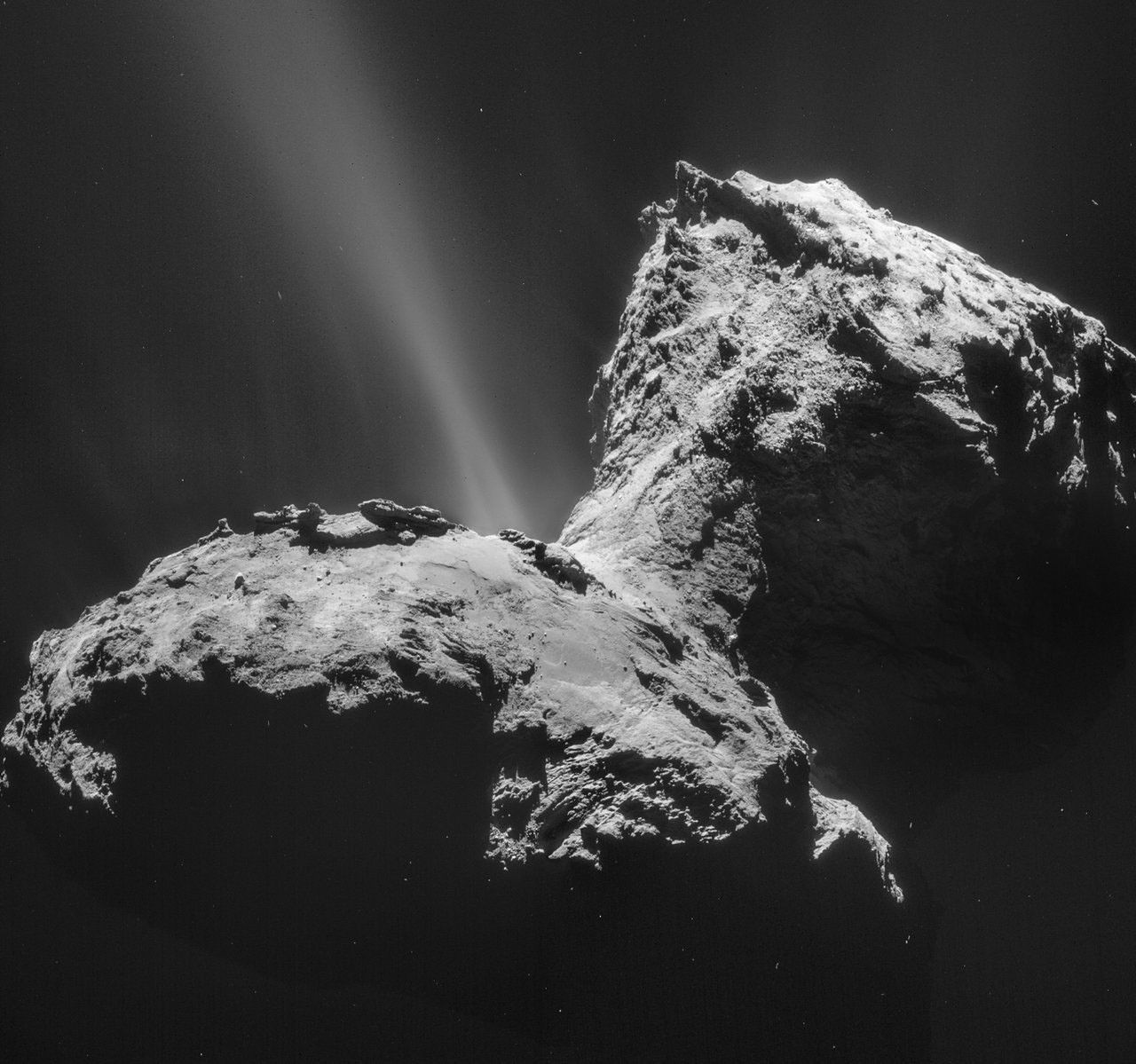
67P/Churyumov-Gerasimenko
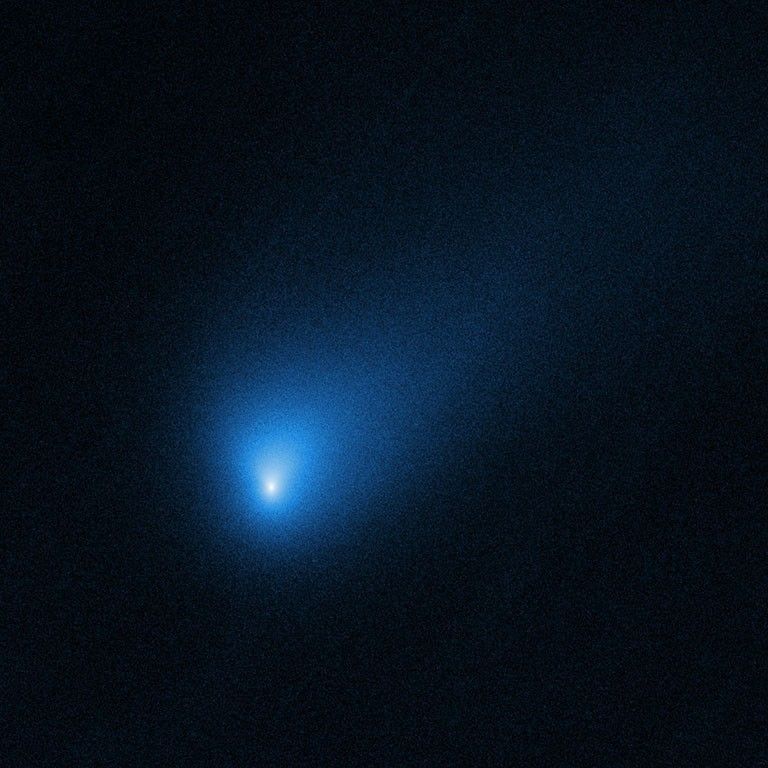
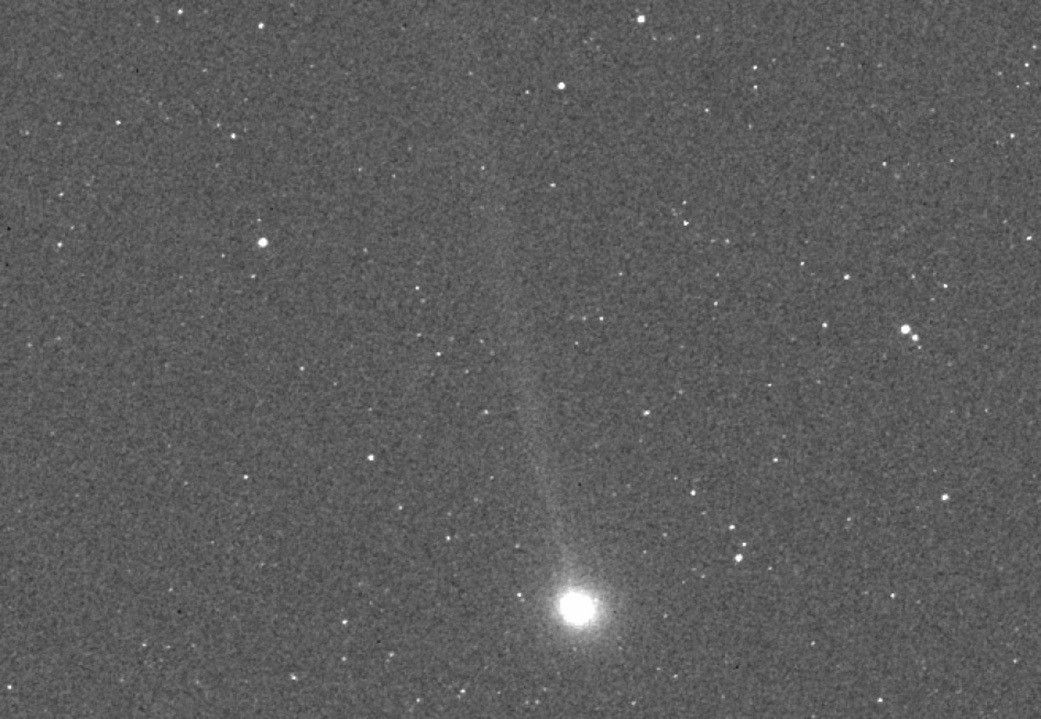
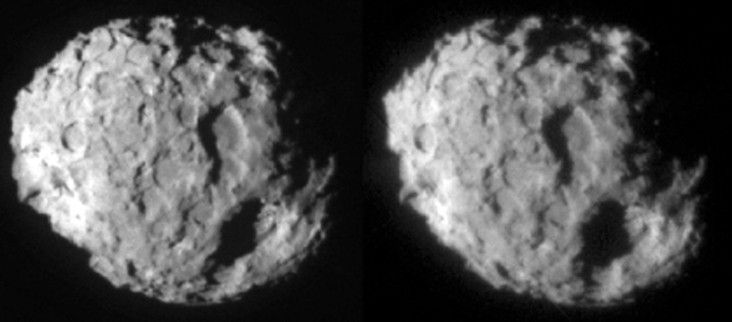
81P/Wild (Wild 2)
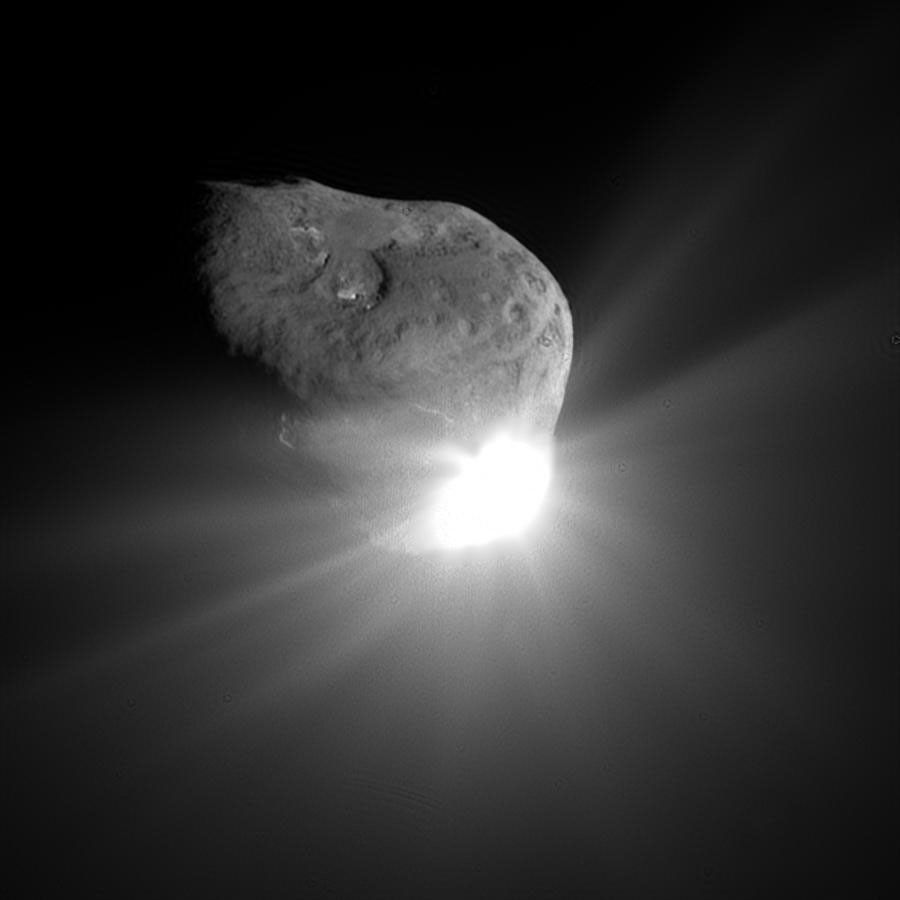
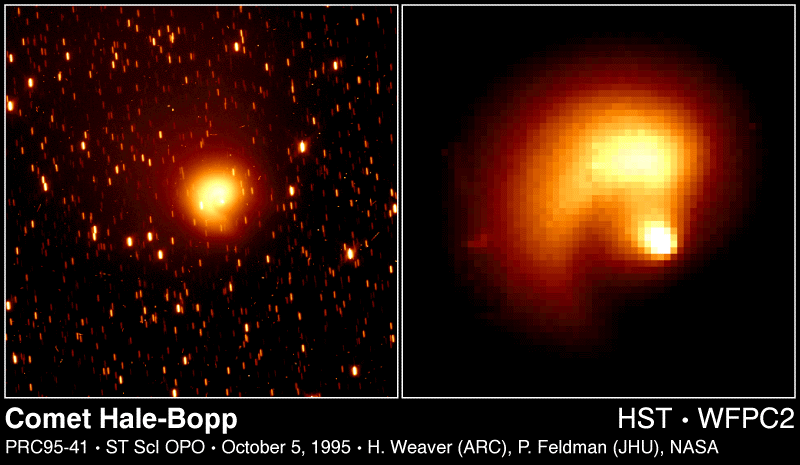
C/1995 O1 (Hale-Bopp)
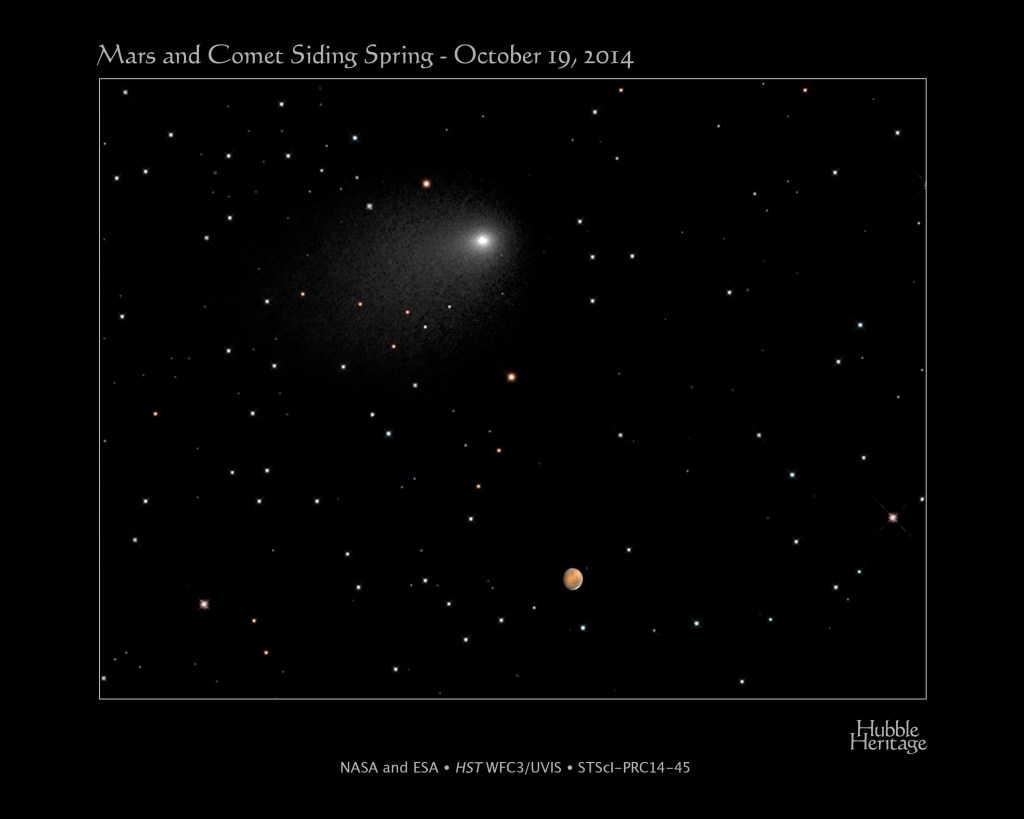
C/2013 A1 Siding Spring
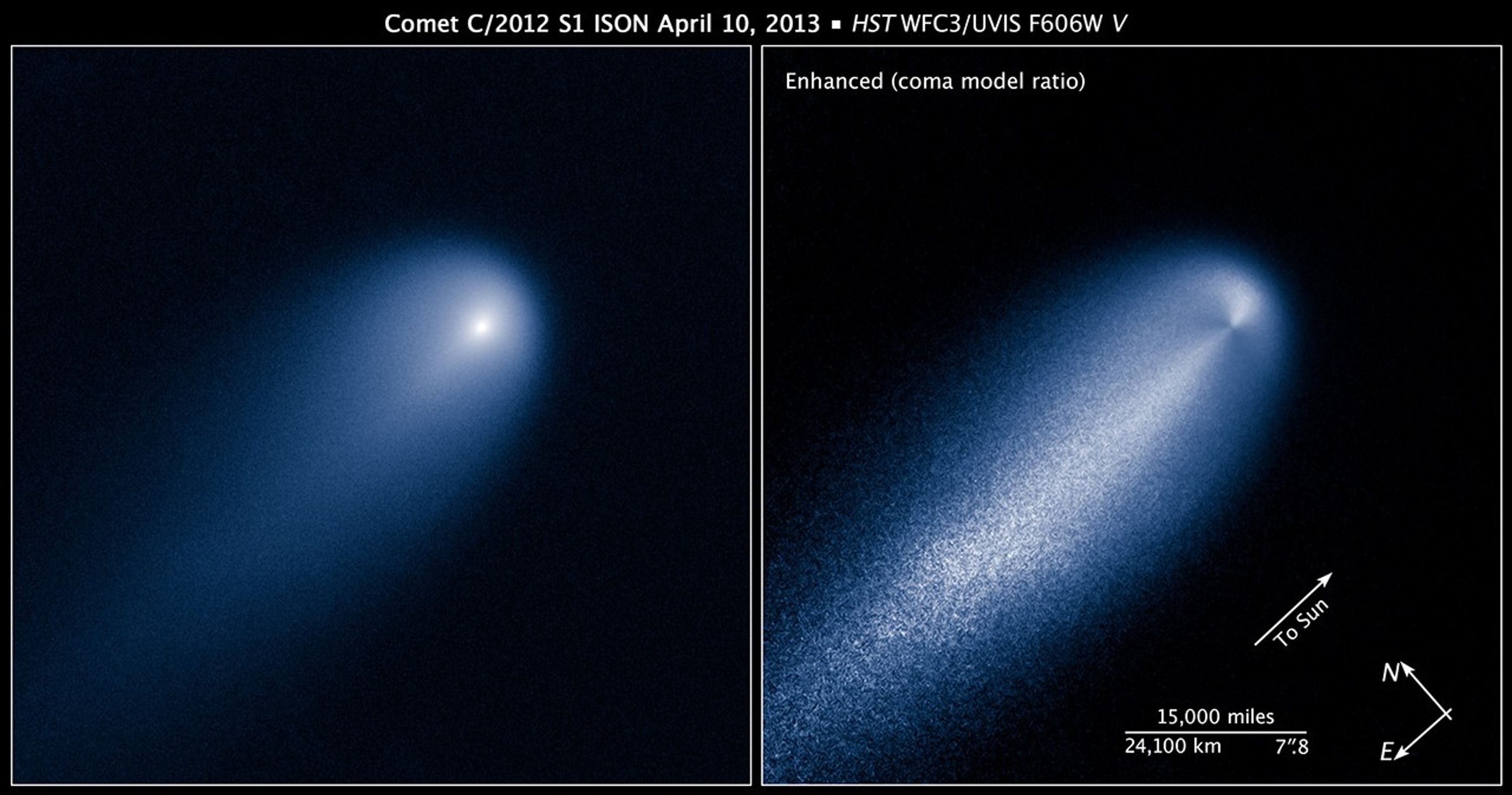
C/2012 S1 (ISON)
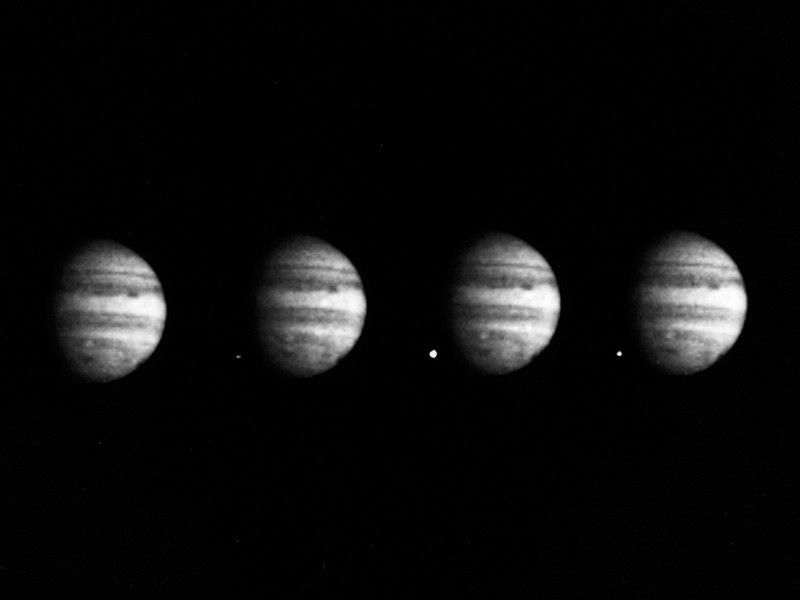
Shoemaker-Levy 9
Interstellar Object Enters Solar System; Only Third Ever Confirmed
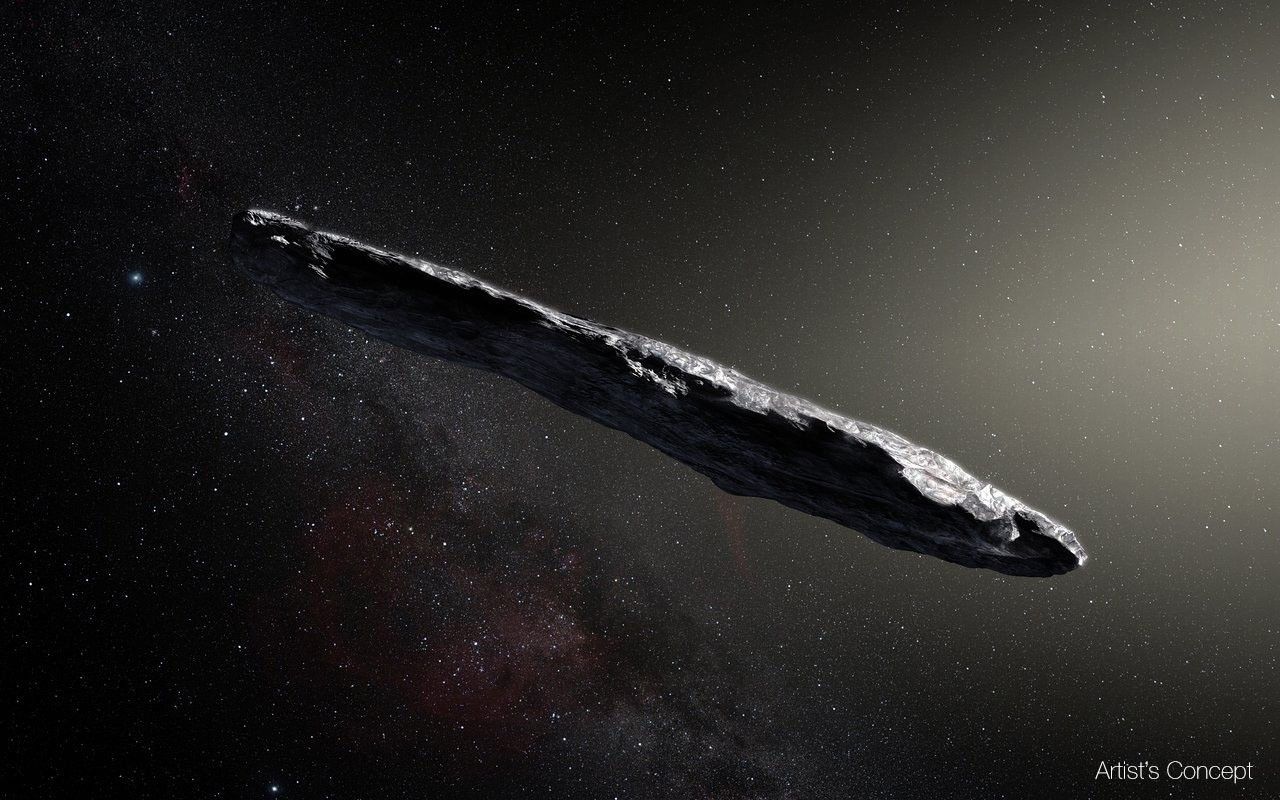
Comet 3I/ATLAS poses no threat to Earth and will remain far away, coming only about as close as the orbit of Mars. It should remain visible to ground-based telescopes through September 2025, pass behind the Sun, then reappear on the other side of the Sun by early December 2025. The first known interstellar object — ‘Oumuamua — was discovered in 2017; the second was 2I/Borisov, which was discovered in 2019.
Learn More About Interstellar Comet 3I/ATLAS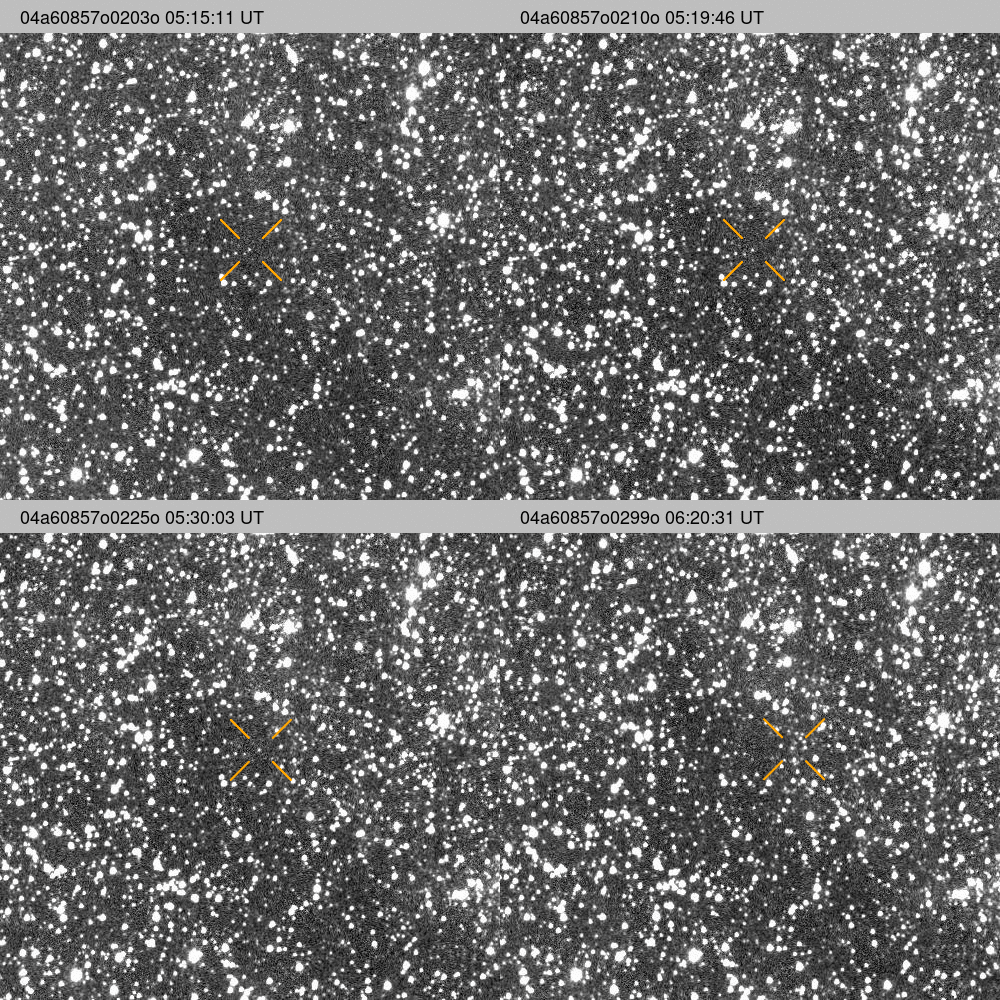
Additional Resources
NASA's Planetary Photojournal
Explore images of asteroids and comets taken by NASA's robotic spacecraft.
National Space Science Data Center: Comets
Fact sheets, FAQs, and information about missions to explore comets.