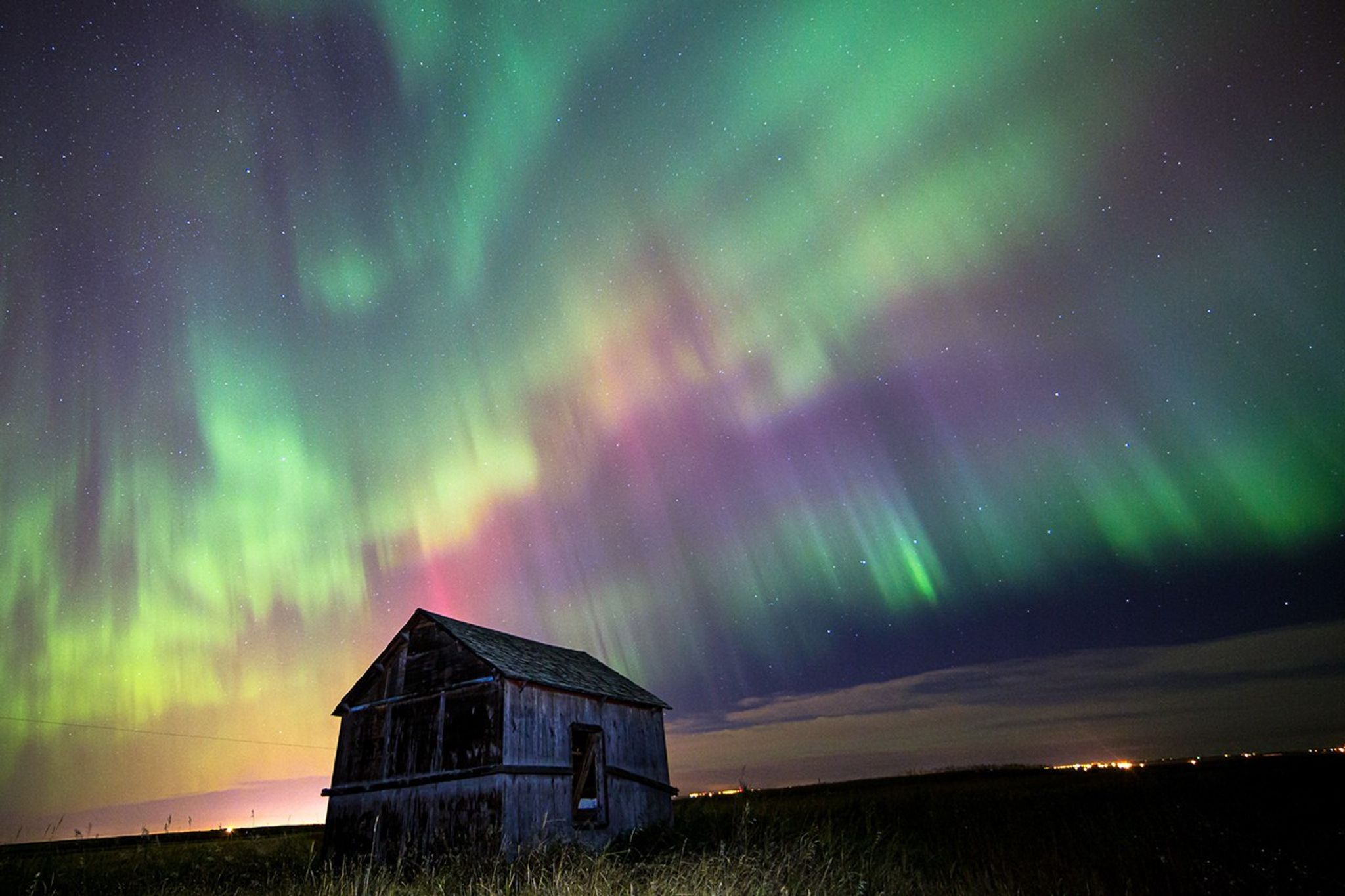
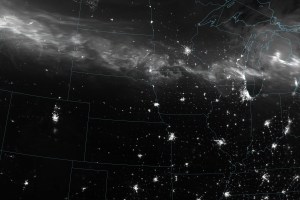
Also known as the northern lights (aurora borealis) or southern lights (aurora australis), auroras are colorful, dynamic, and often visually delicate displays of an intricate dance of particles and magnetism between the Sun and Earth called space weather.
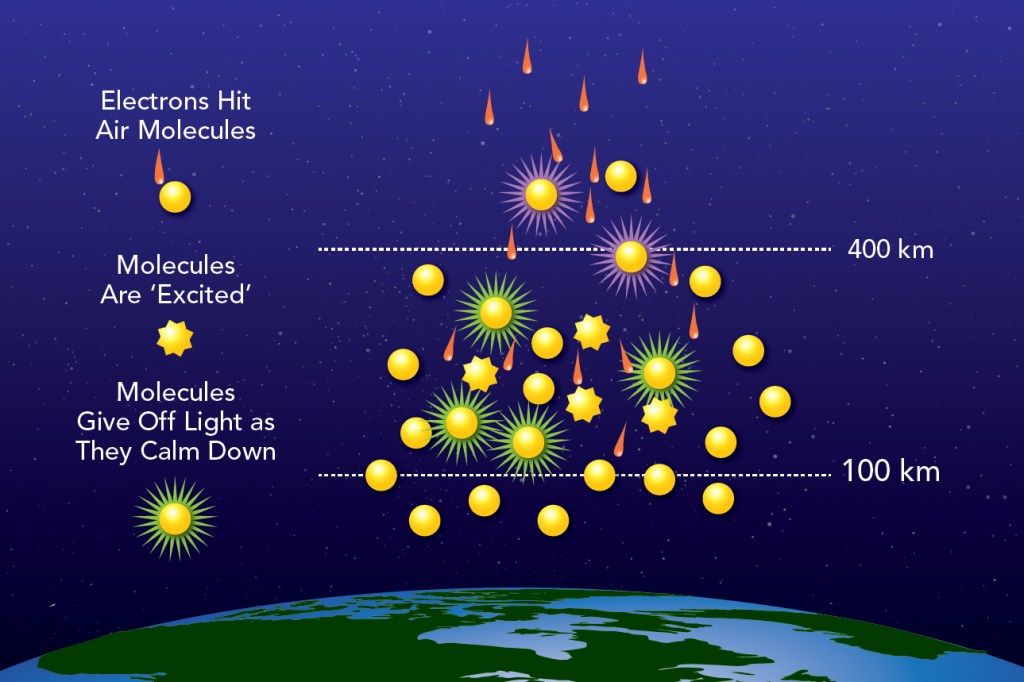
When energetic particles from space collide with atoms and molecules in the atmosphere, they can cause the colorful glow that we call auroras.
Quick Facts
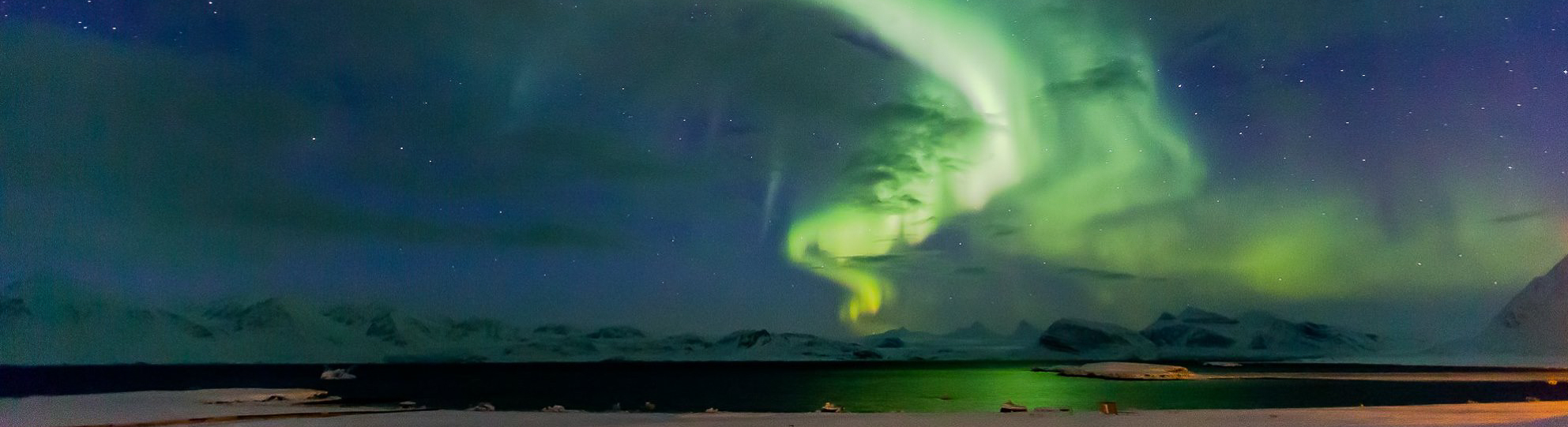
Aurora is the Latin word for "dawn" and is also the name of the Roman goddess of the dawn. Europeans living far from the Arctic Circle usually experienced auroras as a faint red glow to the north, resembling the reddish glow in the east at dawn. Aurora borealis translates to “northern dawn.” Image credit: NASA/George Varros
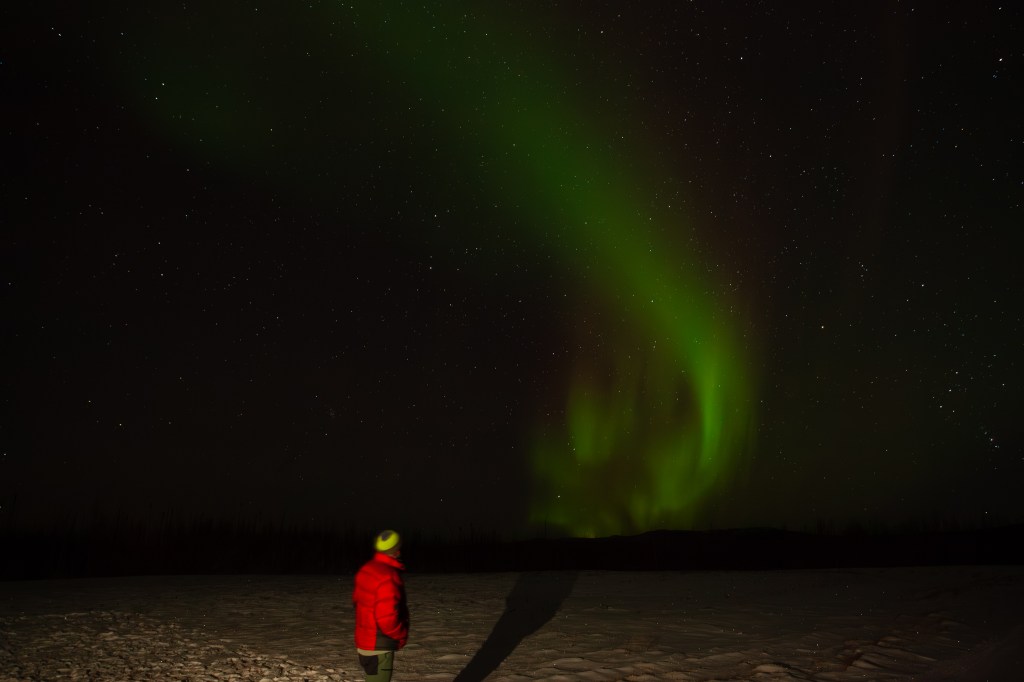
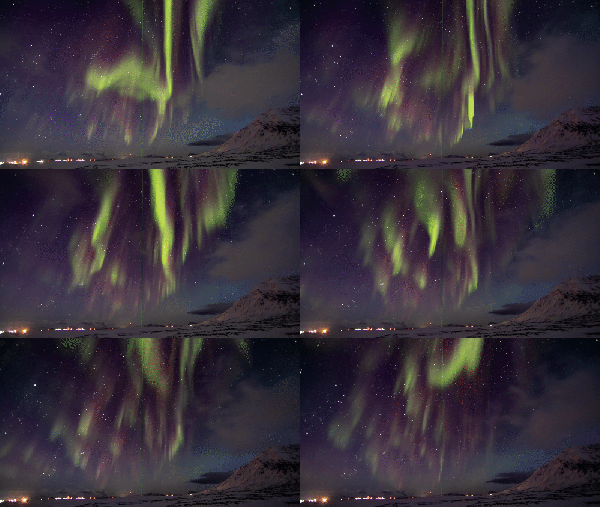
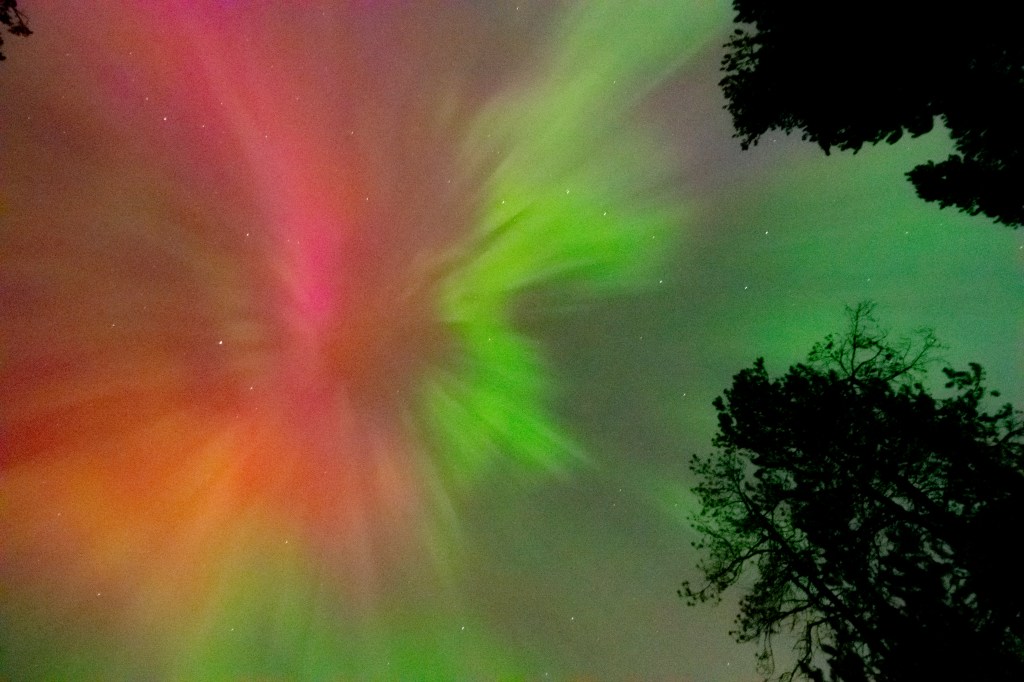
Communities around the world have observed and documented auroras for thousands of years. The Iñupiat peoples of northern Alaska call them kiuġuyat or kiuġiyaq in their language, Iñupiaq. Learn more about their perspectives with the University of Alaska Fairbanks’ Cultural Connections project. Image credit: NASA/Rachel Lense
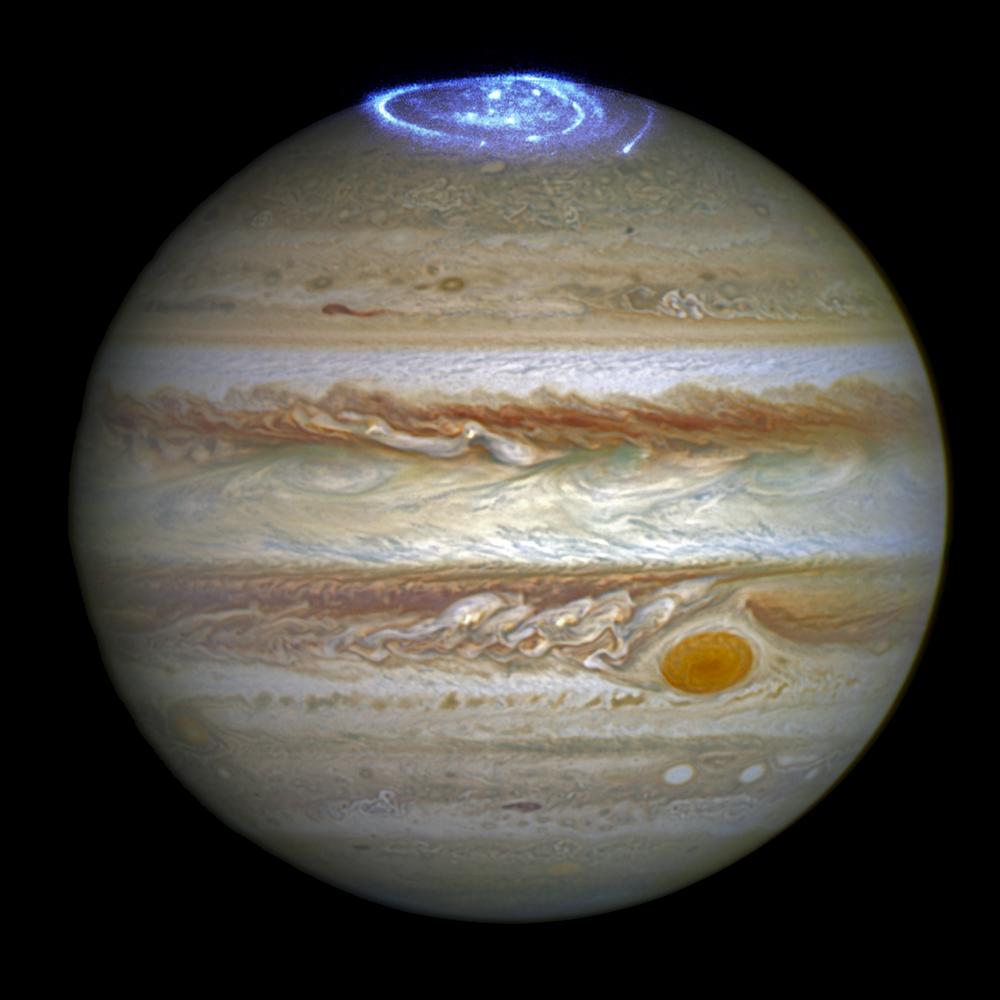
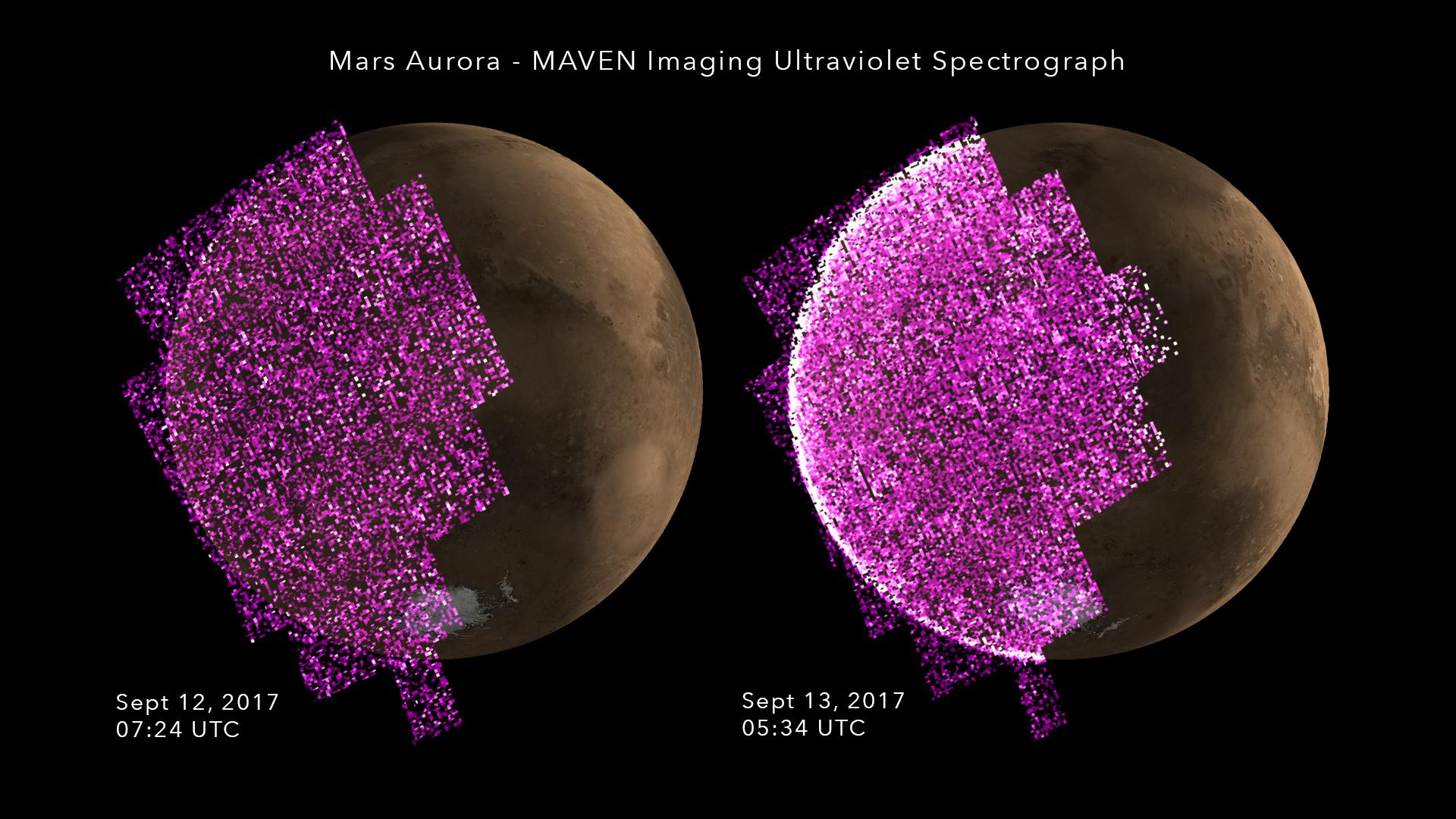
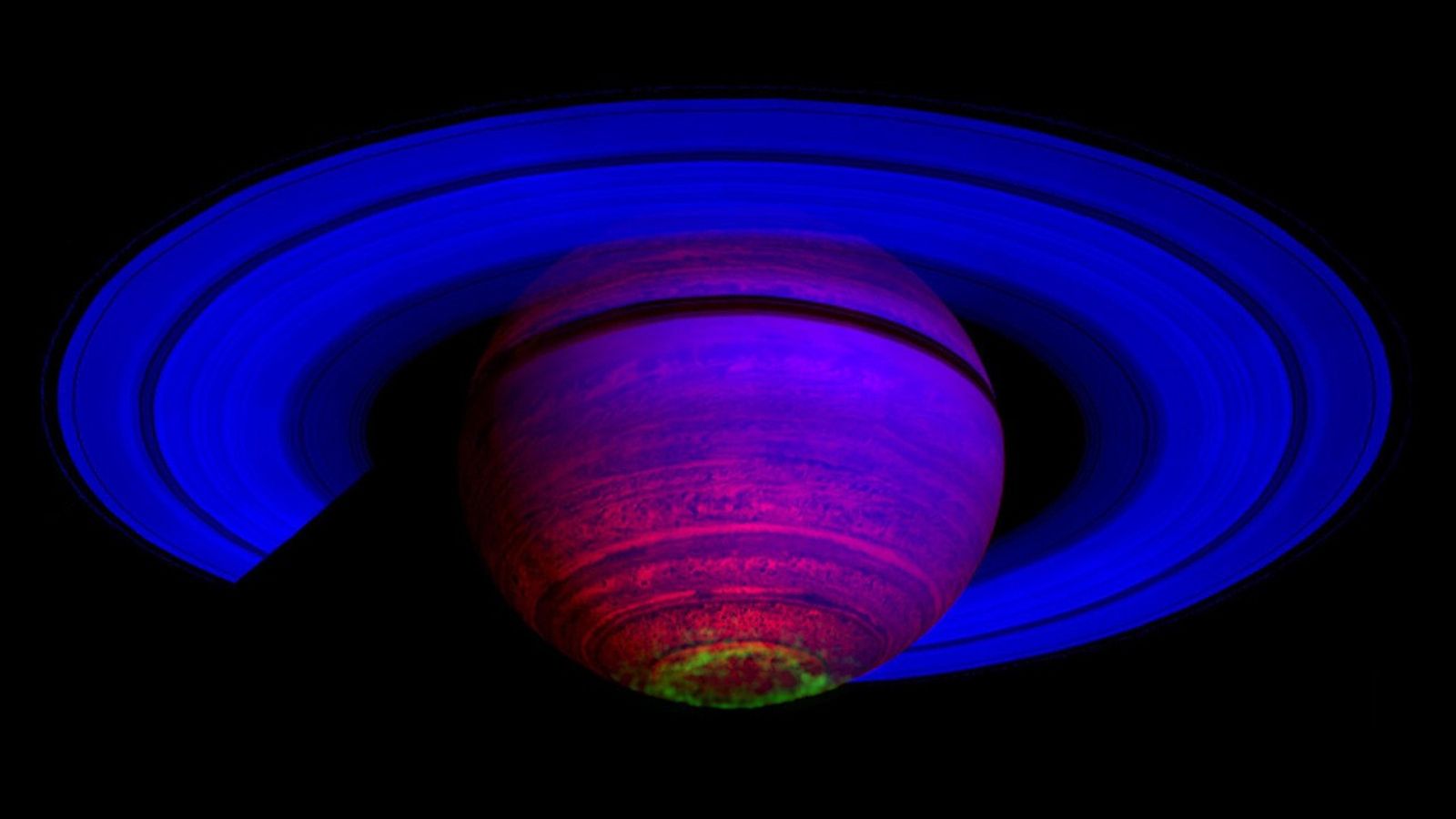
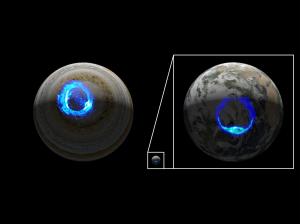
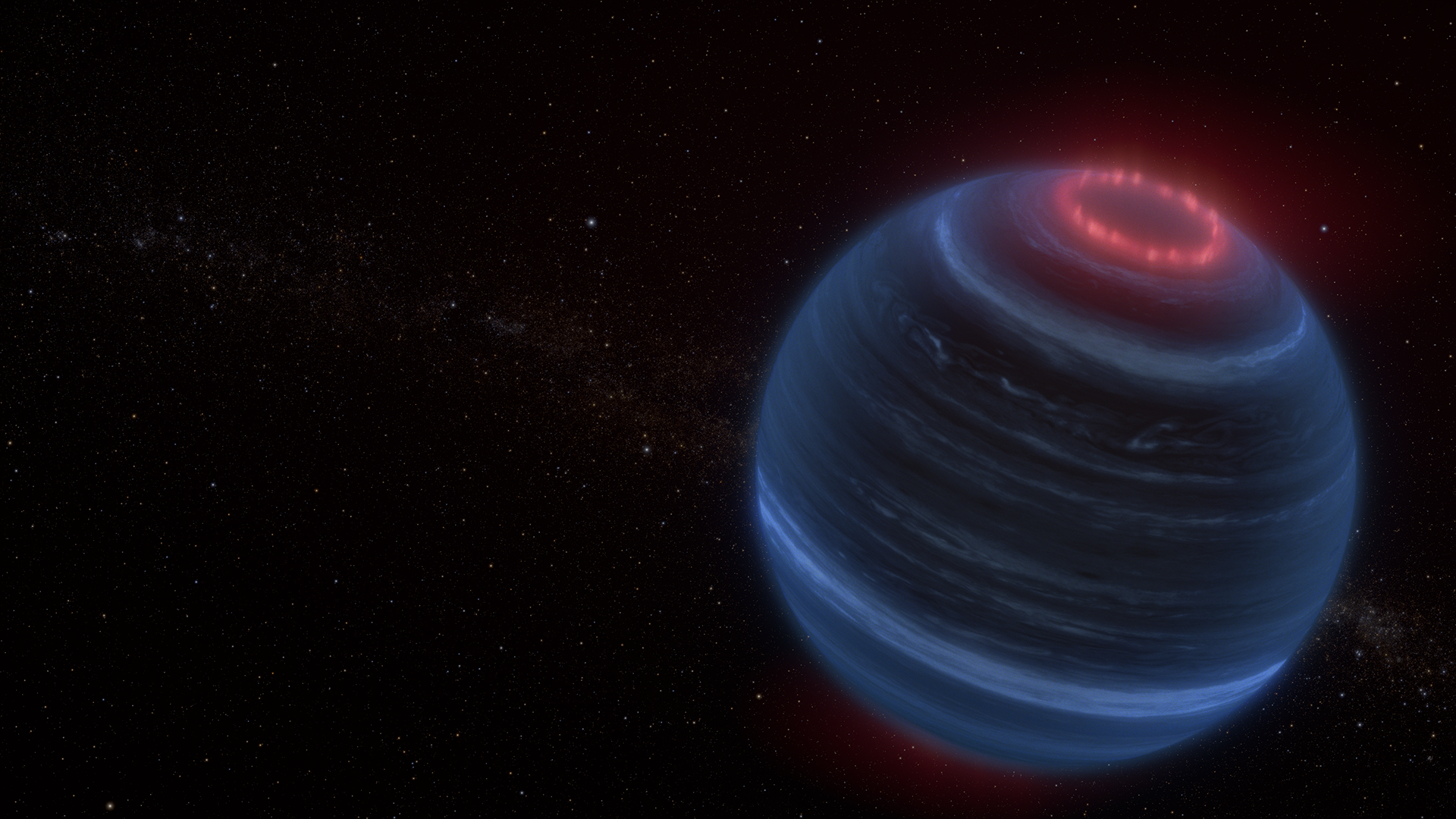
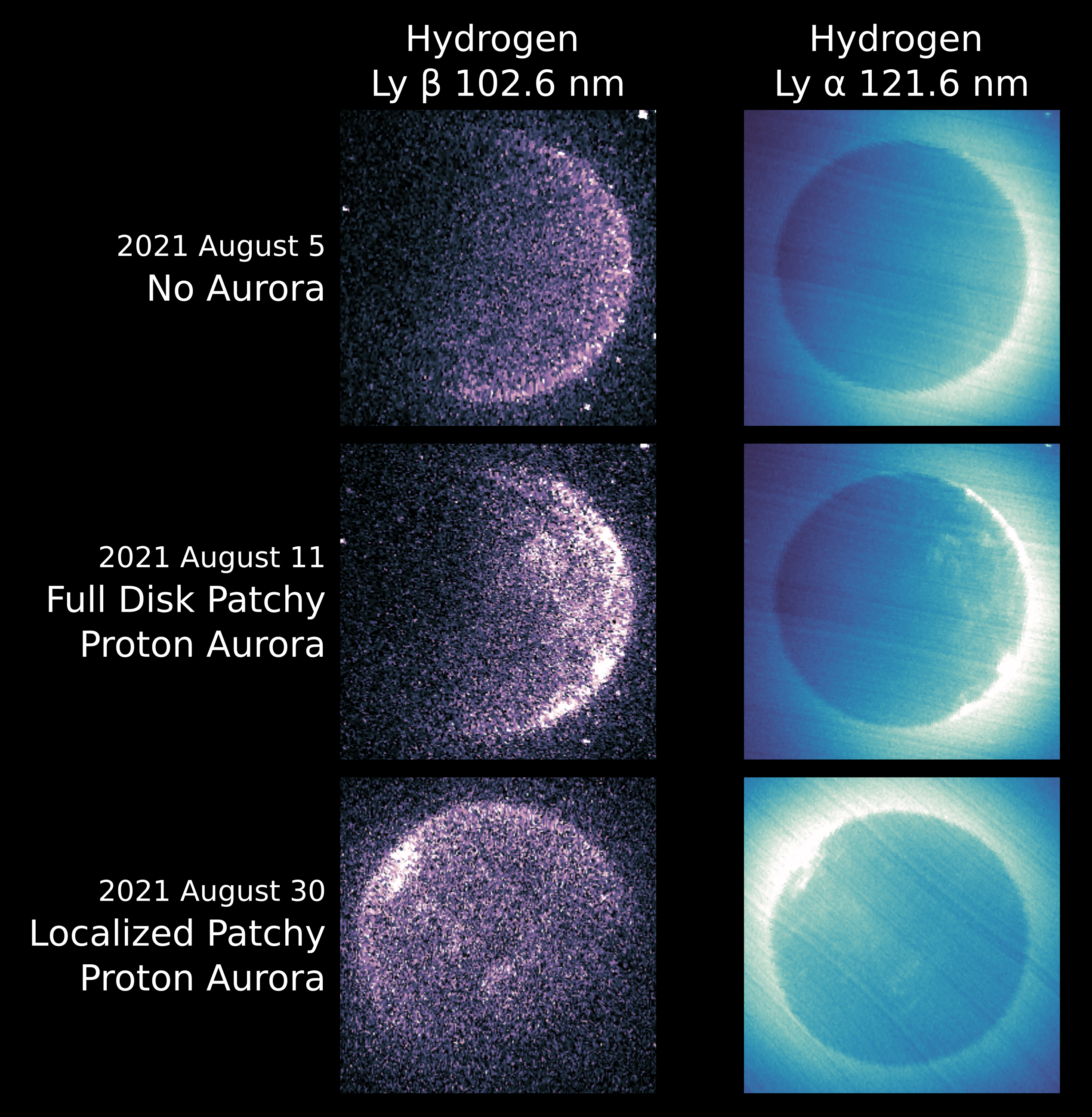
Auroras can occur on other planets and moons with atmospheres. They usually happen where a planet's magnetic field lines meet its atmosphere and have been seen on places like Saturn and Jupiter. However, they can occur in different ways on any planet with an atmosphere. Image credit: NASA/ESA/J. Nichols, A. Simon
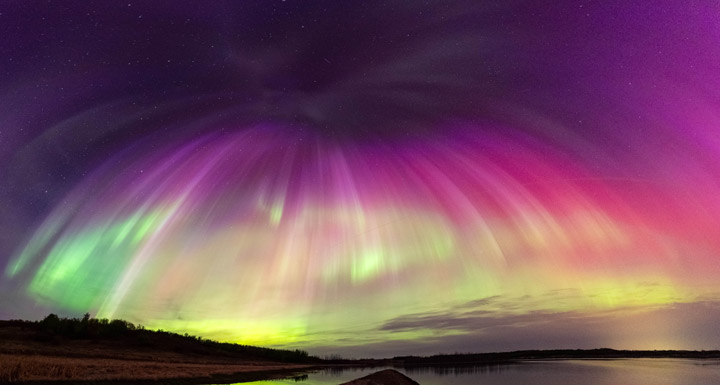
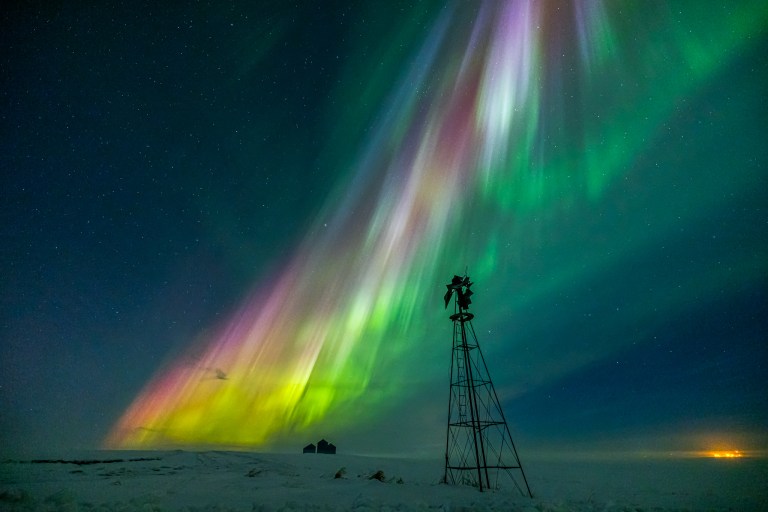
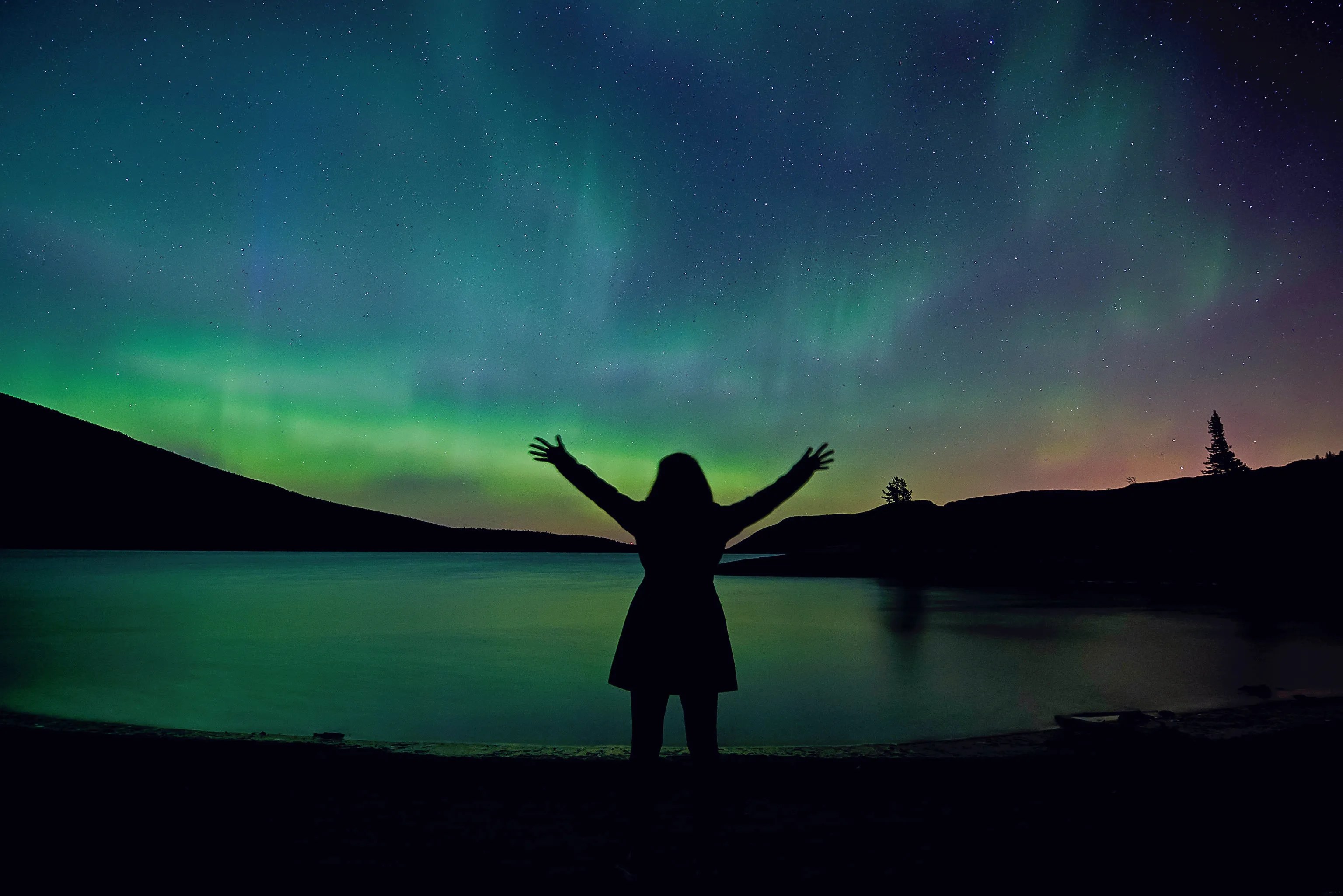
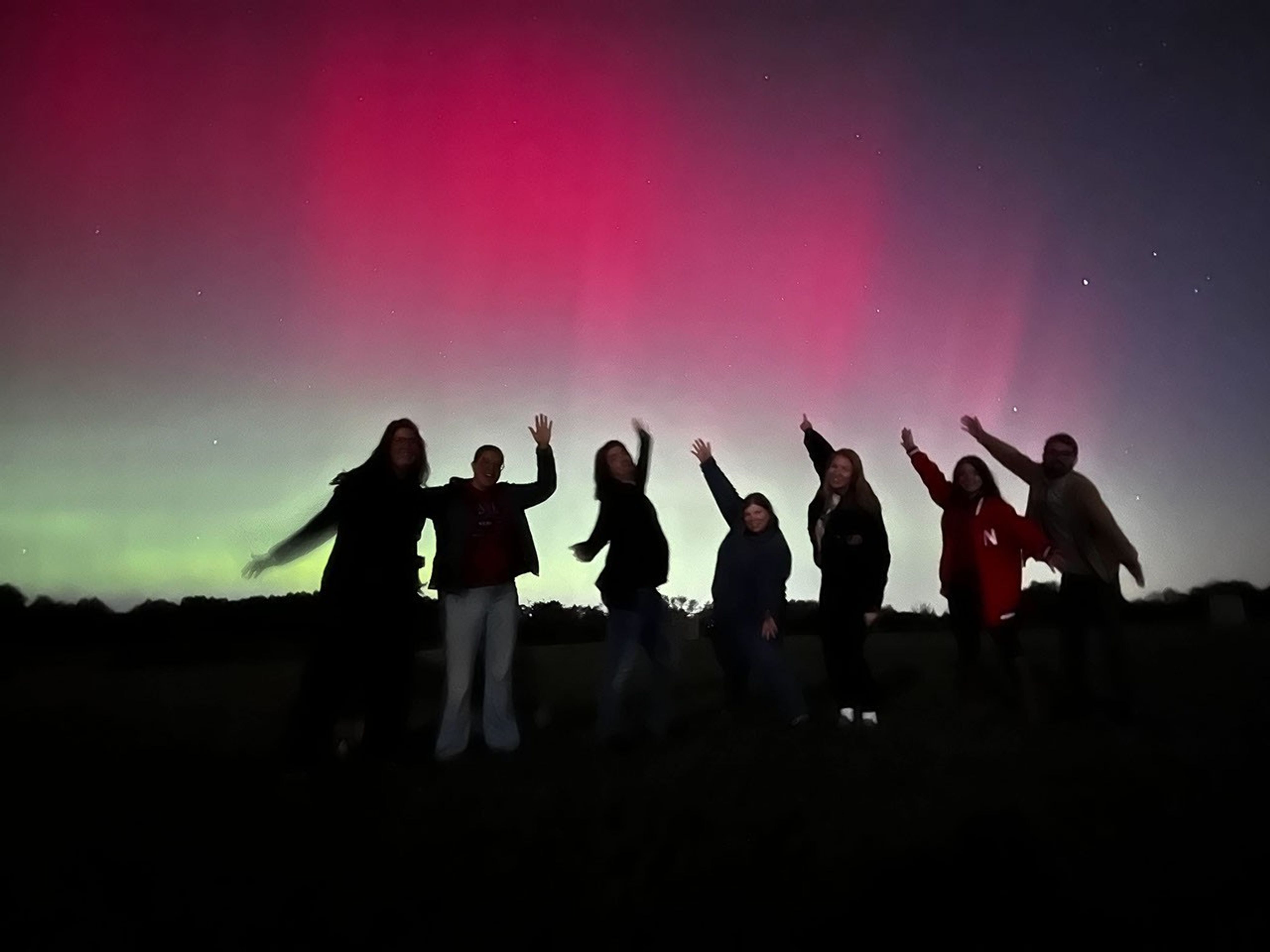
The colors of an aurora come from atoms and molecules being energized by colliding with energetic particles in the upper atmosphere. The most common color is green, which is produced when oxygen is excited by electrons around 60 mi (100 km) above Earth's surface. Image credit: Gunjan Sinha, used with permission
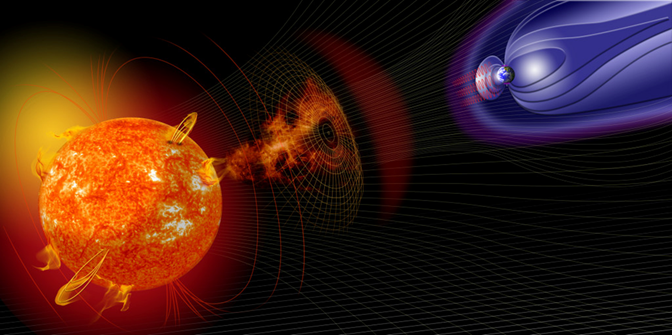
The Sun continuously produces an outflow of charged particles into the solar system known as the solar wind. When the solar wind reaches Earth, it can interact with Earth’s magnetic shield, often depositing and accumulating energy there. When this energy is finally released, much of it rains down on our atmosphere, causing auroras.
When energetic particles from space bombard gases in the atmosphere, they can give the atoms and molecules of the gases extra energy. That extra energy is then released as tiny specks of light.
NASA/Goddard Space Flight Center/Scientific Visualization Studio/Mary P. Hrybyk-Keith
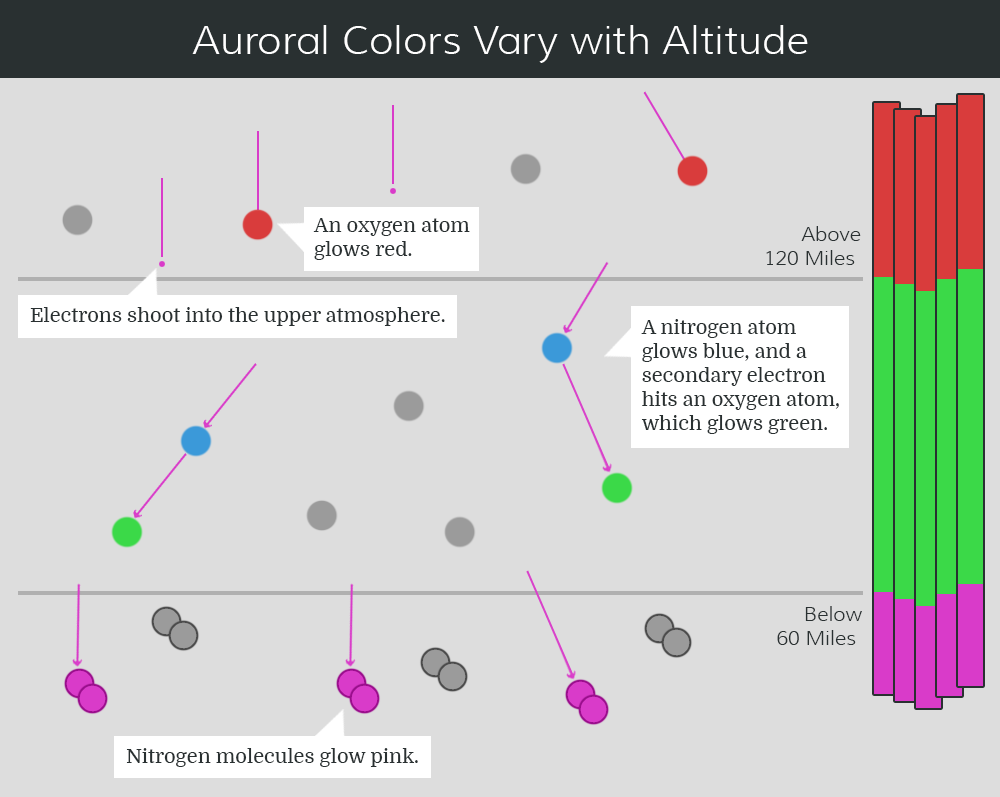
An aurora can appear in a variety of colors, from an eerie green to blue and purple to pink and red. When particles from space bombard gases in the atmosphere, they can give the atoms and molecules of the gases extra energy that’s released as tiny specks of light.
The color of an aurora depends on the type of gas that is hit and where that gas is located in the atmosphere.
Oxygen excited to different energy levels can produce green and red. Green occurs roughly between 60 to 120 miles (100-200 km) altitude, and red occurs above 120 miles (200 km).
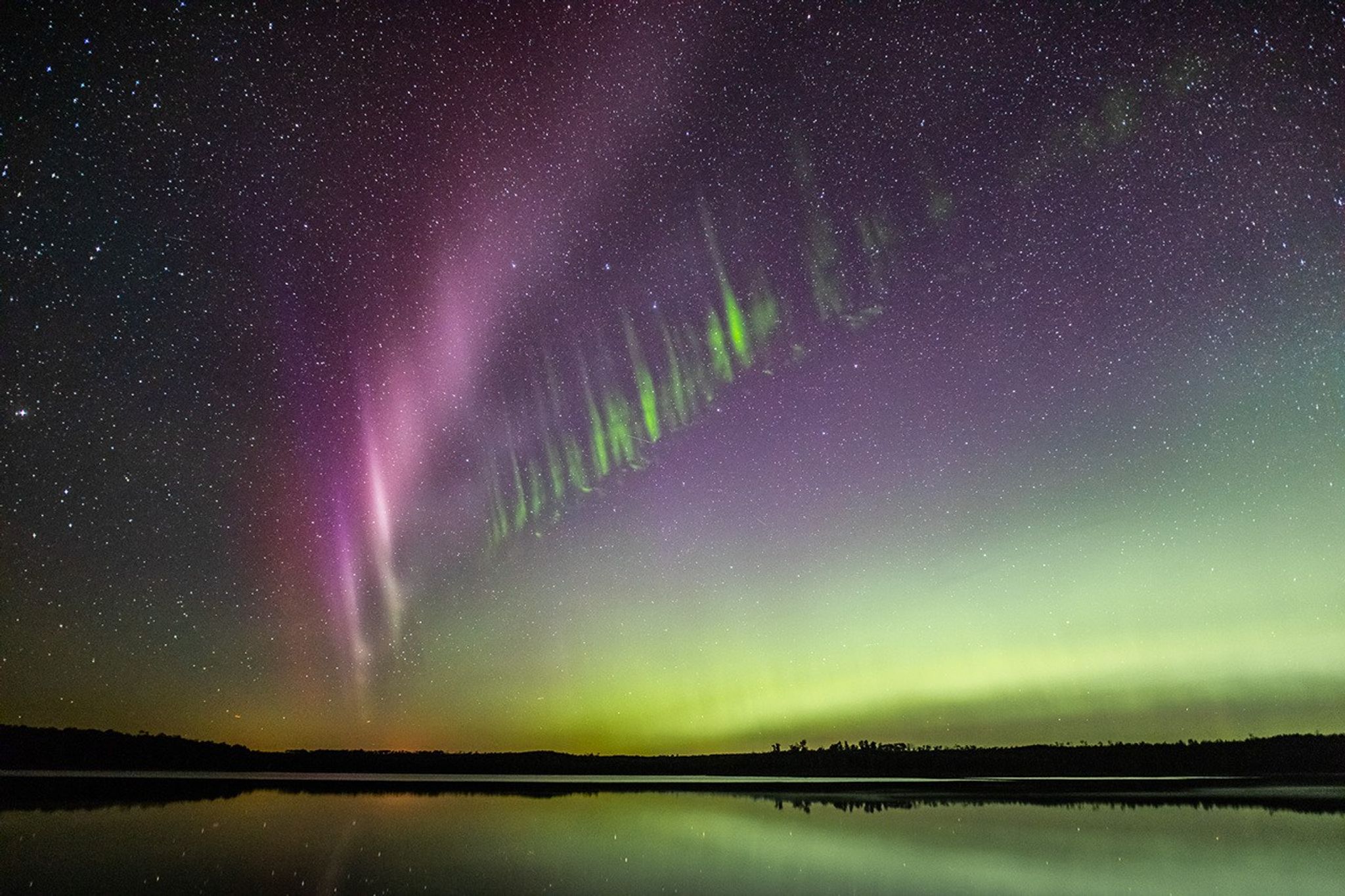
Excited nitrogen gas from about 60 to 120 miles (100-200 km) glows blue. Depending on the type and energy of the particle it is interacting with, nitrogen can give off both pink and blue light. If it is below about 60 miles (100 km), it gives the lower edge of the aurora a reddish-purple to pink glow.
Sometimes, the light emitted by these gases can appear to mix, making the auroras seem purple, pink, or even white.
The colors of an aurora reveal where the lights were created as well as what atoms and molecules created them.
NASA/Aurorasaurus
Color
Altitude
Composition
Red
≥120 miles (≥200 km)
Oxygen
Green
60-120 miles (100-200 km)
Oxygen
Blue
60-120 miles (100-200 km)
Nitrogen
Pink
≤60 miles (≤100 km)
Nitrogen
Researching Auroras
Ground-Based Measurements
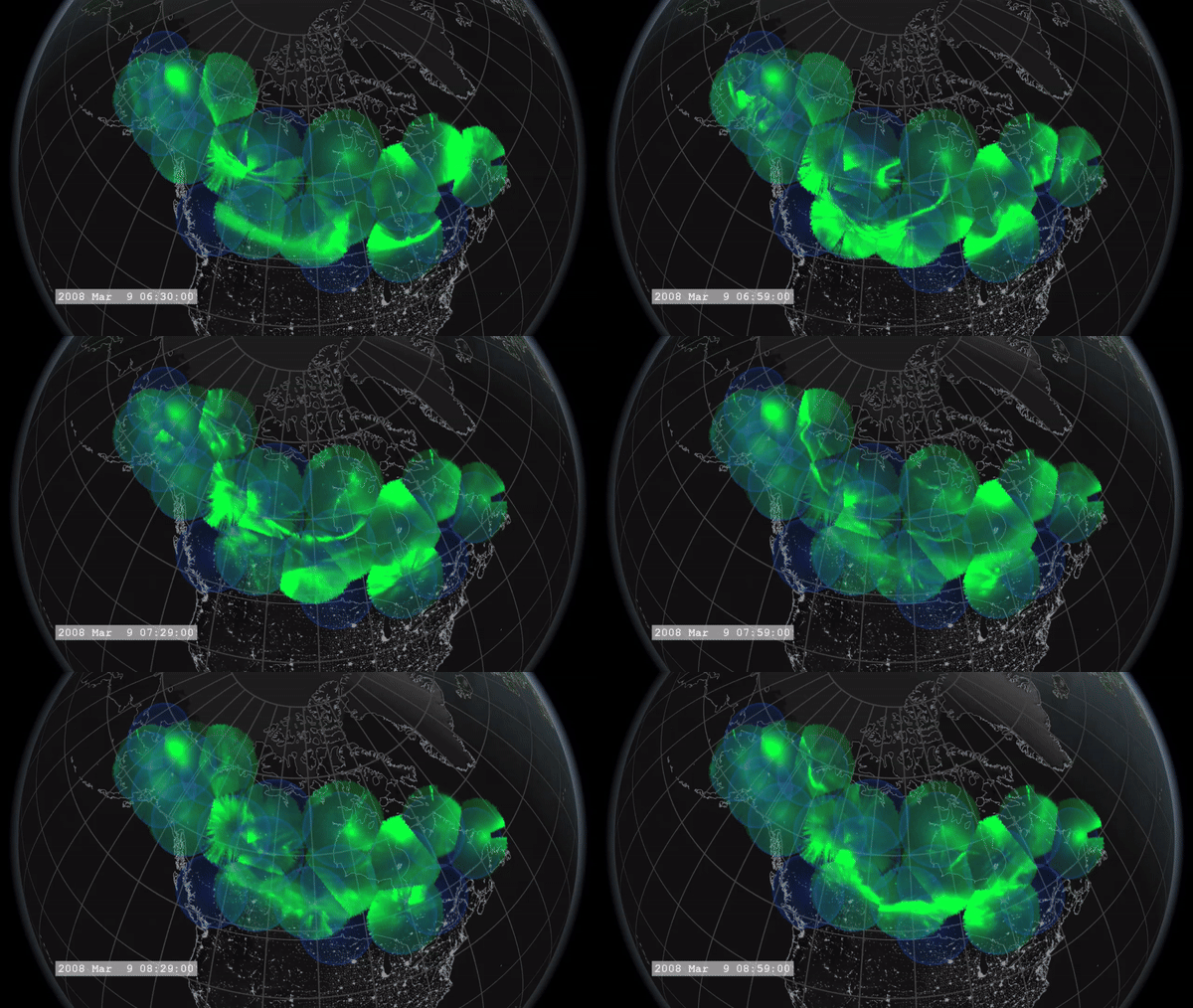
Using ground-based scientific equipment, we can learn a lot about auroras. With tools like magnetometers that show changes in Earth's magnetic field and radar networks that monitor particle activity in the upper atmosphere, scientists can analyze the various effects that occur during auroral displays. Some ground stations even provide real-time views of auroras using special wide-field cameras called all-sky imagers.
Different countries and agencies collaborate to conduct aurora research using ground stations worldwide, representing just how collaborative science can truly be.
All-sky imagers across Canada capture the progression of auroras.
NASA/Goddard Space Flight Center/Scientific Visualization Studio/Tom Bridgman
Researching Auroras
Scientific Balloons
For more than 30 years, the NASA Balloon Program has allowed scientists to conduct experiments with balloons floating high into the atmosphere. It's important to have a clear, steady view of auroras in action to learn about their dynamics. Balloons can be launched across the globe and are a low-cost way to carry scientific instruments to great heights above most atmospheric clouds. At times, this allows balloons to provide a clearer view of the aurora than ground-based cameras.
One of these balloon missions was called BALBOA (Balloon-Based Observations for sunlit Aurora) and used infrared cameras to observe how auroras behave during the day.
A scientific balloon launching from NASA’s Columbia Scientific Balloon Facility in Fort Sumner, New Mexico.
NASA/Goddard Space Flight Center/Joy Ng
Researching Auroras
Sounding Rockets
Unlike the large rockets that send humans to space, sounding rockets are smaller and equipped with scientific instruments. They're an important tool for scientists studying auroras because they collect observations as they arc through the sky, showing how physical processes change with altitude and time. And with the ability to reach anywhere from 30 to 800 miles (50 to 1,200 km) above Earth, they can take measurements at elevations too high for balloons to reach and too low for satellites to fly through, making them necessary for painting a fuller picture of how auroras work.
For instance, NASA scientists joined a global Grand Challenge to use sounding rockets to better understand the fundamentals of the polar cusp — a region of Earth’s magnetic field over the poles where energetic particles funnel into and out of the atmosphere.
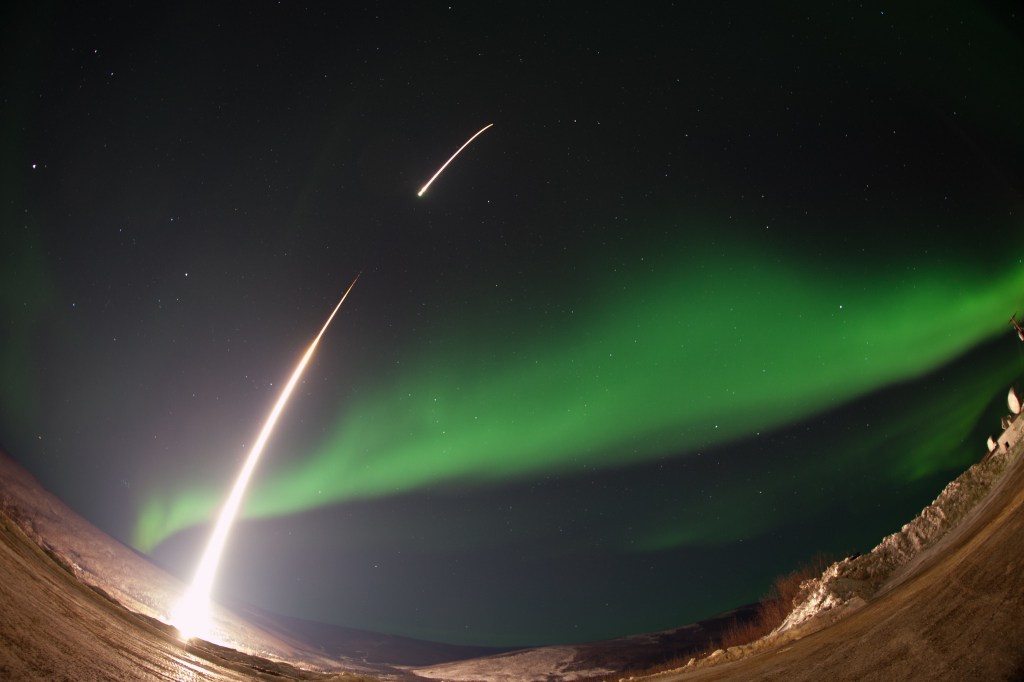
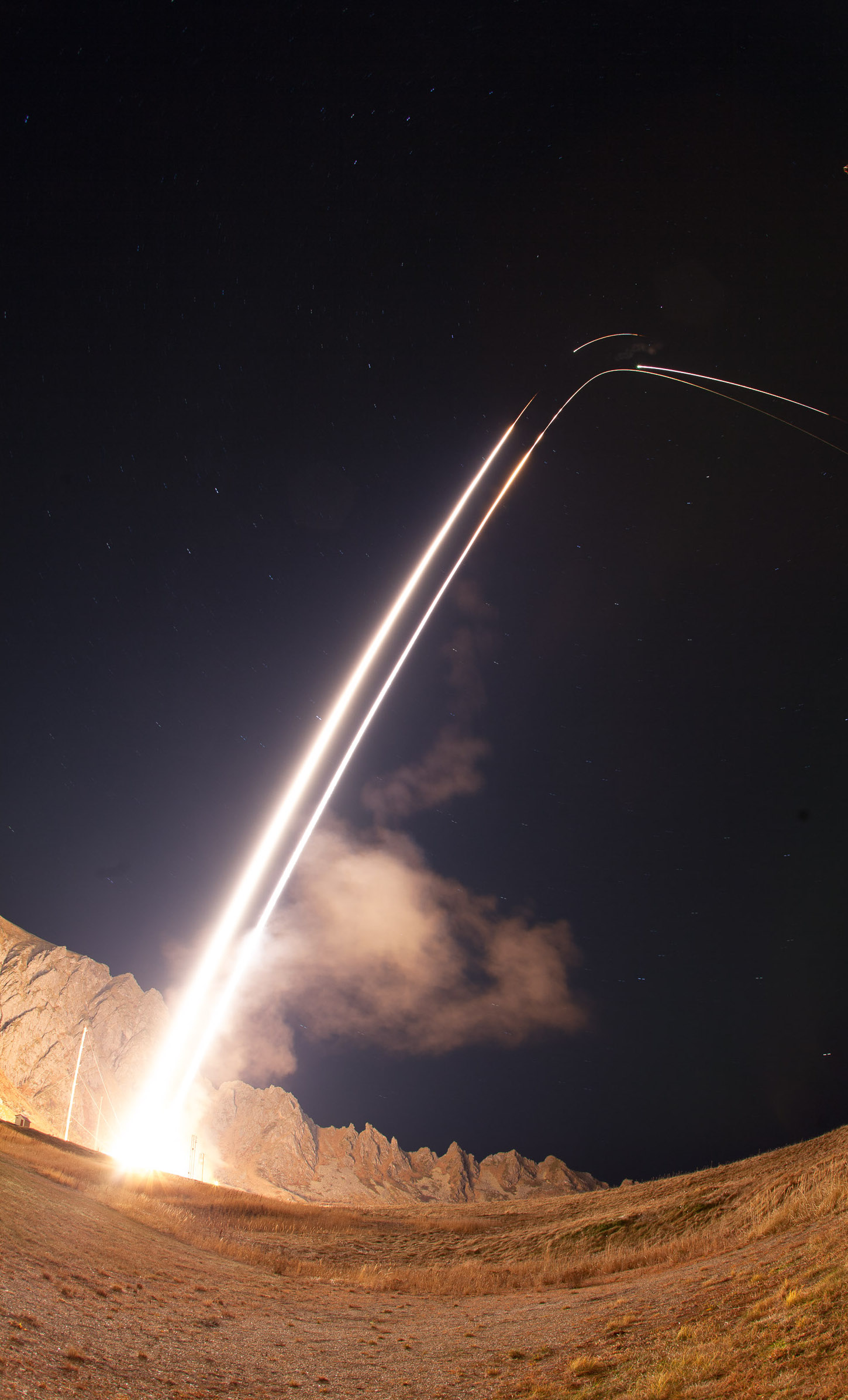
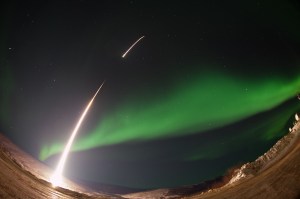
A NASA-funded sounding rocket launches into an aurora in the early morning of March 3, 2014, over Venetie, Alaska. The Ground-to-Rocket Electrodynamics – Electron Correlative Experiment (GREECE) mission studied how specific structures — classic curls like swirls of cream in coffee — form in the aurora.
NASA/Christopher Perry
Researching Auroras
Spacecraft
NASA has a storied history of studying auroras with spacecraft, whether Earth-orbiting or flying past other planets in our solar system. In 1979, Voyager 1 caught a glimpse of auroras on the dark side of Jupiter. More recently, the Hubble Space Telescope, Galileo, and Juno have also seen auroras on the gas giant. Cassini and other missions observed them on Saturn, MAVEN (Mars Atmosphere and Volatile Evolution) found them on Mars, and Pioneer discovered them on Venus. Even some moons have shown signs of auroras, as have celestial bodies beyond our solar system.
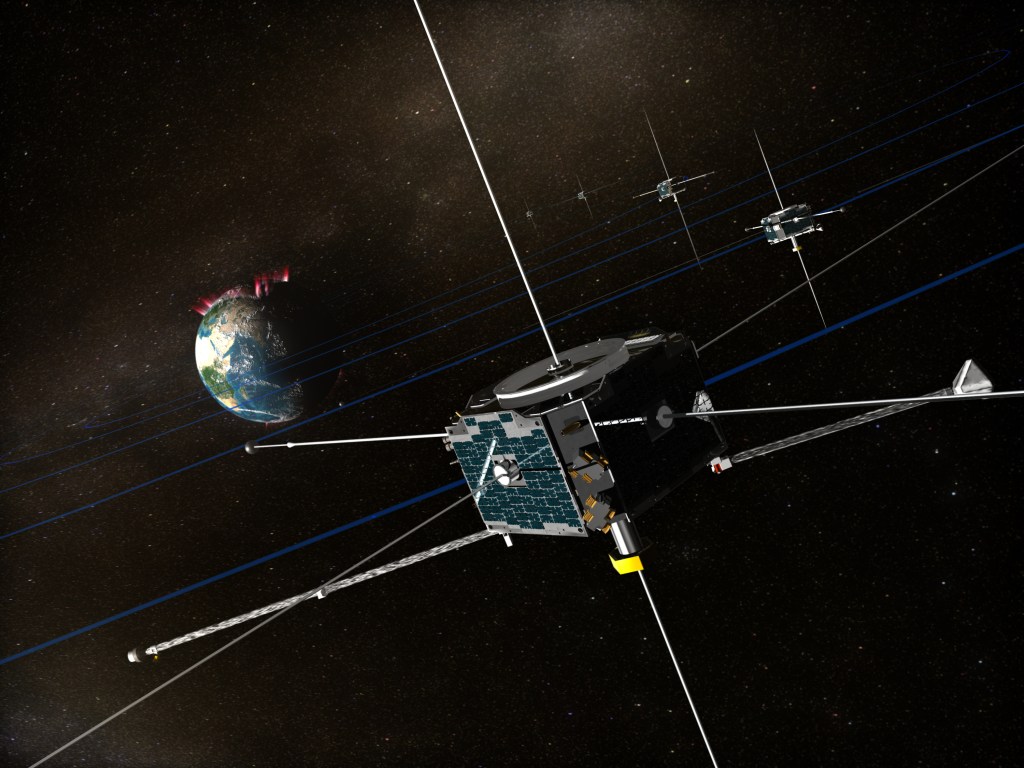
But the majority of spacecraft studying auroras look Earthward, like THEMIS (Time History of Events and Macroscale Interactions During Substorms) or the upcoming EZIE (Electrojet Zeeman Imaging Explorer) and GDC (Geospace Dynamics Constellation) missions.
NASA’s Time History of Events and Macroscale Interactions During Substorms (THEMIS) mission uses satellites to study how mass and energy move through the near-Earth space environment.
NASA/Goddard Space Flight Center/Conceptual Image Lab
Researching Auroras
Citizen Science
Did you know you don’t have to be a professional scientist to help advance our understanding of auroras? Citizen science (or participatory science) is a form of open collaboration in which individuals or organizations participate voluntarily in the scientific process.
NASA’s Aurorasaurus citizen science project encourages people to report their aurora sightings. Each verified report of an aurora serves as a valuable data point for scientists who model these phenomena and can lead to published scientific papers or even new discoveries!
Citizen science projects like Aurorasaurus rely on open collaboration between professional scientists and the public to learn more about auroras.
Christy Turner Photography, used with permission
Aurora Science Made EZIE
The Electrojet Zeeman Imaging Explorer (EZIE) is a NASA mission to image the magnetic fingerprint of the auroral electrojets, electric currents in the atmosphere linking the magnetosphere to the aurora.
Bundling the Best of Heliophysics Education: DigiKits for Physics and Astronomy Teachers
Article
3 min read
NASA's Guide to
Finding and Photographing Auroras
Auroras are one of our night sky’s most dramatic spectacles. With modern cameras and smartphones, photographing these beautiful displays is easier than ever. Digital camera sensors are incredibly sensitive and can even allow you to record auroras you can’t see with the naked eye.
Colorful auroras form south of Carseland, Alberta.
Neil Zeller, used with permission
citizen science
Contribute to Aurora Science
Help scientists track and study auroras by reporting your aurora sightings to the Aurorasaurus citizen science project. Verified reports of auroras from people around the world provide valuable data points for scientists and can lead to published scientific papers and even new discoveries.
Many planets, including Earth, are surrounded by a large magnetic shield called a magnetosphere. On Earth, this shield stems from the churning molten metal core inside the planet and extends far out into space.
Our magnetosphere protects us from harmful charged particles in the space environment. As these particles collide with the magnetosphere, they can transfer energy to the magnetosphere itself. However, if certain regions become overloaded, a geomagnetic storm can erupt, just as rain clouds swell with water droplets preceding a thunderstorm.
During a geomagnetic storm, much of the accumulated energy in the magnetosphere flows down along Earth's magnetic field lines, precipitating into the atmosphere like a summer downpour on the prairie. This type of particle precipitation injects millions of amps into the atmosphere, leading to impressive auroral displays in places far from Earth’s poles.
This simulation demonstrates a geomagnetic storm hitting Earth’s magnetosphere on February 3, 2020. This particular storm was average in strength, but still destroyed dozens of commercial satellites.
The green colors show the density of the magnetic current. Lines tracing out the magnetic field are purple in regions of weaker magnetism and orange-yellow where the magnetic field is strongest. Blue lines represent the velocity of the solar wind. They have been calibrated to appear brightest when moving toward Earth. Learn more here: https://svs.gsfc.nasa.gov/5193/
NASA/Goddard Space Flight Center/Scientific Visualization Studio/AJ Christensen
The Heliosphere and Solar Wind
Just as planets with churning cores like Earth produce magnetic shields, the Sun’s dense, ever-roiling interior also produces a magnetic shield — on a much larger scale. The Sun’s magnetic shield is called the heliosphere, and it fills the solar system.
As the Sun seethes, it radiates its energy throughout the heliosphere. Planets and other objects in the solar system experience much of this radiation as a continuous stream of charged particles and magnetic fields blowing by. This stream of fields and particles is called the solar wind.
When the solar wind blows past Earth, it buffets Earth’s magnetosphere like a strong breeze flapping a flag.
This animation illustrates how the solar wind moves through the solar system and interacts with forces beyond the solar system. It shows three perspectives: orange dots represent the solar wind flowing around Earth's magnetic shield; a top-down view of the solar wind spreading through the solar system as the Sun rotates; and a zoomed-out look at the heliosphere — the Sun’s protective bubble — surrounded by the slower-moving interstellar medium (blue dots).
Both the solar wind and interstellar medium consist of streaming energetic particles, but the interstellar medium originates from within our galaxy instead of within the Sun. Notice how the interstellar medium flows around the heliosphere, similar to how the solar wind moves around Earth's magnetosphere. Learn more here: https://svs.gsfc.nasa.gov/20299/
NASA/Goddard Space Flight Center/Conceptual Image Lab/Jonathan North
If directed at Earth, fast-moving CMEs can reach our planet in as little as 15 hours. (The Sun is approximately 93 million miles away from Earth. A CME arriving here in 15 hours means that it’s traveling around 6.2 million miles per hour, or about 0.9% the speed of light. At those speeds, you could fly from San Francisco to Washington, D.C. in ~1.5 seconds!)
As they billow away from the Sun, fast CMEs can overtake slower-moving charged particles ahead of them in the solar wind. These particles are accelerated as they’re swept into the careening solar ejecta, increasing the risk and intensity of a radiation storm when they reach Earth.
Under certain conditions, CMEs can supercharge the magnetosphere as they blow past, creating powerful geomagnetic storms in response.
On May 1, 2013, the Sun emitted a huge amount of solar material from its eastern limb (left edge). Instruments on multiple Sun-monitoring spacecraft caught the coronal mass ejection (CME) in various wavelengths of light.
This animation combines perspectives from the NASA Solar Dynamics Observatory (SDO) and the ESA/NASA Solar and Heliospheric Observatory (SOHO) to show the progression of the CME out into space. Learn more about this animation here: https://svs.gsfc.nasa.gov/10785/
NASA/ESA/SOHO/Goddard Space Flight Center
Magnetic Reconnection
As we’ve seen, the solar wind emanating from the Sun flows around Earth’s magnetosphere like a river rushing around a rock. This onrush of charged particles stretches Earth’s magnetosphere away from the Sun, creating a long wake known as the magnetotail.
The magnetic shields of the Sun and Earth are polarized, like refrigerators and the magnets that adhere to them. The polarity of Earth’s magnetic shield is mostly stable, but the Sun’s can vary due to its more dynamic nature.
Sometimes, the magnetic polarity of the solar wind is opposite that of Earth’s magnetosphere. When the solar wind buffets the magnetosphere under these conditions, the field lines of the Sun and Earth snap together, similar to when an everyday magnet connects to a fridge. This is called magnetic reconnection.
The continuously blowing solar wind then pushes these newly connected Sun-Earth field lines, wrapping them around the magnetosphere and stretching them out toward the magnetotail. Eventually, these field lines stretch to their limit and snap like a rubber band. This severs the direct Sun-Earth magnetic connection, releasing energy back along the field lines and reinstating the original magnetic configuration in the process.
This animation is an artistic interpretation of magnetic reconnections and the resulting geomagnetic substorm that rains down energetic particles at Earth's polar regions.
Two reconnections are shown here: the first occurs when the Sun's magnetic field disconnects from itself and reconnects to Earth's magnetic field; the second occurs in the magnetotail as the field lines get squeezed too close together. Learn more about this animation here: https://svs.gsfc.nasa.gov/20097/
NASA/Goddard Space Flight Center/Conceptual Image Lab/Walt Feimer
Geomagnetic Substorms
While the huge auroral displays caused by geomagnetic storms are fun to see, they’re relatively rare since the Sun’s and Earth’s magnetic fields need to align just right for them to occur. Auroras that stay near the Arctic and Antarctic circles are much more frequent. They’re created by geomagnetic substorms, magnetic disturbances affecting portions of the magnetosphere. Geomagnetic storms, in contrast, are large-scale disturbances that distort the whole geomagnetic system. The everyday flow of charged particles within Earth’s magnetosphere can create small regions of magnetic imbalance that cause geomagnetic substorms.
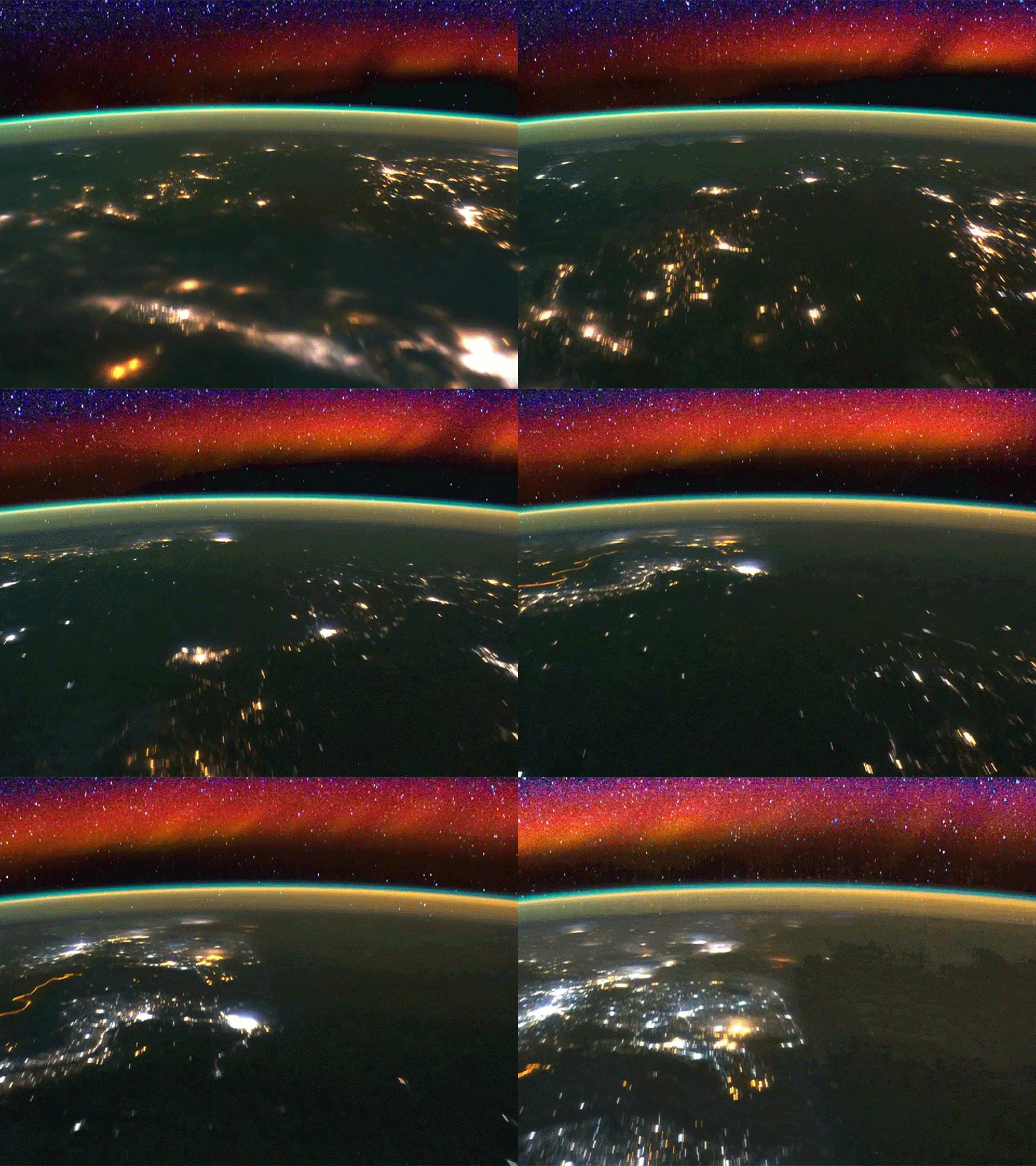
A time-lapse view from the International Space Station shows the Southern Lights, aurora australis, on June 25, 2017.
This short video features commentary by David Sibeck, project scientist for NASA's Time History of Events and Macroscale Interactions During Substorms (THEMIS) mission, discussing a visualization of magnetic reconnection and geomagnetic substorms. Learn more about this video here: https://svs.gsfc.nasa.gov/11309 NASA/Goddard Space Flight Center/UNH/J. Raeder
Views from the Space Station
Auroras Seen from Orbit
The International Space Station orbits roughly 250 miles (400 km) above Earth's surface. At that height, astronauts regularly fly over (and sometimes through!) brilliant auroral displays. Many astronauts document their auroral experiences with photos and videos, but did you know the space station has high-definition cameras on board? Photos and time-lapses are uploaded regularly to NASA's online Gateway to Astronaut Photography of Earth.