
West Coast
West Coast
From killer whales slicing through waves to salmon jumping rapids on their journey home, marine life fills and defines the waters of the West Coast. Fishing the Pacific lifts spirits, feeds families and supports the economies of California, Oregon, Washington, and Idaho. We harvest close to a billion pounds of seafood, worth nearly $1 billion, each year.
The ocean also shapes our communities and culture, from the colorful heritage of Cannery Row to tribes celebrating the season’s first salmon to return from the sea. Parents teach their kids to fish the West Coast’s 7,000 miles of shore and view wildlife such as elephant seals, sea turtles, and sea lions. Our prolific bays and estuaries nurture Dungeness crabs, oysters, and other delectable shellfish prized around the world.
NOAA Fisheries’ West Coast Region, Northwest Fisheries Science Center, and Southwest Fisheries Science Center work together to apply the latest science to sustainably manage the rich marine resources of the region for generations to come.
More Information
About Us | Contact Us
Featured News

Eugenio Piñeiro Soler, Assistant Administrator of Fisheries, visits an oyster farm in Washington. Credit: NOAA Fisheries.

A California sea lion with her pup on the beach at San Miguel Island. Photo taken under NOAA Fisheries Permit #16087. Credit: NOAA Fisheries
50 Years of Environmental Data Can Predict Health and Strandings of Sea Lions Pups in California

Adult CCC coho spawning at Neefus Gulch. Trout Unlimited removed a fish passage barrier at this location with NOAA funding in 2024. Credit: Christie Hemm Klok/Trout Unlimited
Record 30,000 Endangered Central California Coast Coho Salmon Return to Mendocino Coast Rivers

Southern Resident killer whale J16 breaches near the San Juan Islands, with J26 nearby. The Southern Residents have spent less time in and around the San Juan Islands during summer in recent years. Photo by Katy Foster/NOAA Fisheries, under permit 18786.
Endangered Killer Whales Known for Isolation May Depend on Their Interaction with Other Populations
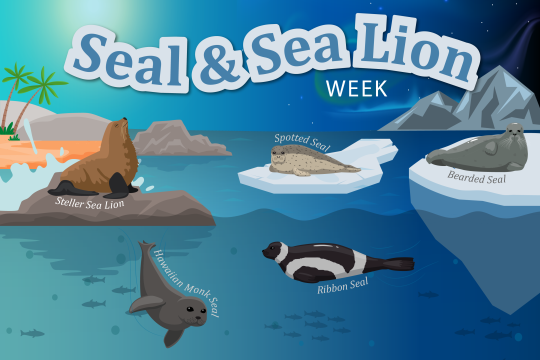
Seal & Sea Lion Week is March 23–27, 2026.
Seal and Sea Lion Week
Notices & Rules
Bulletins
Open Funding Opportunities
Featured Highlights
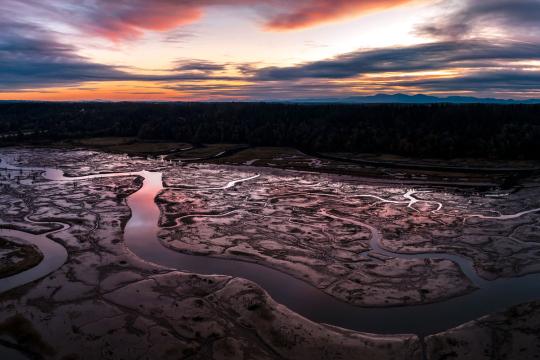
Tidal wetlands in the Nisqually River Basin, where restored habitat fosters growth of juvenile salmon and steelhead on their way to the ocean.

Northwest Science
We use science to improve people’s lives, save species, and protect ecosystems. Our scientists conduct cutting-edge biological, economic, and oceanographic research. We observe and monitor living marine resources and their environments in the Pacific Northwest and California Current ecosystem. We also study the impacts of environmental variability and climate change on marine ecosystems and fishery socioeconomics. Together with decision-makers at NOAA, other federal agencies, states, and others, we apply this scientific knowledge to make our environment healthier and improve people’s lives and livelihoods.
More Information
Science News & Blogs
50 Years of Environmental Data Can Predict Health and Strandings of Sea Lions Pups in California

A California sea lion with her pup on the beach at San Miguel Island. Photo taken under NOAA Fisheries Permit #16087. Credit: NOAA Fisheries
Record 30,000 Endangered Central California Coast Coho Salmon Return to Mendocino Coast Rivers

Adult CCC coho spawning at Neefus Gulch. Trout Unlimited removed a fish passage barrier at this location with NOAA funding in 2024. Credit: Christie Hemm Klok/Trout Unlimited
NOAA Fisheries Launches Underwater Glider Challenge in Hawai‘i

An underwater glider ballasting (stabilizing) at the Pacific Islands Fisheries Science Center in Honolulu, Hawai‘i, in preparation for the 2026 glider challenge. Credit: NOAA Fisheries


Southwest Science
Our research encompasses the waters of the California Current and adjacent inland watersheds, bays and estuaries of California. Extending along the U.S. Coast from Canada to Mexico, the California Current is characterized by some of the most dramatic annual, interannual, and decadal environmental variability in the world. These waters support valuable commercial, tribal, and recreational fisheries and are also home to many protected species of marine mammals, turtles, and seabirds.
Our scientists conduct biological, ecological and oceanographic research, observations, and monitoring of the region’s living marine resources and their environments. We also conduct research on the impacts of environmental variability and climate change on marine ecosystems and on fishery and conservation socio-economics. We work with numerous partners and our NOAA Fisheries counterparts—the Northwest, Pacific Islands and Alaska Fisheries Science Centers and the West Coast Regional Office—to provide sound science for domestic and international management decisions. The ultimate goal of these efforts is to ensure that the region’s living marine resources remain at healthy and sustainable levels, as functioning parts of their ecosystems, and continue to enhance the quality of life for the public.
We also conduct research throughout the Pacific Ocean and in the Southern Ocean around Antarctica.
Research Topics
- Aquaculture
- California Cooperative Oceanic Fisheries Investigations (CalCOFI)
- California Current Integrated Ecosystem Assessment (CCIEA)
- Socio-economics of Eastern Pacific and West Coast Fisheries
- Cetacean Genome Project
- California Central Valley Chinook Salmon Life Cycle Modeling
- Social-economics of California Salmonid Habitat and Water Resource
- Leatherback Turtle Recovery
Resources
- Ocean Technology Development Test Tank
- ERDDAP data server
- SWFSC Data on the NOAA Big Data Program (BDP)
- SWFSC Metadata Library on Fisheries InPort
- Marine Heatwave Tracker
- Ecosystem-based and Dynamic Ocean Management
- Dynamic West Coast Sea Surface Temperature Interactive
- Pacific Fisheries Information Network
More Information
Science News & Blogs
50 Years of Environmental Data Can Predict Health and Strandings of Sea Lions Pups in California
A California sea lion with her pup on the beach at San Miguel Island. Photo taken under NOAA Fisheries Permit #16087. Credit: NOAA Fisheries
Record 30,000 Endangered Central California Coast Coho Salmon Return to Mendocino Coast Rivers
Adult CCC coho spawning at Neefus Gulch. Trout Unlimited removed a fish passage barrier at this location with NOAA funding in 2024. Credit: Christie Hemm Klok/Trout Unlimited
NOAA Fisheries Launches Underwater Glider Challenge in Hawai‘i
An underwater glider ballasting (stabilizing) at the Pacific Islands Fisheries Science Center in Honolulu, Hawai‘i, in preparation for the 2026 glider challenge. Credit: NOAA Fisheries
Sound Bytes: Meet the Pilots of the Underwater Glider Challenge

Glider team aboard R/V Kaunānā in Hawai'i, preparing to deploy 8 gliders. Credit Marvin Chea/UH Marine Center.
Fisheries Overview
We collaborate extensively with the Pacific Fishery Management Council, Native American Indian tribes, and the four states within the region in our management of highly migratory species (e.g., tunas, sharks), coastal pelagic species (e.g., sardine and anchovy), groundfish, and salmon, as well as the habitats upon which they rely.
We participate in the implementation of numerous international treaties and other agreements to sustainably conserve fisheries for cross-boundary species including highly migratory fish, particularly tuna; whiting; halibut, and salmon; and protect marine mammals of mutual interest to nations of the Pacific.
We also ensure that federal ocean fisheries along the West Coast are managed to uphold Native American Tribal treaty fishing rights.
Salmon and Steelhead
Coastal Pelagic Species
More Information
Fisheries News
Protected Marine Life
We conserve and restore marine resources on the West Coast. Under the Endangered Species Act, we develop protections, designate critical habitat, implement recovery, and authorize scientific research permits for threatened and endangered species. We also manage and conserve marine mammals under the Marine Mammal Protection Act and coordinate and support the marine mammal stranding networks. Our work covers a vast geography, including the inland and coastal waters of Washington, Oregon, Idaho, and California.
Habitat protection and restoration are critical components of species recovery and conservation. We work with partners to protect and restore habitats necessary for species recovery, using an ecosystem-based approach that considers benefits, interactions, and trade-offs for multiple species.
Marine Mammal Protection
- Our Work Under the Marine Mammal Protection Act
- Marine Mammals on the West Coast
- Report Dead, Injured, Stranded, or Entangled Marine Mammals
- Saving the Southern Resident Killer Whales
- Large Whale Entanglement
- Permits & Authorizations
- Share the Shore: Responsible Marine Mammal Viewing
- Southern Resident Killer Whale Updates
Pacific Salmon Recovery
- Saving Pacific Salmon and Steelhead
- Report Card on Recovery: Reviews Assess 28 Salmon and Steelhead Species
- Salmon and Steelhead Research in the Pacific Northwest
- Climate Impacts to Salmon of the Pacific Northwest
- Recovery Through Reintroductions for California’s Central Valley Salmon
- Pacific Coastal Salmon Recovery Fund
- Salmon Education Materials for the Classroom
- What You Can Do to Help Recover Salmon
More Information
Marine Life News
50 Years of Environmental Data Can Predict Health and Strandings of Sea Lions Pups in California
A California sea lion with her pup on the beach at San Miguel Island. Photo taken under NOAA Fisheries Permit #16087. Credit: NOAA Fisheries
Record 30,000 Endangered Central California Coast Coho Salmon Return to Mendocino Coast Rivers
Adult CCC coho spawning at Neefus Gulch. Trout Unlimited removed a fish passage barrier at this location with NOAA funding in 2024. Credit: Christie Hemm Klok/Trout Unlimited
Endangered Killer Whales Known for Isolation May Depend on Their Interaction with Other Populations

Southern Resident killer whale J16 breaches near the San Juan Islands, with J26 nearby. The Southern Residents have spent less time in and around the San Juan Islands during summer in recent years. Photo by Katy Foster/NOAA Fisheries, under permit 18786.
Seal and Sea Lion Week
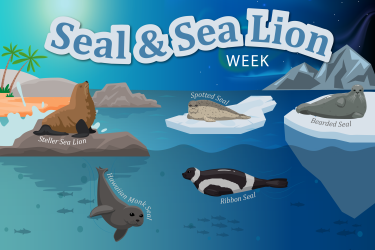
Seal & Sea Lion Week is March 23–27, 2026.
A Conversation with Regional Administrator Jennifer Quan About the 2026 West Coast Salmon Fishing Seasons

From left, Eugenio Piñeiro Soler, Assistant Administrator of NOAA Fisheries; Adam Nickels, U.S. Bureau of Reclamation Acting Regional Director; and Jennifer Quan, Regional Administrator of NOAA Fisheries West Coast Region; during a February visit to Shasta Dam. Photo courtesy U.S. Bureau of Reclamation.
Habitat Overview
We help other federal agencies conserve habitat for protected species and for essential fish habitat to support commercial, tribal, and recreational fisheries. We review federal proposals for land and water development to make sure these activities do not further degrade habitat or harm protected species. We also provide technical assistance and funding to support restoration activities that improve habitat. With our partners, we are working on hundreds of projects to protect and restore vital habitat for West Coast fish and wildlife populations.
Habitat Consultations and Resources
More Information
Habitat News
Record 30,000 Endangered Central California Coast Coho Salmon Return to Mendocino Coast Rivers
Adult CCC coho spawning at Neefus Gulch. Trout Unlimited removed a fish passage barrier at this location with NOAA funding in 2024. Credit: Christie Hemm Klok/Trout Unlimited


A Restored Reef Brings Fish Habitat Back to Southern California

A vermillion rockfish—just one of many species that are now abundant—swims through the restored Palos Verdes Reef. Credit: Jonathan P. Williams, Vantuna Research Group.
Species Overview
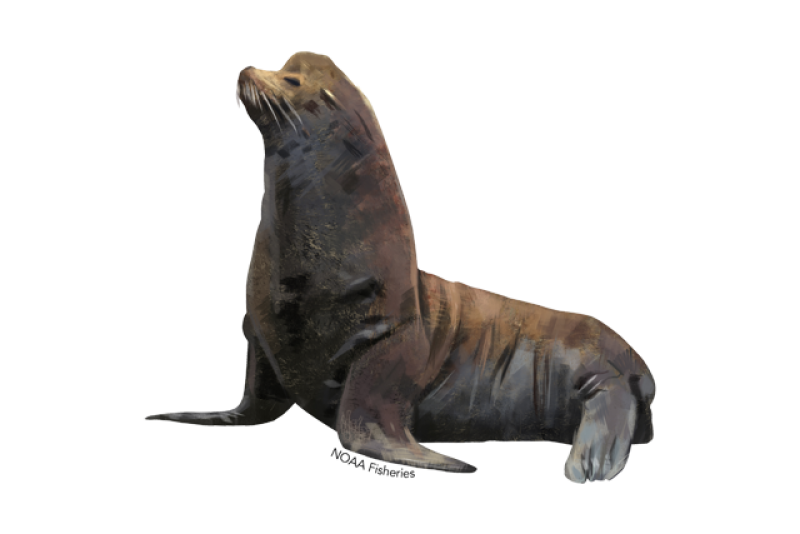
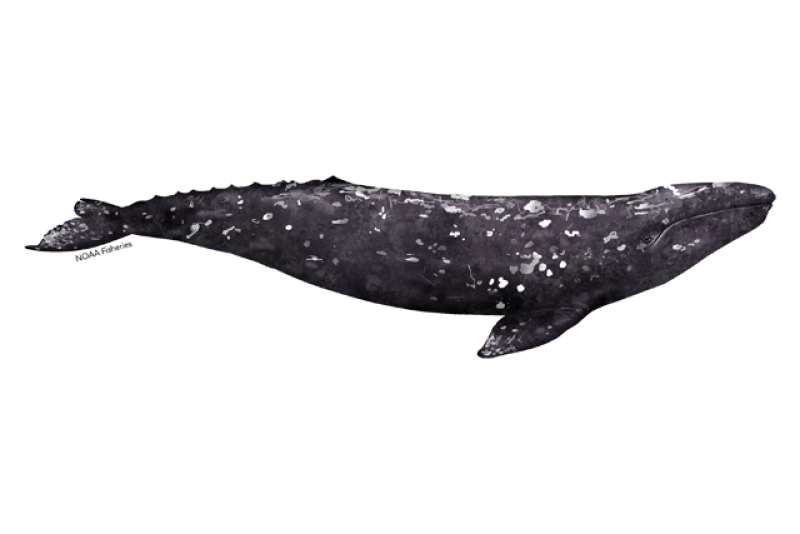
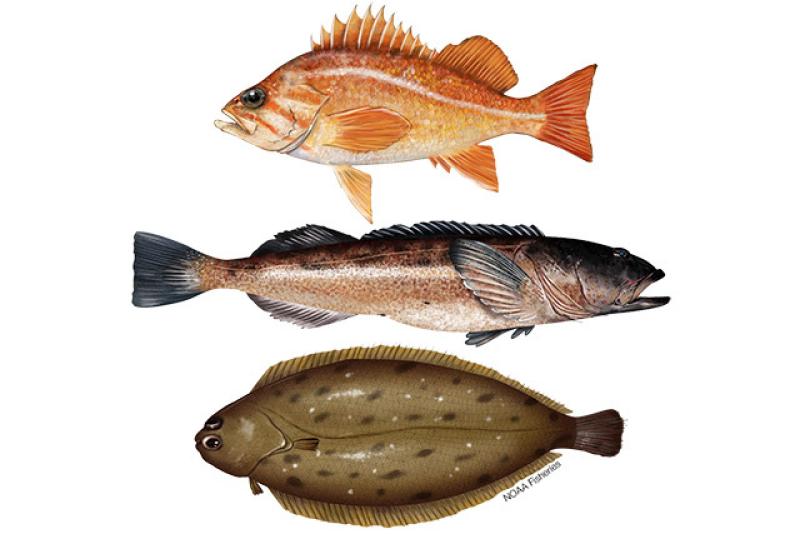
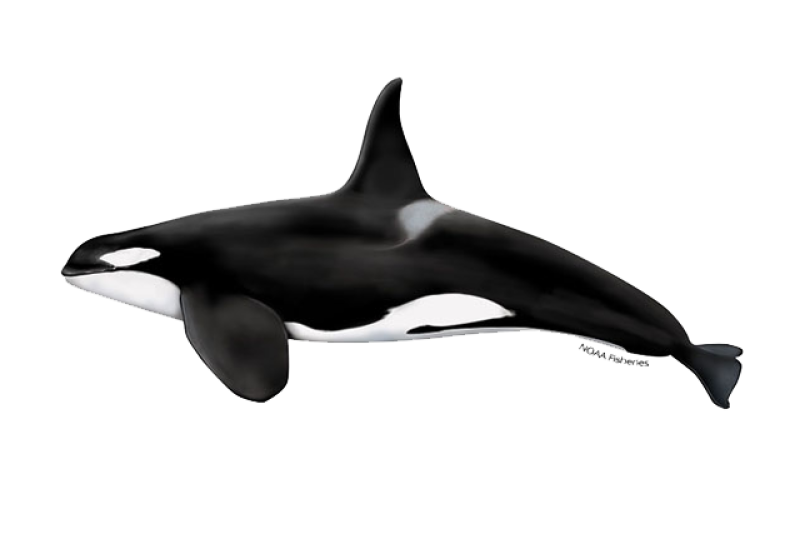
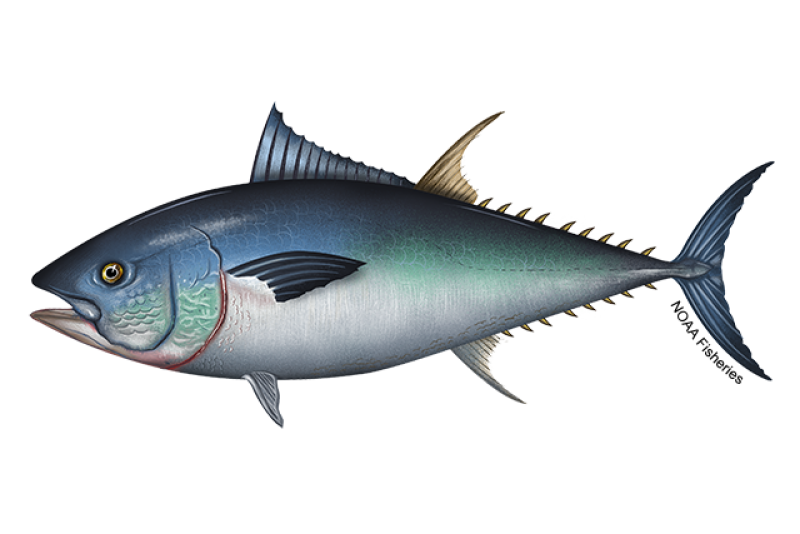
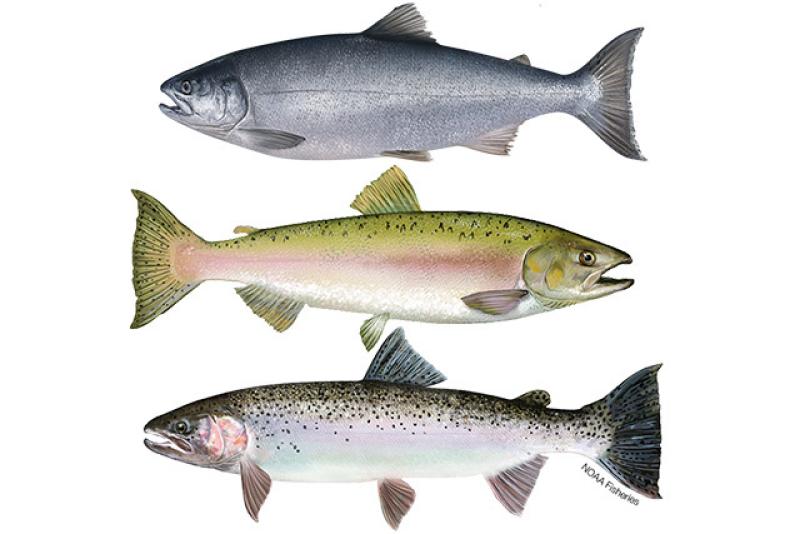
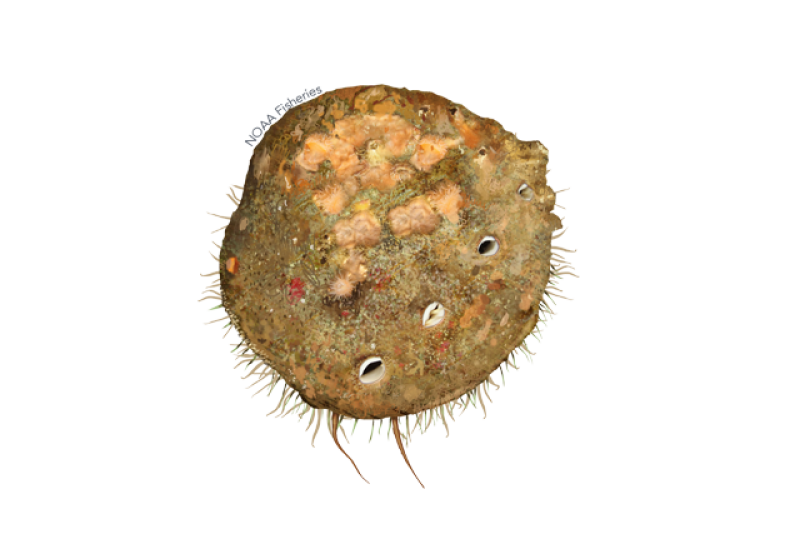
On the West Coast and in the watersheds of Washington, Oregon, California, and Idaho, we manage commercial and recreational fisheries for more than 100 species of salmon, groundfish, coastal pelagics such as anchovy and sardine, and highly migratory species such as billfish, sharks, and tunas. We work to recover and conserve threatened and endangered marine and anadromous species, as well as manage and conserve marine mammals. Our Science Centers conduct cutting-edge biological, economic, and oceanographic research, as well as observations and monitoring of living marine resources and their environments. Below are links to learn about a few of our West Coast species. You can also see a list of all species managed on the West Coast.





More Information
Species News
Helping Growers Permit Aquaculture Farms on the West Coast

Eugenio Piñeiro Soler, Assistant Administrator of Fisheries, visits an oyster farm in Washington. Credit: NOAA Fisheries.
50 Years of Environmental Data Can Predict Health and Strandings of Sea Lions Pups in California
A California sea lion with her pup on the beach at San Miguel Island. Photo taken under NOAA Fisheries Permit #16087. Credit: NOAA Fisheries
Record 30,000 Endangered Central California Coast Coho Salmon Return to Mendocino Coast Rivers
Adult CCC coho spawning at Neefus Gulch. Trout Unlimited removed a fish passage barrier at this location with NOAA funding in 2024. Credit: Christie Hemm Klok/Trout Unlimited
Endangered Killer Whales Known for Isolation May Depend on Their Interaction with Other Populations
Southern Resident killer whale J16 breaches near the San Juan Islands, with J26 nearby. The Southern Residents have spent less time in and around the San Juan Islands during summer in recent years. Photo by Katy Foster/NOAA Fisheries, under permit 18786.
Seal and Sea Lion Week
Seal & Sea Lion Week is March 23–27, 2026.