The war in Iran is driving up jet fuel prices and worsening supply strains for African airlines, forcing carriers to review routes and raising fresh concerns about the stability of the continent’s aviation network.
The African Airlines Association (AFRAA) says the crisis has exposed its heavy dependence on imported refined jet fuel, leaving airlines vulnerable to global shocks.
African carriers were already paying about 17% more for jet fuel than the global average before the Iran war, according to AFRAA. The new price pressures are adding to already thin margins across the sector.
“The impact is dire and a major shock for our members,” AFRAA Secretary-General Abderahmane Berthe told The Associated Press. “Fuel represents between 30% and 40% of airlines’ operating costs. Any increase directly affects their balance sheets.”
The aviation industry is closely watching the Strait of Hormuz, a key global energy corridor through which about one-fifth of the world’s oil and fuel flowed before Iran effectively closed it for shipping at the start of the war in February.
Absorb shocks
For African airlines, the effects are amplified by structural constraints, including higher procurement costs and a weaker ability to absorb shocks.
Berthe said some carriers have introduced fuel surcharges, but most cannot pass on the full increase to passengers, forcing them to absorb losses.
“They cannot pass these costs to passengers as this will affect demand,” he said.







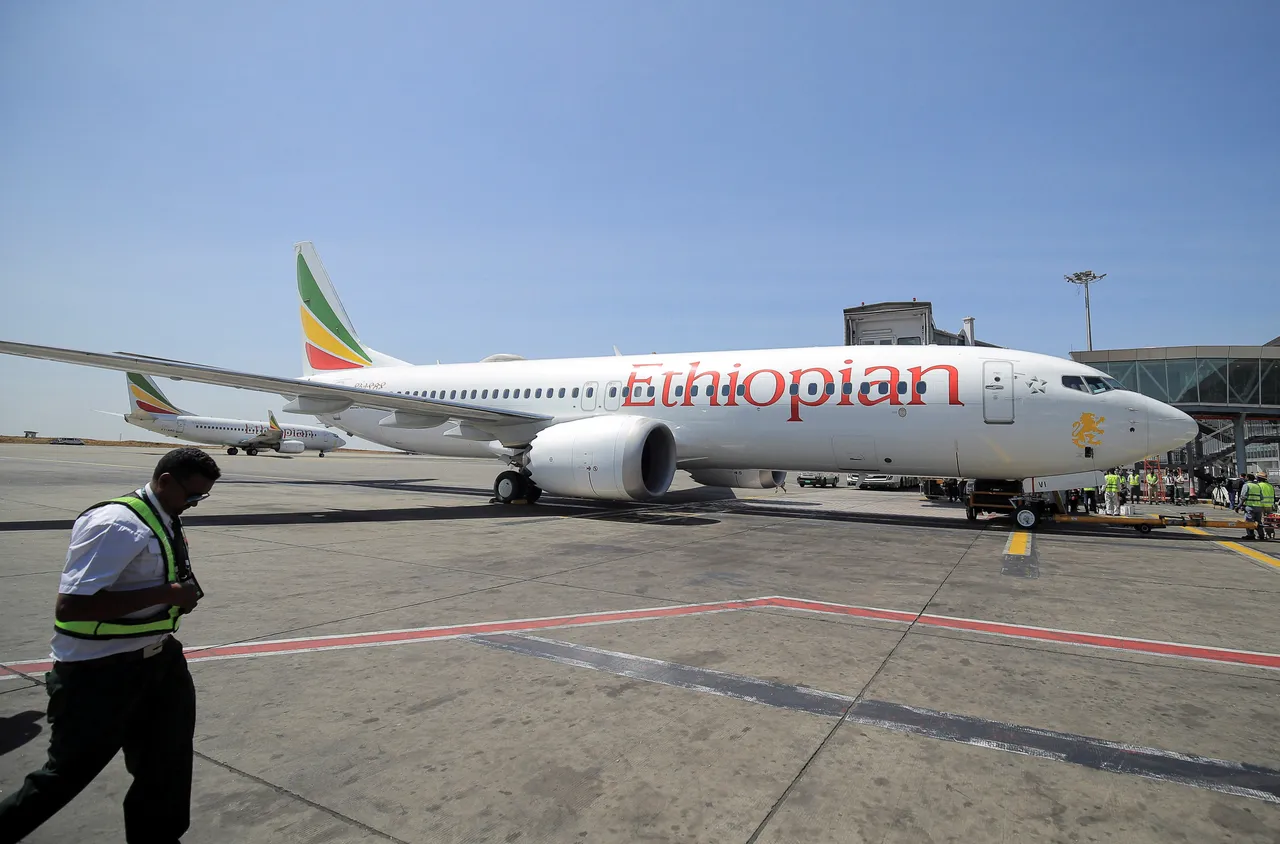
Supply disruptions have also raised concerns at major hubs including Nairobi, Kenya, and Addis Ababa, Ethiopia, where consistent jet fuel availability is critical to regional and international operations, Berthe said.
Some airlines have already begun adjusting networks, cutting frequencies and reviewing routes to manage rising costs and fuel uncertainty, he said.
Reduce reliance
The crisis has renewed calls for Africa to strengthen domestic refining capacity and reduce reliance on imported jet fuel.
“We need African solutions,” Berthe said. “Many African countries produce oil, but we still depend on non-African suppliers for refined jet fuel.”
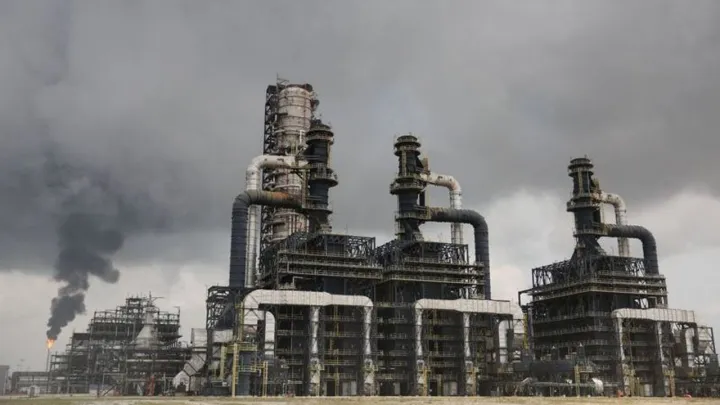
Attention is increasingly turning to projects such as Nigeria’s Dangote Refinery, which is expected to play a growing role in supplying refined fuel across the region, including to countries such as Kenya, Ethiopia and South Africa.
“We have seen hubs like Addis (Ababa) turning to Dangote for supply,” Berthe said. “This is expected to ease pressure on fuel supply chains during this period.”
Despite the pressures, demand for air travel in Africa remains strong. AFRAA projects passenger growth of about 6% annually, outpacing many global markets.
But Berthe warned that sustained shocks could weigh heavily on profitability and connectivity.
“If this continues, the impact on African airlines will be very severe,” he said. “If Africa wants a resilient aviation sector, it must secure its own fuel future.”