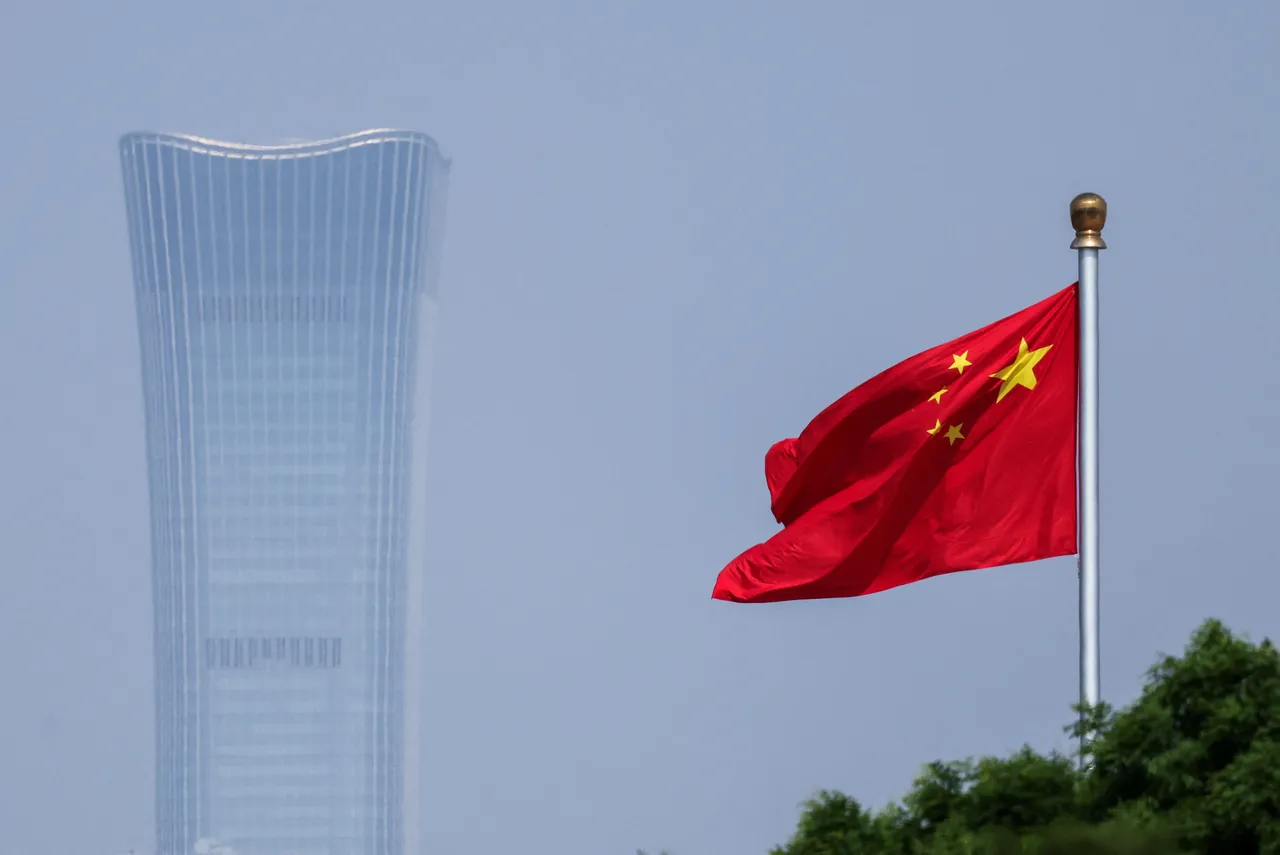
China has called for the creation of a global artificial intelligence cooperation organisation, stronger governance of outer space, and reforms to the international system to make global governance more equitable, according to a white paper released by the State Council Information Office.
The report, titled “More Just and Equitable Global Governance: China’s Principles, Proposals and Actions,” argues that the world is facing growing geopolitical instability, economic fragmentation, and governance gaps in emerging fields such as artificial intelligence, cyberspace, and outer space.
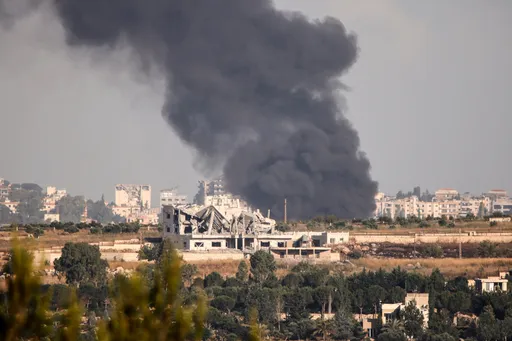
The document warns that global military spending is rising and that “militarism has resurfaced,” while nuclear proliferation and “nuclear sharing” continue to pose a “grave threat,” leaving international security in a precarious state.
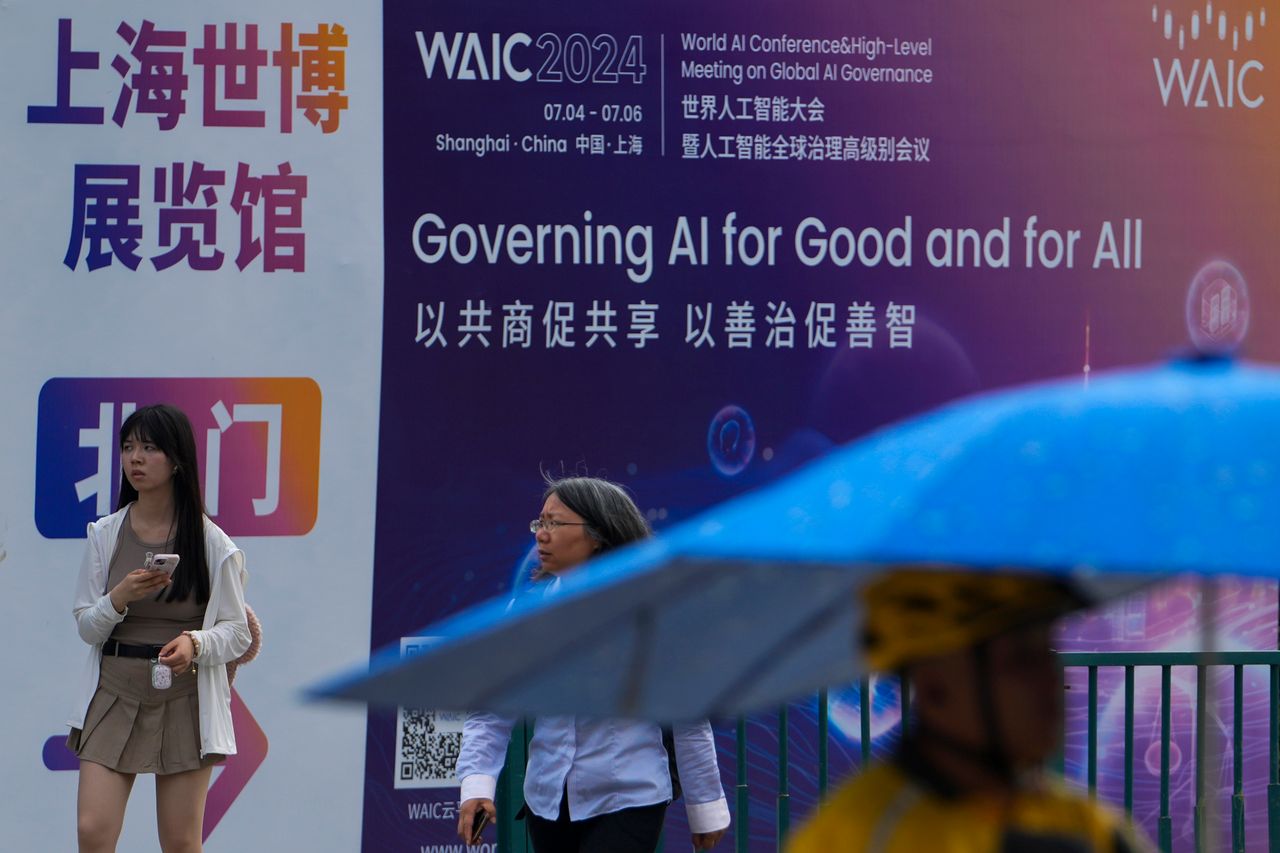
On artificial intelligence, China proposed establishing a World Artificial Intelligence Cooperation Organisation and called for a global AI governance framework under the UN.
Beijing said AI development should follow a people-centred and “AI for good” approach, while ensuring that developing countries benefit from technological advances.
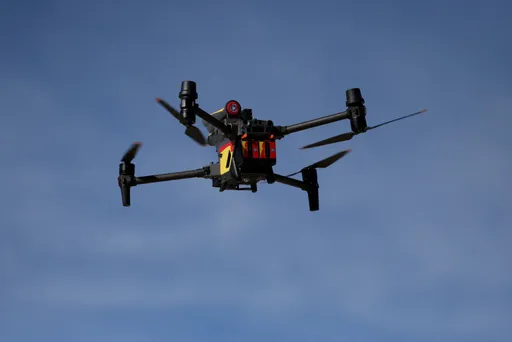
China also stressed the need to prevent an AI arms race and maintain meaningful human control over weapons systems.
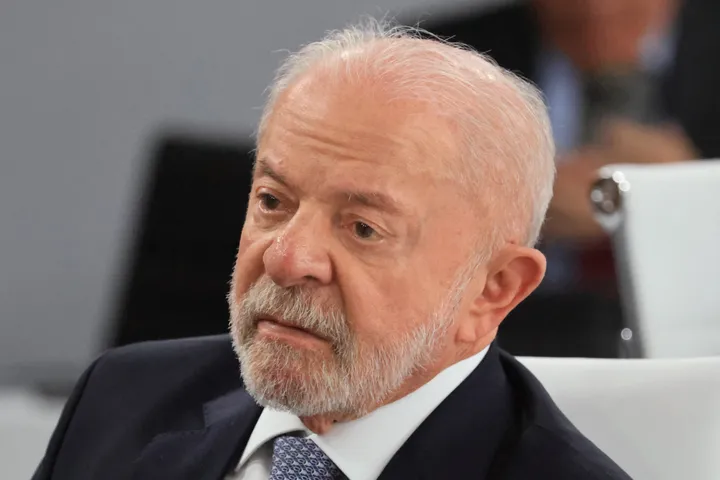
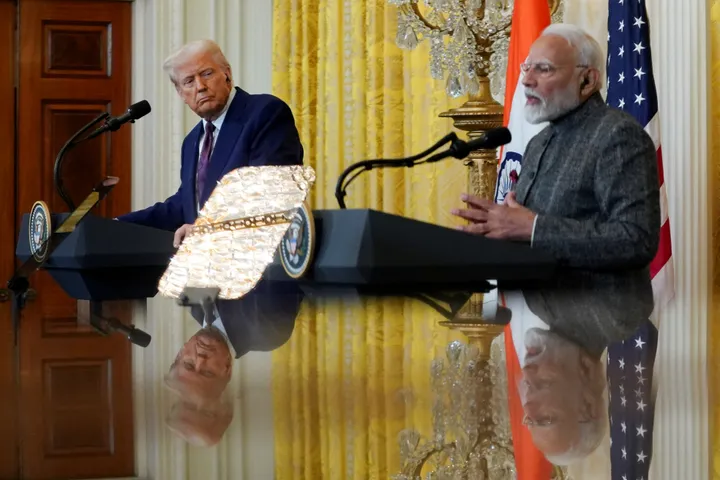
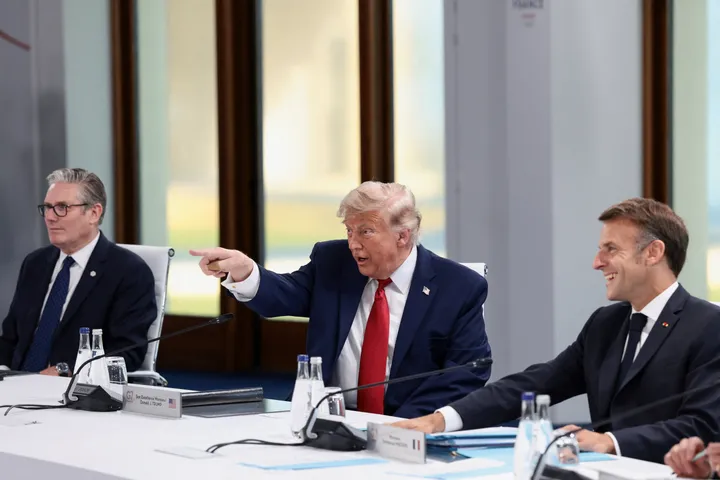
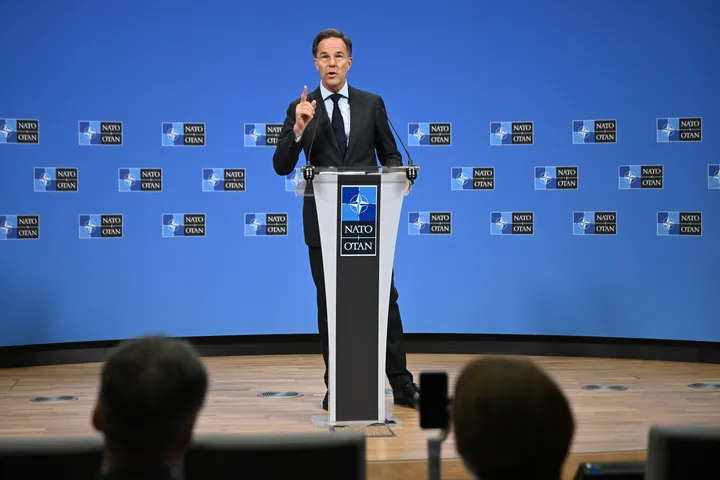
While China officially proposed the creation of a World Artificial Intelligence Cooperation Organization (WAICO) in July 2025 and is actively accelerating its rollout, slated to be headquartered in Shanghai, several other global leaders, international bodies, and prominent figures have also demanded a global AI watchdog.
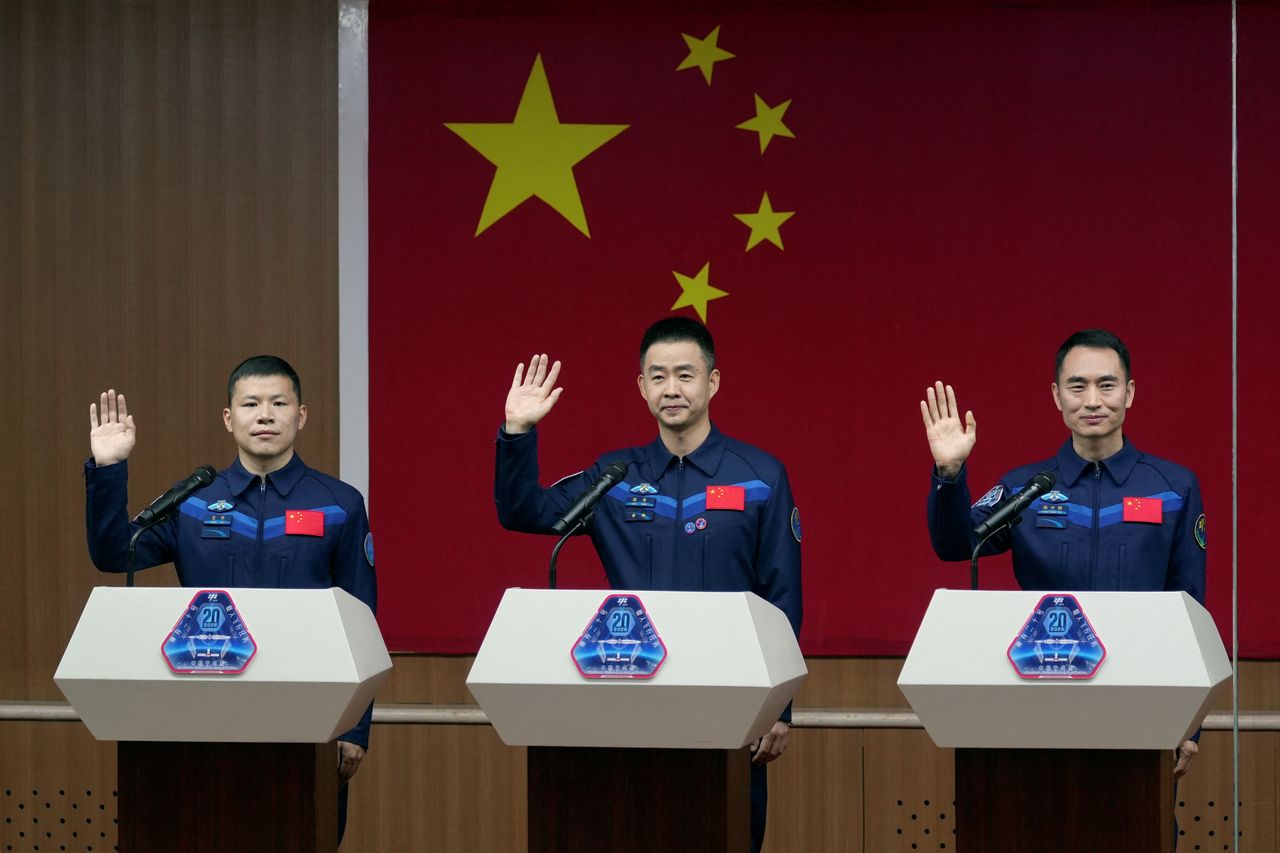
Regarding outer space, China reaffirmed support for the 1967 Outer Space Treaty and opposed the weaponisation of space.
The report said all countries should safeguard the peaceful use of outer space and prevent it from becoming an arena of strategic rivalry.
The white paper also called for reforms to global governance institutions, including greater representation for developing countries in the UN, the International Monetary Fund, and the World Bank, arguing that the voices of the Global South remain underrepresented in international decision-making.