












Voyager
Interstellar Messengers
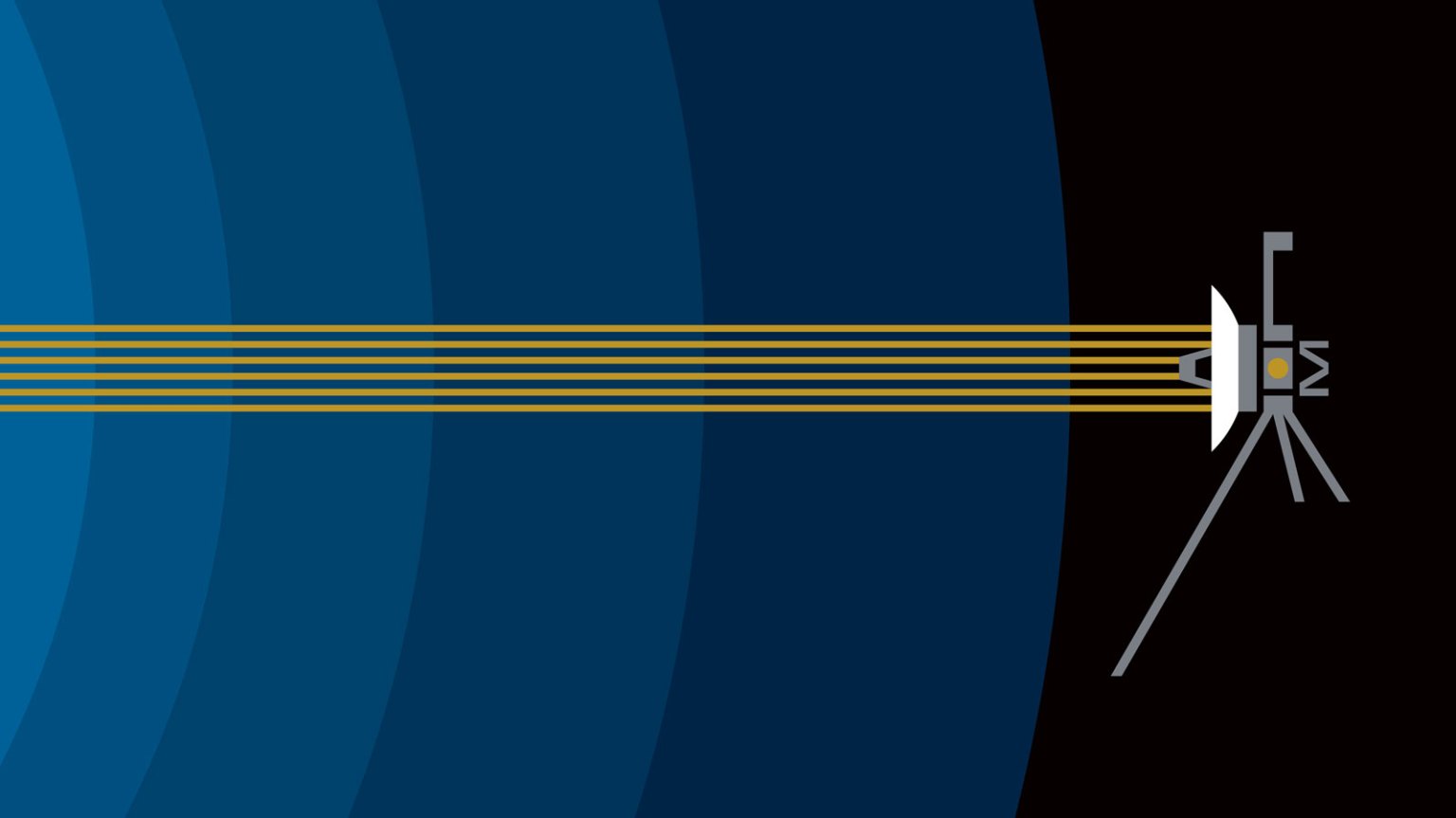
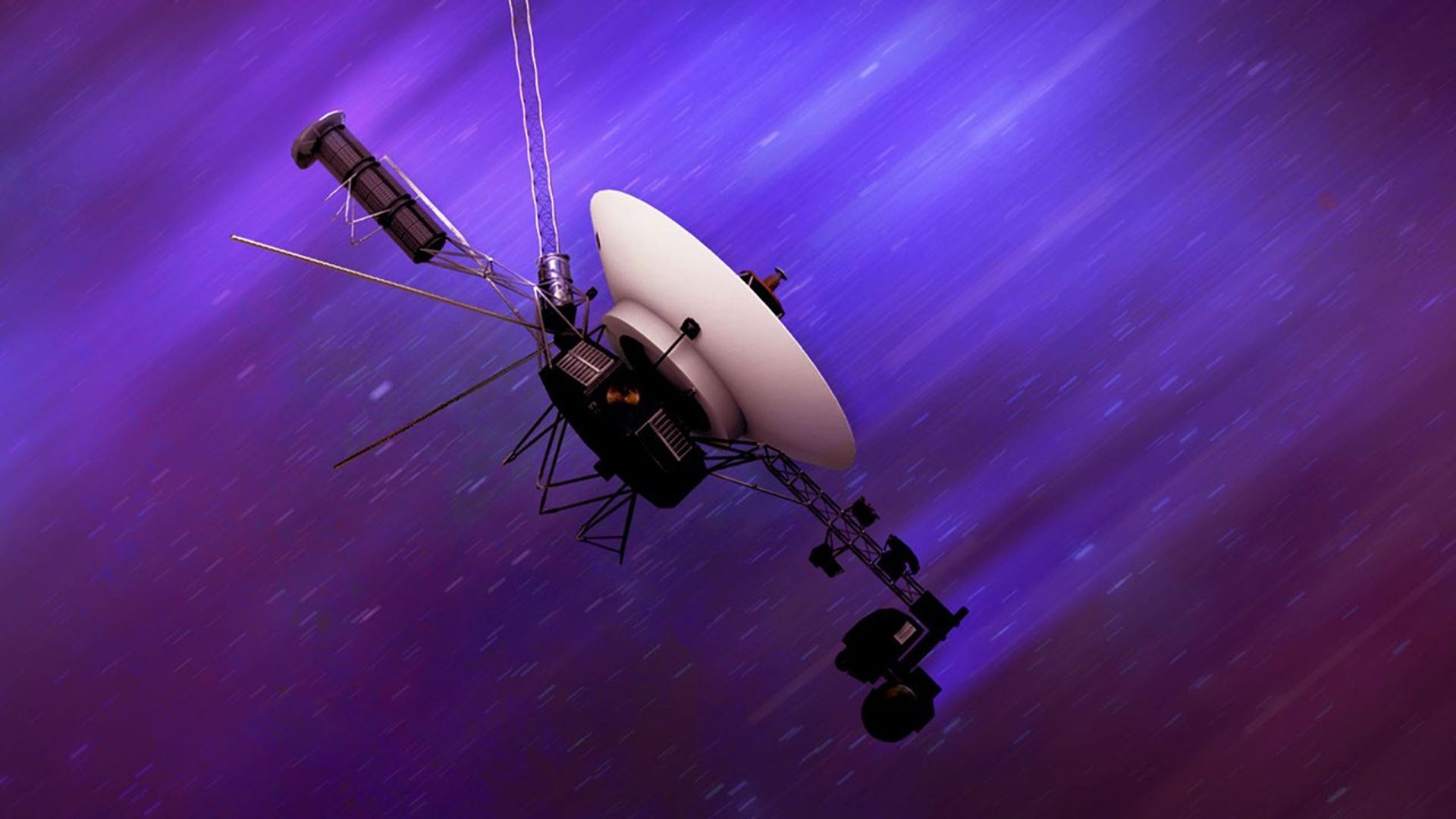
Voyager 1 and its twin Voyager 2 are the only spacecraft ever to operate outside the heliosphere, the protective bubble of particles and magnetic fields generated by the Sun. Voyager 1 reached the interstellar boundary in 2012, while Voyager 2 (traveling slower and in a different direction than its twin) reached it in 2018.
Mission Type
launch
Science Targets
Status
Voyager Blog
Mission Updates
Get the latest updates on the two Voyager spacecraft.
Latest News
.png?w=1920&h=1080&fit=clip&crop=faces%2Cfocalpoint)

Featured
-
01
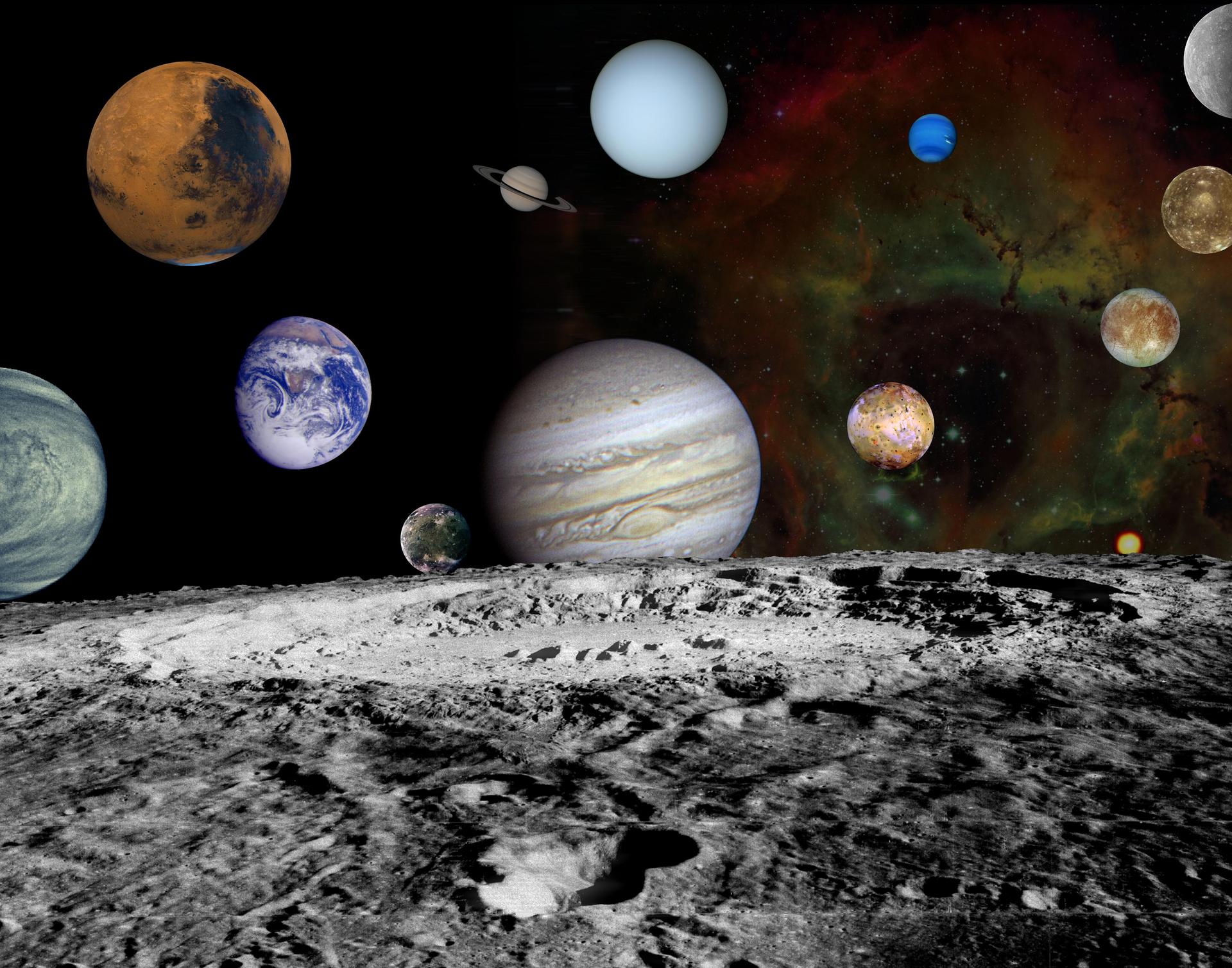
The Interstellar Mission
After completing the first in-depth reconnaissance of the outer planets, the twin Voyagers are on a new mission to chart the edge of interstellar space.
-
02
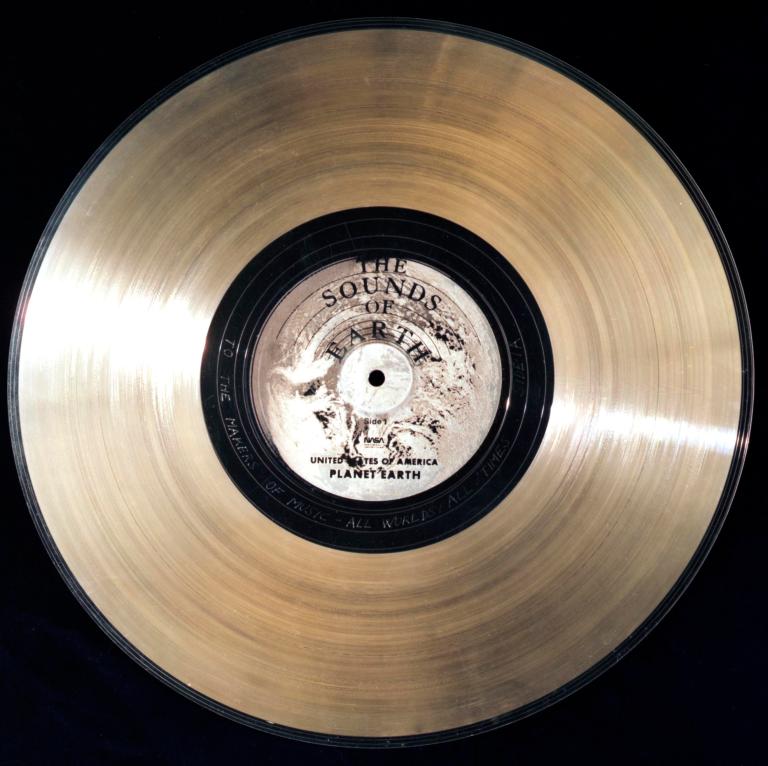
The Golden Record
The contents of the golden record were selected for NASA by a committee led by Carl Sagan of Cornell University.
-
03
The Spacecraft
The twin Voyagers are escaping our solar system in different directions at more than 3 astronomical units (AU) per year; 1 AU is the distance from Earth to the Sun, or about 93 million miles.
The Pale Blue Dot
The behind-the-scenes story of the making of Voyager 1's iconic image of Earth as "a mote of dust suspended in a sunbeam," captured as the spacecraft looked homeward from 3.7 billion miles away.
Learn More About ‘The Pale Blue Dot’ about The Pale Blue Dot