VOOZH about

URL: https://www.educative.io/courses/data-structures-coding-interviews-python

⇱ Data Structures for Coding Interviews in Python - AI-Powered Course


HomeCoursesData Structures for Coding Interviews in Python
AI-powered learning
Save this course
Save

Data Structures for Coding Interviews in Python

Explore proven strategies developed by FAANG engineers to ace coding interviews with a structured approach to data structures in Python. Prep faster with real-world questions.

4.7
228 Lessons
30h
Also available in
Join 2.9 million developers at

Learning Roadmap

228 Lessons24 Quizzes65 Challenges

1.

Introduction to Complexity Measures

Introduction to Complexity Measures

Sharpen your skills in evaluating the time and space complexity of algorithms.
Comparing AlgorithmsExample: Measuring Time Complexity of For LoopExample: Measuring Time Complexity of a Nested For LoopIntroduction to Asymptotic Analysis and Big OOther Common Asymptotic Notations and Why Big O Trumps ThemUseful FormulasCommon Complexity ScenariosChallenge: Big O of Nested Loop with AdditionSolution: Big O of Nested Loop with AdditionChallenge: Big O of Nested Loop with SubtractionSolution: Big O of Nested Loop with SubtractionChallenge: Big O of Nested Loop with MultiplicationSolution: Big O of Nested Loop with MultiplicationChallenge: Nested Loop with Multiplication (Basic)Solution: Nested Loop with Multiplication (Basic)Challenge: Nested Loop with Multiplication (Intermediate)Solution: Nested Loop with Multiplication (Intermediate)Challenge: Nested Loop with Multiplication (Advanced)Solution: Nested Loop with Multiplication (Advanced)Challenge: Nested Loop with Multiplication (Pro)Solution: Nested Loop with Multiplication (Pro)Complexity Quiz: Test your understanding of complexity

2.

Introduction to Lists

Introduction to Lists

Unpack the core of lists and arrays in Python, and tackle essential list manipulation challenges.
ListsArraysLists vs Arrays in PythonChallenge: Remove Even Integers From ListSolution: Remove Even Integers From ListChallenge: Merge Two Sorted ListsSolution: Merge Two Sorted ListsChallenge: Find Two Numbers That Add Up to KSolution: Find Two Numbers That Add Up to KChallenge: Product of Array Except SelfSolution: Product of Array Except SelfChallenge: Find Minimum Value in ListSolution: Find Minimum Value in ListChallenge: First Non-Repeating Integer in a ListSolution: First Non-Repeating Integer in a ListChallenge: Find Second Maximum Value in a ListSolution: Find Second Maximum Value in a ListChallenge: Rotate ListSolution: Rotate ListChallenge: Rearrange Positive & Negative ValuesSolution: Rearrange Positive & Negative ValuesChallenge: Rearrange Sorted List in Max/Min FormSolution: Rearrange Sorted List in Max/Min FormChallenge: Maximum SublistSolution: Maximum SublistLists Quiz: Test your understanding of Lists

3.

Introduction to Linked Lists

Introduction to Linked Lists

30 Lessons

30 Lessons

Examine the fundamentals, operations, and challenges of singly and doubly linked lists.

4.

Introduction to Stacks and Queues

Introduction to Stacks and Queues

25 Lessons

25 Lessons

Grasp the fundamentals of stacks and queues, their implementations, and practical challenges.

5.

Introduction to Graphs

Introduction to Graphs

26 Lessons

26 Lessons

Dig into graph concepts, representations, algorithms, and their practical applications in coding.

6.

Introduction to Trees

Introduction to Trees

38 Lessons

38 Lessons

Focus on trees' structures, properties, and traversal methods, covering binary, AVL, and Red-Black Trees.

7.

Trie

Trie

14 Lessons

14 Lessons

Build on understanding trie structures, their operations, and solving challenges using them.

8.

Introduction to Heap

Introduction to Heap

12 Lessons

12 Lessons

Learn how to use heaps for efficient sorting, priority queues, and element retrieval.

9.

Introduction to Hashing

Introduction to Hashing

33 Lessons

33 Lessons

Walk through hash table fundamentals, efficient operations, implementation strategies, and algorithmic challenges.

10.

Summary of Data Structures

Summary of Data Structures

2 Lessons

2 Lessons

Examine linear and non-linear data structures, their complexities, and practical applications.
Certificate of Completion
Showcase your accomplishment by sharing your certificate of completion.
Complete more lessons to unlock your certificate
Developed by MAANG Engineers
ABOUT THIS COURSE
Data structures are amongst the most fundamental concepts of Computer Science. The data structure chosen can make or break an entire computer program. Consequently, they are also largely categorized as a vital benchmark of computer science knowledge when it comes to industry interviews. This course contains a detailed review of all the common data structures and provides implementation level details in Python to allow readers to become well equipped. Now with more code solutions, lessons, and illustrations than ever, this is the course for you!
ABOUT THE AUTHOR

Coderust helps software developers like you ace your coding interviews. Our interactive interview-prep courses encourage you to get hands-on with the material and practice working through problems.

Learn more about Coderust

Trusted by 2.9 million developers working at companies

These are high-quality courses. Trust me the price is worth it for the content quality. Educative came at the right time in my career. I'm understanding topics better than with any book or online video tutorial I've done. Truly made for developers. Thanks

A

Anthony Walker

@_webarchitect_

Just finished my first full #ML course: Machine learning for Software Engineers from Educative, Inc. ... Highly recommend!

E

Evan Dunbar

ML Engineer

You guys are the gold standard of crash-courses... Narrow enough that it doesn't need years of study or a full blown book to get the gist, but broad enough that an afternoon of Googling doesn't cut it.

S

Software Developer

Carlos Matias La Borde

I spend my days and nights on Educative. It is indispensable. It is such a unique and reader-friendly site

S

Souvik Kundu

Front-end Developer

Your courses are simply awesome, the depth they go into and the breadth of coverage is so good that I don't have to refer to 10 different websites looking for interview topics and content.

V

Vinay Krishnaiah

Software Developer

Related Courses and Skill Paths

Built for 10x Developers
No Passive Learning
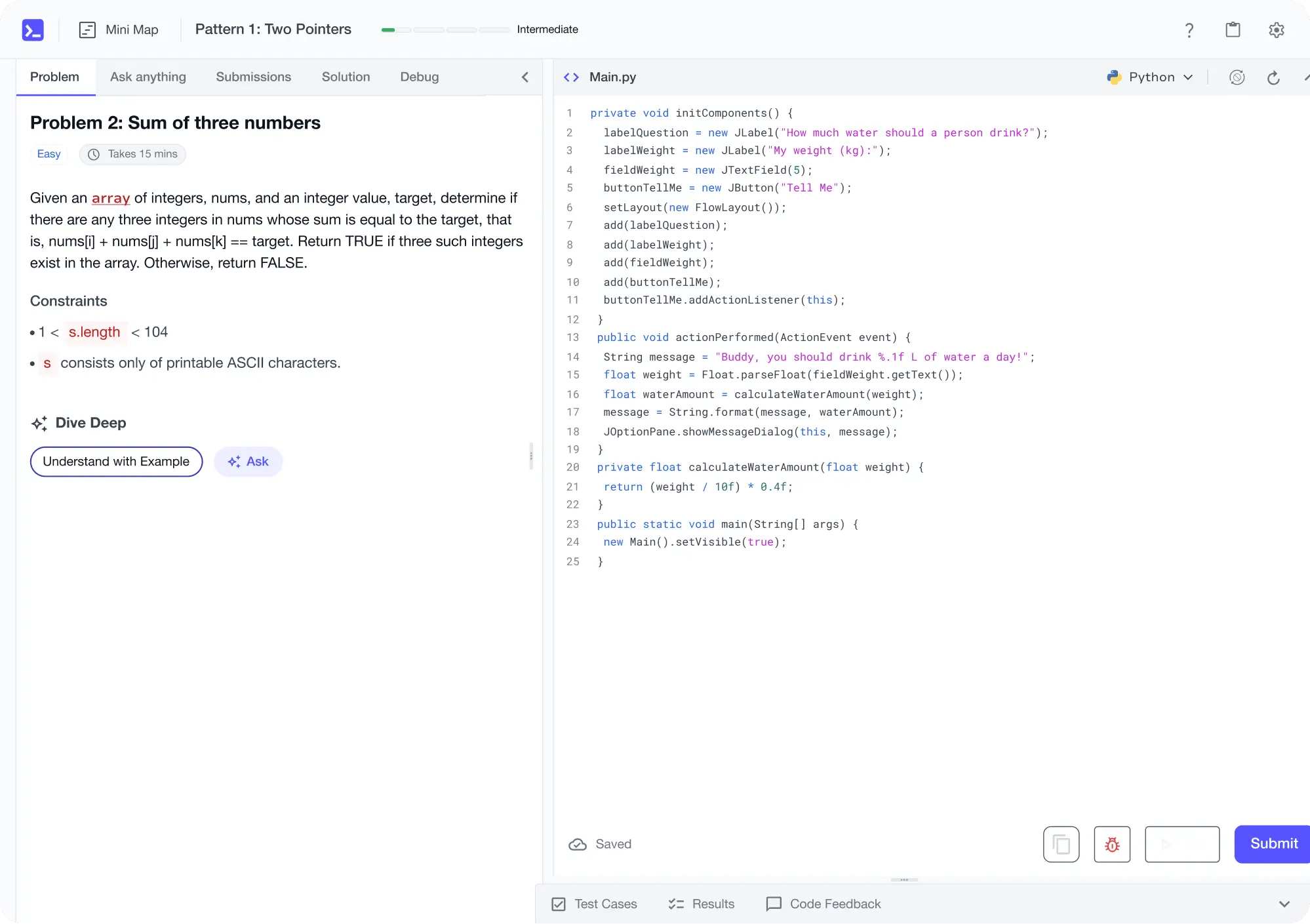
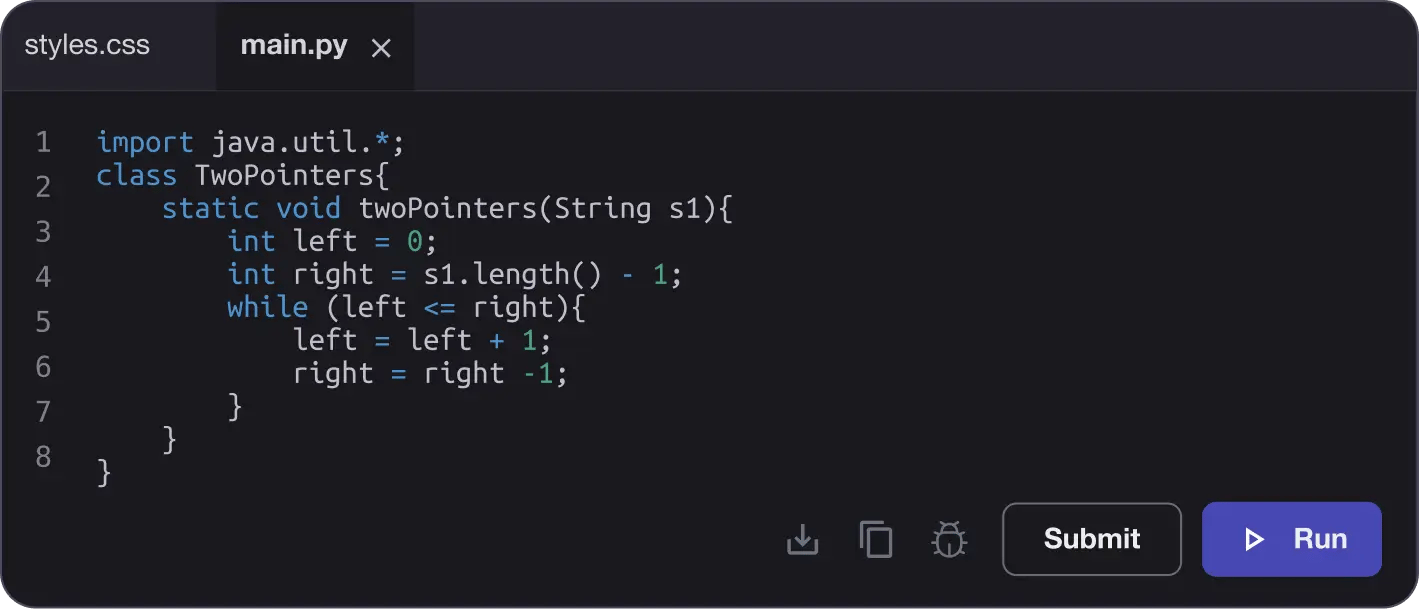
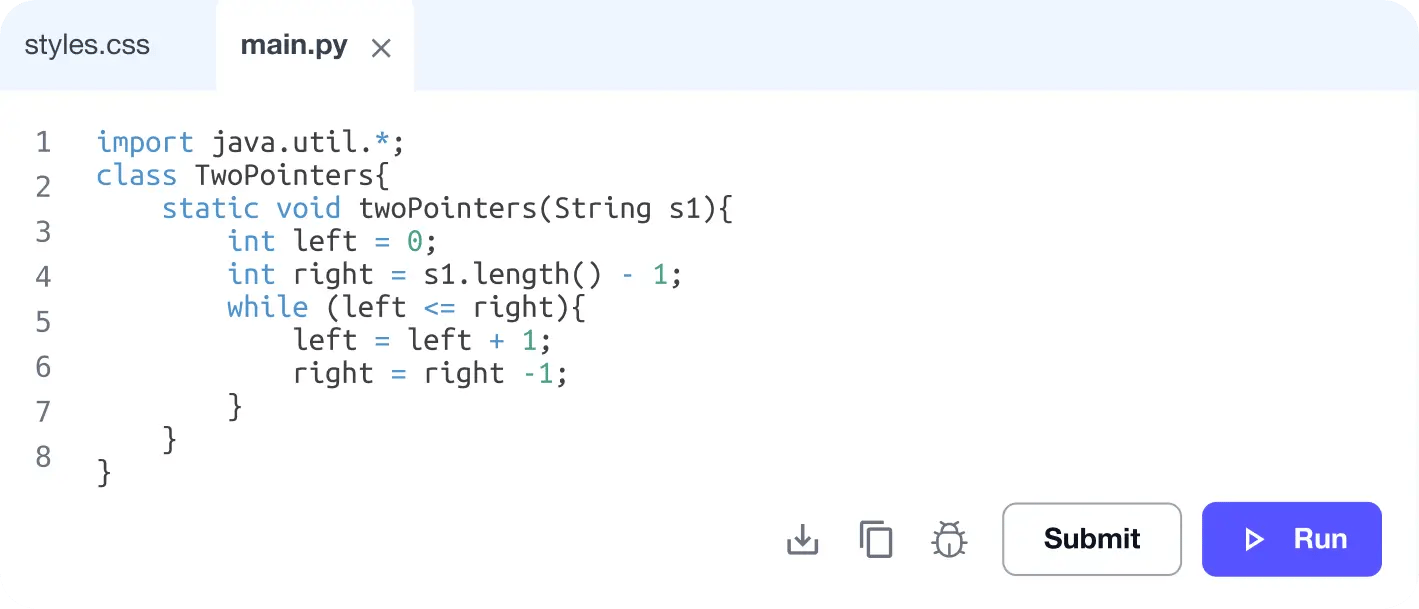
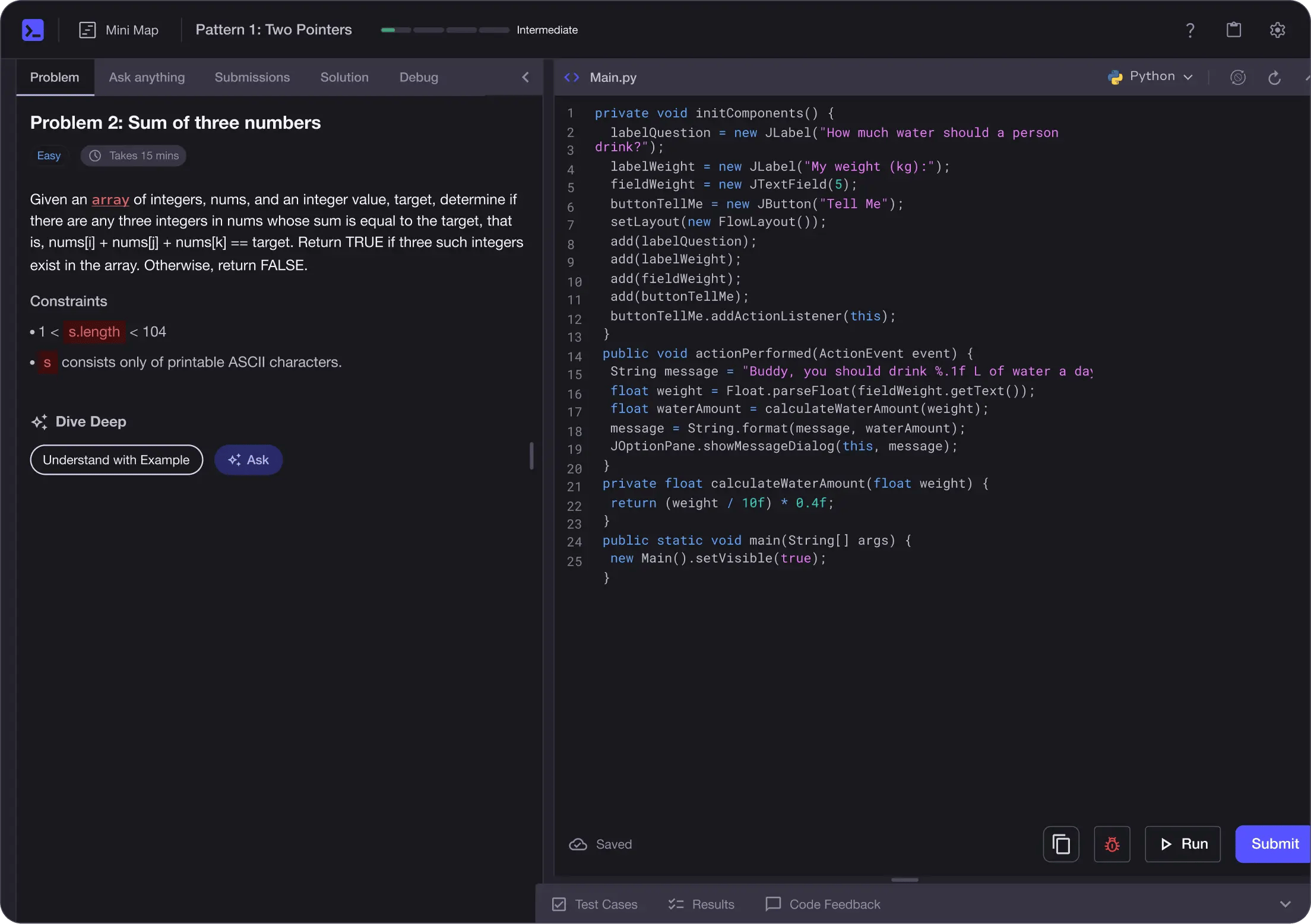
Learn by building with project-based lessons and in-browser code editor
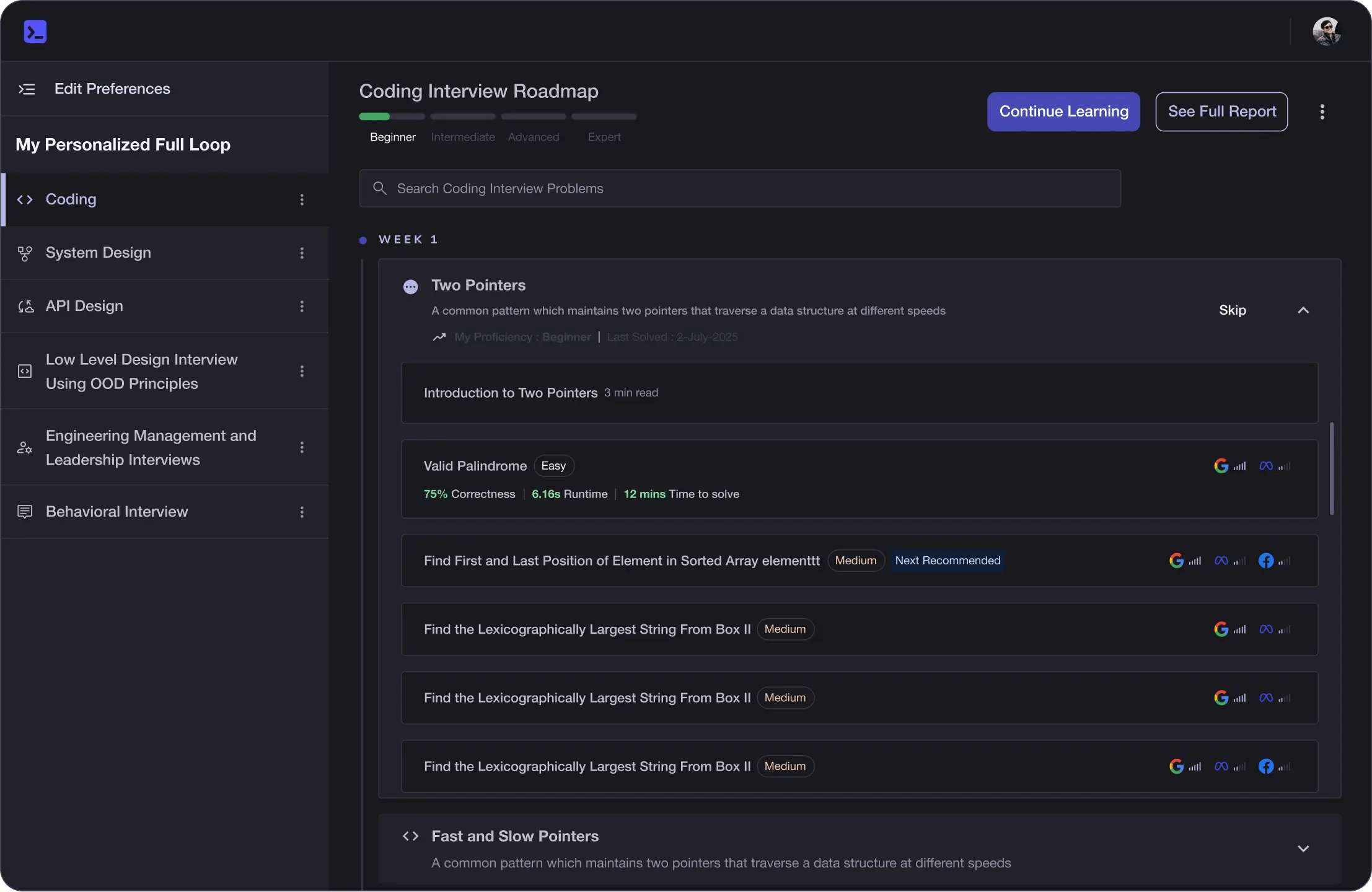
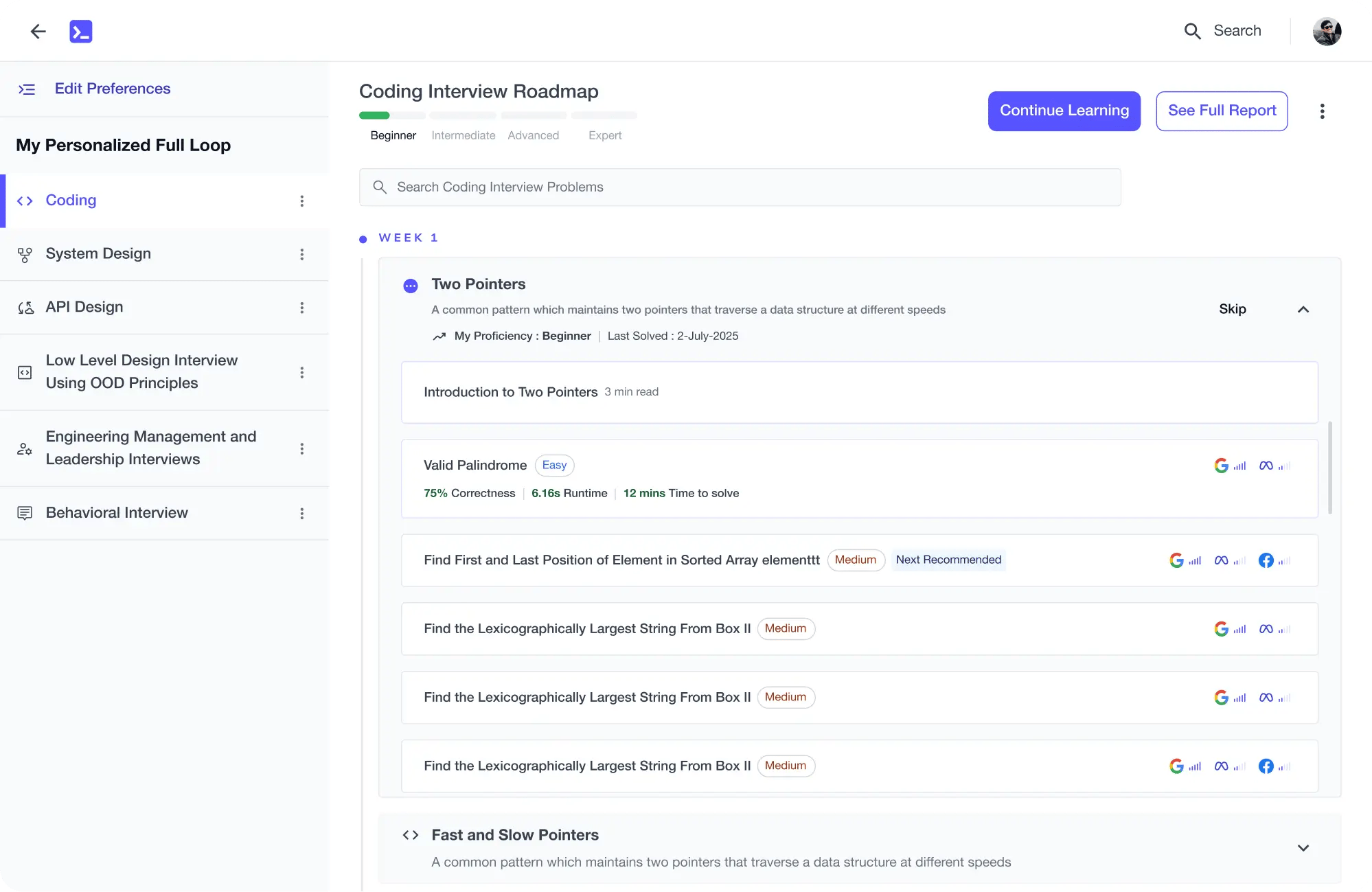
Personalized Roadmaps
The platform adapts to your strengths & skills gaps as you go
AI Code Mentor
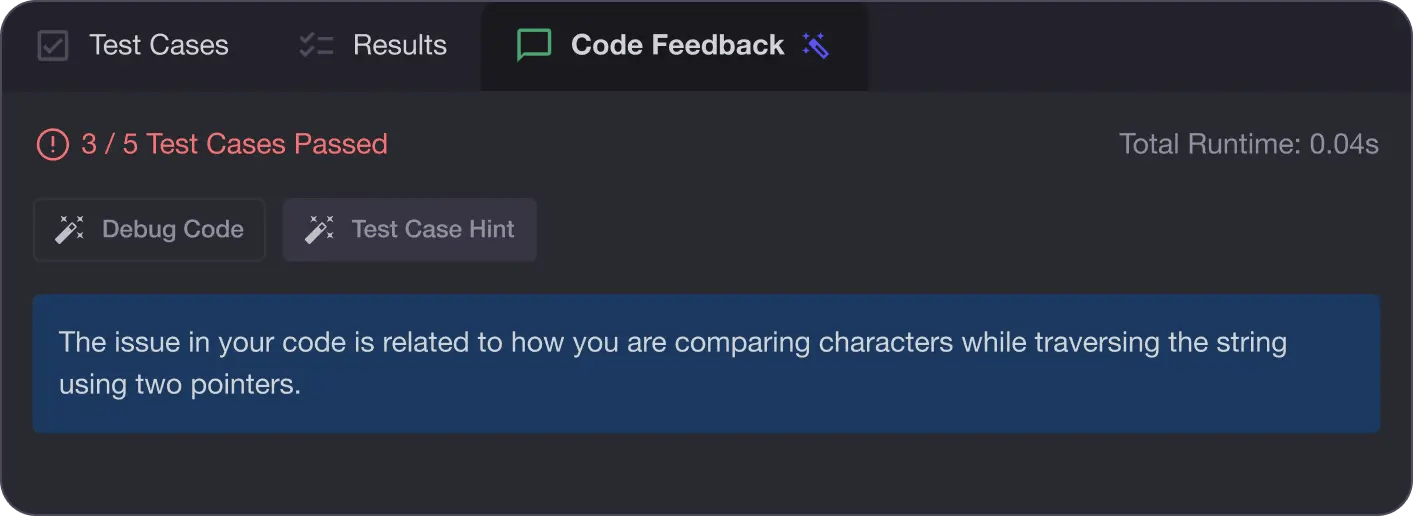
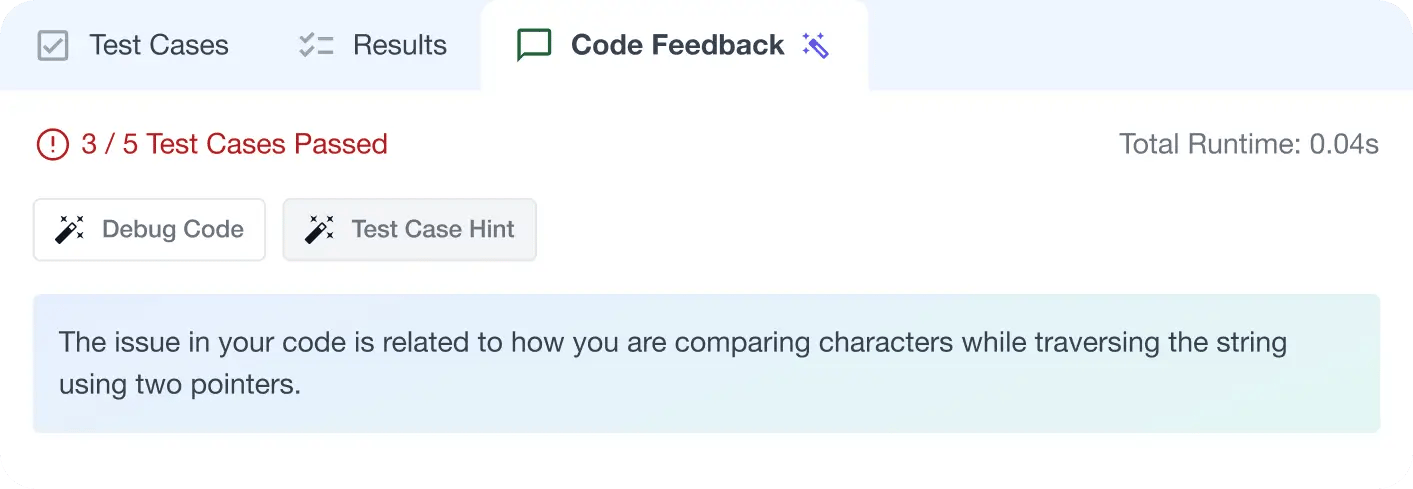
Write better code with AI feedback, smart debugging, and "Ask AI"
MAANG+ Interview Prep
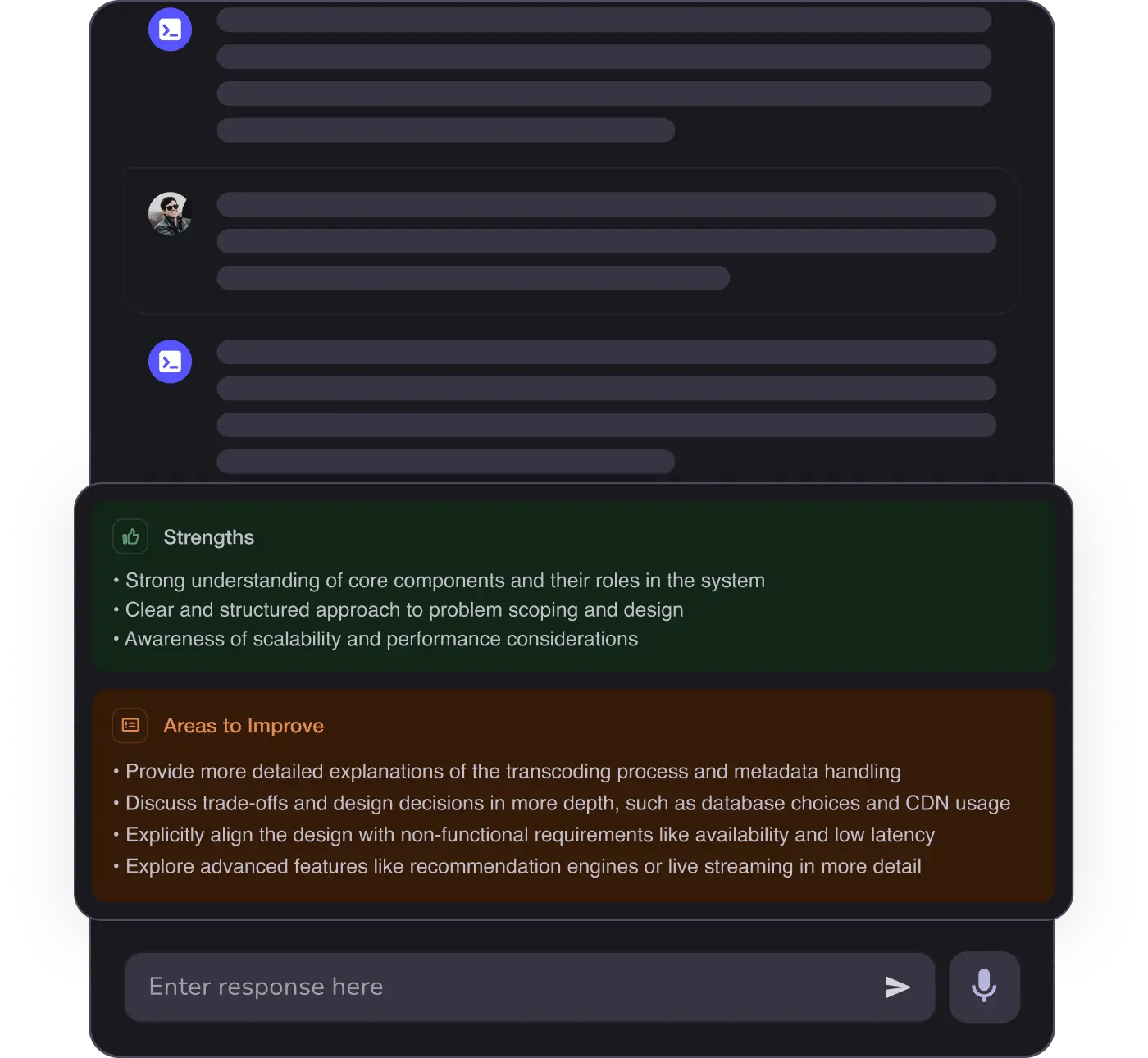
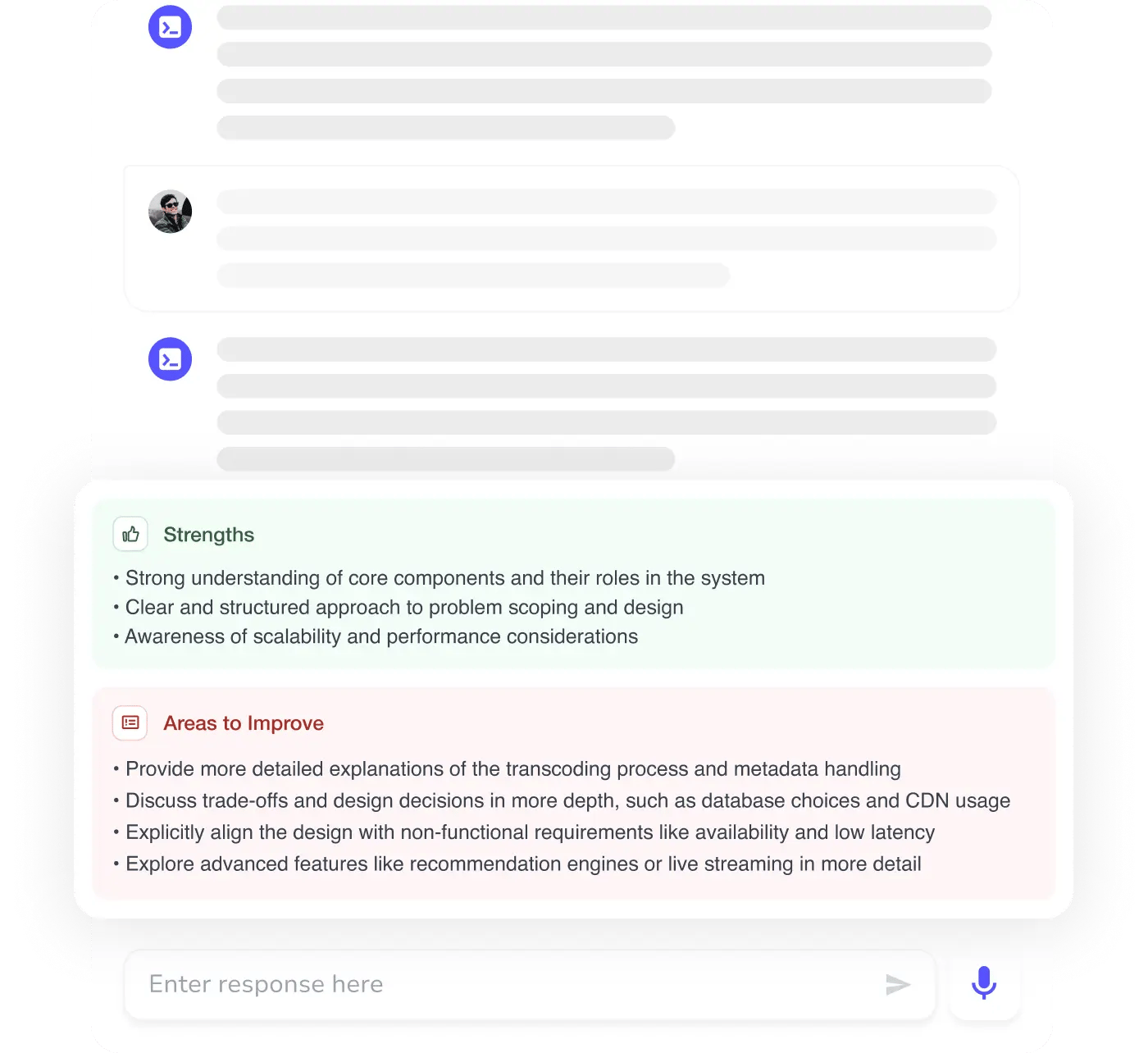
AI Mock Interviews simulate every technical loop at top companies

Free Resources

Frequently Asked Questions

What are the data structures for coding interviews in Python?

For coding interviews in Python, focus on these essential data structures:

  • Lists: Used for dynamic arrays that support fast access, insertion, and deletion.
  • Dictionaries: Implement hash tables for efficient key-value storage and lookups.
  • Sets: Store unique elements and provide fast membership checks.
  • Tuples: Immutable sequences used for fixed-size collections.
  • Queues and stacks: Use collections.deque for double-ended queues, which can also efficiently implement stacks and queues.
  • Heaps: Use heapq for priority queues.
  • Linked lists, trees, and graphs: Implement manually using classes to handle more complex problems.

Mastering these structures and their operations will prepare you well for Python coding interviews.

Can I use Python for DSA in an interview?

Yes, you can use Python for DSA in interviews. Python is highly popular for its simple syntax, readability, and powerful built-in libraries, which make implementing data structures and algorithms easier. It offers built-in support for lists, dictionaries, sets, and other data structures, along with libraries like collections and heapq for more advanced needs. Python’s versatility and ease of use make it a great choice for demonstrating problem-solving skills in interviews.

How to prepare for a coding interview in Python

To prepare for a coding interview in Python, focus on mastering key data structures (like lists, dictionaries, sets, and heaps) and algorithms (such as sorting, searching, and dynamic programming). Practice solving problems on platforms like LeetCode or HackerRank to build familiarity with Python’s syntax and libraries. Understand time and space complexities and review Python-specific features like list comprehensions, generator expressions, and built-in functions. Regularly simulate coding interviews to improve your problem-solving speed and communication skills.

Is Python a good choice for coding interviews?

Yes, Python is an excellent choice for coding interviews. Its clean and concise syntax allows you to write and debug code quickly, making it ideal for solving complex problems under time constraints. Python’s extensive standard library provides built-in data structures (like lists, dictionaries, and sets) and algorithms, which help simplify implementations. It’s widely accepted in interviews across various companies, and many interviewers are familiar with its capabilities, making it a strong option for effectively demonstrating problem-solving skills.

What are the five data types in Python?

The five primary data types in Python are as follows:

  • Integers (int): Represent whole numbers, such as 1, 42, or -7.
  • Floating-point numbers (float): Represent decimal numbers, such as 3.14, 0.001, or -2.5.
  • Strings (str): Represent sequences of characters, such as β€œhello”, β€œPython”, or β€œ123”.
  • Booleans (bool): Represent truth values, either True or False.
  • NoneType (None): Represents the absence of a value or a null value, expressed as None.

These basic data types form the foundation for handling and manipulating data in Python.

Learn in-demand tech skills in half the time

Copyright Β©2026 Educative, Inc. All rights reserved.

πŸ‘ soc2