|
VOOZH | about |
|
VOOZH | about |
Every successful web application is built on the synergy between how the frontend interacts with the backend. Whether you're building a dynamic website or a robust web application, the seamless connection between these two realms is predominant. In this guide, we'll unravel the mysteries behind connecting the front end with the back-end, shedding light on the process in a friendly format. But before directly jumping into that, let's first discuss what these technologies actually are.
👁 Connecting Frontend and BackendREST (Representational State Transfer) is an architectural style for creating web services. This is the most popular approach. It generally uses HTTP request and response methods in order to exchange data in a normalize format. The backend exposes different endpoints for multiple functionalities, and then frontend makes calls to these endpoints in order to retrieve or manipulate data.
A persistent, bi-directional communication protocol that connects a client and a server is called WebSockets. WebSockets, in contrast to conventional HTTP, allow for continuous communication, which makes them appropriate for applications that need real-time updates.
In Server-Side Rendering, the server crafts the webpage's HTML and sends it to the browser, sparing the client's browser from this hefty task. The initial page loads much more quickly with this technique, which also improves search engine optimisation (SEO) and makes it easier for search engines to understand the content.
Client interactions with backend services are revolutionised by Facebook's GraphQL query language for APIs. It gives developers a more effective, adaptable, and developer-friendly method of retrieving data by addressing many of the issues that our conventional RESTful APIs pose.
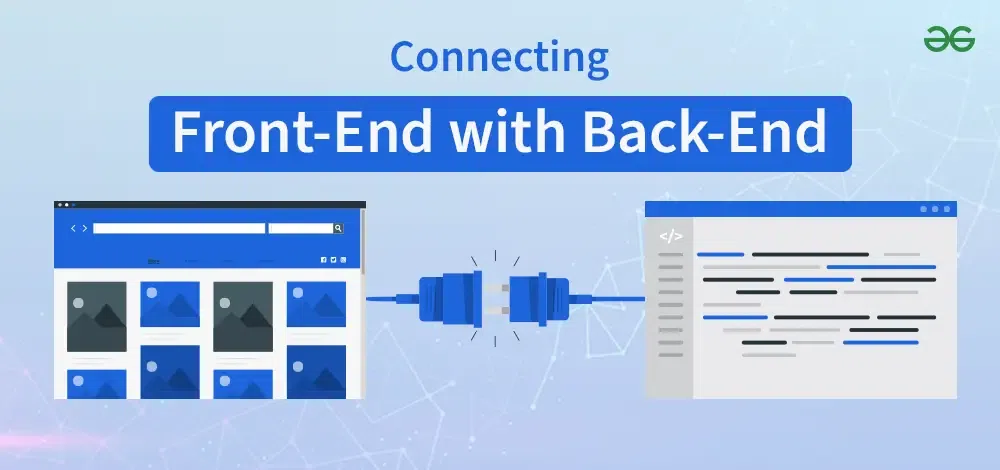
Connecting the frontend and backend is like establishing a secure communication channel between two distinct domains: the user interface and server functionality. By grasping the unique roles of each side and adopting suitable communication methods, you pave the way for efficient data exchange and enhanced user interaction.
Whether opting for RESTful APIs, leveraging WebSockets, implementing Server-Side Rendering, or embracing GraphQL, the crux lies in selecting the strategy aligned with your project's specific needs. With careful planning and well-written code, you can create a strong communication channel that will provide your users with a smooth and effective experience.
Explore these technical concepts thoroughly, perfect your strategy, and create solutions that will enhance your web applications to a whole new level!