|
VOOZH | about |
|
VOOZH | about |
The year is 2025. Our reliance on technology has reached unprecedented heights, but so have the dangers lurking in the digital shadows. Cybercrime is evolving at breakneck speed, leaving individuals and organizations exposed to an ever-widening array of threats. This article serves as a stark wake-up call, unveiling the Top 10 Cyber Security Threats currently wreaking havoc across the globe.
Ransomware,phishing attacks,malware attacks, and other cybersecurity threats are some examples. One of the fastest-growing areas is cybersecurity nowadays. The need for data protection is being recognized by more individuals than ever before. Businesses, in particular, are paying attention, as data breaches cost billions of dollars each year and expose vast amounts of personal information.
As of August 2020, it was estimated that there have been over 445 million cyberattacks worldwide this year, more than double the total for the full year of 2019. While many of these attacks were thought to be driven by our increased use of the Internet as a result of the coronavirus pandemic and lockdowns, the threat to businesses remains significant, with the cost of cybercrime expected to reach $10.5 trillion by 2025(According to Cybersecurity Ventures). The threats posed by cyber thieves will only increase as organizations become more dependent on the Internet and technology.
Table of Content
A cyber threat can be defined as any activity, deliberate or unintentional, that has the potential to harm an automated information system or activity. In simpler terms, it's anything that could put your computer systems, networks, and data at risk.
Here are some key points to remember about cyber threats:
Sensitive data has been exposed as a result of several high-profile cyberattacks in recent years.
For example, the 2017 Equifax data breach exposed the personal information of more than 143 million people, including dates of birth, residence, and Social Security numbers. Marriott International revealed in 2018 that hackers gained access to its systems and stole the personal information of nearly 500 million customers. The inability to establish, test, and retest technical security measures, including encryption, authentication, and firewalls, allowed a cybersecurity threat in both situations.
Cyber attackers can exploit sensitive data to steal information or gain access to a person's or company's bank accounts, among other potentially destructive activities, which is why cybersecurity experts are so critical of keeping private data secure.
Many small business owners feel that their firm is too small or that their business is modest enough not to be targeted for attack, but this is far from the case. Small companies often take a careless approach to Internet security, resulting in inadequate security and leaving them vulnerable to attacks. Hackers are using increasingly sophisticated and automated tactics, allowing them to attack thousands of small company websites at once.
Certainly! Let’s delve into the Top 10 Cyber Threats that the world is facing with in 2025. These threats pose significant challenges to organizations,individuals, and global security:
Ransomware attacks continue to plague businesses and governments alike. The concept is simple: attackers encrypt your data and demand a ransom for its release. High-profile incidents like the Colonial Pipeline attack, where a hefty ransom was paid, underscore the severity of this threat.
Ransomware is a type of malicious software designed to encrypt a victim's data, rendering it inaccessible. Attackers then demand a ransom payment in exchange for providing the decryption key. This effectively holds the victim's data hostage, creating a high-pressure situation often resulting in significant financial losses.
Modus Operandi:
Ransomware attacks can occur through various means, including:
Impact:
Ransomware attacks can have devastating consequences for individuals and organizations alike. Some potential impacts include:
Defense Strategies :
- Regular software updates: Keeping software and operating systems up-to-date with the latest security patches helps address known vulnerabilities.
- Employee awareness training: Educating employees about phishing scams and other social engineering tactics can significantly reduce the risk of successful attacks.
- Data backups: Regularly backing up critical data ensures recovery options in case of ransomware infection.
- Cybersecurity solutions: Implementing robust cybersecurity solutions, including firewalls, intrusion detection systems, and endpoint protection, can help detect and prevent ransomware attacks.
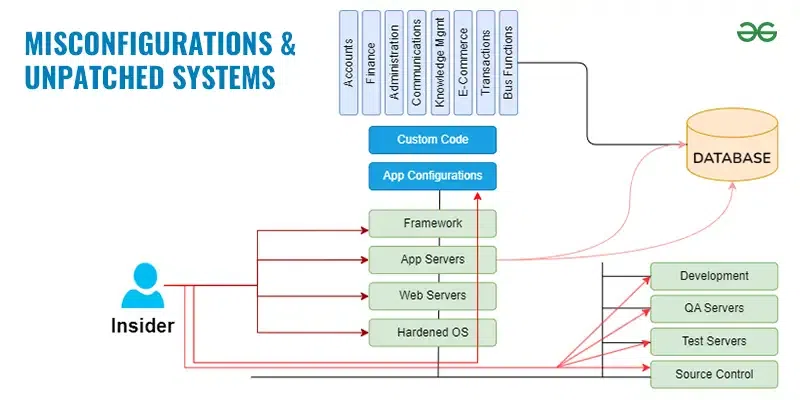
Neglecting system updates and misconfigurations can leave vulnerabilities wide open. Cybercriminals exploit these weaknesses to gain unauthorized access or disrupt services.
In the ever-evolving landscape of cybersecurity, two critical vulnerabilities remain prevalent: misconfigurations and unpatched systems. These seemingly minor oversights can create significant security gaps, acting as open doors for cybercriminals to exploit and launch devastating attacks.
Misconfigurations occur when security settings are not implemented correctly or deployed with errors, leaving systems and applications susceptible to attack. This can happen at various levels, including:
These misconfigurations, like unlocked doors or forgotten keys, provide easy entry points for attackers, enabling them to steal data, disrupt operations, or launch further attacks.
Unpatched systems refer to software or operating systems that lack the latest security updates, leaving them vulnerable to known and newly discovered vulnerabilities. These vulnerabilities are like cracks in the foundation of a building, waiting to be exploited by attackers with readily available tools and knowledge.
Attackers constantly scan for unpatched systems, exploiting these vulnerabilities to gain access, install malware, or launch other malicious activities. The consequences can be severe, including:
By neglecting to patch software vulnerabilities, organizations and individuals create opportunities for attackers to exploit these weaknesses, potentially causing significant harm.
Defense Strategies :
- Regular security audits: Regularly assess systems and applications for misconfigurations and identify potential vulnerabilities.
- Patch management: Implement a robust patch management system to ensure timely application of security updates for all software and operating systems.
- Security awareness training: Educate employees about the risks of misconfigurations and the importance of secure practices.
- Strong security controls: Implement strong security controls such as firewalls, intrusion detection systems, and access controls to further protect systems and data.
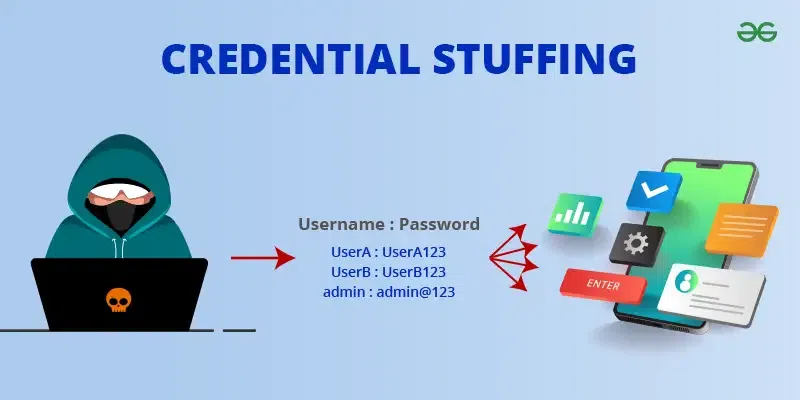
Attackers use stolen credentials (often from previous data breaches) to gain unauthorized access to accounts. Weak or reused passwords are a prime target.
In the realm of cyber threats, credential stuffing emerges as a stealthy attack method that leverages stolen username and password combinations to gain unauthorized access to multiple accounts. Imagine a thief trying countless keys on different doors; credential stuffing operates similarly, attempting stolen login details across various platforms.
Modus Operandi:
Impact:
The consequences of credential stuffing can be far-reaching:
Defense Strategies :
- Strong Password Practices: Enforce strong password policies, encouraging users to create unique and complex passwords for each account.
- Multi-Factor Authentication (MFA): Implement MFA as an additional layer of security, requiring a second verification step beyond just username and password.
- Regular Password Updates: Encourage users to update their passwords regularly, especially after major data breaches or suspicious activity.
- Data Breach Monitoring: Monitor for data breaches that might expose user credentials and promptly notify affected users to change their passwords.
- Security Awareness Training: Educate users about credential stuffing and phishing tactics to help them identify and avoid suspicious login attempts.
Human manipulation remains a potent weapon. Phishing emails, pretexting, and baiting lure victims into revealing sensitive information or performing actions that compromise security.
Social engineering, in the context of cyber threats, refers to a malicious practice that exploits human trust, emotions, and vulnerabilities to manipulate victims into divulging sensitive information or granting unauthorized access to systems and data. Think of it as a con artist's digital playbook, where attackers leverage psychological tactics to trick their targets rather than relying solely on technical exploits.
Modus Operandi:
Social engineering attacks typically follow a well-defined structure:
Common Tactics:
Social engineering attacks can employ a diverse range of tactics, including:
Impact:
Social engineering attacks can have severe consequences, including:
Defense Strategies:
- Security awareness training: Educating employees and individuals about common social engineering tactics can significantly reduce the risk of falling victim.
- Verification: Always verify the legitimacy of requests, even if they appear to come from trusted sources. Do not click on suspicious links or attachments.
- Strong passwords and data protection: Utilize strong passwords and avoid sharing sensitive information unless absolutely necessary and through secure channels.
- Multi-factor authentication: Implement MFA as an additional security layer to make unauthorized access more difficult.
- Security protocols: Establish clear security protocols for handling sensitive data and accessing systems.
Phishing attacks, a prevalent tactic in the cyber threat landscape, aim to lure victims into revealing sensitive information or clicking on malicious links through deceptive emails or messages. Imagine a cybercriminal casting a digital lure, disguising it as a trustworthy entity, to bait unsuspecting individuals into compromising their data security.
Modus Operandi:
Common Phishing Techniques:
Impact:
The consequences of successful phishing attacks can be severe:
Defense Strategies:
- Security Awareness Training: Educating employees and users about phishing tactics and red flags helps them identify and avoid suspicious emails.
- Email Filtering and Security Software: Utilize robust email filtering systems and security software to detect and block phishing attempts.
- Verification: Always verify the sender's legitimacy, even if the email appears familiar. Do not click on suspicious links or attachments.
- Strong Passwords and Data Protection: Implement strong password policies and avoid sharing sensitive information readily.
- Multi-Factor Authentication: Employ MFA as an additional layer of security for critical accounts.
In the realm of cyber threats, malware stands as a prominent adversary, encompassing a diverse range of malicious software designed to harm individuals and organizations in various ways. Imagine it as a digital parasite, infiltrating systems and exploiting vulnerabilities to disrupt operations, steal data, or cause financial losses.
Manifestations and Methods:
Malware can take on numerous forms, each with its distinct malicious intent:
Delivery Mechanisms:
Malware can infiltrate systems through various means:
Impact:
The consequences of malware infections can be significant:
Defense Strategies:
- Security software: Install and maintain reputable antivirus and anti-malware software to detect and block malicious threats.
- Keep software updated: Regularly update operating systems, applications, and firmware to address known vulnerabilities.
- Be cautious with emails and downloads: Avoid suspicious emails, attachments, and downloads from untrusted sources.
- Use strong passwords: Employ unique and complex passwords for all accounts and enable multi-factor authentication when available.
- Back up your data: Regularly back up your data to ensure recovery options in case of malware infection.
In the constant battle against cyber threats, zero-day exploits emerge as particularly dangerous weapons. These exploits target previously unknown vulnerabilities in software or systems, leaving defenders without patches or solutions to prevent attacks. Imagine an invisible crack in a fortress wall, known only to attackers, granting them unrestricted access before anyone can even begin repairs.
Modus Operandi:
Impact:
The consequences of successful zero-day exploits can be devastating:
Defense Strategies:
- Security Patch Management: Implement a robust patch management system to apply security updates promptly once they become available.
- Endpoint Protection: Utilize endpoint protection software that can detect and block suspicious behavior, even if the specific exploit is unknown.
- Threat Intelligence: Subscribe to threat intelligence feeds to stay informed about emerging vulnerabilities and potential zero-day threats.
- Security Awareness Training: Educate employees about cyber threats and suspicious activities to help them identify and report potential attacks.
- Segmentation and Network Controls: Implement network segmentation and access controls to limit the potential impact of an exploit if it occurs.
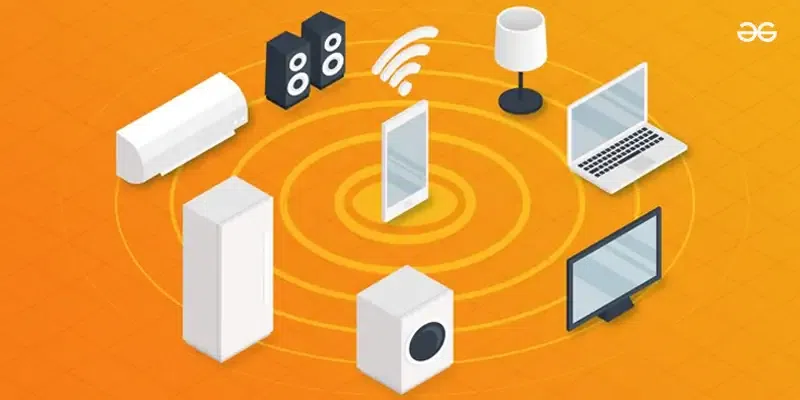
The Internet of Things (IoT), encompassing a vast network of interconnected devices, presents exciting opportunities for automation and convenience. However, with this interconnectedness comes an increased attack surface and unique vulnerabilities that cybercriminals can exploit. Imagine a sprawling network of devices, each a potential entry point for attackers, creating a complex security challenge.
Nature of the Threat:
IoT devices often have:
Types of Vulnerabilities:
Impact:
Defense Strategies :
- Strong authentication and encryption: Implement strong passwords, multi-factor authentication, and encrypt data transmission whenever possible.
- Regular firmware updates: Keep all devices updated with the latest firmware patches to address known vulnerabilities.
- Network segmentation: Isolate IoT devices from critical systems and segment them within the network to limit the attack surface.
- Physical security measures: Implement physical security measures to protect devices from unauthorized access.
- Security awareness training: Educate users about the risks of insecure IoT devices and encourage responsible practices.
In today's interconnected world, organizations increasingly rely on third-party vendors and suppliers for various services and components. While this outsourcing offers efficiency and specialization, it also introduces a hidden vulnerability known as third-party exposure, posing significant cyber threats. Imagine your organization as a well-guarded fortress, but with a back door leading to a less secure partner's network. Attackers might exploit this weaker link to gain access to your critical systems and data.
Understanding the Risk:
Third-party exposure arises from dependencies on external entities, with potential vulnerabilities at various stages:
Potential Consequences:
The consequences of failing to address third-party exposure can be severe:
Defense Strategies :
- Rigorous vendor assessment: Conduct thorough security assessments of potential and existing third-party partners to evaluate their security practices and potential vulnerabilities.
- Contractual agreements: Establish clear contractual clauses that mandate specific security standards and compliance requirements for third parties handling your data.
- Data security controls: Implement data encryption, access controls, and other security measures to protect sensitive information shared with third parties.
- Continuous monitoring: Regularly monitor third-party activity and security posture to identify and address potential risks promptly.
- Incident response planning: Develop a comprehensive incident response plan to effectively manage and mitigate security incidents involving third parties.
In the battlefield of cybersecurity, poor cyber hygiene emerges as a silent yet significant threat, creating vulnerabilities that attackers readily exploit. Imagine a fortress with sturdy walls but overflowing with waste, providing attackers with footholds and entry points. Similarly, neglecting basic security practices creates a breeding ground for cyber threats, jeopardizing individuals and organizations alike.
Manifestations of Poor Hygiene:
Several practices contribute to poor cyber hygiene:
Impact of Poor Hygiene:
The consequences of poor cyber hygiene can be far-reaching:
Defense Strategies :
- Create strong and unique passwords: Use complex passwords with a combination of upper and lowercase letters, numbers, and symbols, and avoid reusing them.
- Enable multi-factor authentication (MFA): Add an extra layer of security by requiring a second verification step beyond just a password when logging in.
- Install and update software regularly: Keep operating systems, applications, and firmware updated with the latest security patches to address known vulnerabilities.
- Be cautious with emails and downloads: Verify the sender and legitimacy of emails before opening attachments or clicking on links. Download software only from trusted sources.
- Secure your devices: Use strong passwords or PINs to lock your devices and encrypt sensitive data. Avoid leaving them unattended in public places.
- Regularly back up your data: Implement a regular backup schedule to ensure you have copies of critical data in case of system failures or attacks.
- Educate users: Raise awareness among employees or family members about cyber threats and best practices for secure online behavior.
The evolving landscape of cyber threats necessitates a diverse arsenal of solutions to protect your critical assets. Here's a breakdown of some key types of cybersecurity solutions to consider:
1. Endpoint Security:
4. Application Security:
5. Data Security:
6. Identity and Access Management (IAM):
7. Security Information and Event Management (SIEM):
8. Security Awareness Training:
9. Incident Response:
10. Threat Intelligence:
Remember:
Must Read
In 2025, cyber threats are diverse and sophisticated, from ransomware to poor cyber hygiene. Understanding these "Top 10 Cyber Security Threats" is crucial for protecting data and privacy. Implement robust security practices like software updates, strong passwords, and employee training to reduce risks. Stay informed about emerging threats and adopt a layered security approach. Remember, cybersecurity is a shared responsibility for individuals, organizations, and governments alike.