|
VOOZH | about |
|
VOOZH | about |
DNS and DHCP are two very critical services over a network. DNS refers to the Domain Name System, whereas DHCP refers to the Dynamic Host Configuration Protocol.
Domain Name System (DNS) is an Internet service that translates human-readable domain names (e.g., www.geeksforgeeks.org ) into IP addresses (like 192.160.0.1 ), whereas Dynamic Host Configuration Protocol (DHCP) is a protocol for automatically assigning IP addresses and other configurations to devices when they connect to a network. These are two different but complementary services in the management of communication across a network.
Understanding the difference between DNS and DHCP is the key to network administration and troubleshooting. Since both services are crucial for the smooth running of modern networks.
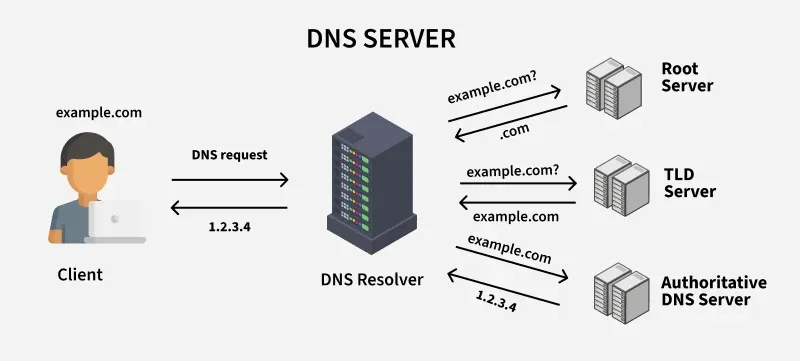
In DNS, with the help of a DNS server, domain names are translated into IP addresses, and IP addresses are translated into domain names. The architecture of DNS is given below:
Read more about Domain Name System (DNS)
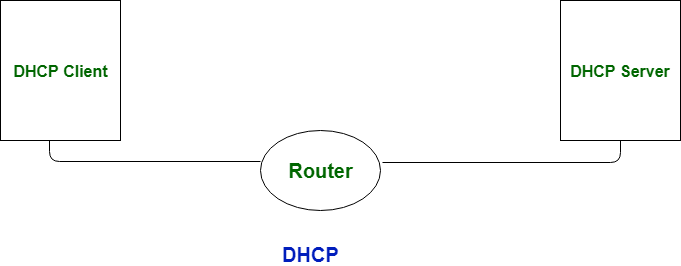
DHCP facilitates the distribution of IP addresses and other relevant details related to network configuration to devices over a network. Like DNS server, it does not map domain names into IP addresses or IP addresses into domain names, DHCP server is used to configures the hosts mechanically.
| DNS | DHCP |
|---|---|
| DNS stands for Domain Name System. | DHCP stands for Dynamic Host Configuration Protocol. |
| It works in 53 port number. | It works in 67 and 68 port number. |
| The protocol supported by DNS are: UDP and TCP. | In this only UDP protocol is used. |
| DNS is decentralized system. | DHCP is centralized system. |
| In DNS, with the help of DNS server, domain names are translated into IP addresses and IP addresses are translated into domain names. | While in DHCP, DHCP server is used to configures the hosts mechanically. |
| DNS management involves configuring and maintaining DNS servers and records. | DHCP management involves configuring and maintaining DHCP servers, setting lease times, and managing IP address pools. |
| With the help of DNS, we don't need to remember the IP address. | It is reliable IP configuration. |
While DNS and DHCP both work for different purposes over a network, they are equally important for the smooth and effective functioning of the network. DNS facilitates access to resources using friendly domain names, whereas DHCP eases administrative tasks associated with assigning IP addresses within a network. The difference between DNS and DHCP gives guidelines to the network administrator on how to maintain a stable and responsive network environment wherein the user's connectivity to resources is perfectly managed.