|
VOOZH | about |
|
VOOZH | about |
Fog consequences are critical for growing immersive and sensible three-dimensional environments in WebGL. By simulating atmospheric scattering, fog can decorate intensity perception and temper within our scenes on our websites which looks cool and sophisticated. Whether we are developing a video game or a visualization tool, adding fog results can appreciably and unknowingly enhance the visible enchantment and realism of our project.
Below are the following approaches to implement Fog Effects in WebGL:
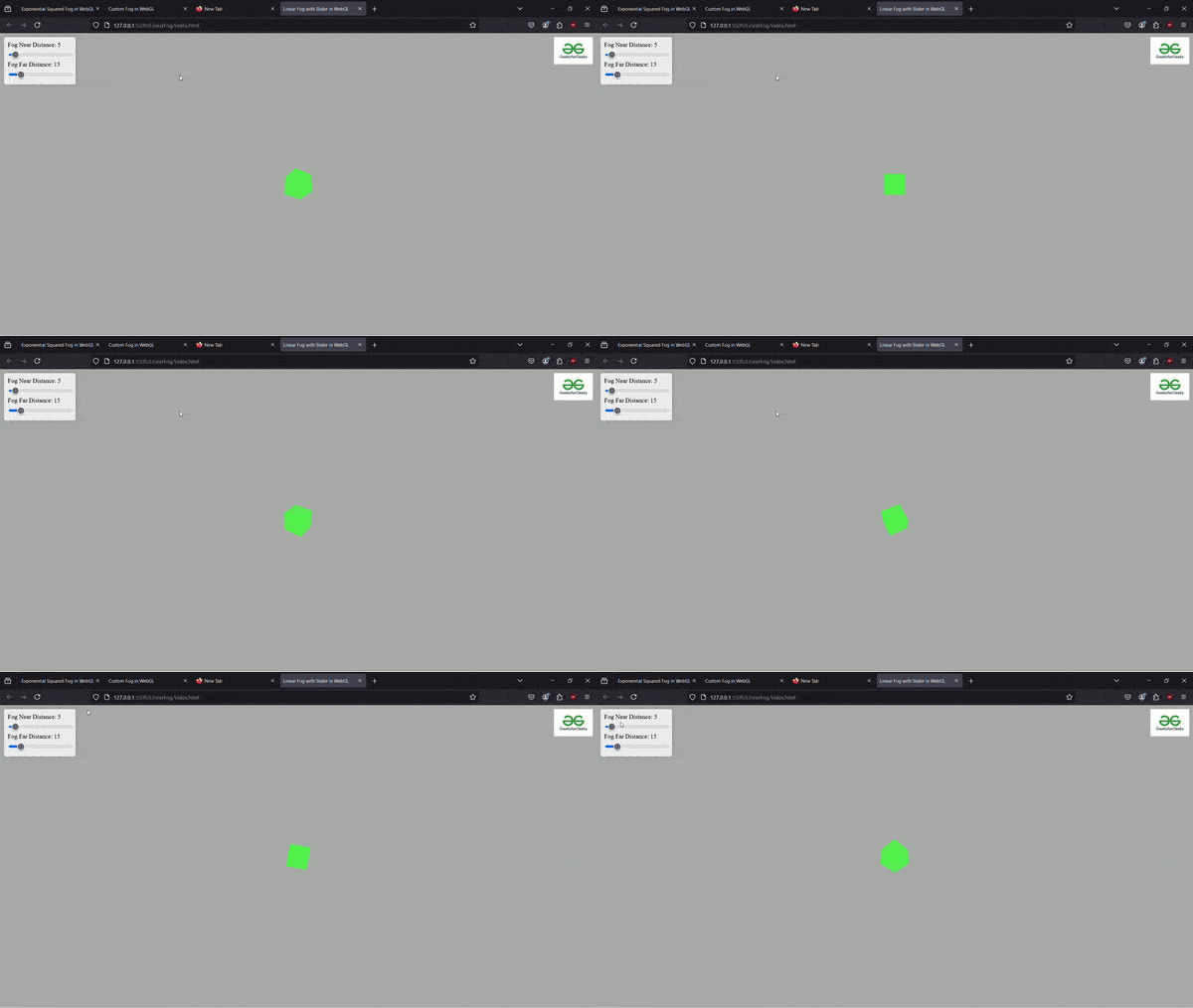
This is made up of two things, camera and far-from-camera density dependency, it is the most basic and most straightforward approach to simulate fog by increasing density gradually from a starting point(near the camera) to a maximum distance(far from the camera). This type of fog creates a smooth transition between foggy and clear areas, making an ideal environment or scene where a gradual fade is required.
Example: This illustrates a 3D scene using Three.js, with a rotating cube and dynamic fog settings.
Output:
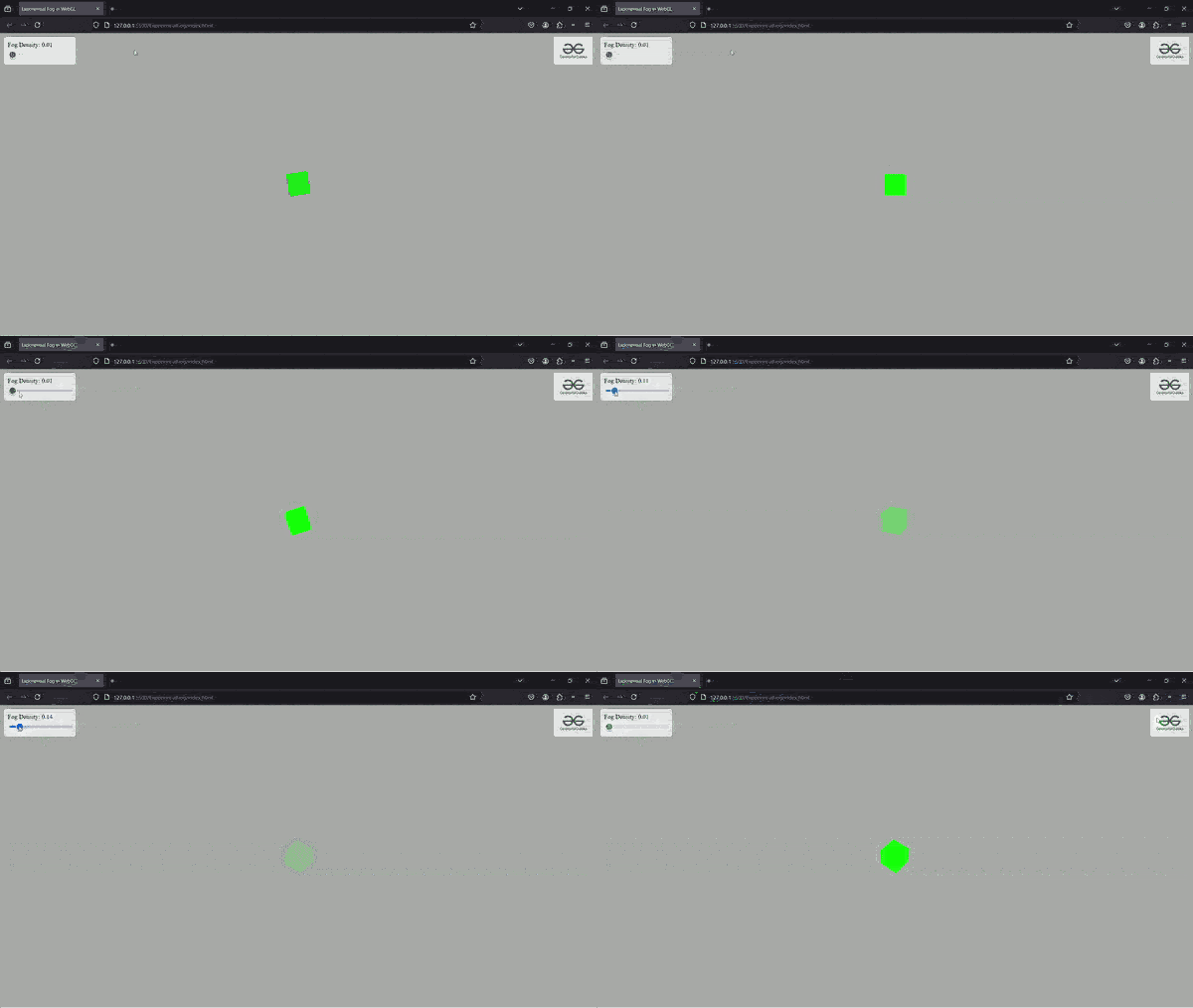
Exponential fog simulates a extra severe fog effect by means of making use of a density that increases exponentially with distance from the camera in our website which is also called a focus shifting. This consequences in a extra deep and edged fog effect as objects passes away, this makes more developed and a more dramatic ecosystem in comparison to linear fog.This is mostly used in production grade website to showcase something which is more valuable and the gradient increases from top to bottom where more fog is at bottom.
Example: This illustrates a 3D scene using Three.js with a rotating cube and adjustable exponential fog density.
Output:
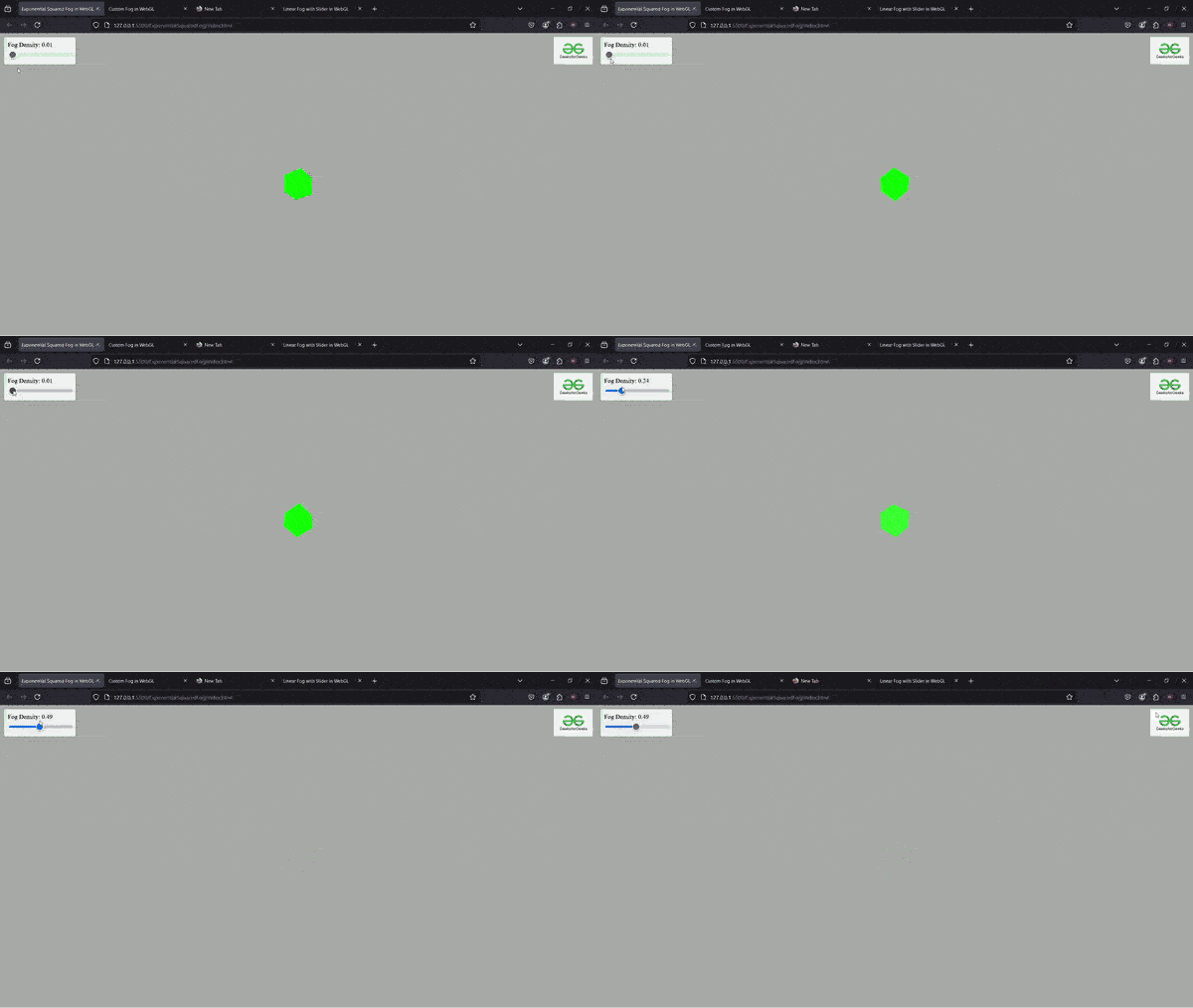
Exponential fog squared is a squared version of exponential fog that uses a squared density parameter. This method results in an excellent extra reported fog effect, in particular at greater distances, offering a denser and greater immersive fog look which makes much more cloudy type effects with fogs as the camera distance increases.
Example: This illustrates a Three.js 3D scene with a rotating cube and dynamic exponential fog density using exponential squared Fog.
Output:
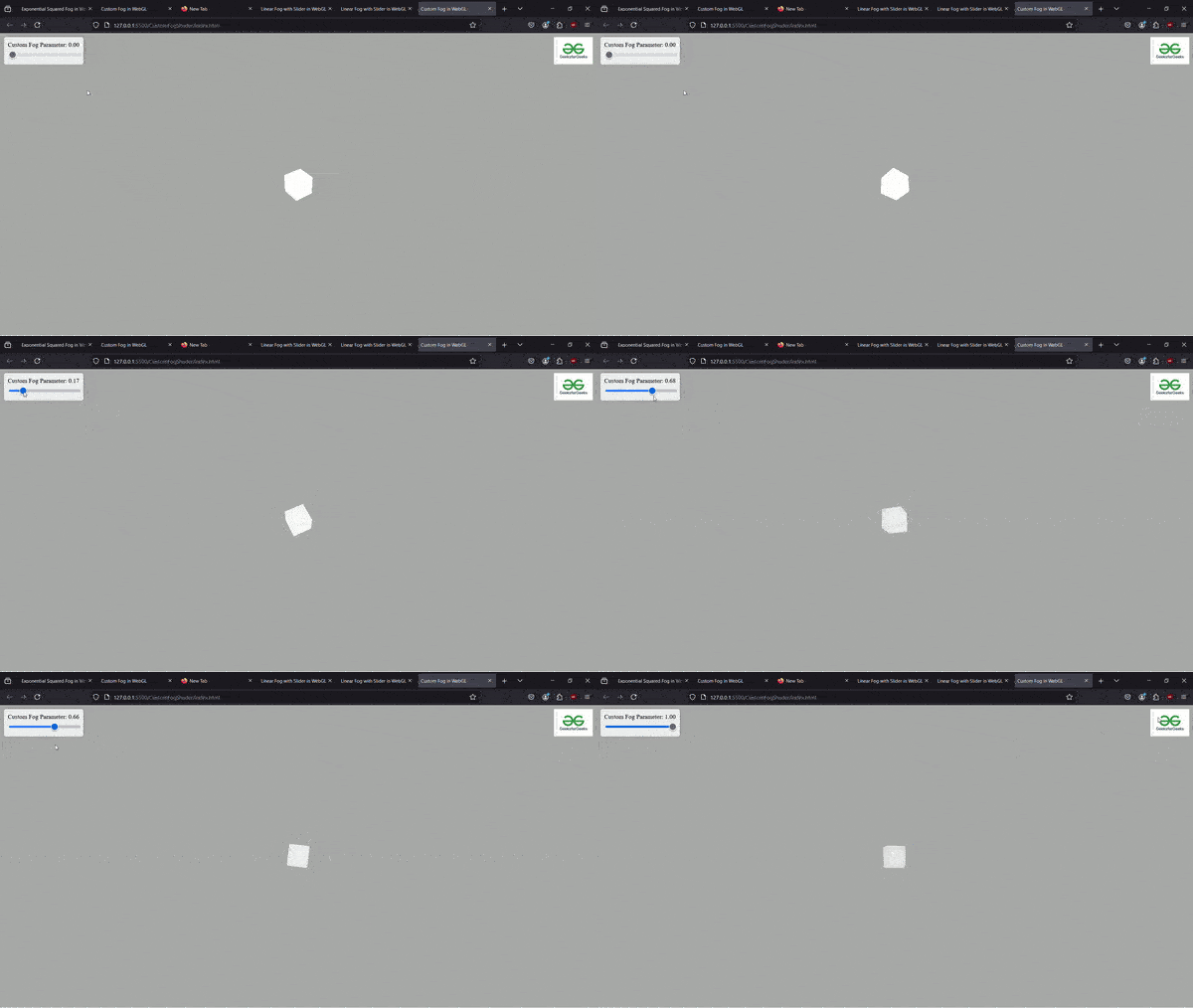
Custom fog effects provide superior control by allowing us to create personalized fog shaders by our own. This method provides full flexibility to define how fog is rendered, together with the density feature and colour mixing, resulting in distinctly customizable and precise fog results.Everything in this is decided by us taking from color shading to fog manipulations.
Example: This illustrates a 3D scene using Three.js with a rotating cube and a custom fog effect, implemented via shaders, with dynamic fog density using Custom Fog Effect.
Output:
Implementing fog effects in WebGL can significantly beautify the depth and realism of our three-dimensional scenes. Understanding and applying exclusive kinds of fog including the Linear Fog, Exponential Fog, Exponential Fog Squared, and Custom Fog which allows us to gain numerous atmospheric outcomes. Experiment with those strategies to locate the satisfactory suits on our project and create more immersive and visually attractive environments which makes the things more production grade.