|
VOOZH | about |
|
VOOZH | about |
gpasswd command is used to administer the /etc/group and /etc/gshadow. As every group in Linux has administrators, members, and a password. It is an inherent security problem as more than one person is permitted to know the password. However, groups can perform co-operation between different users. This command assigns a user to a group with some security criteria. This command is called by a group administrator with a group name only which prompts for the new password of the group. System administrators can use the -A option to define group administrator(s) and -M option to define members. They have all the rights of the group administrators and members.
The basic syntax of the gpasswd command is straightforward:
gpasswd [option] [group]Here,
[options] represent various command-line flags that modify the behavior of the gpasswd command.
[group] specifies the name of the group to be modified.
Here only -A and -M options can be combined.
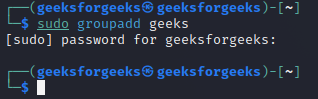
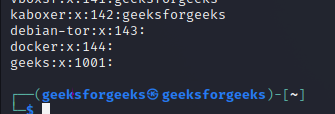
$ sudo gpasswd -h 👁 ImageCreating a group and adding a user to it. After that deleting the user.
$ sudo groupadd geeks$cat /etc/group$ sudo gpasswd -a umang geeks👁 Image$ sudo gpasswd -d umang geeksIn conclusion, the gpasswd command in Linux serves as a crucial tool for managing group passwords and membership, addressing inherent security challenges by enabling administrators to control access effectively. Through its simple syntax and various options like adding or removing users, setting passwords, and designating administrators and members, gpasswd empowers system administrators to enhance security and collaboration within the Linux environment.