|
VOOZH | about |
|
VOOZH | about |
Discover the Largest continents in the world by area and Largest continents in the world by population in 2024. Explore a Largest continent in the world map to identify the Largest continent in the world by country, with a focus on Largest continent in the world Africa and Largest continent in the world Asia, the two prominent contenders for the title of the largest continent.
Asia is the largest continent in the world. It has an area of 44,580,000 sq. km and a population of 4,663,000,000 people. There are a total of 7 continents in the world. Check the list of Largest Continent in the World by Area and Population below.
Table of Content
Asia is the largest continent with an area of 44,580,000 sq. km. Australia is the smallest continent in the world with an area of 8,600,000 sq. km. Here is the list of largest continent in the world.
| Rank | Continent | Area (sq km) |
|---|---|---|
| 1 | Asia | 44,580,000 |
| 2 | Africa | 30,370,000 |
| 3 | North America | 24,710,000 |
| 4 | South America | 17,840,000 |
| 5 | Antarctica | 14,200,000 |
| 6 | Europe | 10,180,000 |
| 7 | Australia | 8,600,000 |
Asia is the largest continenet in the world with a population of 4,663,000,000 people. While Antarctica is the smallest continent in the world as it has only 1000 population. Following are the population wise largest continent in the world.
| Rank | Continent | Population |
|---|---|---|
| 1 | Asia | 4,663,000,000 |
| 2 | Africa | 1,340,000,000 |
| 3 | Europe | 747,000,000 |
| 4 | North America | 592,000,000 |
| 5 | South America | 430,000,000 |
| 6 | Australia/Oceania | 25,000,000 |
| 7 | Antarctica | 1000 - 5000 |
Note: Antarctica has 0 population due to Extreme Climate challenge. This continent experiences incredibly low temperatures, with the lowest temperature ever recorded on Earth (-128.6°F or -89.2°C) occurring there. So there are only seasonal population of 1,000-5,000 people for research and study purposes.
Read More:
Asia is the largest continent in the world. It contains 30% of total area of earth. It has 4.6 billion people, constituting about 60% of the global population. It has historical ancient civilizations like China, India, and Mesopotamia.
India is the largest country in Asia with a population of 140.76 crores. While, Russia is the largest country with an area of 16,376,870 sq. km.
Aspect | Value |
|---|---|
Area | 44,579,000 km² (17,212,000 sq mi) |
Population | 4,694,576,167 (As of 2021) |
Population Density | 100/km² (260/sq mi) |
Also Check:
Africa is the Second Largest Continent in the World with an area of 30 million sq km. It has a population of more than 1.3 billion people. Africa's geography ranges from vast deserts, such as the Sahara, to lush rainforests, like those in the Congo Basin.
The largest country in Africa, both by area and population, is Algeria. It covers an extensive land area of approximately 2,381,741 square kilometers (919,595 square miles) and is home to more than 44 million people.
Aspect | Value |
|---|---|
Area | 30,370,000 km² (11,730,000 sq mi) |
Population | 1,393,676,444 (As of 2021) |
Population Density | 46.1/km² (119.4/sq mi) |
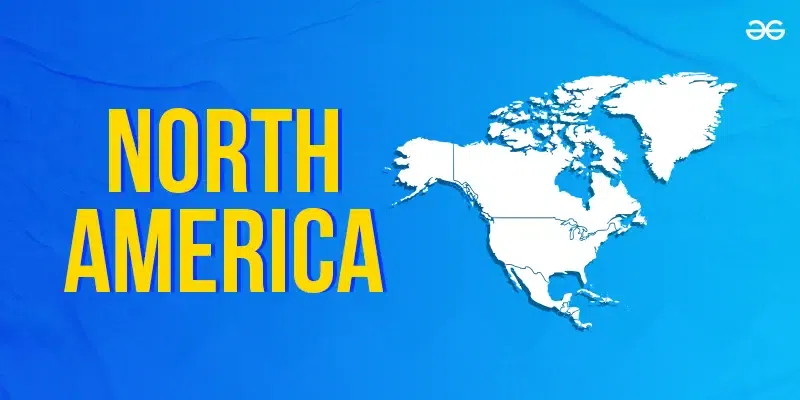
North America is the Third Largest Continent in the World, after Asia and Africa. It is situated in the northern hemisphere and is made up of three major countries: Canada, the United States, and Mexico. The continent is known for its diverse landscapes, including vast forests, mountains, and deserts.
Asoect | Value |
|---|---|
Area | 24,709,000 km² (9,540,000 sq mi) |
Population | 592,296,233 (As of 2021) |
Population Density | 25.7/km² (66.4/sq mi) |
North America has a rich history shaped by indigenous peoples, European colonization, and subsequent cultural diversity. It is a hub of economic activity, with developed industries, advanced technology, and diverse societies. The continent's natural wonders, such as the Grand Canyon and Niagara Falls, attract millions of visitors each year.
Aspect | Value |
|---|---|
Area | 17,840,000 km² (6,890,000 sq mi) |
Population | 434,254,119 (As of 2021) |
Population Density | 21.4/km² (56.0/sq mi) |
Antarctica is a vast, icy continent located at the southernmost part of the Earth. It's the Fifth Largest Continent in the World, covering about 14 million square kilometers. Mostly covered by thick ice, it's home to the South Pole. Despite its harsh conditions, various organisms, like seals and penguins, thrive in its unique ecosystem.
Aspect | Value |
|---|---|
Area | 14,200,000 km² / 5,500,000 sq mi |
Population | 1,300 to 5,100 (seasonal) |
Population Density | 0.00009/km² to 0.00036/km² (seasonal) |
Antarctica plays a crucial role in regulating Earth's climate by influencing ocean currents. While no permanent human population resides there, numerous countries conduct scientific research in the region. The Antarctic Treaty, signed by many nations, aims to preserve the area for scientific exploration and environmental protection, fostering international cooperation.