VOOZH about

URL: https://www.getty.edu/research/tools/photo/guide.html

⇱ Photo Archive and Database (Getty Research Institute)


Search Tools & Databases

Guide to the Photo Archive and Database

👁 Image
👁 Image
👁 Image
👁 Image
👁 Image
👁 Image
👁 Image
👁 Image
👁 Image
👁 Image

How to Access and Use the Photo Archive


How to Access
 

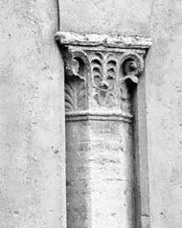
👁 Exterior of the Municipio Ex Castello Orsini (detail)

Exterior of the Municipio Ex Castello Orsini (detail), Monterotondo, Italy.
Foto Arte Minore. The Getty Research Institute, 86.P.8.
© J. Paul Getty Trust
👁 Image
👁 Image
The Photo Archive is a non-circulating collection, but holdings are available for on-site research by Stack Readers, Extended Readers, Getty staff, in-residence Getty scholars and fellows, and Getty interns. Initial appointments with a reference librarian are strongly encouraged for all levels of readers.

👁 Image
👁 Image
👁 Image
Approximately 70% of the photographs are on open shelves; the rest of the archive, consisting primarily of intact collections, is stored in the Getty Research Library vaults.

👁 Image
👁 Image
👁 Image
Photographs on the open shelves are divided primarily by historical/chronological period. Within each period, the photographs are arranged by medium. Library of Congress classification numbers have been assigned to each media category. These numbers can be found in advance of your visit through the Library Catalog.

👁 Image
👁 Image

How to Use

👁 Image
👁 Image
The Archive may be viewed on L3 only. Before viewing the Archive, please sign one of the visitors' registers, which are located on the low counters near the entrance to either side of the Archive.

👁 Image
👁 Image
👁 Image
If you have removed boxes from a shelf, please place them on one of the two carts designated for Photo Archive materials. Carts are located on each side of the Archive.

👁 Image
👁 Image
👁 Image
Replace photographs exactly as you found them in the boxes. There is an internal order that is unique to each box. Handle the photographs with care and avoid touching the image side of the photos.

👁 Image
👁 Image
👁 Image
Do not remove photographs from their plastic sleeves unless there are multiple photographs within the sleeve.
👁 Image
👁 Image
👁 Back to Top

How to Search the Photo Archive


Photo Archive Database

👁 Image
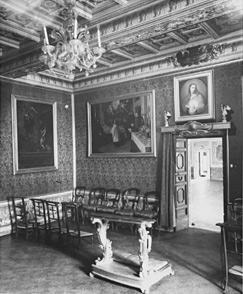
👁 Rooms of S. Filippo Neri / Hutzel
Rooms of S. Filippo Neri, Rome, Italy. Foto Arte Minore. The Getty Research Institute, 86.P.8. © J. Paul Getty Trust
👁 Image
Approximately half the holdings in the Photo Archive are represented by descriptive, nonpictorial records in the Photo Archive Database. This database is available online to all users. Searchable by key word and artist name, the database is particularly useful for patrons conducting iconographic or thematic research as searches can be conducted across periods, styles, and media.

This research database is a work in progress, mostly comprising descriptive records. Images will be added to the database periodically.

Library Catalog

A number of unique, intact photograph collections that are of great value to researchers can be found through the Library Catalog. For more information about these intact collections, please contact the GRI.

Browse Subject Areas


Descriptive records for browsable categories of the Photo Archive and their classification numbers can be found through the Library Catalog by selecting any of the subjects below.

👁 Image
Ancient Art and Architecture
👁 Image
👁 Image
👁 Image
👁 Image
👁 Image
Greek and Roman art from many museum galleries and displays, including the J. Paul Getty Museum.
👁 Image
👁 Image
👁 Image
👁 Image
👁 Image
Ancient Greek and Roman coins.
👁 Image
👁 Image
👁 Image
👁 Image
👁 Image
Ancient inscriptions, predominantly Greek and Roman; includes Athenian inscriptions.
👁 Image
👁 Image
👁 Image
👁 Image
👁 Image
Organic material, such as plaster casts of bodies from Pompeii, and reconstructions of war paraphernalia and ancient technology.
👁 Image
👁 Image
👁 Image
👁 Image
👁 Image
Ancient sites and monuments from archaic Greece through the late Roman Empire.
👁 Image
👁 Image
👁 Image
👁 Image
👁 Image
Architectural sculpture, primarily from the Greek and Roman periods.
👁 Image
👁 Image
👁 Image
👁 Image
👁 Image
Ancient mosaics, both in situ and removed, from Greece, Italy, Libya, Tunisia, Turkey, and other countries.
👁 Image
👁 Image
👁 Image
👁 Image
👁 Image
Ancient sculpture in the round, primarily from the Greek and Roman periods.
👁 Image
👁 Image
👁 Image
👁 Image
👁 Image
Ancient sculpture in relief, primarily from the Greek and Roman periods.
👁 Image
👁 Image
👁 Image
👁 Image
👁 Image
Ancient portrait sculpture of well-known individuals from the Greek and Roman periods.
👁 Image
👁 Image
👁 Image
👁 Image
👁 Image
Ancient sarcophagi with relief sculptural decoration, primarily from the Greek and Roman periods.
👁 Image
👁 Image
👁 Image
👁 Image
👁 Image
Primarily Italian drawings from the 16th through the 18th centuries.
👁 Image
👁 Image
👁 Image
👁 Image
👁 Image
Painted bathtubs, panels, and tables from Cycladic, Minoan, Egypto-Roman, and Coptic cultures.
👁 Image
👁 Image
👁 Image
👁 Image
👁 Image
Includes Egypto-Roman mummy portraits, cinerary urns, sarcophagi, and stelae.
👁 Image
👁 Image
👁 Image
👁 Image
👁 Image
Ancient wall paintings, both in situ and detached, with an emphasis on the Greek, Etruscan, and Roman periods.
👁 Image
👁 Image
👁 Image
👁 Image
👁 Image
Objects include arms and armor, athletic equipment, furniture, jewelery, lamps, musical instruments, textiles, and vessels.
👁 Image
👁 Image
👁 Image
👁 Image
👁 Image
Includes Attic black- and red-figure vases arranged according to the system established by Sir John Davidson Beazley.
👁 Image
👁 Image
👁 Image
👁 Image
👁 Image
Amyx's archive used for his publication, Corinthian Vase Painting of the Archaic Period.
👁 Image
👁 Image
👁 Image
👁 Image
👁 Image
Primarily Etruscan red-figure vases from the three major groups: Caeretan, Tarquinian, and Faliscan.
👁 Image
👁 Image
👁 Image
👁 Image
👁 Image
Felbermeyer's personal archive includes Greek, Roman, and Etruscan antiquities, and documentation of his work for the Central Collecting Point in Munich after World War II.
👁 Image
👁 Image
👁 Image
👁 Image
👁 Image
Ancient Greek and Roman architecture and sculpture as well as some Byzantine architecture.
👁 Image
👁 Image
👁 Image
👁 Image
👁 Image
From 1865–77, Parker, an English publisher, bookseller, and antiquarian, documented the remains of ancient Rome. (Note that the Photo Archive houses facsimiles; the original photographs reside in Special Collections.)
👁 Image
👁 Image
👁 Image
👁 Image
👁 Image
Paul Arndt, a classical archaeologist and photographer, documented Greek and Roman sculpture from collections across Europe as well as several in the United States.
👁 Image
👁 Image
👁 Image
Medieval Art and Architecture
👁 Image
👁 Image
👁 Image
👁 Image
👁 Image
Medieval architecture, monumental sculpture, wall painting, stained glass, and mosaics in France, Italy, and Spain.
👁 Image
👁 Image
👁 Image
👁 Image
👁 Image
Sarcophagi, statues, crucifixes, and carved fragments from across much of Europe.
👁 Image
👁 Image
👁 Image
👁 Image
👁 Image
Includes altar frontals, antependia, icons, retables, and miscellaneous panels.
👁 Image
👁 Image
👁 Image
👁 Image
👁 Image
Includes French, Italian, and Flemish manuscripts, most of which were produced between the 13th and 16th centuries.
👁 Image
👁 Image
👁 Image
👁 Image
👁 Image
Includes arms and armor; coins and seals; gems and crystal; glass; ivory; metal; textiles; and wood.
👁 Image
👁 Image
👁 Image
👁 Image
👁 Image
French and architectural sculpture assembled by Schaeffer, a French scholar of medieval sculpture and manuscripts.
👁 Image
👁 Image
👁 Image
👁 Image
👁 Image
The largest archive of medieval art in the world documents primarily Medieval art from early apostolic times to approximately 1400 A.D. Learn more.
👁 Image
👁 Image
👁 Image
👁 Image
👁 Image
Architecture, sculpture, and painting, ranging from antiquity to late Baroque.
👁 Image
👁 Image
👁 Image
👁 Image
👁 Image
Modern architecture from the Renaissance forward, with most of the collection devoted to Italian architecture.
👁 Image
👁 Image
👁 Image
👁 Image
👁 Image
Baroque architecture in Prague and throughout the Czech Republic.
👁 Image
👁 Image
👁 Image
👁 Image
👁 Image
Colonial architecture in Mexico; includes churches, other religious buildings, and secular structures.
👁 Image
👁 Image
👁 Image
👁 Image
👁 Image
Urban sites of Bologna as well as paintings, sculpture, and medieval manuscripts.
👁 Image
👁 Image
👁 Image
👁 Image
👁 Image
Florentine houses and palaces primarily from the late medieval to Baroque period.
👁 Image
👁 Image
👁 Image
👁 Image
👁 Image
Documents each building along the via Maggio in Florence, from piazza Frescobaldi to piazza San Felice.
👁 Image
👁 Image
👁 Image
👁 Image
👁 Image
Images of Vasari's architecture that correspond to Vasari's own drawings of the buildings.
👁 Image
👁 Image
👁 Image
👁 Image
👁 Image
Modern sculpture from the Renaissance into the 20th century, with most of the collection devoted to Italian sculpture.
👁 Image
👁 Image
👁 Image
Pre-20th-Century Paintings and Drawings
👁 Image
👁 Image
👁 Image
👁 Image
👁 Image
Paintings and drawings by 33 Latin American artists from the 16th through the 18th centuries.
👁 Image
👁 Image
👁 Image
👁 Image
👁 Image
American paintings and drawings by approximately 525 artists from the 18th and 19th centuries.
👁 Image
👁 Image
👁 Image
👁 Image
👁 Image
Paintings and drawings by 11 Canadian artists from the 18th and 19th centuries.
👁 Image
👁 Image
👁 Image
👁 Image
👁 Image
Paintings and drawings by 248 Eastern European artists from the late Middle Ages through the 19th century.
👁 Image
👁 Image
👁 Image
👁 Image
👁 Image
Paintings and drawings by approximately 1,100 English, Scottish, Welsh, and Irish artists from the 14th through the 19th centuries.
👁 Image
👁 Image
👁 Image
👁 Image
👁 Image
Paintings and drawings by approximately 380 Austrian artists from the late Middle Ages through the 19th century.
👁 Image
👁 Image
👁 Image
👁 Image
👁 Image
French paintings and drawings by approximately 3,086 artists from the late Middle Ages through the 19th century.
👁 Image
👁 Image
👁 Image
👁 Image
👁 Image
Paintings and drawings by approximately 1,498 artists from the German School; dates range from the 14th through the 19th centuries.
👁 Image
👁 Image
👁 Image
👁 Image
👁 Image
Italian paintings and drawings from the late Middle Ages through the 19th century; includes old master drawings from the Italian Renaissance through the Baroque periods.
👁 Image
👁 Image
👁 Image
👁 Image
👁 Image
Paintings and drawings by approximately 454 Dutch and Flemish artists from the 14th through the 16th centuries.
👁 Image
👁 Image
👁 Image
👁 Image
👁 Image
Paintings and drawings by approximately 700 Flemish artists from the 17th through the 18th centuries.
👁 Image
👁 Image
👁 Image
👁 Image
👁 Image
Paintings and drawings by approximately 2,500 Dutch artists from the late Middle Ages through the 19th century.
👁 Image
👁 Image
👁 Image
👁 Image
👁 Image
Frescoes in Roman churches painted in the latter half of the 16th century, with an emphasis on artists working under Pope Sixtus V.
👁 Image
👁 Image
👁 Image
👁 Image
👁 Image
Artists from the Dutch and Flemish schools; includes both images and clippings.
👁 Image
👁 Image
👁 Image
👁 Image
👁 Image
Portraits and self-portraits of Dutch and Flemish artists from the 14th through the 17th centuries.
👁 Image
👁 Image
👁 Image
👁 Image
👁 Image
Paintings, drawings, sculptures, and prints by artists born after 1880.
👁 Image
👁 Image
👁 Image
👁 Image
👁 Image
Prints from approximately 2,584 designers and printmakers.
👁 Image
👁 Image
👁 Image
👁 Image
👁 Image
Prints from the British Museum, assembled by Adam von Bartsch for Le Peintre-Graveur (1803–21), the first catalog of European prints.
👁 Image
👁 Image
👁 Image
Decorative Arts, 17th to 19th Centuries
👁 Image
👁 Image
👁 Image
👁 Image
👁 Image
French decorative drawings from the 17th to 19th centuries.
👁 Image
👁 Image
👁 Image
👁 Image
👁 Image
Furnished interiors in the United States and Europe.
👁 Image
👁 Image
👁 Image
👁 Image
👁 Image
Lighting instruments from the 18th and 19th centuries, including candelabras, candlesticks, chandeliers, girandoles, lanterns, torchères, and wall lights.
👁 Image
👁 Image
👁 Image
👁 Image
👁 Image
Architectural interiors from the 15th to 19th centuries, including modern imitations of older European styles.
👁 Image
👁 Image
👁 Image
👁 Image
👁 Image
French furniture from the 17th to 19th centuries, and European and American examples from the late 14th to the early 20th centuries.
👁 Image
👁 Image
👁 Image
👁 Image
👁 Image
Decorative boxes from the 15th through the 19th centuries, with an emphasis on snuff boxes.
👁 Image
👁 Image
👁 Image
👁 Image
👁 Image
French and German ceramics from the 18th and 19th centuries; some Chinese porcelain, Italian, English, Japanese, Dutch, Hungarian, and Russian ceramics.
👁 Image
👁 Image
👁 Image
👁 Image
👁 Image
European glass and crystal objects from the 15th to 20th centuries, with an emphasis on 19th-century production.
👁 Image
👁 Image
👁 Image
👁 Image
👁 Image
Detached panels of European stained glass from the 15th to 18th centuries.
👁 Image
👁 Image
👁 Image
👁 Image
👁 Image
Decorative objects made of bone, coral, ivory, mother of pearl, shell, and tortoiseshell.
👁 Image
👁 Image
👁 Image
👁 Image
👁 Image
Includes desk sets, pen boxes, blotters, seals, and candleholders.
👁 Image
👁 Image
👁 Image
👁 Image
👁 Image
Metal objects, mostly from the 17th to 19th centuries, made of silver gilt, gilt bronze, enamel, wrought iron, pewter, copper, and steel.
👁 Image
👁 Image
👁 Image
👁 Image
👁 Image
European and Asian arms and armor from the 15th to 18th centuries.
👁 Image
👁 Image
👁 Image
👁 Image
👁 Image
French clocks from the 17th to 19th centuries as well as other European clocks.
👁 Image
👁 Image
👁 Image
👁 Image
👁 Image
French pieces from the 17th to 18th centuries; also includes examples from England, Switzerland, and other European countries.
👁 Image
👁 Image
👁 Image
👁 Image
👁 Image
European keyboard, string, and wind instruments from the 17th to early 20th century.
👁 Image
👁 Image
👁 Image
👁 Image
👁 Image
Objects made of marble, alabaster, porphyry, jasper, lapis lazuli, and jade.
👁 Image
👁 Image
👁 Image
👁 Image
👁 Image
Portable desks, tableware services, trunks, and transportation vehicles such as sedan chairs and carriages from the 17th to 19th centuries.
👁 Image
👁 Image
👁 Image
👁 Image
👁 Image
Lacquer objects, including folding screens, furniture, boxes, and vases from the 17th to 19th centuries.
👁 Image
👁 Image
👁 Image
👁 Image
👁 Image
Includes French and English astronomical clocks, barometers, and thermometers from the 17th to 19th centuries.
👁 Image
👁 Image
👁 Image
👁 Image
👁 Image
Panels from the late 15th to the late 18th centuries.
👁 Image
👁 Image
👁 Back to Top

Reproducing Photographs


Photocopies
 

👁 Image
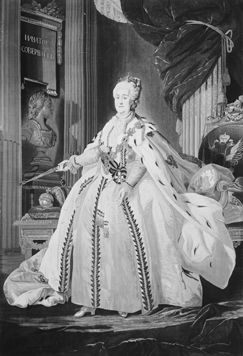
👁 Standing portrait of Catherine the Great / Unknown
Standing portrait of Catherine the Great, Study Photographs of Tapestries. The Getty Research Institute, 97.P.7
👁 Image
As the Research Institute generally does not hold the copyright to the photographs in the Photo Archive, we cannot provide reproductions of our photographs or grant permission to publish except in rare cases. However, for study purposes we do permit photocopying of photographs shelved on the open stacks. A photocopy machine is located on L3. The cost is 10 cents per page for black-and-white copies.

Personal Photography and Scanning
 

👁 Image
👁 Image
The copyright law of the United States (Title 17 U. S. Code) governs the making of photocopies or other reproductions of copyrighted material. Use of patron-owned copying equipment such as digital cameras and scanners is subject to compliance with United States copyright law and any person using his or her own equipment to make copies of copyrighted material is liable for infringement.

👁 Image
👁 Image
👁 Image
Readers are permitted to take digital pictures for study purposes only. Use of a copy stand to take photographs from books or journals is available by advance appointment.

👁 Image
👁 Image
👁 Image
Readers must be sensitive to others conducting research in the area. The Library reserves the right to request that readers cease taking photographs if the use disturbs other library users.

👁 Image
👁 Image
👁 Image
Readers may NOT take pictures of staff members or other readers.
👁 Image
👁 Image
For more information regarding the J. Paul Getty Trust's rights and reproductions policies, consult the Trust's Terms of Use.

👁 Image
👁 Image
👁 Image
👁 Image
👁 Image
👁 Image
👁 Image
👁 Image
👁 Image
👁 Image
👁 Image

Have a Question about the Photo Archive?


👁 Contact the GRI
👁 Image
Contact the GRI
👁 Image
👁 Contact Reproductions & Permissions
👁 Image
Contact Reproductions & Permissions
👁 Image
👁 Subscribe to GRI News
👁 Image
Subscribe to GRI News
👁 Image
👁 Image
👁 Image
👁 Image
👁 Image
👁 Image
👁 Image