I decided some time ago that I wanted to read a Mahfouz novel, one of the slimmer ones... and this fits my this year's theme.
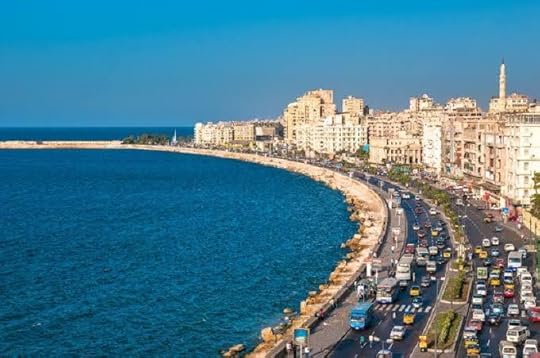
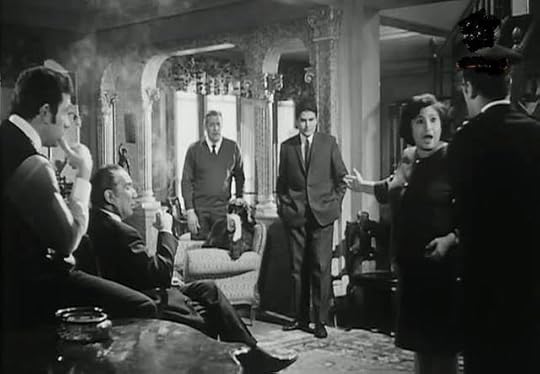
Alexandria, Egypt, in the 1960s. The pensione Miramar has seen its better days, as has its owner, Mariana, one of the few Greeks that have not emigrated out. Five men come to live the winter there, four of which have their point of view chapters in this book. Into the mix comes to work Zuhra, a naive yet smart pesant girl, yearning for freedom and respect, but creates tension in the pensione that escalates to an explosive, devastating point. A picture of Nasser-time Egypt.
I read the Finnish translation (someone had stuck a post-it inside saying 'awesome book, I recommend'), which had John Fowles introduction and explanatory notes at the end. He talks about the conflict between the peasant and learned in the novel, with some despair over the state of country thrown into the mix, and of the dilemma the three young men face in the book. The winter weather is part of the mood - wind, rain, cold.
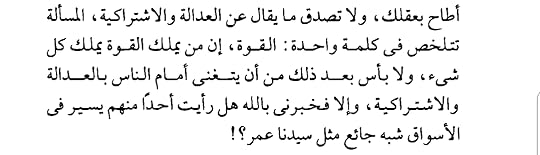
The oldest of the five men, Amir Wagdi, has the role of bookending this book with his point of view. He's been at Miramar before, but has come to stay, for he is old and unmarried. Like the others, some flashbacks into the past occur. He's a ex-revolutionary journalist, now fond of quoting Quran. Three people in this book get no point of view, though appear quite a bit, including Mr Marzuq the capitalist who has lost his money late in life, temperamental and bitter; Mariana, of course; and the target of love and hate, Zuhra. Each point of view has their opinions of Zuhra, and some attempt relationships with her. I think Wagdi and one of the young men, Mansur Bahi, have the best opinions of her.
Each of the young man have their flaws and troubles. Hosni Allam, the bored and restless playboy driving around fast in his car. Mansur Bahi, intellectual unable to stop running away from relationships and other levels of betrayal. And of course the starter of all trouble, Sarhan Bheiry, an uncommitted socialist and planning a , a true pretender and serial dater, never committing yet always 'falling in love' with women. Each point of view brings you a clearer picture of what has happened, and I like how each of the men here have their own tone and pace.
And the end arrives pretty beautifully too, though tragedy has happened: Although I didn't at first see what was great about the plot, especially since we get Hosni Allam's chapter so early in the book - he's perhaps the most frustrating person here of the three young men - I grew to like the book as I read, and saw the way it had been built. A good classic, that's how I think about this read.