
Photo: Mary Kouw
2024 Tony Awards Recap: Musical Theater Wins And Exciting Performances
From the big wins for "Merrily We Roll Along" to "The Outsiders" taking home Best Musical and "Suffs" unexpected win, musicals made a splash at the 2024 Tonys.
Broadway had a jam-packed slate of musicals this year, with everything from originals to adaptations and highly anticipated revivals. It would only follow, then, that it would be a busy race toward the 77th Tony Awards.
Fifteen musicals were eligible for nomination this year, up from nine in 2023. Fittingly, the June 16 telecast from Lincoln Center's David H. Koch Theater in New York City had some dramatic surprises — especially in the music-related categories.
One race that was anyone’s game was Best Musical. While many thought Alicia Keys' "Hell’s Kitchen" would take the big win, the award went to "The Outsiders." Featuring music by folk duo Jamestown Revival, the book/film adaptation won a handful of awards, including Direction OfA Musical for Dayna Taymor. It was a landmark year, in which four of the five nominees for direction were women.
Broadway is perhaps trying to capitalize on pop music fans more due to post-pandemic struggles and the reputation of Broadway being for the elderly elite. The uptick in pop stars gracing the Great White Way led the New York Times’ Michael Paulson to declare that Broadway was entering its pop era; fittingly half of the eligible new musicals had scores composed by people who primarily work as recording artists.
Broadway is rife with recording artist-helmed scores and jukebox musicals, including Alicia Keys, David Byrne, Fatboy Slim, Arcade Fire, Sufjan Stevens, the Who, and Jamestown Revival. Recording artist-driven musicals were also among some of the notable snubs at the Tonys. Shows that failed to secure Best Musical or Original Score nominations included Ingrid Michaelson for "The Notebook," Barry Manilow for "Harmony," Huey Lewis for "The Heart of Rock and Roll," and Britney Spears for "Once Upon a One More Time."
The music categories did offer up some big name winners. Best Original Score was set to be an interesting category this year because a play, "Stereophonic," with music by Arcade Fire’s Will Butler was in the running. However, the suffragette musical "Suffs" written and starring Shaina Taub took home the award. She also scored Best Book of a Musical, which was predicted by several experts. "Stereophonic" did win five awards total including Best Play and Sound Design OfA Play.
Orchestrator and musical director Jonathan Tunick expectedly won Best Orchestrations for "Merrily We Roll Along." While the orchestrations aren’t terribly different from the original production, the Sondheim show flopped when it first opened in 1981. Yet the "Merrily" revival has found huge success due to the strength of the music and its three famous leads — perhaps the biggest name on the show's Playbill, Daniel Radcliffe, won Best Performance ByA Featured Actor InA Musical.
Radcliffe was joined in the winners’ circle by costar "Merrily" Jonathan Groff, who took home Best Performance ByAn Actor in a Leading Role InA Musical. Costar Lindsay Mendez lost out on Best Actress in a Featured Role of a Musical to "Hell’s Kitchen’s" Kecia Lewis, whose performance in the Alicia Keys bio-musical was very well reviewed. Considered a front runner for Best Musical, "Hell’s Kitchen" only ended up taking home two awards: Lewis’ actress award and Best Performance by a Leading Actress InA Musical, which went to Maleah Joi Moon, who was the frontrunner in predictions.
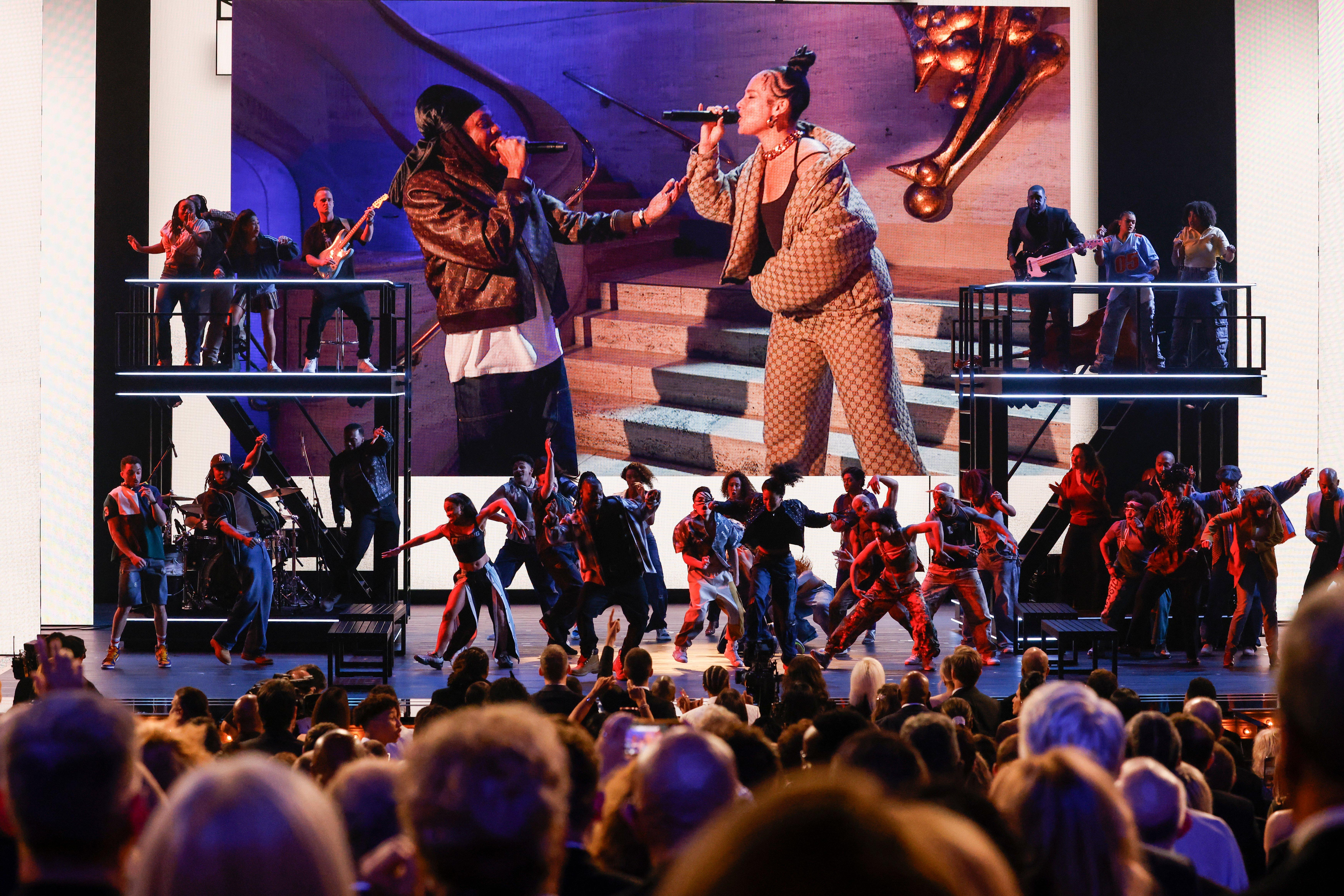
Beyond wins and upsets, performances were the highlight of the Tonys. "The Outsiders" has been garnering praise for its rumble scene, a segment of which made up the show’s Tonys performance, complete with rain. Meanwhile, "Merrily" featured its three stars with a sweet rendition of "Old Friends." Other notable performances showcased the "wow-factors" from many of the nominated shows, including a number from the passionate dance-focused show, "Illinoise," and circus tricks in the number from "Water for Elephants." Jay-Z and Alicia Keys brought the audience to their feet with their performance of "Empire State Of Mind" from "Hell’s Kitchen." Meanwhile, "Suffs" leaned into the history lessons of the show.
Non-nominee performances that stood out include a Fosse-fueled tribute to Chita Rivera, which also included a dance from "West Side Story" performed by host Ariana DeBose (who won an Oscar for the 2021 re-make for the role of Anita, which Chita Rivera originated on Broadway). Nicole Scherzinger, who will appear in "Sunset Boulevard" next season, sang the "In Memoriam." Speaking of West End, the London-transfer production of "Cabaret" included an immersive rendition of "Willkommen," led by Eddie Redmayne, who got dragged on social media and in the press for the clown-like performance many found "terrifying."
Next year we will be getting even more pop-artist driven musicals, including Elton John leading the charge with two musicals in the works, "The Devil Wears Prada" and "Tammy Faye." Other notable upcoming shows will have music by John Legend, Elvis Costello, Nas, Neko Case, and Mitski. Plus, a production of "Romeo and Juliet" will feature music by frequent Taylor Swift collaborator (as well as 2024 Producer Of The Year, Non-Classical) Jack Antonoff.
50 Years In, "The Wiz" Remains An Inspiration: How A New Recording Repaves The Yellow Brick Road
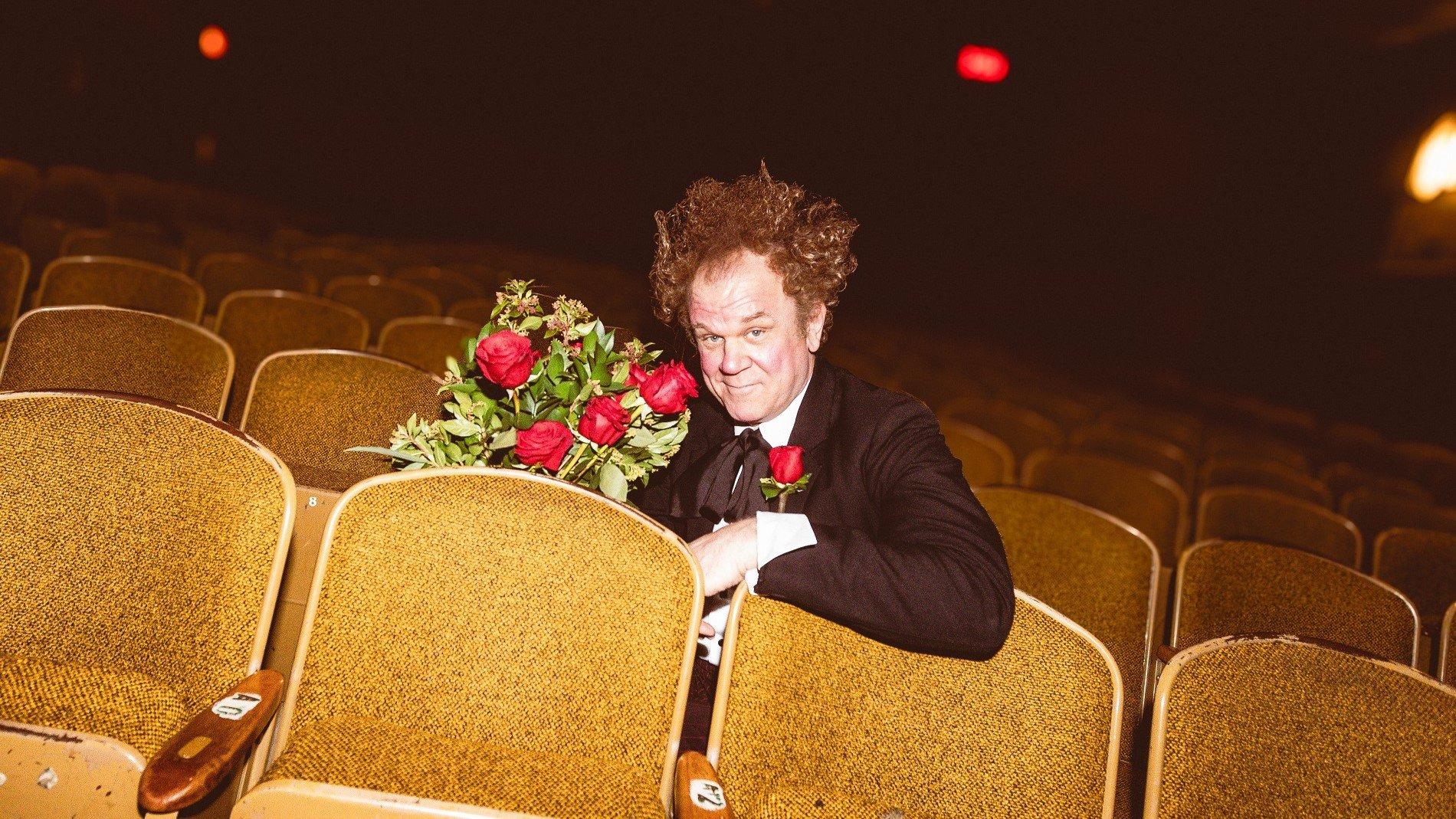
Photo: Bobbi Rich
John C. Reilly Reevaluates The Great American Songbook On 'What's Not To Love?'
"I love the mission of sharing or re-sharing the music of the world with people that might not be aware of it," the GRAMMY-winning singer and actor says. "It's an empathy mission and it's a holy mission. It's a sacred mission to me."
Our concept of Americana and the Great American Songbook is selling us short.
Americana is not just folk music from the 1930s to the 1950s made by white people, nor is the Great American Songbook relegated to a time past. "Americana is everything that America is. It's the blues, it's jazz," says Mister Romantic. Run-D.M.C. counts. "I have a very broad understanding of what the American Songbook is."
That Mister Romantic has strong opinions about the U.S.' iconic musical history may come as no surprise to those who have seen hiseponymous vaudeville act. But if you haven’t seen the curly-haired eternal optimist step out of an oversized trunk to search the audience for someone to love each night, you may be shocked to learn that the man behind Mister Romantic, celebrated character actor John C. Reilly, is a singer with depth and study.
Reilly’s debut album under the moniker Mister Romantic is What’s Not To Love?, a collection of 13 tracks fitting the singer’s wide-ranging view of the Songbook. The first release on his own Eternal Magic Recordings, What’s Not To Love? includes multiple Irving Berlin tracks, three songs by Tom Waits, and others made famous by Frank Sinatra, Louis Armstrong, and Marlene Dietrich. Reilly’s gentle baritone is the perfect vehicle for these classics, and imbues each with the same earnestness he brings to screen and stage roles.
"Young people who are coming to my shows who might only know me from Step Brothers are being exposed to these songs again," Reilly tells GRAMMY.com. "There's been times where I felt like, Are you crazy? You're a successful movie actor. You don't need to be going out there and losing money doing shows, singing old songs that younger people might not even be aware of. But I thought, Who else is going to do it?"
While What’s Not To Love? is classic-but-not-classical in sound, Reilly cherry picked the album's track listing based on compelling storytelling and a "kind of magic, eternal quality." Ray Charles' 1962 track "You Don't Know Me" becomes less Modern Sounds in Country and Western Music and more of a timeless, cinematic ode. With his cover of Waits' 1983 song "Johnsburg, Illinois," Reilly draws a direct line between The Prince of Melancholy and Tin Pan Alley. Lead single "Dream" — a 1944 Johnny Mercer song previously recorded by Sinatra and Roy Orbison — is both ethereal and oceanic.
Further reading: A Comprehensive Guide To Tom Waits’ Evolution From L.A. Romantic To Subterranean Innovator
Reilly's experience with such classic songs (as well as classics of contemporary storytelling, a la Waits) reflects his lifetime relationship with music. He grew up in a euphonious home and played guitar in a handful of blues bands, briefly acting as the lead singer of his brother's band, Shark Fighter. Reilly also performed in many musicals in his youth; he continued to perform musical theater as an adult, and decades later, received an Academy Award nomination for his role as Amos Hart in the 2002 movie musical Chicago. When he wasn't singing showtunes, Reilly upped his twang. "Walk Hard," the title track and apex of the beloved Walk Hard: The Dewey Cox Story, was nominated at the 2009 GRAMMYs. Reilly has performed less farcical bluegrass efforts as John Reilly & Friends and as John & Tom for Jack White's Third Man Records.
Now, as Mister Romantic, John C. Reilly simply wants to bring love and empathy to the world. While his version of the Great American Songbook may be non-traditional, it celebrates humanity. "The world of entertainment and audiences have been very good to me and very generous. And so, in a way, [What's Not To Love?] is like giving a gift back."
Ahead of his album release on June 13, Reilly spoke with GRAMMY.com about the music that moves him, the importance of optimism, and what he considers to be the "key to civilization."
I'd love to know some more about your origins with the Great American Songbook. I read that you had a player piano at home growing up, and your mother was into this era of music.
My mother, God rest her soul, was a wonderful piano player herself, but we also had this player piano with all these paper rolls of all these old standards. That's where I first heard a lot of these old standards.
There was a lot of music around my house and I was doing musicals from the time I was a kid. If you do "Brigadoon" or "Oklahoma," those shows are part of the Great American Songbook in a way. Irving Berlin wrote musicals.
It's really curious, this idea of the Great American Songbook or Americana. If you ask a younger person "What is the American Songbook? Who's in the American Songbook?", I'm not sure they would mention Irving Berlin. They would mention the things that resonate with them and that are part of their American story.
I'm really excited about this part of releasing this record. When Harry Nilsson released A Little Touch of Schmilsson in the Night with all these covers of these old songs, that was a revelation to me. I discovered so much music because Harry Nilsson decided, Forget the commercial market... I want to share the stuff that really made me who I am.
I'm not saying I'm like Harry Nilsson or Frank Sinatra. I'm not in the league with those guys, but I have the same mission as they have: Let's keep this music alive. Let's sing it for people, whether they know it or not. It's something I'm really proud of with the record.
As you should be. People need different avenues for learning about important pieces of artistic history.
I had a bluegrass band, John Reilly & Friends, and young people would come up to me afterwards all the time, like, "I can't believe you wrote all those songs." I was like, "I didn't write a single one of those songs."
Whether it's these American Songbook songs from this record or the bluegrass songs that we used to do, these songs are everyone's songs. They're America's songs. It's almost like they're seashells on the beach. Just because I pick up a seashell and I say, "Isn't this a beautiful one?", that doesn't mean it's my seashell, it's yours. The beach is as much yours as it is mine.
I’m personally a little uncomfortable with the necessary self-centeredness of presenting music that you've written, that's just from your point of view. I love the mission of sharing or re-sharing the music of the world with people that might not be aware of it. It's made my life so much richer.
Learn more: 10 Comedians Who Are Also Serious Musicians: Seth MacFarlane, John C. Reilly, Steve Martin & More
Well, you're an interpreter, right? You do that on stage, on screen, and in all of the various musical projects that you have.
Absolutely.
Given you have such an expansive vocabulary for what is considered the American Songbook or Americana, how did you choose these songs in particular?
The inspiration for [Mister Romantic] was this character I played in Chicago and my own connection to the American musicals. I really loved performing like that in that vaudeville style and that very direct, very sincere, very emotional, very trying-to-connect way of performing. And so I kept thinking, How can I keep that going? The first song that actually made me think I could come up with a character that could sing this was "What'll I Do?" by Irving Berlin.
It’s taken me all this time to collect these songs. And, really, the criteria [for inclusion on the album was] songs that just moved me right away, that touched my heart. Or there's something about the chemistry of those notes when they're put together, I just can't forget that melody. Millions of songs are written every year; the ones that last seem to have that magical, eternal quality to them.
Are there any particular songs or songs on this record that moved you?
I'm proud of all of them, and mostly when I listen to the album, what I hear are these virtuosic musicians. It's a real democracy, the way we work in the band. So when I listen to it, I'm like, Wow, listen to what that collaboration brought. Look at this bit of beauty that we brought into the world that wasn't there before, through our cooperation and our loving each other and our respecting each other.
I could have done this, like, just hiring a band who are interchangeable people and taking it on the road as this kind of a vanity project: John C. Reilly sings your favorite tunes. But I just did not want to do that. I'm allergic to that idea. I don't like to traffic in the world of, "I'm a celebrity. I have value as a performer just because I'm famous."
I want it to earn its keep. I want it to earn its place in the world, and by picking songs like the ones we've picked, I knew if we do even a halfway decent job, it's going to be pretty cool to listen to.
One of my favorite songs was "Falling In Love Again," as recorded by Marlene Dietrich.
I did change the lyrics. When Marlene Dietrich sings that song, she says "Men cluster to me like moths around a flame/ and if their wings burn, I know I'm not to blame." I reversed it. I said "I cluster to them like a moth around a flame/ and if my wings burn, I know I am to blame. But I can't help it. I can't help it."
I wanted the song to be universal. I didn't want it to be just about the way Marlene Dietrich interpreted it. I wanted it to mean something to me too. And I'm not Marlene Dietrich, I'm not a woman. And the character is also not someone who's like, "Oh, they all love me, but I just cast them aside." That's Marlene Dietrich's act.
My act is like, "I got to find someone to love me." Just a few little subtle changes in the lyrics do that. And in a way, part of the universality of the [stage] show is…Mister Romantic [has] been traveling the world in this trunk being carried around by these musicians for thousands of years. He doesn't know where he is. He doesn't know what happened before. All he knows is tonight he's going to try to connect with you. There's something really beautiful about that. And it frees me, and it frees the audience.
There's been times where I felt like, Are you crazy? What are you doing? You're a successful movie actor. You don't need to be going out there and losing money doing shows, singing old songs that younger people might not even be aware of. But I thought, Who else is going to do it?"
If you see an opportunity in the world to do something good, it's on you.
I was going to ask you if you saw Mister Romantic and yourself, John C. Reilly, as separate entities, but it sounds like this is just another side of you as a performer.
In a way, all characters that I've played are another side of the same coin. What you really do when you're an actor or you're interpreting music is you're trying to relate some part of yourself to this artistic creation. It's not just me, it's larger than me.
This [music] is all part of the history of human beings, and I think all of us have a responsibility to keep our most important stuff alive by sharing it with each other and remembering it. This goes back to the old storytelling around the campfire, the way those stories are remembered and the way they're carried over into the next generation. Those stories are told; they're not just archived somewhere that you listen to on your computer once in a while. You go and you experience it and you hear the words.
[Some] people come see the ["Mister Romantic"] show and say, "I knew every single song that you sang, but you know what, John? I heard it for the first time."
Oh, wow. That must be a deep, deep compliment.
One of the values I bring as an actor is that I'm not just someone who's trying to sing very well or interpret music very well. I'm someone who's trying to tell the story of the song to you. I'm trying to make it real. I'm not just presenting this music. I'm trying to play the character [in the song] so that you can relate to it. It's an empathy mission and it's a holy mission. It's a sacred mission to me.
In your show and on this record, Mister Romantic is an eternal optimist. But we live in dark times on a multitude of levels — does creating wistful and romantic and optimistic art like this require a kind of character?
There are definitely dark clouds in our world right now and people with bad impulses and power, but I also think there's a lot of light out there. When I go out into the world, I see light all the time. Granted, I'm a well-known person, so people are usually coming to me with good news, like, "Hey, I love you."
I do think that [Mister Romantic is] there for everybody. This show was born out of not only despair, but also joy. I'm not trying to deny what's going on in the world by making the character, someone who's unaware of it. I'm trying to address it. People need more empathy. We have to be reminded that love is worth doing. It's not corny to listen to a song about how much someone loves you. That's just eternal.
If we just give up on that stuff, then the darker forces do take over. Human beings have been around a long time and there's been some majorly dark episodes in our past, right? But we made it through somehow. And part of it is that we didn't lose our faith in love. We didn't lose our belief in the idea that human beings are worth loving, even if you don't know them.
What other choice do we have? And that's why I'm not so threatened by the destructive forces in the world right now. Destructive energy destroys everything in its path, including itself.
And I think the key to civilization is love. Civilization works because we all agree, "You know what? You deserve some respect and you deserve some love because you're a human being like me." That's the cornerstone of civilization to me, and so that's why I did this. Before I die, I want to make sure I said this to the world. The world of entertainment and audiences have been very good to me and very generous. And so in a way, it's like giving a gift back.
It must feel so great to have that sense of love and sincerity with you whenever you're thinking about this music or performing this music. I imagine it fills your soul.
It does. I'm not immune to being depressed or getting discouraged or being angry about something I'm seeing in the world. But Mister Romantic just sees the moment right then: Don't worry about what's happening outside these walls right now; what's happening in here is what we can create together. Every time I do this show, something beautiful happens.
It’s in service of a higher aspiration. You could call it God. You could call it a higher power. You could call it whatever. There's something that's not commercial about that. It has nothing to do with capitalism saying that human beings matter. But it's important to say, and it's real.
I'm curious about the Eternal Magic recordings. Why did you want to start a label?
I had to! I paid for these recordings and we did it all. I was like, "Well, let's just see what happens. Let's go to the studio and let's record." And we recorded like Louis Armstrong used to record: All of us just in a room, live, no auto-tuning, no tracking, no overdubbing.
So we brought it to a couple [of record labels], and one of the first things they said, "Well, you got to give us the rights to the masters." I'm like, "Why would I give you the masters? Because you need to tell the world who I am? The world already knows who I am." So we got this amazing distribution deal from Secretly Canadian, which I'm really grateful for.
But there's only one album on Eternal Magic recordings, and it's this one, and it's because it was just like, "Well, I guess I'm the label. I paid to make the record, so I guess I'm the label." So I hope people like it.
I think they will. How could they not?
What's not to love? That's why I called it that.
Latest News & Exclusive Videos

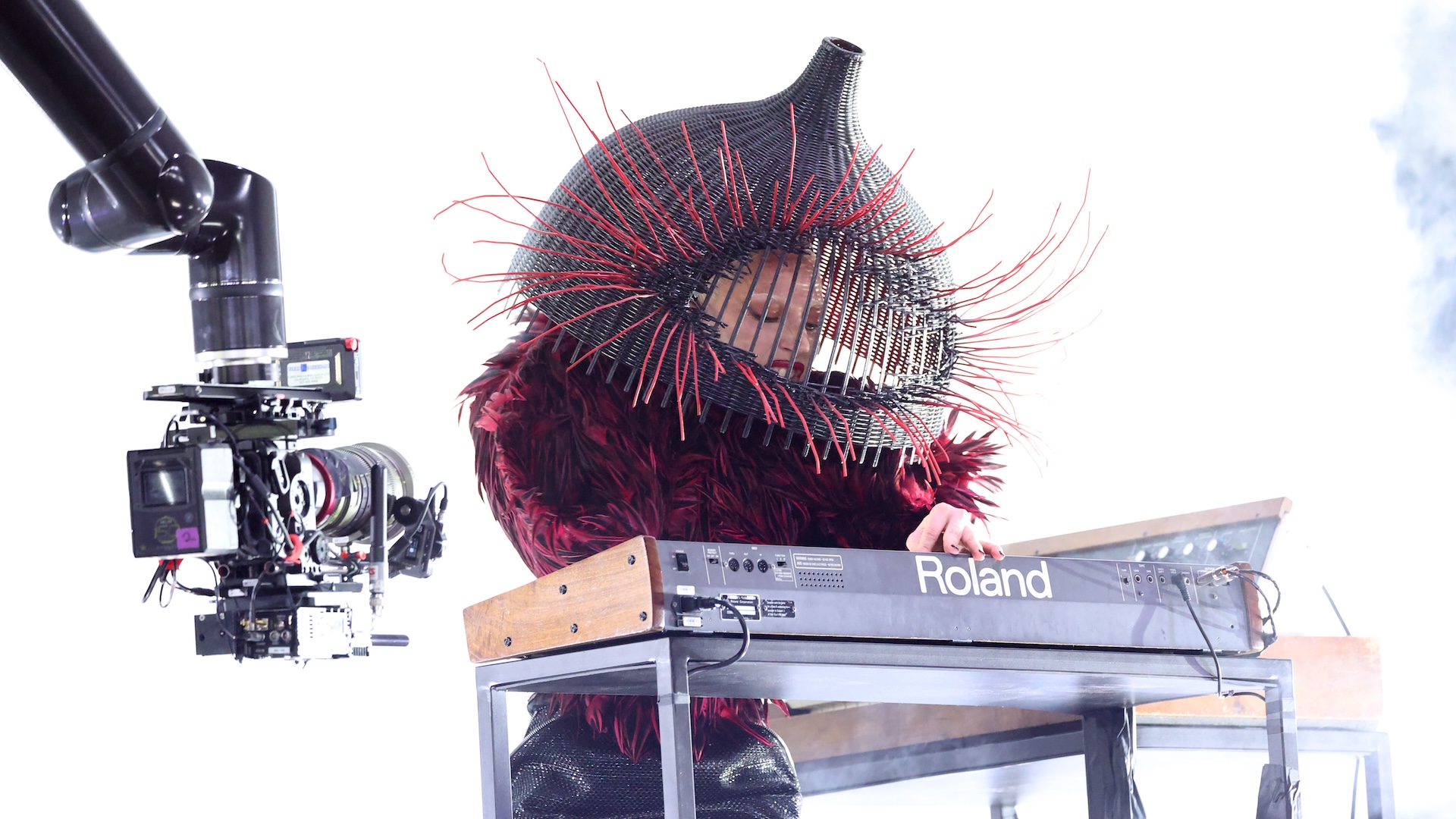
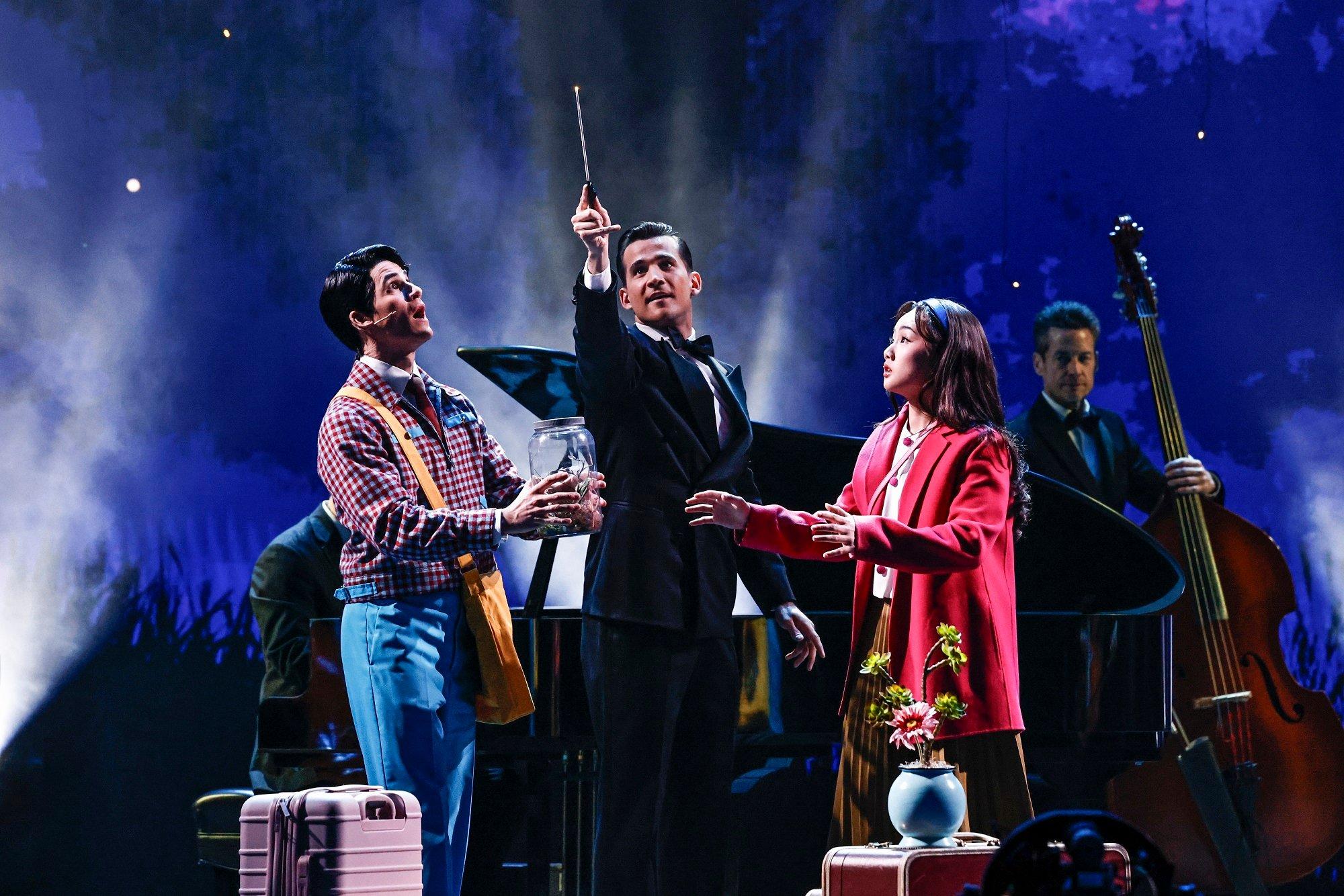
Photo: Michele Crowe/CBS via Getty Images
2025 Tony Awards Recap: Musical Theater Wins & Exciting Performances
From the big wins for "Maybe Happy Ending," including Best Musical, to the "Hamilton" reunion and joyful performances by host Cynthia Erivo, the 78th Tony Awards shone bright.
Broadway had one of its biggest years this year, between A-list stars gracing the stage, exciting new musicals, and highly anticipated revivals.
Held June 8, the 78th Tony Awards proved to be a fitting celebration. The awards ceremony featured performances from all Best Musical nominees, as well as tributes to beloved shows from the past and bright new stars.
Host, Wicked star and GRAMMY winner Cynthia Erivo began the evening with a soaring opening song — an original by Pasek and Paul with Mark Shaiman — celebrating the year’s shows. The crowd at Radio City Music Hall in New York City jumped to their feet as Erivo took her mic into the audience and had original "Wicked" cast member Kristin Chenoweth, along with Aaron Tveit and Adam Lambert, sing along from their seats.
Read more: Cynthia Erivo’s Evolution: How The Actor & Singer Embraced Her Whole Self On 'I Forgive You'
Among the evening's highlights were Megan Hilty singing an affirming and highly theatrical number from "Death Becomes Her," complete with Liza Minelli and Judy Garland costumes. GRAMMY winner Johnathan Groff stole the show when he took his "Just In Time" performance into the audience and climbed atop Keanu Reeves, who seemed to be happy to participate.
Beyond the nominee performances, major moments included a "Hamilton" 10-year reunion which featured a medley of songs from the GRAMMY- winning show sung by members of the original Broadway cast.
For the Tony's "In Memoriam" performance, Erivo joined two-time GRAMMY winner Sara Bareilles to sing a harmony-infused duet of "Tomorrow" from "Annie" — a song written by Charles Strouse and Martin Charnin, both of whom passed away this year. The segment also honored screen actors who also performed on The Great White Way such as 28-time GRAMMY winner Quincy Jones, James Earl Jones, and Dame Maggie Smith.
When it came to the awards themselves, there were no absolute shoe-ins for any of the major awards. One race that was anyone’s game was Best Musical. The nominations this year for Best New Musical were "Death Becomes Her," (adapted from the 1992 Meryl Streep film), "Maybe Happy Ending," an original piece about robots in love, and "Buena Vista Social Club," based on true events surrounding the Cuban band’s album of the same name. "Dead Outlaw," which had the creative marketing scheme of plopping a casket with an actor outside around New York, and "Operation Mincemeat" based on a World War II British deception operation were also nominated in the category.
"Maybe Happy Ending" was the evening's big winner, with six awards including the coveted Best Musical. It also took home awards for Best Book and Best Original Score, with Will Aronson and Hue Park taking home the trophies.
While they didn’t win for Best Musical, the musicians who make up "Buena Vista Social Club" received a special, noncompetitive Tony Award for their work in the show. The musical also won for Best Orchestrations.
One of the most talked about categories this year was Best Revival, particularly because of the powerhouse actresses leading the top two contenders. Frontrunners in the category were "Sunset Boulevard," which had Nicole Scherzinger in the leading role, and "Gypsy" led by Audra McDonald. The two-time GRAMMY winner also has the most Tonys of any performer, ever and has them in all four of her eligible acting categories. Scherzinger prevailed and won for her performance of actress Norma Desmond as did "Sunset Boulevard," which won for Revival.
The Best Actor category was also highly competitive this year, with two actors playing recording artist legends, James Monroe Inglehart as Louis Armstrong in "A Wonderful World: The Louis Armstrong Musical," and Jonathan Groff as Bobby Darin in "Just in Time." Had he won, Groff would have made history for getting two consecutive leading actor Tonys (he took home the Best Actor award in 2024 for "Merrily We Roll Along"). However, his former "Glee" co-star Darren Criss won yet another award for "Maybe Happy Ending."
Erivo declared at the top of the show that "Broadway is definitely back," and the proof is both on the stage and at the ceremony itself. With stars flocking from TV and movies to work onstage, shows making more money than ever, and innovative takes on new and returning shows, it does seem that live theatre is stronger than ever.
Latest News & Exclusive Videos
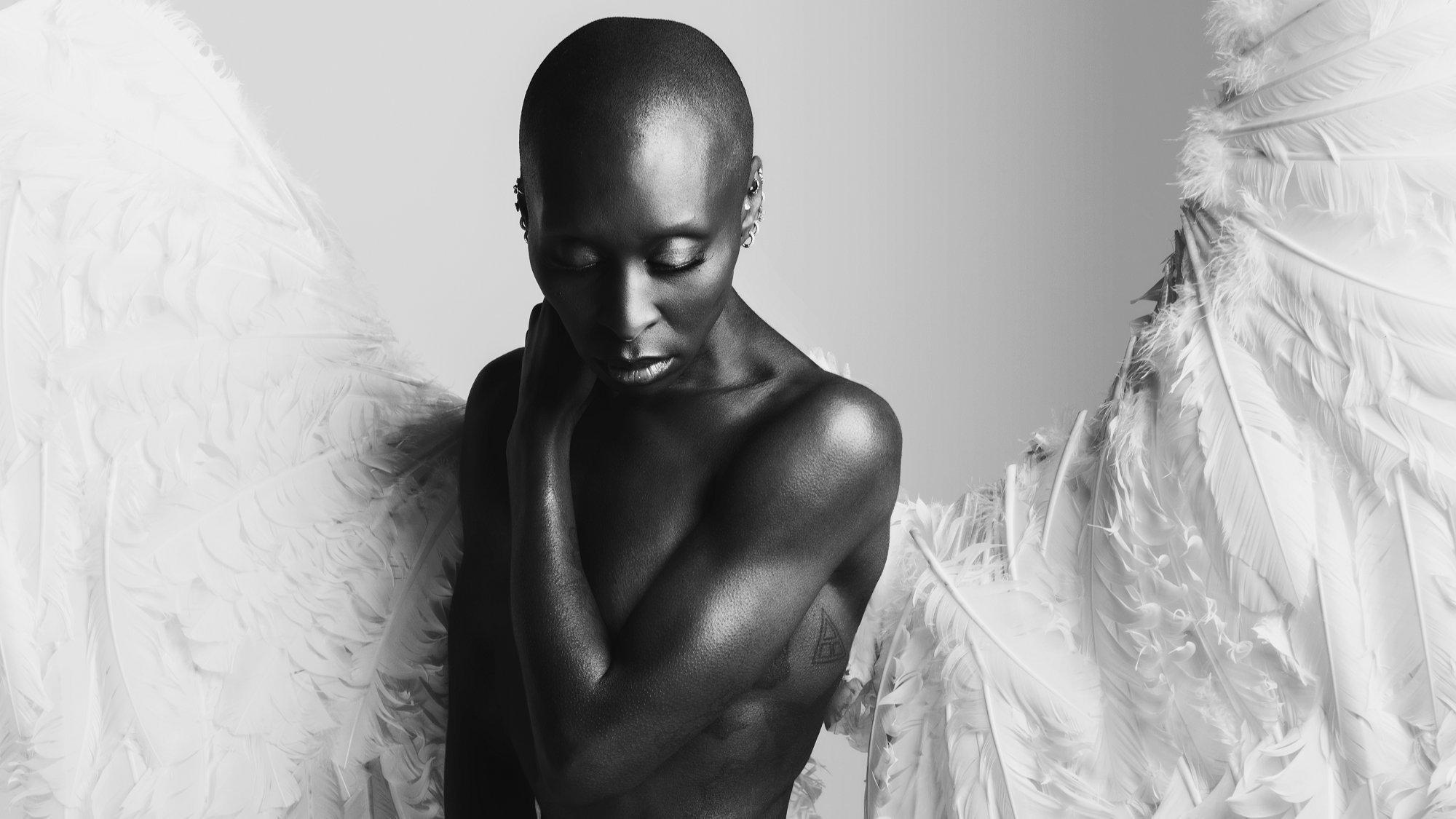
Photo: Norman Jean Roy
Cynthia Erivo’s Evolution: How The Actor & Singer Embraced Her Whole Self On 'I Forgive You'
Ahead of the album's release and her role as host of the 2025 Tony Awards, Cynthia Erivo details her arrival at 'I Forgive You.' "That discovery of self keeps happening," she says.
Cynthia Erivo's I Forgive You has a simple but powerful premise: Amidst emotional toil, embrace the vulnerability and the imperfections that make us human.
"The more I've grown to know who I am, the more I've become more of myself," Erivo tells GRAMMY.com. "[I'm] taking on the parts of me that might not be perfect. Taking on the parts of me that I love has allowed me to free up who I am and become more creatively daring."
The GRAMMY winner has endeared audiences worldwide with her charisma, authenticity, and versatility since starring in “The Color Purple” on Broadway and London's West End between 2013 and 2015. These, plus her dedication to craftsmanship, have made her the recording, film, and stage artist she is today.
But with her sophomore album, Erivo has doubled down — betting on herself and determined to shatter socially and self-imposed boundaries.
"I just let myself be free."
The luminous and ambitious I Forgive You ripples with R&B, pop, and folk, but even such categories cannot fully capture its depth. Erivo lets her unmistakable vocal prowess weave through the beats, vocal pedals, and swelling string crescendos. She shares her innermost observations about the torturous pain of heartbreak, the tender intimacy in partnership, and the emotional clarity that signals that healing is nonlinear.
Her voice radiates delicate warmth, speaking slightly above a whisper, protecting the instrument that has given her so much over the years. "In every song, there are things that you're hearing in there that you might not realize are actually me sampled or me making the sound. There are drones in there and basses in there that are in my voice," she says. Kevin Garrett's voice appears in "Holy Refrain," but everything else is Erivo.
As Erivo shares the technical aspects that went into crafting I Forgive You, it seems that, for the first time, she understands the greatness
of this musical facet of her artistry: it's a complete portrait of herself. She has never sounded more comfortable in her skin.
Cynthia Erivo spoke with GRAMMY.com about her most mature album to date, her pursuit of liberation as an artist and woman, and more.
We last saw you in the film adaptation of Wicked, where you earned an Academy Award nomination. This time, you're singing as yourself and not a character. What was the process of returning to your music like?
I don't think I've ever left music. I've just been doing other things at the same time; I wrote the last album a while ago. I've always wanted to come back but have been a little bit apprehensive about it, and felt like I didn't really have the right team, and the time was filled with mostly live performances, film, and TV.
Being in the space of doing all that and creating made me miss it, and so it felt like it was just time to get back to something I knew, loved, and connected with.
Read more: 'Wicked' Composer Stephen Schwartz Details His Journey Down The Yellow Brick Road
I Forgive You marks a turn from your 2021 debut album, which was heavily influenced by contemporary soul. It feels very liberated.
I think that for [Ch. 1 Vs. 1], I felt like it was going by the formula, trying to fit a formula that I thought might work, and I don't think I was fully being myself, and I didn't really get the chance to pick the writers I wanted to work with. I didn't feel like some moments on that album feel very much like me, and there are moments where I'm filling in the blanks, almost.
But this time around, this was all me. This was all informed by things I listened to when I was younger, things I loved, so it just sort of happened. I didn't put pressure on myself when it came to creating songs in different genres. Once you put a melody down, the song sort of wrote itself, and I wouldn't try to make it into something else. If it came out feeling like a country song, came up like a country song, if it came out feeling like a folk song, if that song came up feeling like R&B and gospel, that's how it came out. These things are part of the DNA of my musical taste and what I've grown up with, so I just let myself be free.
How did you reach this creative, musical emancipation?
This was a quiet conversation I had with myself. It was like, Do I try to make this a particular type of album? Am I gonna adhere to making it a particular kind of album, an R&B or a soul album? Then I just stopped and said, No, I think I'm just gonna write. Whatever comes out, whichever are the songs I love, are the songs that I love, and whichever are the songs that tell the stories I want to tell will be the songs on the album.
You collaborated with songwriter Justin Tranter on this album. How does your collaboration look in practice?
Justin would come in, and he would say, "What are we feeling like doing today? Do we want something deep? Do we want sexy? Do we want something loving? What do we feel like?" And I'd say, "Well, I think I want to write something that's loving. I want to write something that's kind of upbeat but sweet, kind." And then he goes, "Okay, so what about this?" And then I'll go, "I don't like that suggestion."
And then I bring up my pen and paper, and Justin is excellent when it comes to sitting back and stepping out of the way to let me write. I'll relay the lyrics to him, and he'll say, "That sounds really cool, but what about…" and he'll make a small melody change that changes the entire thing in the way that I wanted to because it helps them to come through once that song is completely recorded.
Justin will listen to it, and I say, "Oh yeah, I know you. But what if we add this bass right here? What if we add this whistle right here, or add your nails instead of a clap?" That's what Justin is really beautiful at doing: making sure the finer details are also taken care of. I look for those things. But when you have someone like Justin in the room, you can trust that those things will be handled. So you could just kind of go.
Speaking of details, the songs in this album mostly feature sounds from you. Can you walk me through the reason for adding a string section in "You First?"
I love the sound of strings, but there's a tonality in the quality of texture they bring that you can't really do with a voice. It opens everything up and makes things more dramatic. And you can accent a storyline with the right string orchestra.
Tell me about the child whose voice is featured at the end of "Grace."
The child at the end of "Grace" is Grace. She passed away when she was about 13. I met her last year when she watched Wicked. Then we started sending videos to each other, and I finally had a FaceTime with her. She was a sweet, sweet girl, and that was a message she had sent me.
You beautifully chronicle the contradictions of being human and our ability to transform and change. Was there a song on the album that had the most significant transformation from when you began working on it to the final version that will be released?
"Holy Refrain," I wrote it four years ago and didn't finish it. It was a different song, and it had no backgrounds on it, and it was just one vocal line that was a very simple melody, and then, we finished it, and it became what it has become: this big, all-out love song. It was a very simple folky-type song before it became what I think is very gospel, so that song had the biggest transformation.
"Brick By Brick" had a big transformation as well. Before, it was like one verse and one chorus, and the structure changed as I understood what it was that I really wanted to say.
My introduction to you was "The Color Purple" on Broadway in late 2015. What's your relationship to Broadway now?
I'm going to be hosting The Tonys. I'm still very close, and I see as much as I can. This time, I get to see almost everything. I haven't disappeared, that's for sure. I may be back soon. Once you have the Broadway bug, you can't leave it forever. It's something you always get back to. It's like sharpening the tools.
How has your musicianship and self-preservation evolved with your internal identity and relationship to yourself?
My choices as a musician have become more adventurous, trying new things with my voice, like at the end of "More Than Twice," that sort of ululating, which I've never done in public. I've never done it on anything. It allows me to play with the use of breath and the falsetto.
When you find out who you are fully, you get to find out who you are as a musician fully, so that discovery of self keeps happening. Writing this album has been really freeing. I got to really dive into the love I have for music, the love I have for making it, not just singing, but the making of it, the sound of a violin and the difference between a cello and a double bass, the difference between the soprano sax and a saxophone and going back to the root of who I am, those things that I knew when I was younger and learned about when I was younger, I get to now express and share as well as a musician.
Celebrating Black Music Month
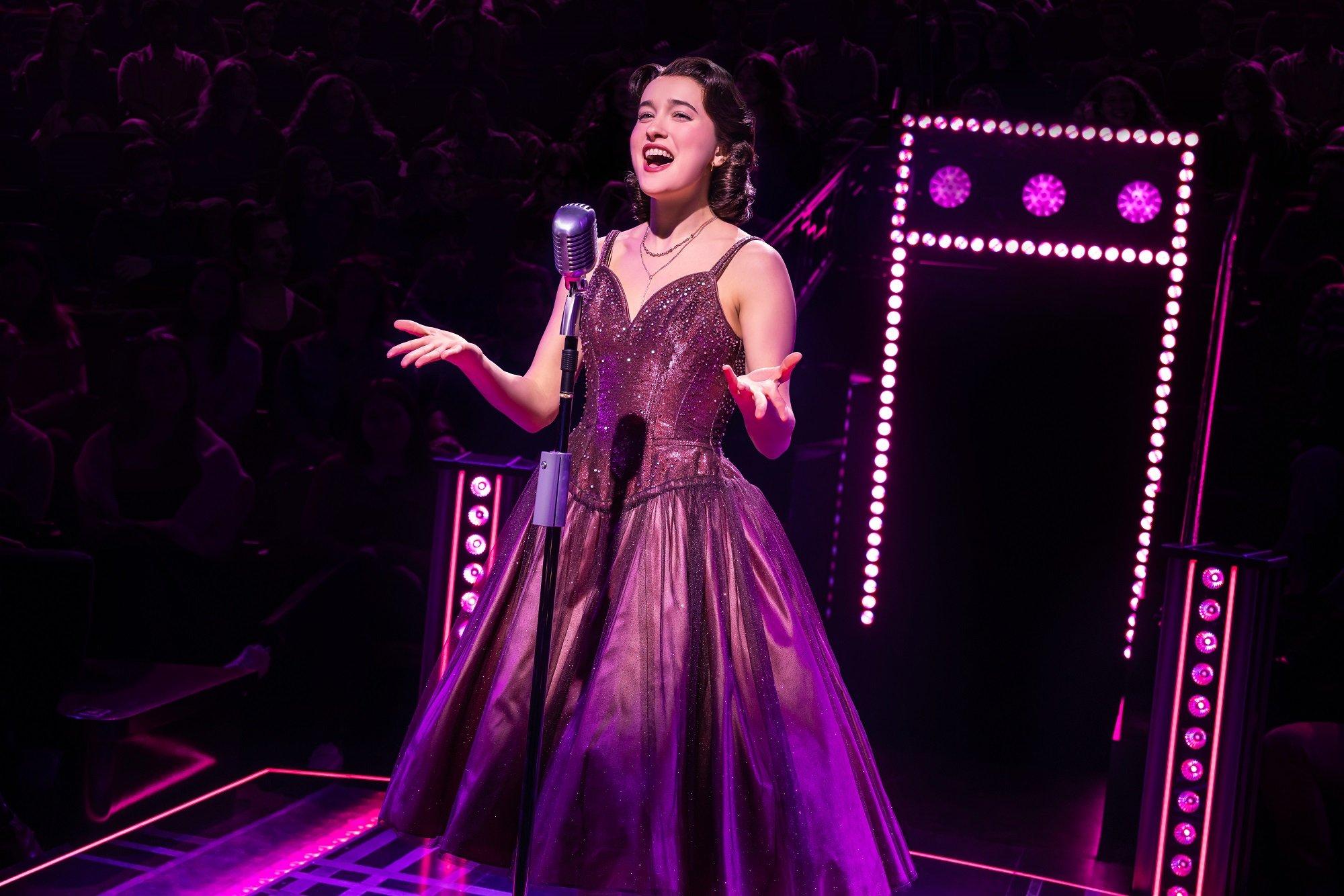
Photo: Matthew Murphy & Evan Zimmerman
Gracie Lawrence Talks Portraying Connie Francis On Broadway, Singing In "Sex Lives Of College Girls" & That One Time She Met Mick Jagger
"I'm having the time of my life," the Tony Award nominee says of her multi-hyphenate career.
Singer and actress Connie Francis is having a moment. Her 1962 track "Pretty Little Baby" has gone viral on TikTok, reaching 10 billion views with celebrities including Kim Kardashian lip-syncing to the oldie but goodie.
Francis is also at the forefront of a Broadway musical, "Just in Time." Now playing at the Circle in the Square Theatre, the Bobby Darin jukebox bio-musical has received tremendous accolades including six Tony Award nominations.
While Bobby Darin (played by Jonathan Groff) is at the center of the musical, actress and singer Gracie Lawrence earned a Tony Award nomination for Best Featured Actress in a Musical for her portrayal of Francis. As Darin’s love interest, Lawrence's Francis steals the spotlight with her gut-wrenching solo "Who’s Sorry Now?"
Beyond the Broadway stage, Lawrence sings in an eponymous band with her brother and starred in the most recent season of HBO Max’s "The Sex Lives of College Girls."
"I'm having the time of my life," Lawrence, 28, tells GRAMMY.com after waking up for a much needed nap following a whirlwind, little-sleep, weekend in which she performed on two coasts, saw Beyoncé in concert, and performed a last-minute set at an intimate jazz club on her one night off a week.
"Just in Time" marks Lawrence's second Broadway show following a revival of Neil Simon’s "Brighton Beach Memoirs" in 2009. Connie Francis hasn’t seen Lawrence in the musical – just yet – telling PEOPLE that she will once she recovers from a hip injury.
"I'm so honored to tell another woman in music’s story. I feel like it's a very connected, meta and almost spiritual experience. So that's how I'm kind of viewing this moment of my life," Lawrence says.
Gracie Lawrence began singing with her brother Clyde when they were kids, first performing at open mic nights or at restaurants around New York City. When Clyde was in college, Lawrence, still in high school, would join Clyde’s band, to sing at frat parties and other colleges. For the last decade, the same eight-piece band, renamed Lawrence, has toured the world. Lawrence, the band has opened for the Rolling Stones at MetLife Stadium, and supported the Jonas Brothers for the entirety of their 2023 North American tour.
Last year, Lawrence released their fourth studio album, Family Business, and broke down a handful of select tracks as part of the 2025 GRAMMY U Conference. "Getting the opportunity to dissect how each production choice is made on our album, since we take so much time to do them, and talk about that with other people who are going through the same process, is always such a dream and so rewarding," Lawrence said.
Peppered in with her music, Lawrence has graced TV screens with roles on "Younger," "The Americans," "The Good Wife" and "Billions." Most recently, she played Kacey Baker, a perky transfer student looking for love after breaking up with her childhood boyfriend on "The Sex Lives of College Girls."
The show wasn’t picked up for a fourth season, but timing is kismet, allowing Lawrence to settle on Broadway with "Just in Time."
"I'm so honored to be in a moment of my life where I get to be a musician, have my band and get to tell my own personal story and my family's story," she says, noting that she’s taking Clyde as her date to the Tony Awards on June 8.
In a conversation with GRAMMY.com, Lawrence reflects on embodying the 1960’s chart-topping singer and shares the incredible compliment from Mick Jagger.
How did the role of Connie Francis come about?
This is a really unusual thing. I spent most of my life auditioning for roles and begging for parts; I still can't believe that this is what happened.
Alex Timbers, our amazing director, was a fan of my band. I had met him with my brother a few years before that as kind of mutual fans of each other. A year or two later, I got an email from Alex Timbers while I was working on "Sex Lives of College Girls" that said he was working on ["Just in Time"] with Jonathan Groff. There's a role that he thought I would be right for if I want to come do it.
The rest of the challenge was the logistics of finding a way to fit a Broadway show into my life.There was the possibility of another season of the television show. We had tours booked. It was a really complicated jigsaw puzzle that involved a lot of people and a lot of graciousness from a lot of people. But it felt like the right opportunity to move mountains for, and I'm really unbelievably grateful that it worked out.
What do you think was the most interesting part of Connie Francis’ life while researching her?
This [show takes place during] a very particular period of her life in which she knows Bobby Darin. There's a lot of tragedy in her life that we don't get into. She was very ahead of her time in [terms of] mental health awareness, victim awareness and being a voice for women like that we don't have the space for in this particular show.
In terms of what we depict in the show, I think that their relationship, Bobby and Connie, was really interesting and beautiful on a lot of levels. They were like collaborators, and they were also so deeply in love.
What has it been like doing this show in the round with audiences, like me, sitting right in front of you as you belt out Connie's hit "Who’s Sorry Now?"
In my band, we play venues that are bigger than Circle in the Square. The last show we played in New York City was Radio City Music Hall. Singing in that kind of a setting is actually, I think, a lot scarier. The intimate experience of singing to an audience that can hear every single word and every quiver in your voice is nerve wracking and specific. It allows you to convey a lot more with a lot less.
Do you try to make eye contact with the audience?
It looks like I do. With the way it’s lit, I can't really see anyone, at least when I’m singing. But people think I am making eye contact with them, because there's a moment where I wave at someone, and I choose a different spot every night. I can see in that moment the shape of people's heads thinking that I looked at them and I can't see anyone there. So, sorry!
It’s my understanding that Connie Francis didn’t want to record that song.
I don't know how she feels about it now. She may look back on it more appreciatively and understand why it was a hit. Certainly at the time when she was recording it, she didn't want to sing it. It didn't feel like her.
It's a song about heartbreak. It's a song about a breakup. Someone who broke each vow and she's saying, "Aren't you sorry now?’
What’s your favorite Connie Francis song?
That’s a really good question. I love "I’m Nobody's Baby." I think it sounds really modern, in the same way that "Pretty Little Baby" is going really viral right now. I think it might be a cover, actually, as many of her songs were that she became very famous for. I think ["I’m Nobody’s Baby"] could have that viral TikTok potential as well because it has a cutesy, funny, character sound.
How did your band get the chance to open for the Rolling Stones?
The promoter for the Rolling Stones asks the band who they want their openers to be. The Rolling Stones are really cool in that a lot of their openers are not hugely famous people. They're artists that they like, and they do a different opener every single night at least on their most recent tour. They did two nights at MetLife Stadium. I think night one was Jon Batiste, and night two was us, Lawrence.
I remember exactly when I saw the email. I was sitting in a cafe in Los Angeles, shooting "The Sex Lives of College Girls." I was eating a caesar salad, and wondered if I was reading this correctly? The first thing I did was call my parents because this was the music I was raised on. The Stones hold a very large place in my life. Both my parents were just so emotional about it and I think it's because it doesn't get bigger than that.
I will always be able to say that I met Mick Jagger. I met the Rolling Stones and I got to open for them. That is a huge badge of honor for my entire life.
Did Mick Jagger say anything to you?
He watched the whole set, which was incredible. Then after, we spoke to him about the music for a bit. He was incredibly encouraging. I heard a little bit about how he prepares for the show. He said, "I like your outfit." I told my brother that’s the best person to like my outfit.
By the way, the Rolling Stones look amazing. They walk and they run more during their set, specifically Mick Jagger, because he's off an instrument. He’s running around the entire MetLife Stadium. I just saw Beyoncé at MetLife Stadium as well and I thought, wow, Mick Jagger was running around this same space.
Did you learn anything from seeing Beyoncé?
Where do I even begin? I left feeling so inspired. She did classical music and a ton of different genres, and makes commentary on what genre even is. I was blown away by it. I am still digesting because it was so powerful.
When you booked Kacey on "Sex Lives," did you know you’d be singing "Never Enough" from "The Greatest Showman" by Benj Pasek and Justin Paul on the finale?
I didn’t know I’d be singing. It might have said in the character description that she has a good voice, or she is involved in theater, but it didn’t clarify.
It was written in the script. [Laughs.] I happen to know Pasek and Paul, so it was a very lovely thing to have happened.
I saw them a week or two after the episode aired and they raved about your performance.
That’s very nice of them. It was such an honor to sing their song. That whole sequence was such a beautiful way to end the show.
What would you like to see for Kacey, if there was another season?
I think it's fun that we leave her loving theater and having it mean so much to her after she was so resistant to it. I'm so touched when people come to the stage door for "Just In Time" in love with that character so much and love that she became this sort of unexpected theater girlie. In general, I'm just loving being a part of the theater community in real life, and I think it's a community that deserves to be celebrated.