|
VOOZH | about |
|
VOOZH | about |
My Favorites
Use the
Share your travel photos with us by hashtagging your images with #visitjapanjp
Attraction
1-1-1 Yasukata, Aomori-shi, Aomori-ken
Marked by massive lantern floats paraded through the streets, Aomori Nebuta Matsuri 👁 Image
👁 Image
is one of Japan's most famous festivals and Aomori Prefecture's best-known event. Attracting millions of visitors, the spectacle is held annually between August 2-7. If you can't make it to the festival, visit Nebuta Museum to experience this matsuri year-round.
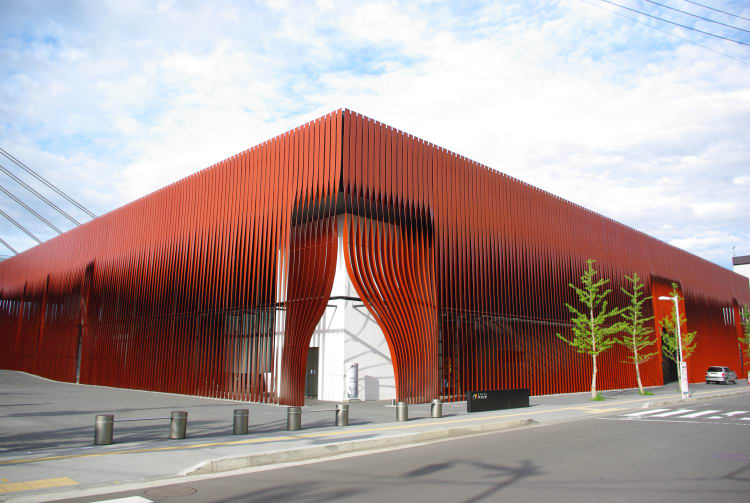
The Nebuta Museum is located right next to Aomori Station in Aomori's central waterfront district.
Getting to Aomori from Tokyo takes just under four hours on the bullet train. Take the Hayabusa Shinkansen to Shin-Aomori and change to the Ou Main Line bound for Aomori. The museum is a two-minute walk from the station.
While the atmosphere of the Nebuta Festival is an undeniably incredible experience, it can be difficult to properly see the parade when you're one of more than three million revelers jostling for space.
At the Nebuta Museum 👁 Image
👁 Image
, you can not only see the floats up close, but you can also touch them—some displays are actual floats from the previous years' festivals. Take your time to admire these impressive objects and feel free to snap photos of this one-of-a-kind art form.
A visit to the museum allows further hands-on opportunities such as dancing to the music that accompanies the festival, just like a haneto dancer. Look for the taiko drums that you can play, similar to the festival floats.
On weekends and holidays, see experienced Nebuta performers play flutes and taiko drums, accompanied by dancers recreating the lively festival atmosphere. The performers will invite you to join in, teaching you all of the haneto dance steps.
Elsewhere in the museum, try your hand at painting a classic Nebuta face, or learn how to apply washi paper to the giant floats' wire and wood frames.
The main hall is where the floats from previous years are displayed. Viewed up close, the giant scale and intricate detail of the floats is jaw-dropping and the smaller displays show the technical work involved in float creation that is otherwise difficult to grasp. Feel free to touch the wire frames and washi paper exteriors, exactly the same as those found on the actual lanterns themselves.
The lighting in the museum is kept dim for authenticity, so you can see how the floats are lit up in the actual nighttime parade.
Walking through the museum's "Aomori Nebuta Tunnel" is not only an incredible experience on its own, but it also offers a fascinating journey through the festival's 300-year history. Here, you can see the changes in the techniques and styles of float construction, the parade route, and the growth of the event itself through various historical displays.
Housed in white tents (called Nebutagoya) near the museum are the workshops for the in-progress floats. With convenient viewing windows, see the different stages of lantern construction and work in real-time before the next event.
Please Choose Your Language
Browse the JNTO site in one of multiple languages