



Early history of South Africa
👁 Image
Add image to section

Add image to section
👁 Image
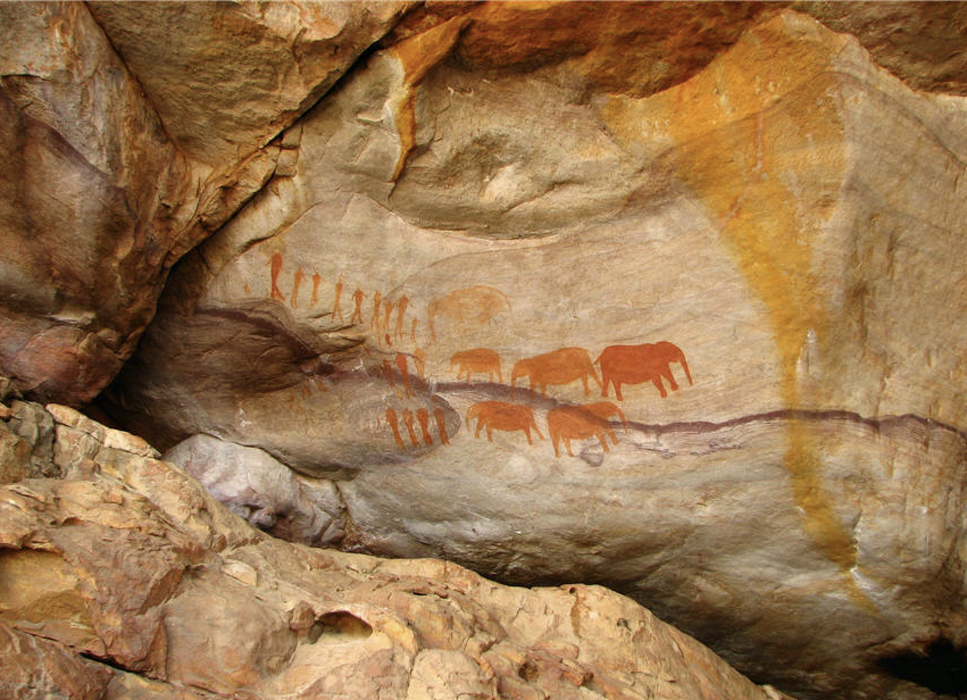
The first modern humans, Homo sapiens, to inhabit the region that is now South Africa were the San people (once known to Europeans as Bushmen). They probably arrived in South Africa some time between 260,000 and 130,000 years ago. A hunter-gathering people, they lived on the grasslands of southern Africa, isolated from the continent's other inhabitants for many thousands of years.
👁 Image
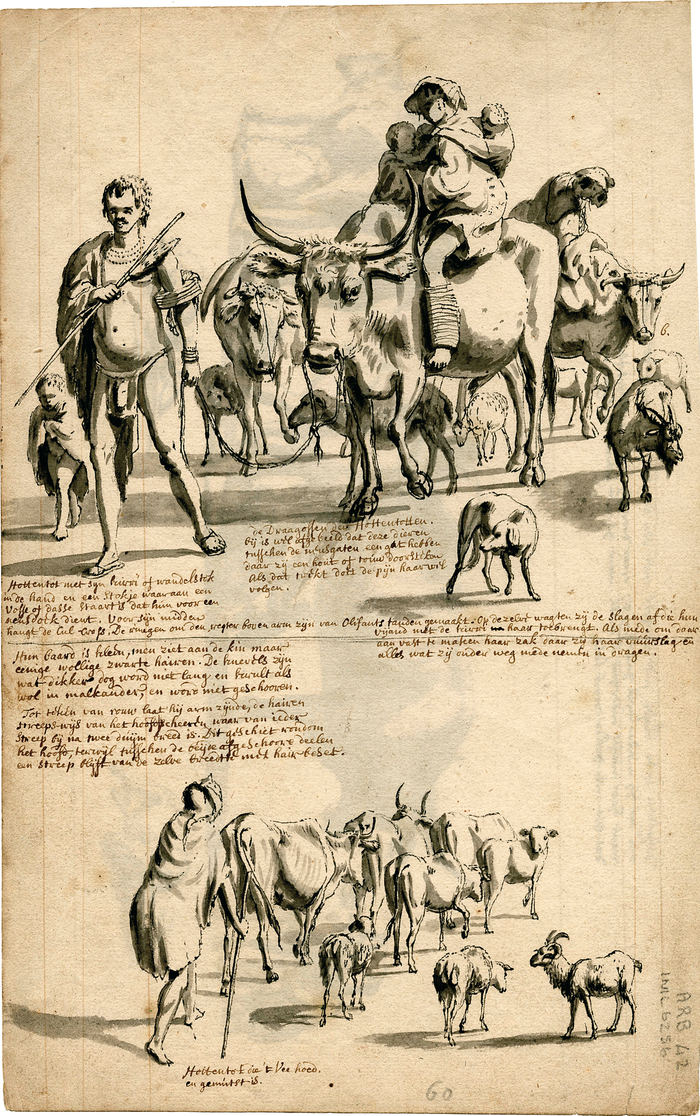
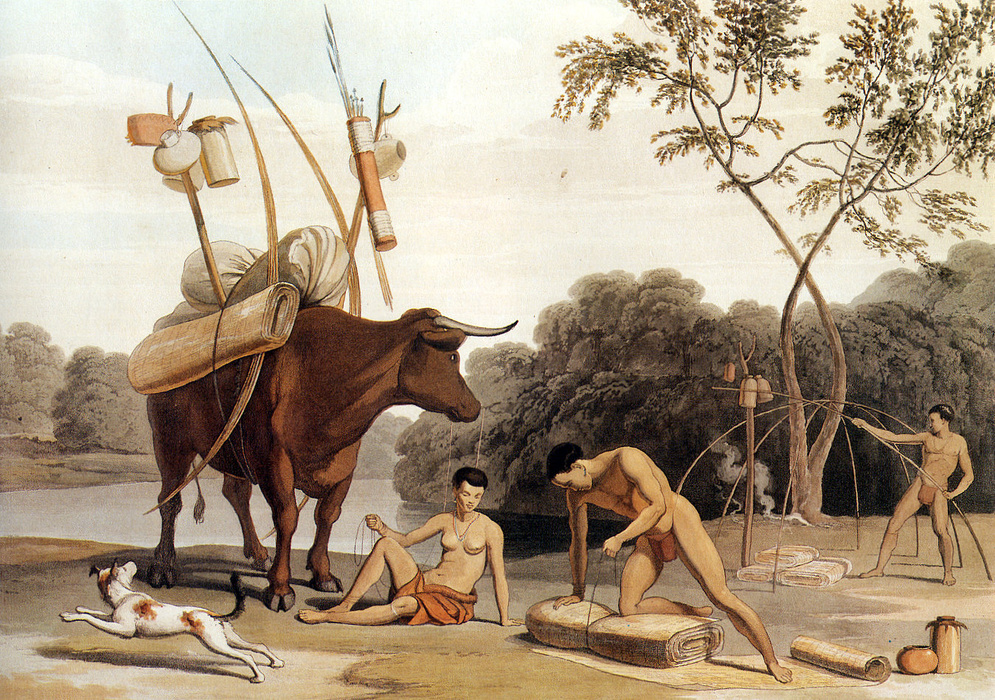
Around 2000 years ago, a group of San who had come to live by herding animals, started appearing in South Africa. Originating from the northern region of present-day Botswana, these people, who called themselves the Khokhoi, grazed sheep, goats and, later, cattle. In coastal areas, some also hunted seals and gathered shellfish. Today, the San and Khoikhoi are grouped together under the term Khoisan, distinguished by their different lifestyles—herders or "pastoralists" (Khoi) and hunter-gatherers (San).
👁 Image
Add image to section
Add image to section
👁 Image
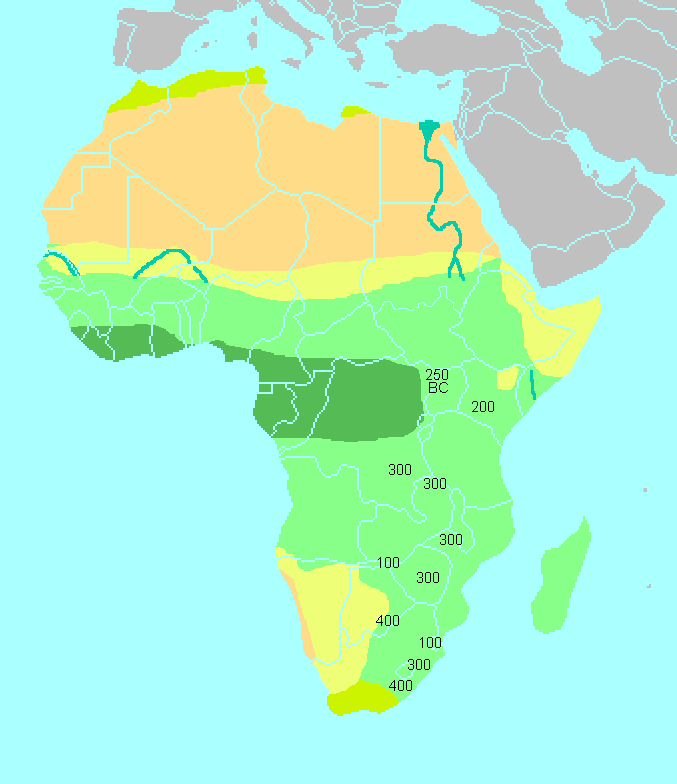
Some time around 200 AD, new groups of people began arriving in southern Africa. These Bantu-speaking peoples had spread slowly southwards in small waves from the Niger Delta in West Africa via the Congo Basin. As well as keeping livestock, they cultivated millet, sorghum and other crops. They were also iron-workers and lived in settled villages.
Some groups, ancestors of the Nguni peoples (the Zulu, Xhosa, Swazi and Ndebele), occupied the lands near the south and east coasts of what is today South Africa. The Tswana, Pedi and Sotho settled in the Highveld grasslands, while the Venda, Lemba and Tsonga peoples made their homes in the northeast.
👁 Image
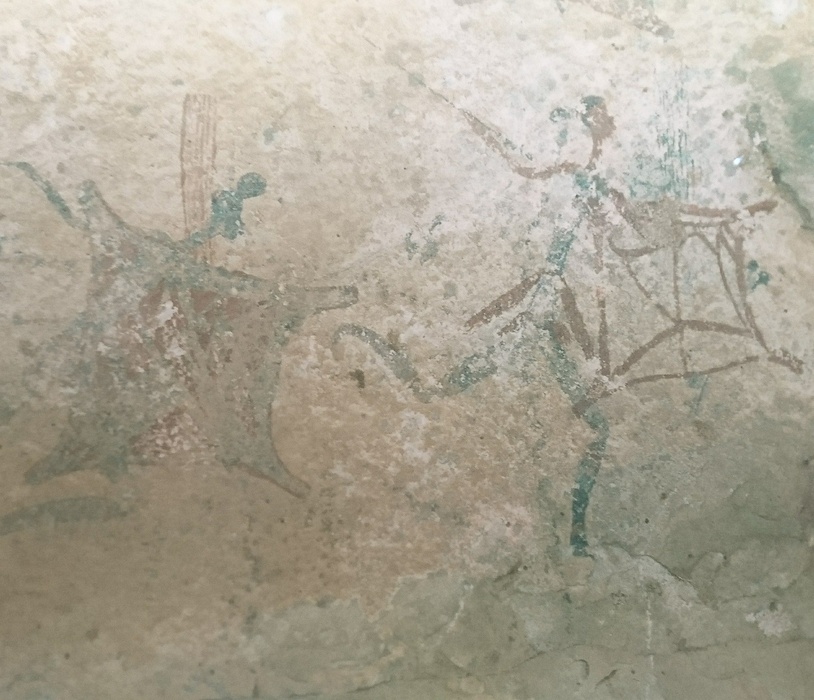
From the evidence of rock paintings and languages (Xhosa and Zulu, for example, have clearly incorporated the click consonants of the Khoisan languages), it is known that some Bantu-speaking and Khoisan populations interbred.
👁 Image
Add image to section
Add image to section
👁 Image
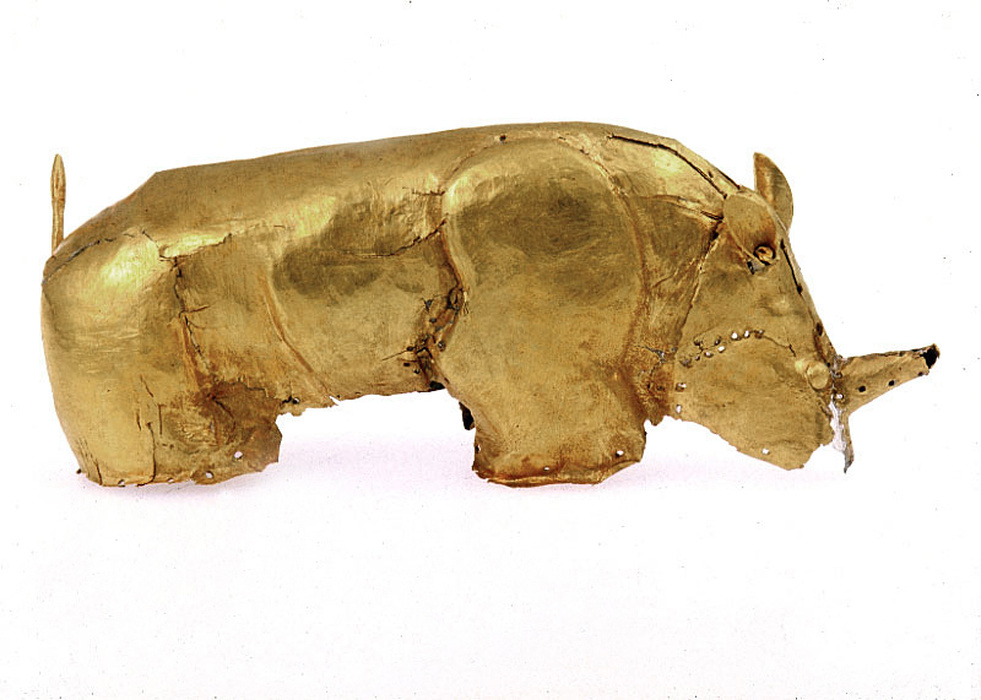
South Africa's first cities grew up along the valley of the River Limpopo during the 11th century. One of these, Mapungubwe, developed into a town of around 10,000 people. Mapungubwe's kings and other higher-ranking individuals were buried on a hill along with treasures made of gold, iron and copper produced by skilled craftworkers. The kingdom's merchants traded with other parts of southern Africa and, via East African ports to the north, with Arabia, India and China. They exchanged gold and ivory for Chinese porcelain and Persian glass beads. Mapungubwe was abandoned in the 13th century, its trade connections taken over by the thriving city of Great Zimbabwe, further to the north.
👁 Image
Add image to section
Add image to section
👁 Image
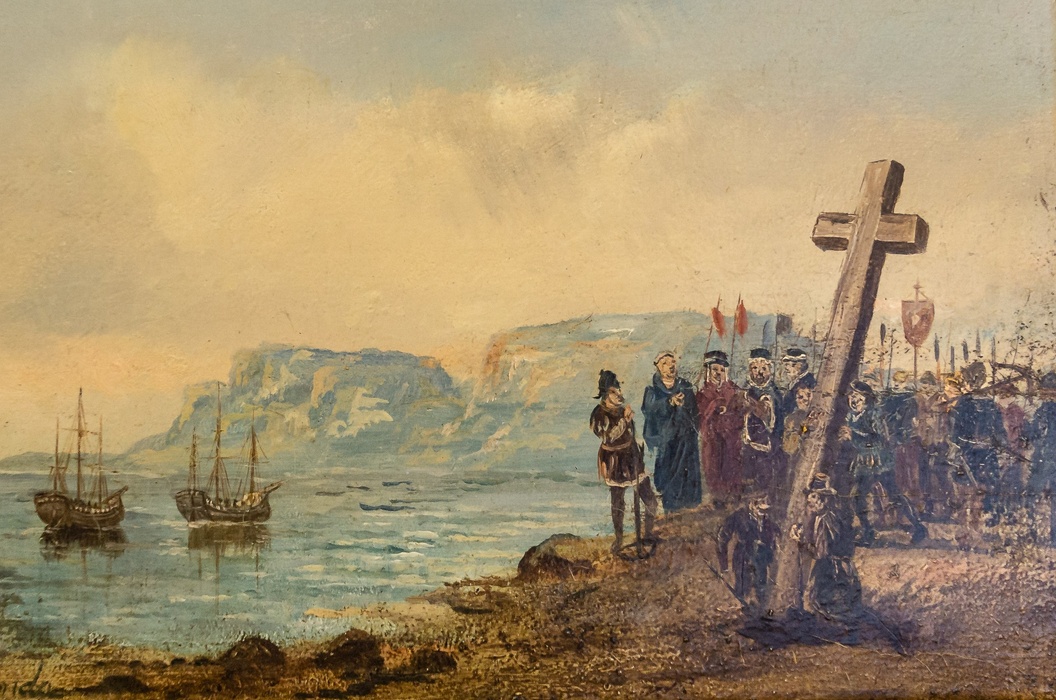
The Portuguese explorer Bartolomeu Dias became the first European to explore the coastline of South Africa in 1488. He was searching for a route through to Asia around the southernmost point of Africa. He named what is today called the Cape of Good Hope Cabo das Tormentas, meaning "Cape of Storms".
👁 Image
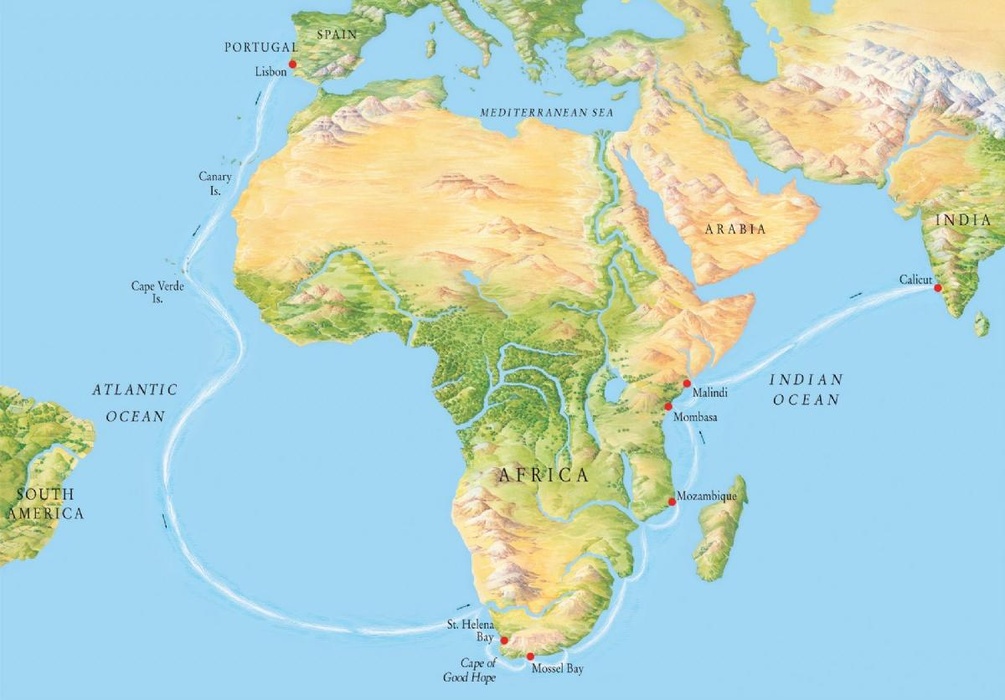
Dias was followed in late 1497 by Portuguese navigator Vasco da Gama, whose ships rounded the Cape and travelled on to India. Da Gama named part of South Africa's coastline Natal, the word for "Christmas" in Portuguese.
The Portuguese were not interested in colonizing South Africa, however, finding the coast of what is now Mozambique more appealing. They were, however, the only Europeans to visit the region until the late 16th century, when the English and Dutch began to compete for their trade connections with Asia. The Cape became a regular stopover for scurvy-ridden crews of merchant ships plying the trade routes between Europe and the East.


