


African history
👁 Image
Add image to section

Add image to section
Trade in the Middle Ages
👁 Image
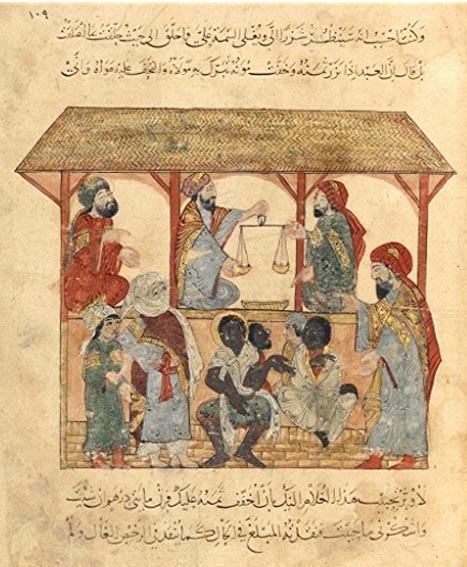
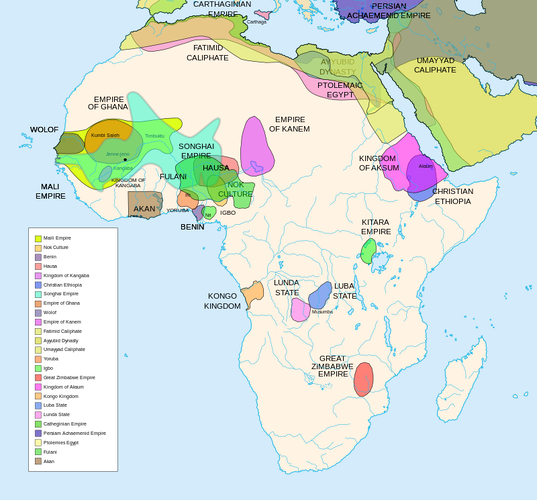
During the Middle Ages, African peoples mined gold and other metals. They traded with China and Arabia. Many peoples, such as the west African empires of Ghana and Mali and the southeastern empire of Zimbabwe, grew rich and powerful. A number of kingdoms flourished in the grasslands and forests of central and southern Africa, especially in places with fertile soils and sources of salt and metals. The capital cities of these kingdoms were protected by immense walls. Their lands were ruled with the help of powerful armies and by making alliances with other local leaders.
👁 Image
Add image to section
Add image to section
The spread of Islam
👁 Image
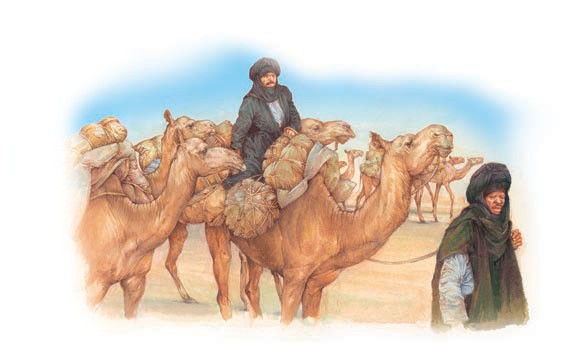
Within just over a century of the death of the Prophet Mohammed in AD 632, Islam had taken a firm hold in north Africa. The Islamic Empire stretched from Morocco in the west of Africa to the Middle East and beyond, as far as modern Pakistan in the east. It was traders who carried the Islamic faith south over the vast Sahara Desert. These merchants made the hazardous journey in convoys of camels, known as caravans. By 1500, Islam had spread as far south as modern Nigeria and Sudan, as well as down the east coast.
👁 Image
Add image to section
Add image to section
Aksum
👁 Image
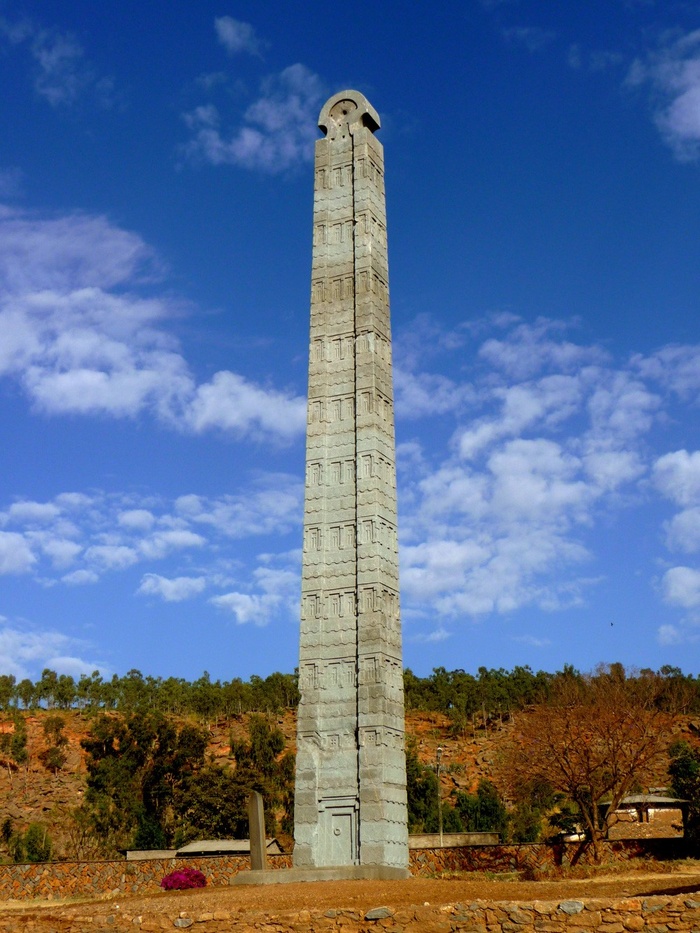
Between the 2nd and 7th centuries AD, the Kingdom of Aksum (Axum) thrived in northeast Africa, in the region of modern Ethiopia and Eritrea. The people of Aksum were successful traders, with their kingdom centred on the bustling city of Aksum. They manufactured glass crystal, brass and copper and exported these goods along with local products such as hippopotamus hides, spices, ivory and even live elephants. Imports included silver and gold—from which local craftworkers minted coins—olive oil and wine.
In the 4th century, before Aksum adopted Christianity, a number of tall, thin monuments known as stelae were constructed around the city. The stelae were placed to mark the tombs of the rulers of Aksum. They were carved to look like tall, thin multi-storey houses. The tallest, now fallen down, was 33 metres (108 feet) high.
👁 Image
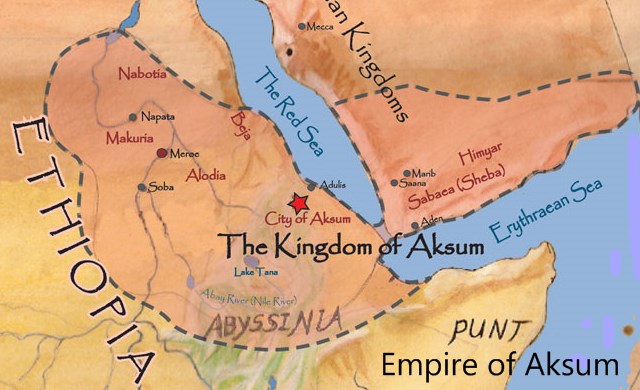
At is height in around 520, the Kingdom of Aksum extended across the Red Sea following its annexation of the Himyar Kingdom in present-day Yemen. With the spread of Islam through Western Asia and Northern Africa, Aksum's trading networks in the Mediterranean diminished, sending Aksum into decline. It finally collapsed in around 960.
👁 Image
Add image to section
Add image to section
Abyssinian Empire
👁 Image
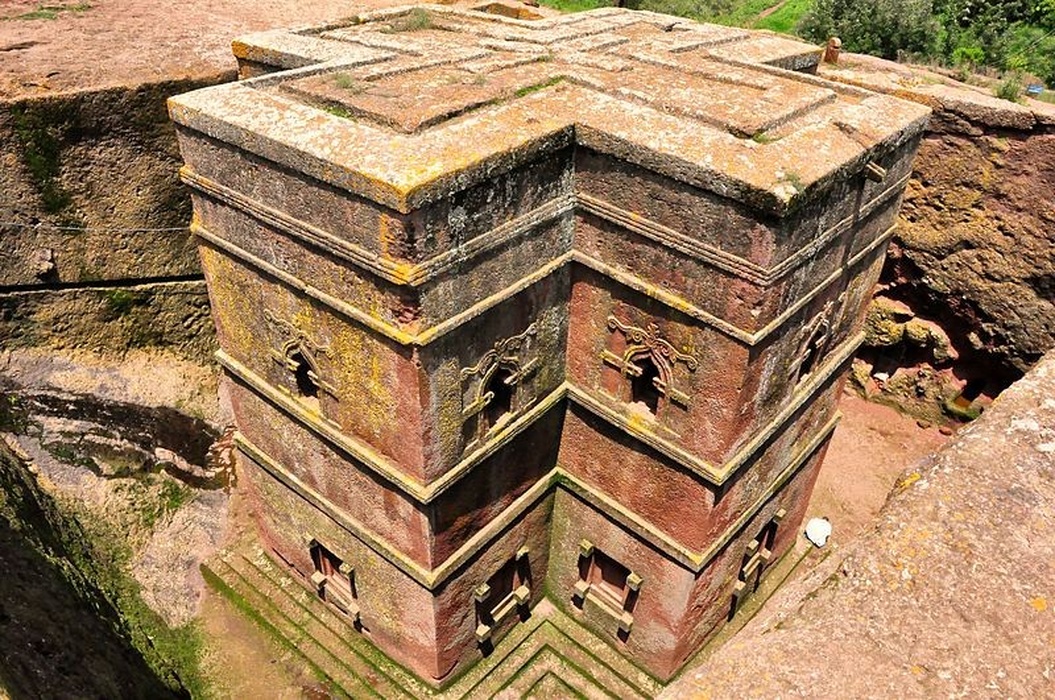
The Abyssinian (or Ethiopian) Empire existed from the 12th century until 1974. Mara Takla Haymanot founded the Zagwe dynasty in 1137, ending the “Dark Ages” in the region that followed the fall of the Kingdom of Aksum. The Zagwe continued the Christianity of Aksum and built many rock-hewn churches, such as those at Lalibela.
👁 Image
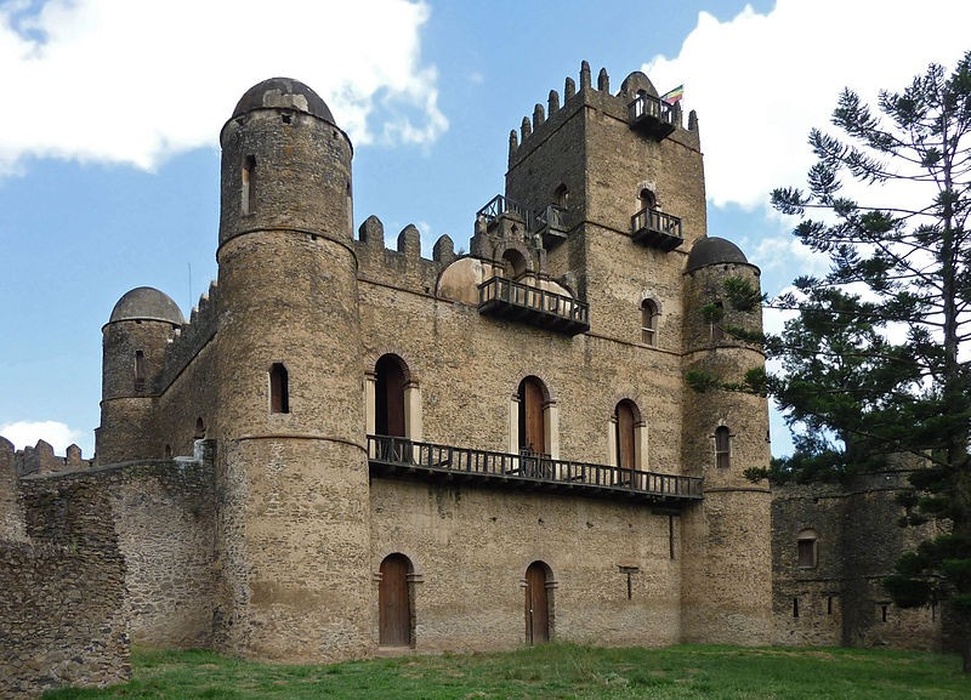
In 1270, the Zagwe dynasty was overthrown by a king claiming descent from the Aksumite kings. The Solomonic dynasty was ruled by the Habesha, after whom Abyssinia (Ethiopia’s old name) is named.
👁 Image
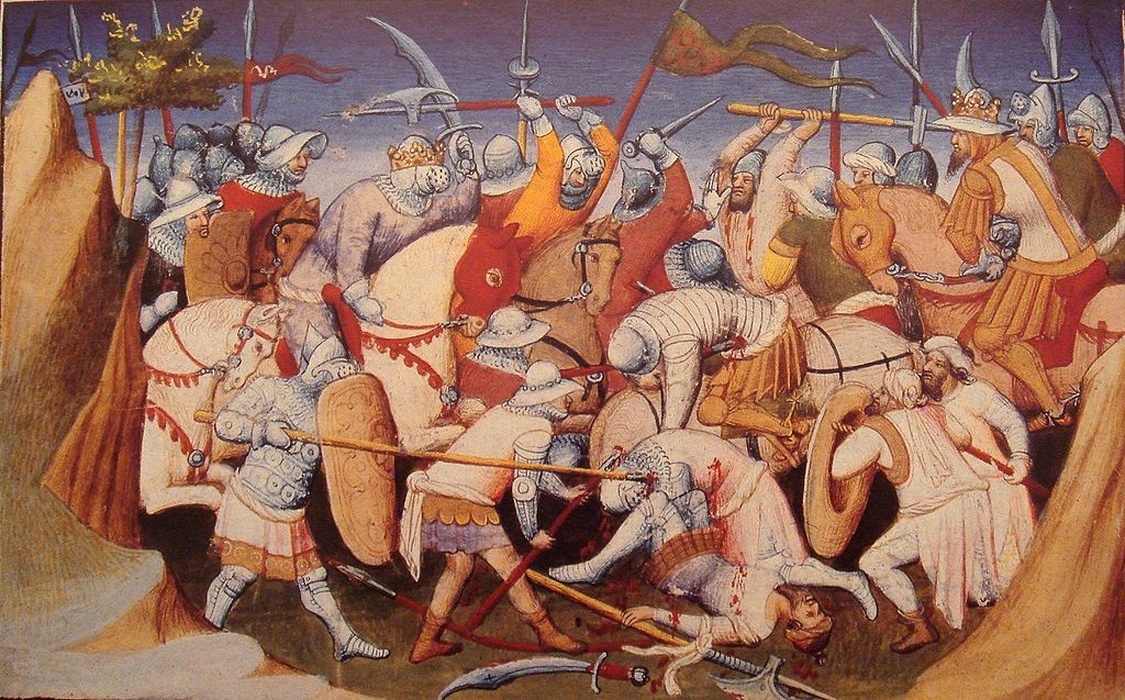
In 1529, Adal forces under Ahmad ibn Ibrahim al-Ghazi overpowered the Abyssinian Empire, with the help of cannons provided by the Ottoman Empire. The Adal Sultanate had been founded by Muslims living in neighbouring Somaliland. By the 15th century, it had become the centre of Muslim resistance to expanding Christian Abyssinian power. The Adal takeover was short-lived: in 1543, assisted by the Portuguese, the Solomonic dynasty overthrew the Adal invaders.
👁 Image
Add image to section
Add image to section
CENTRAL AFRICA
👁 Image
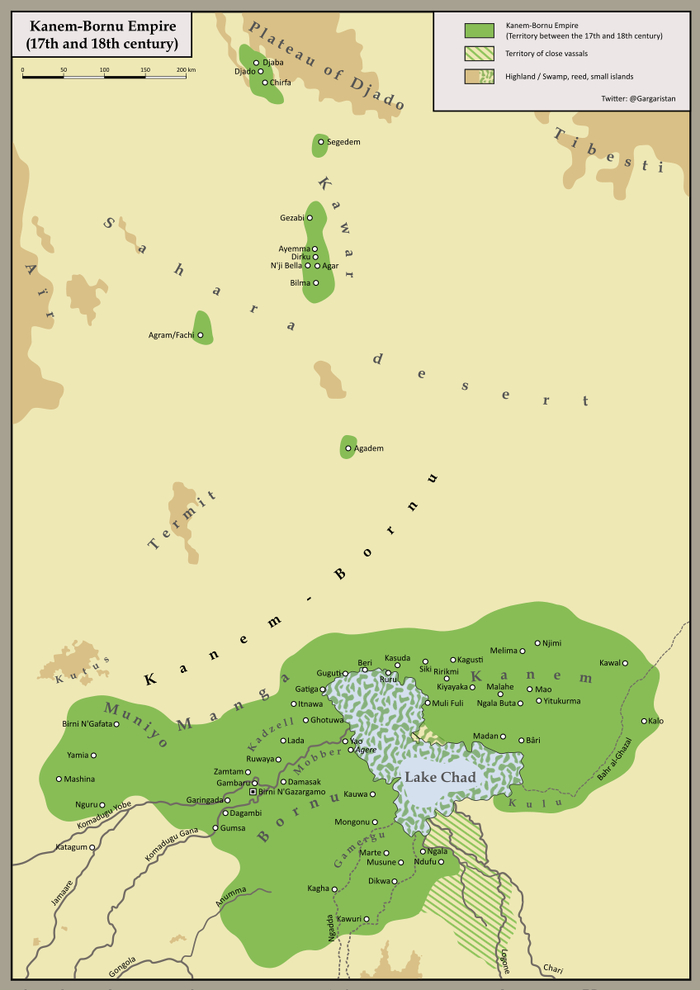
The Kanem Empire was founded by Kanuri-speaking nomads in the 9th century AD. It lasted as the independent kingdom of Bornu until 1893. At its height, the empire encompassed much of central Africa. From the 11th century, rulers of the Islamic Sefawa dynasty took over and ruled from their capital at Njimi north of Lake Chad for the next 770 years (one of the longest-lasting dynasties in human history). It dominated the trans-Saharan trade in ivory and slaves. Under attack from the Bilala, the Sefawa moved their capital to Bornu, a tributary state to the southwest of Lake Chad. This enabled them to widen their trade network. With a powerful military, the empire gained control of the entire Sahel from Darfur (in present-day Sudan) in the east, to Hausaland (in northern Nigeria) in the west.
👁 Image
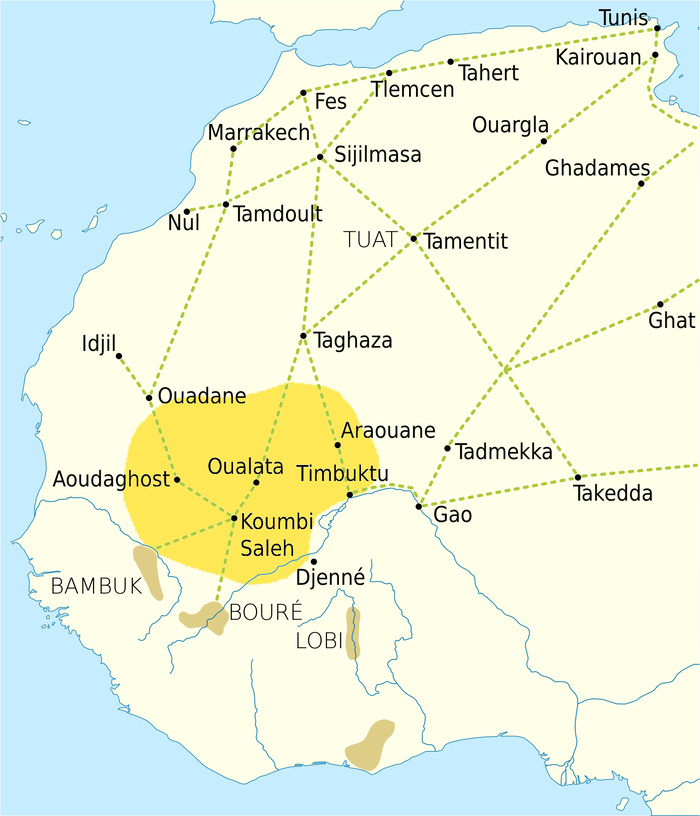
The Kingdom of Ghana (in present-day Mali and Mauritania) reached the height of its powers in the 1000s, when it controlled trade routes across the western Sahara (gold, ivory and slaves went north while West Africa received salt, cloth, beads and metal goods in return). Historians believe that the kingdom's capital was at Koumbi Saleh, on the edge of the Sahara Desert.
Ghana declined in the 13th century as the neighbouring state of Mali became increasingly powerful and took control of trans-Saharan trade.
👁 Image
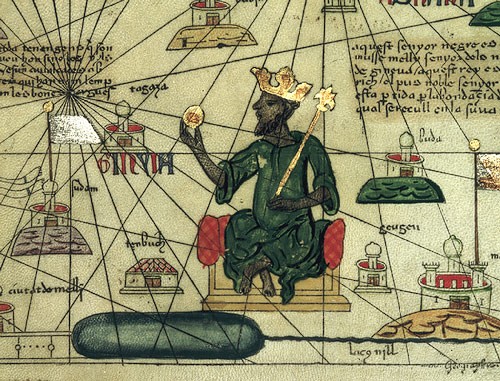
The Mali Empire emerged in the 13th century, when its founder, Sundiata Keita (c.1214–c.1255), defeated his rival, the king of the Sosso Empire, in battle in 1235. He went on to conquer the upper Niger Valley region and absorb the remains of the Ghana Empire. Islam became a court religion under Sundiata's son, and thereafter all kings of Mali were referred to by the title mansa.
👁 Image
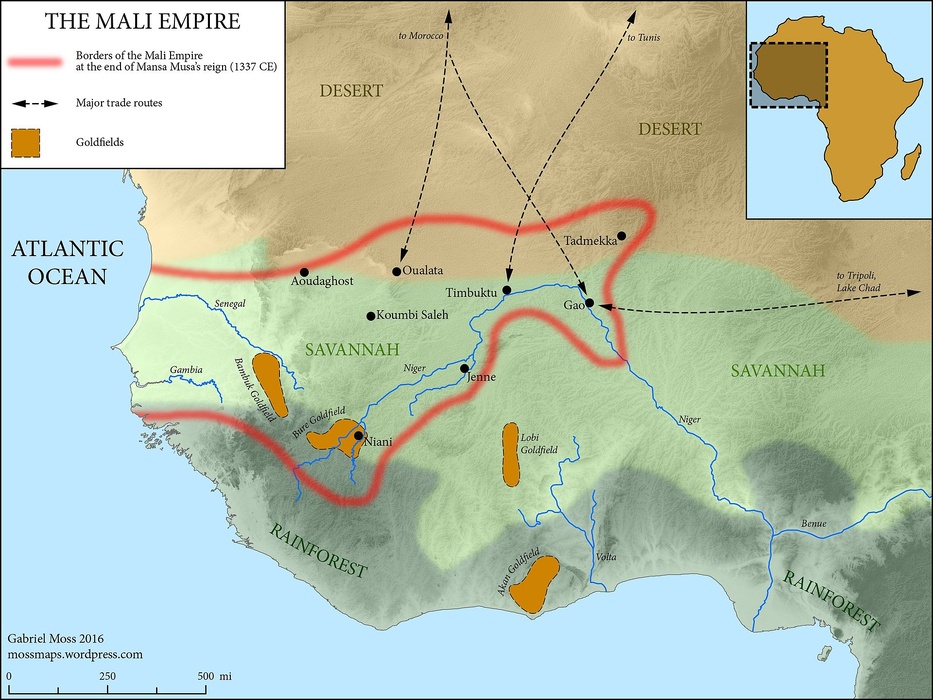
While the salt and gold trade made the Mali Empire wealthy, its people, the Mandinka (or Malinke), lived from growing sorghum, millet and rice and herding cattle, sheep, goats and camels.
👁 Image
Mali was at the peak of its power and extent in 1324–25 when Mansa Musa went on a lavish Hajj piligrimage to the Muslim holy city of Mecca. As he travelled with his 60,000 followers, Mansa Musa gave away vast quantities of gold. His fame spread as far away as Europe.
👁 Image
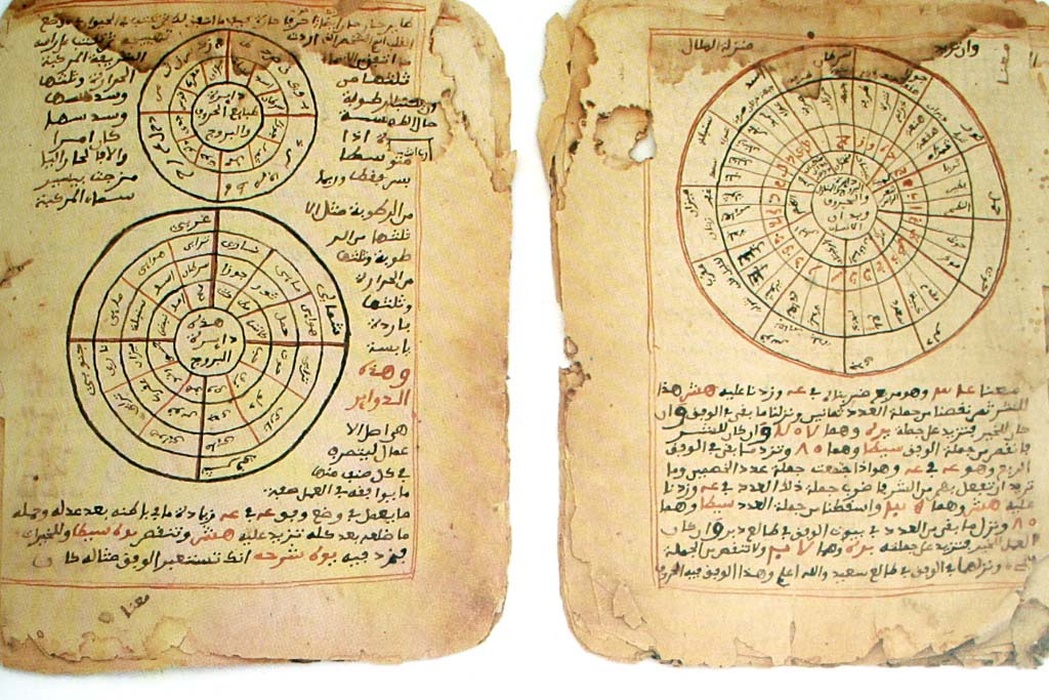
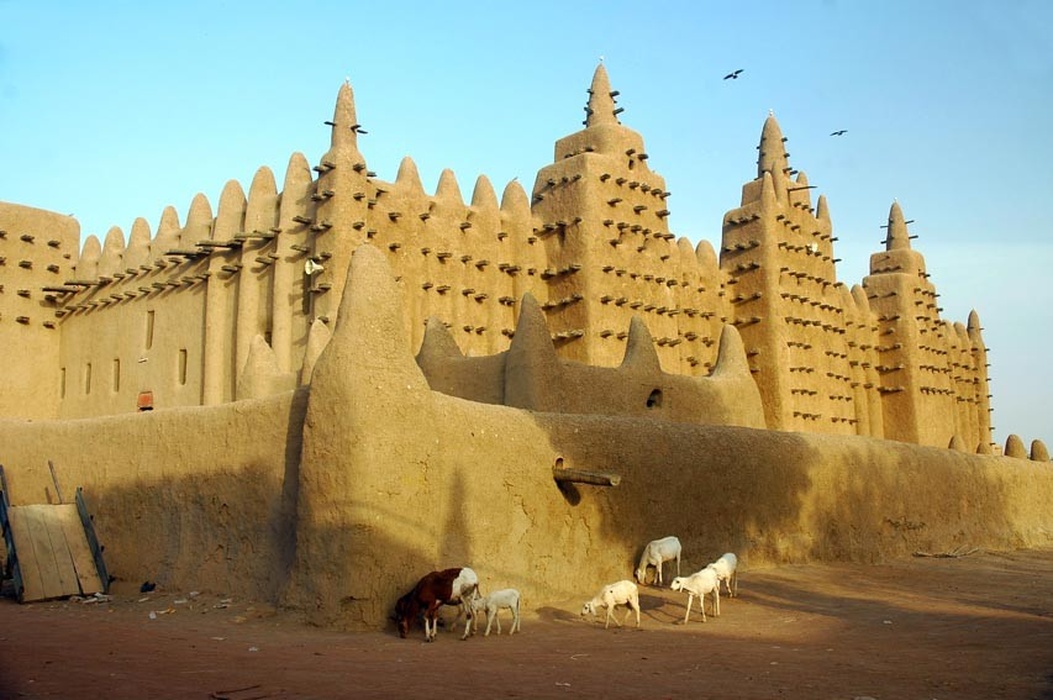
Timbuktu and Djenné became important centres of learning within the Islamic world. Mali's rulers built many mosques, including the Great Mosque at Djenné, which was first constructed during the 14th century (the present structure dates from 1907). It is made from mud brick on a timber structure. Djenné was an important city because it lay on one of the major long-distance trade routes across the Sahara. The Mali Empire went into decline in the 16th century, losing both territory and its goldfields to Morocco and to the Songhai Empire.
👁 Image
Add image to section
Add image to section
Songhai
👁 Image
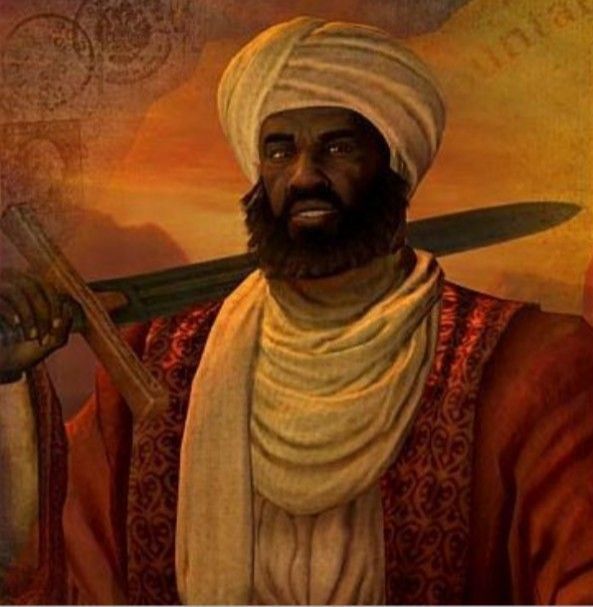
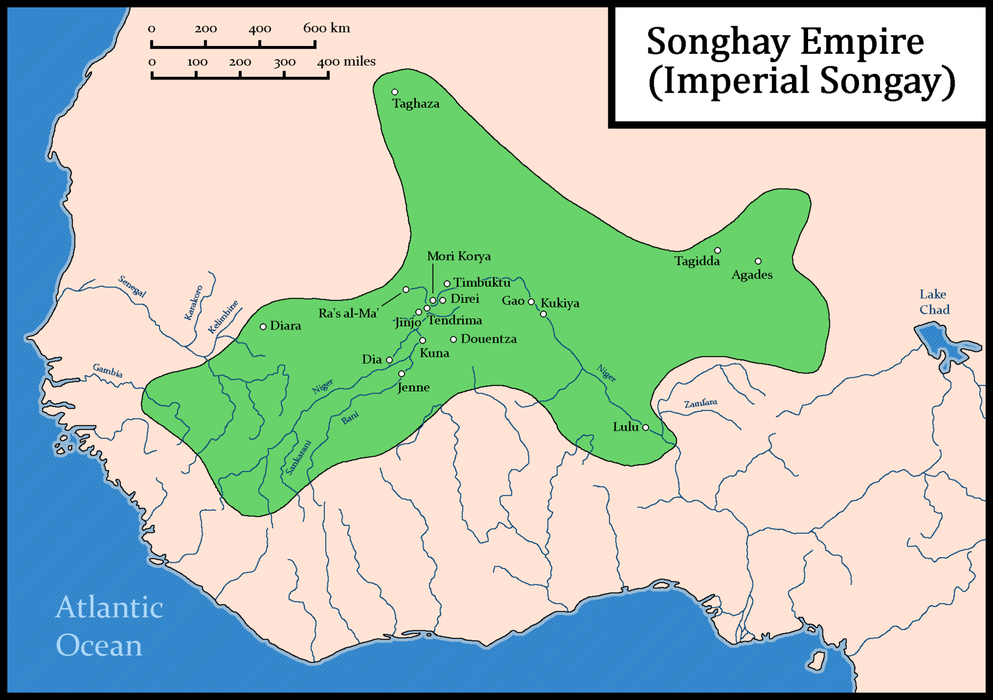
The Songhai Empire arose with the conquests of Sonni Ali in the 15th century. He captured Timbuktu from the Tuareg in 1468 before expanding his realm southwest to Djenné. Muhammad Ture, more commonly known as Askia the Great, built on Sonni Ali's conquests and re-established the trans-Saharan trade network. At its peak, the Songhai Empire was one of the largest African empires in history. Following conquest of much of its territory by the Moroccans in the late 16th and early 17th centuries, the Songhai Empire split into several smaller states.
👁 Image
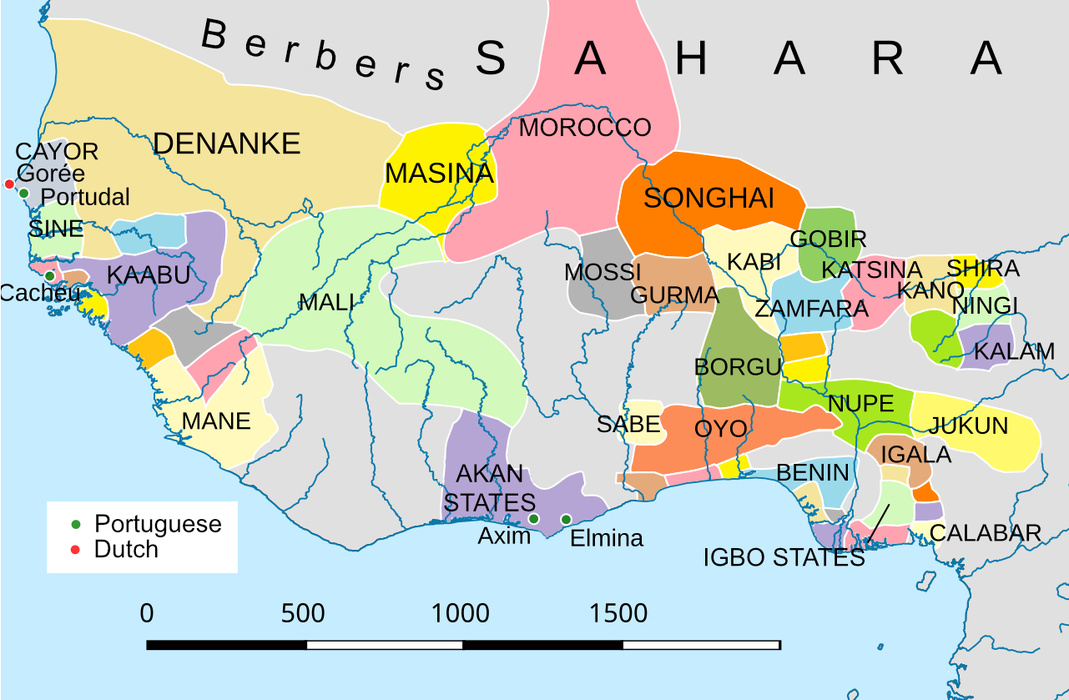
To the south of the Ghana, Mali and Songhai empires, other powerful states arose. They included: Ife, Benin, Dahomey, Asante (Ashanti), Oyo and the Hausa city-states. Although influenced by Muslim ideas from the north, the rulers of many of these states continued to practise traditional religions. Some traded gold and ivory with Europeans after the first Portuguese ships appeared on the coast of West Africa in the 1400s. You can read about the Kingdom of Benin here.
👁 Image
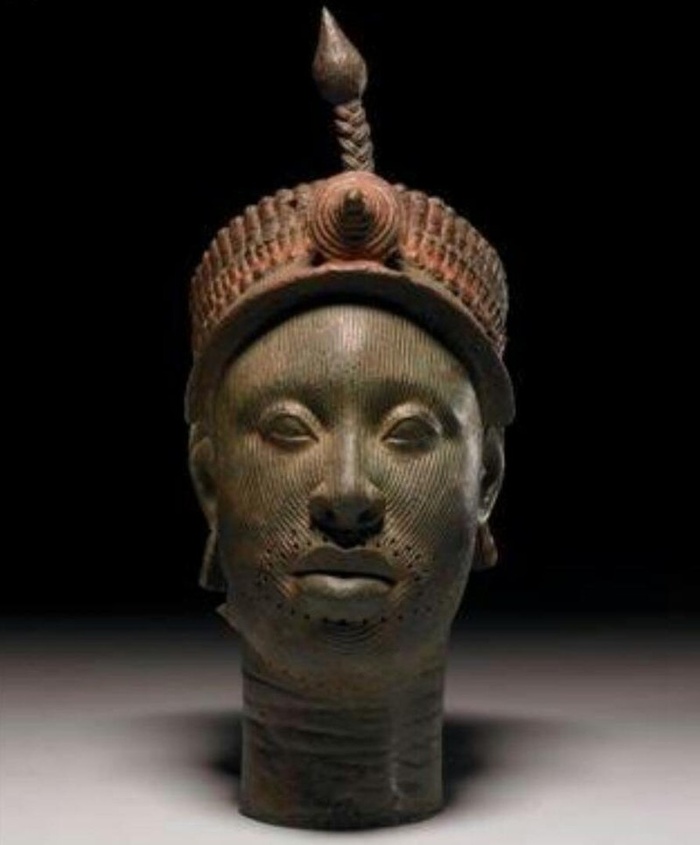
The Ife Empire, the first Yoruba empire, grew up in the rainforest belt of what is today southwestern Nigeria and eastern Benin. In legend, the empire was founded by a god-like figure called Oduduwa who triumphed over a rival leader, Obatala. The empire gained power through its connections northwards along the River Niger with the trans-Saharan trade routes. At its height, in the 14th century, the capital, Ilé-Ifè, was one of the largest cities in West Africa with a population of between 70,000 and 105,000. Local craftworkers independently invented glass. Ife merchants traded glass beads (along with ivory) for Saharan copper and salt, Mediterranean and Chinese silk, and horses. The empire eventually met its end by 1420, possibly as a result of a long drought in the region, which would have ruined crops, leading to famine.
👁 Image
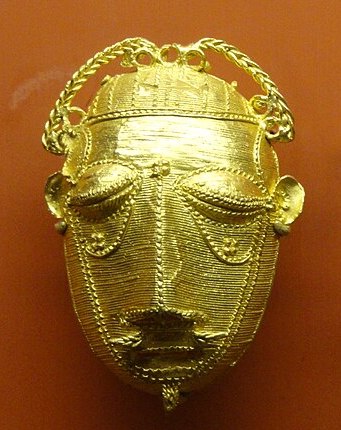
During the 16th century, the Akan-speaking people from Bono state in what is now southern Ghana experienced a sudden population growth. It resulted from the introduction of New World food crops (from trade with Portugal) such as cassava and maize, and a renewal of the gold trade between the coast and the north. The Akan also became wealthy from mining and selling gold.
👁 Image
At this time, the terrible trade in slaves started, when African captives were forcibly shipped across the Atlantic Ocean to work on plantations the Americas. The Akan sold people they had captured and enslaved from other parts of West Africa to European slave traders in return for goods such as manillas (bronze or copper bracelets, melted down and recast when they reached Africa) and guns.
👁 Image
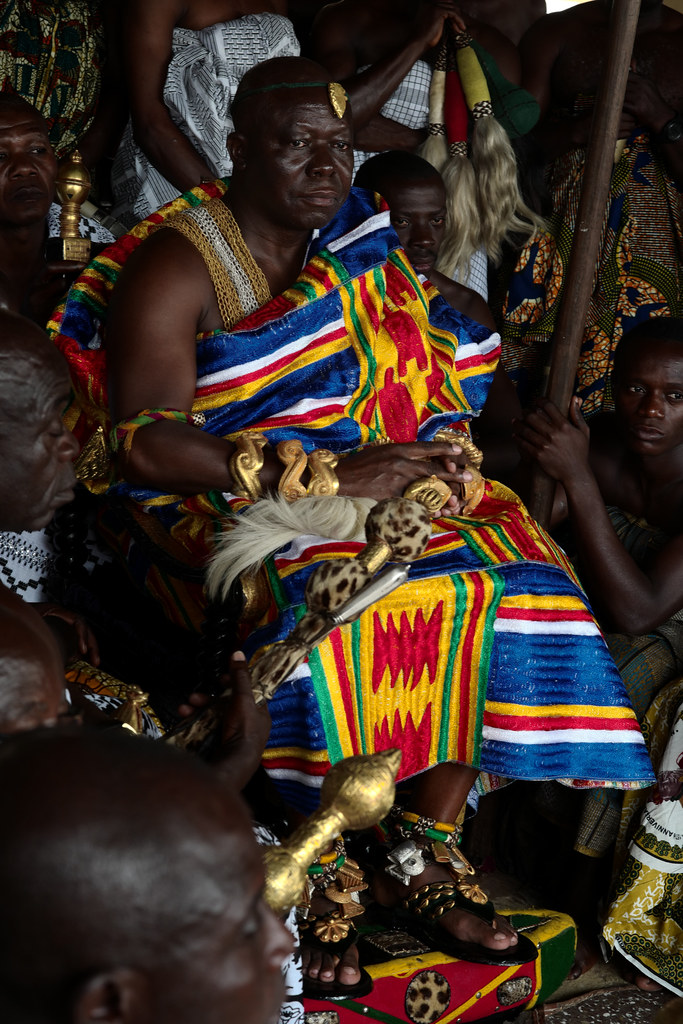
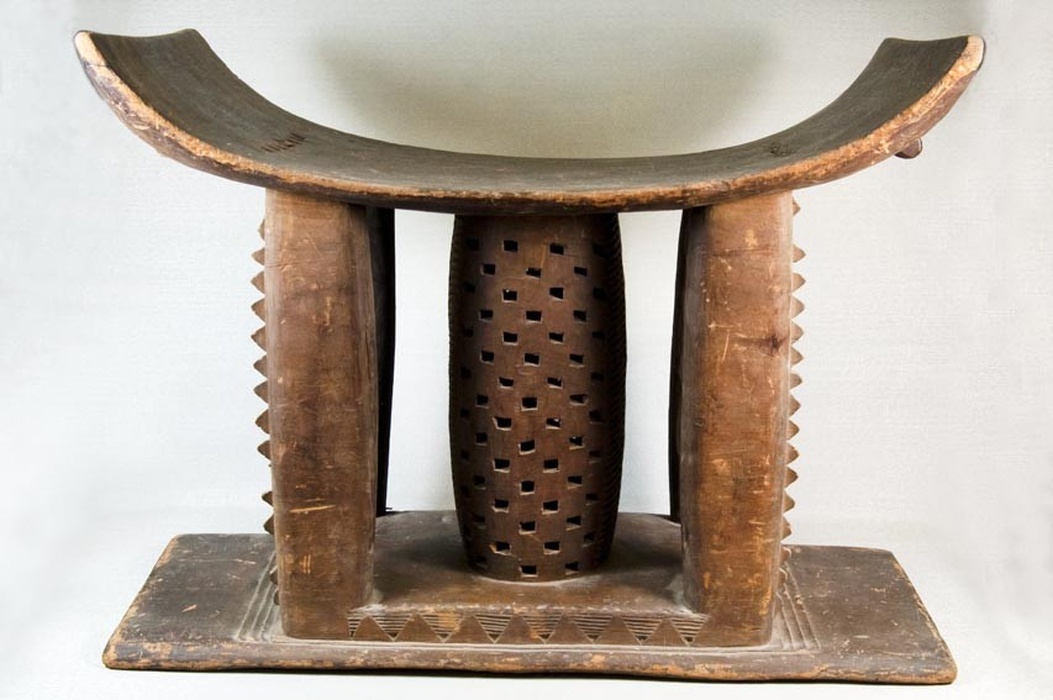
In the late 17th century, the Akan noble Osei Tutu established the Asante Kingdom, with the Golden Stool its unifying symbol. Using the powerful army he had built up, Osei Tutu set about conquering rival Akan states, such as the Denkyira (giving him access to the coastal trade with Europeans, especially the Dutch) and Dagomba (allowing him to gain control of the middle Niger trade routes). By the early 19th century, the Asante Empire included all of present-day Ghana and large parts of the Ivory Coast. Based on their capital at Kumasi, the Asantehene, as the empire's monarchs were called, lost control of their empire at the hands of the British in 1900.
Load more items (14 more in this list)

For millennia, Africa has been home to a wide variety of peoples and cultures. In the Middle Ages, some African civilizations, such as those of Benin and Mali, in west Africa, rivalled anything known in medieval Europe. Our knowledge of African history from this period is limited, because there are so few written records. Much of what we do know comes from archaeological discoveries—the physical remains, such as ruins and pottery, left behind by ancient peoples. On this page is a brief history of sub-Saharan Africa, the regions of Africa that lie south of the Sahara Desert—Central Africa, East Africa, Southern Africa and West Africa—from the Middle Ages until the arrival of the European colonial powers.
👁 Image
Added to

People who voted for this also voted for
SNL - The Best Hosts by Stehako

Western Movie Posters: Jack Hoxie by SA-512

Mayer M Flaks by Mayer M Flaks

Favourite DVDs by Nonfictionguy

- Instrumental Music by Chantal

2013 Film Diary by Ravynne McCoy

MPB Pop Art by jeffpsych

Czech and Slovak music artist by malenna

Food Network by SuperSpongy

My top films of 2013 by RedFuschia5

My top films of 1964 by RedFuschia5

The evolution of John Goodman by filmbuilder

Sevilla F. C. by SchwarzerAbt

Movie/Series collection by Yunarose

Top 10 Best Movie Scenes by filmbuilder

More lists from ❤ ❣♥ Milena ♥❣ ❤
Stunning Digital Art works and Game Character ... by ❤ ❣♥ Milena ♥❣ ❤

Latest funny animal compilation! by ❤ ❣♥ Milena ♥❣ ❤

Tv Guide - July 12 2012 by ❤ ❣♥ Milena ♥❣ ❤

Amazing and famous anime boy pictures by ❤ ❣♥ Milena ♥❣ ❤

Powerful Desktop Wallpapers That’ll Inspire You by ❤ ❣♥ Milena ♥❣ ❤

Emmy - September 18 2012 by ❤ ❣♥ Milena ♥❣ ❤

Quick Breakfast by ❤ ❣♥ Milena ♥❣ ❤