 |
VOOZH | about |
|
VOOZH | about |
11 min
read
Ask these 12 questions before hiring a no-code agency to ensure project success, platform expertise, and effective communication and support
By
Jesus Vargas
Updated on
May 29, 2026
.
Reviewed by
Real-World Experience with No-Code Tools: With over 320 apps built, we know firsthand what works—and what doesn't—when using no-code platforms like Glide, Bubble, FlutterFlow and Webflow.
Expert Team with 40+ Years of Combined Experience: Our team has deep technical knowledge, with experts who use no-code tools to solve real-world problems for clients every day, ensuring our advice is actionable and reliable.
Detailed Guides Based on Actual Projects: We don’t just talk about no-code; we use it daily to solve real business problems for our clients, from MVPs to complex automations.
Take a deeper look at our editorial guidelines
By choosing to partner with a no-code agency over a freelancer, you’ve already taken a step in the right direction. No-code agencies bring together a team of experts, structured workflows, and the ability to handle projects of any size—qualities that can make all the difference in delivering a polished and scalable product and, overall, provide you with the peace of mind that the team fully understands its mission.
But with so many agencies out there, choosing the right one can feel overwhelming, especially for first-timers. You might hear promises of quick results and low costs, but not all agencies deliver the same quality.
To avoid costly mistakes, it’s important to ask the right questions before signing any contract. As a team with years of experience in the no-code space, we know how important it is to choose an agency that fits your needs and understands your goals.
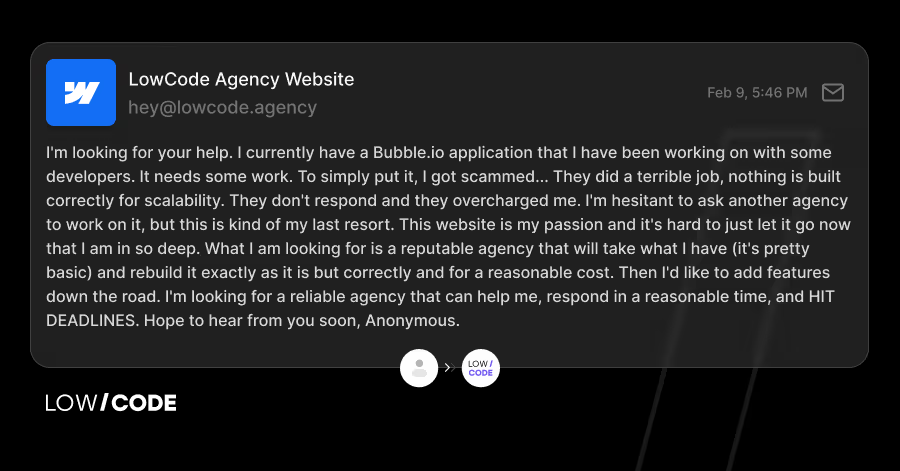
Recently, we received this email from a frustrated app owner who had a terrible experience with unreliable developers. Due to unexpected inefficiencies, the user had to change his plans and search for a trustworthy agency that could rebuild their app correctly and meet his deadlines.
In this article, we’ll guide you through the must-ask questions to ensure your chosen agency is the perfect fit for your needs. Whether you’re building your first app or upgrading an existing platform, this guide will help you make the right choice.
The first important step is to ensure that the agency understands your project requirements and goals for a successful collaboration. A no-code project, like any development process, relies on clear alignment between your vision and the agency's execution. Misalignment can lead to delays, extra costs, or a final product that does not meet your expectations.
An experienced agency doesn’t just agree with you; they offer valuable insights and alternatives based on their expertise. Pay attention to how they explain technical concepts. If they can break down complex ideas into simple, easy-to-understand terms, it’s a strong sign that they will be reliable and effective partners throughout your project.
When hiring a no-code agency, platform expertise is non-negotiable. Each no-code platform—like Bubble, FlutterFlow, Webflow, or Glide, has unique strengths and limitations, and using the right one can make or break your project. The agency should have experts who understand the details of your chosen platform.
For example,
Be cautious of agencies that say they can "build anything on any platform" without showing a proven track record. This can be a warning sign of their lack of expertise in specific tools.
Some agencies are highly specialized in one platform, meaning they may push you toward a tool even if it’s not the best fit for your needs.
At LowCode Agency, we take a different approach. With a team of experts in multiple platforms, we analyze your specific requirements and recommend the platform that best aligns with your goals, ensuring you get the best possible outcome.
A strong portfolio is a clear sign of an agency's expertise and experience. When evaluating a no-code agency, look for case studies and past projects that match your industry or the type of app you want to build. For example, if you're creating a SaaS platform, ask them to show if they have built similar apps with scalable workflows and user-friendly interfaces.
Case studies should highlight the challenges faced, the solutions implemented, and the results achieved. This shows the agency's problem-solving skills and ability to deliver value.
Don't just rely on their website—look for independent reviews on platforms like Clutch or Google Reviews. These often provide a clearer view of the agency's reliability and client satisfaction.
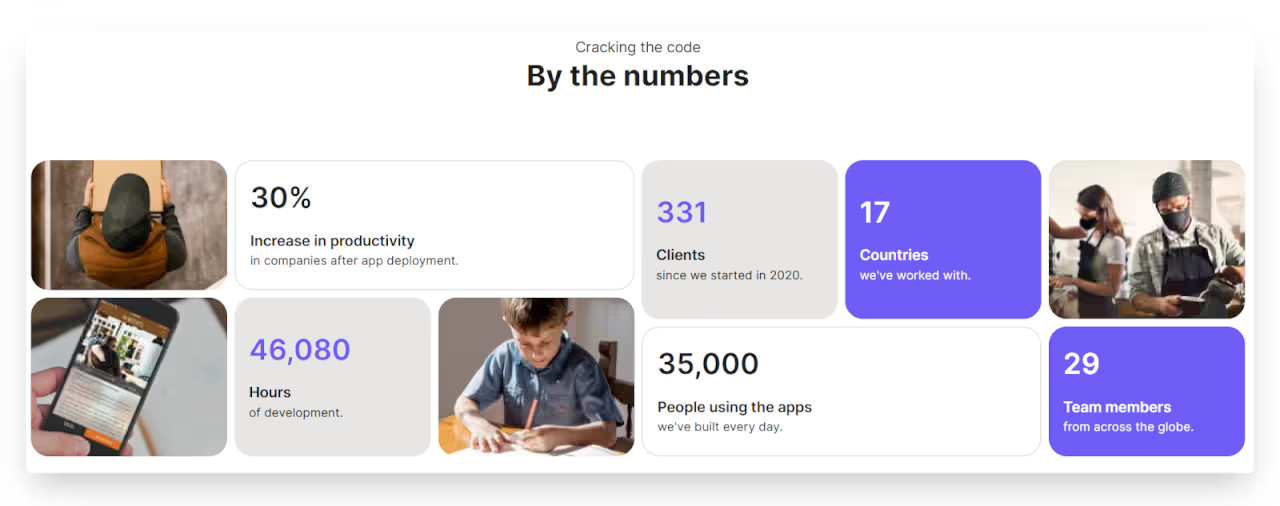
At LowCode Agency, we have built over 330 apps using no-code/low-code platforms. You can read our case studies and Clutch reviews to see how clients appreciate our work.
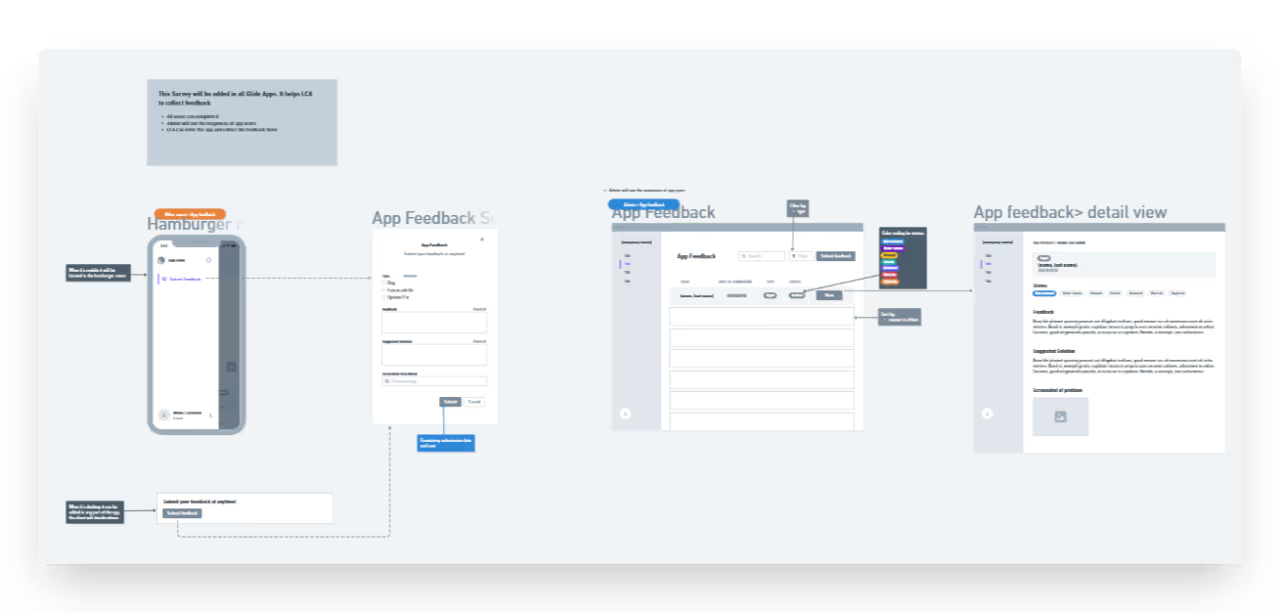
A clear and structured development process is essential for delivering a high-quality no-code app. When evaluating a no-code agency, ask how they build, iterate, and test apps. A reliable agency typically follows a process that includes discovery, design, development, testing, and deployment.
An experienced agency prioritizes testing to find and fix bugs, ensuring smooth functionality across devices. Finally, a well-defined deployment process makes sure your app goes live without issues.
Avoid agencies with vague or random processes, as they often lead to delays, miscommunication, and poor results.
Quality assurance goes beyond basic testing. Your agency should have a comprehensive system for checking functionality, performance, and user experience before any release.
They should explain their testing procedures and how they handle bug fixes both during development and after launch. A strong QA process prevents issues before they reach users and ensures your app runs smoothly.
Clear communication prevents misunderstandings and keeps your project on track. Your agency should set expectations about update frequency and their preferred communication tools from day one.
Find out what communication tools they use. Platforms like Slack, Trello, or Asana can be used for communication or project management, while Zoom or Google Meet can be used for detailed discussions, with tools like an AI note taker for Google Meet helping capture key points and feedback automatically.
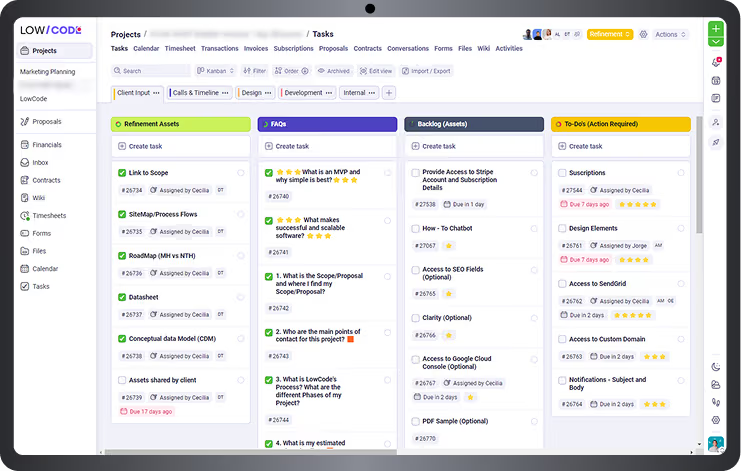
For instance, at LowCode Agency, we have a custom internal tool where clients can see tasks, track progress, and communicate with the team.
Agencies with poor communication or irregular updates can cause delays and lead to unsatisfactory results. Choose an agency that values clear and open communication and prioritizes your input throughout the process.
Knowing who your main point of contact will be is essential for smooth communication throughout your project. In a no-code agency, this role is typically handled by a dedicated project manager who acts as the bridge between you and the development team. A project manager ensures your requirements are clearly communicated, milestones are met, and any issues are promptly addressed.
Understanding the key team members involved in your project is equally important. Ask about the roles of specialists, such as designers or no-code developers, and how they collaborate to bring your app to life. This provides clarity and confidence in the process.
Be cautious with agencies that don’t assign a dedicated point of contact. Without a clear liaison, you might face communication gaps, misaligned expectations, or delays.
Feedback implementation can make or break your project's success. Your agency should have a clear process for collecting, evaluating, and incorporating your input without derailing development timelines.
Some agencies establish structured feedback loops with specific checkpoints during development. Understanding how many revision rounds are included and how they handle feedback that impacts scope helps set realistic expectations from the start.
Pay attention to how they've managed feedback in past projects since this often reveals their true flexibility and client focus. Clear communication about feedback deadlines and turnaround times is equally important.
No project goes exactly as planned, so it’s important to know how an agency deals with unexpected challenges or changes in scope. Adaptability is crucial in no-code development since requirements can change as the project moves forward or new needs arise. A dependable agency will have a structured yet flexible approach to handle these changes without disrupting timelines or increasing costs.
Inquire about their change management process—how they assess new requirements, communicate the effects on timelines and budgets, and seek your approval before moving forward. This ensures transparency and keeps you in control of decisions.
Avoid agencies that do not have a clear process for managing scope changes, as this can lead to confusion, delays, and unexpected costs. Flexibility combined with a structured framework is a sign of a capable agency.
Most modern apps require integration with external services. The agency you choose should have experience connecting apps with payment gateways, APIs, and other third-party tools. This experience is particularly crucial for features like payment processing, authentication systems, or data synchronization.
Understand their approach to integrations and any platform limitations upfront. Ask about their experience with specific services you might need, such as Stripe or PayPal for payments. A knowledgeable agency will explain both possibilities and limitations clearly.
Your app should be built with future growth in mind. Ensure your agency can implement integrations in a way that allows for updates, scalability, and additions as your business needs to evolve.
Post-launch support is crucial for long-term success. Understand what's included in your agency's package, including response times for critical issues and costs for ongoing maintenance.
A comprehensive support plan should cover maintenance, bug fixes, and feature updates. Ask about their response times for different types of issues—from critical bugs that affect core functionality to minor problems.
Clear support terms help you plan for the future and ensure your app stays updated and running smoothly. Get specific details about pricing:
A clear and detailed contract is essential for ensuring transparency and avoiding misunderstandings. It should clearly outline the project scope, timelines, payment terms, and deliverables. Pay special attention to important clauses such as ownership rights, making sure you retain full rights to the app, and any ongoing costs for maintenance or updates.
If your project involves sensitive or proprietary information, look for a non-disclosure agreement (NDA). A well-defined contract protects both parties and ensures accountability. Be careful with vague agreements that lack specifics, as these can lead to disputes or unexpected costs later on.
At LowCode Agency, we have built over 330 successful apps using leading no-code platforms like Bubble, FlutterFlow, Glide, and Webflow. We have a team of expert no-code developers, designers, and dedicated project managers who collaborate to deliver outstanding results.
Our structured development process has been refined through years of experience. From RedZone, a business app for the sewer inspection industry workers that boosted efficiency by 40%, to TEN's event production platform that revolutionized talent acquisition, we've helped businesses across industries transform their ideas into reality, or RentFund, which secured a 3M valuation after we developed their MVP. We have other successful case studies you can review to find out how we work.
We pride ourselves on clear communication and dedicated project management. Every client works with a specialized team led by an experienced project manager who ensures your vision is translated accurately into a powerful, scalable application.
Have an idea for your next no-code app? Let’s turn your vision into reality.
Contact us to discuss your project, explore our case studies to see how we’ve helped businesses like yours succeed, or read our client reviews on Clutch to learn more about our proven approach. Together, we’ll build an app that delivers results!
Choosing the right no-code agency can make a big difference between a successful app and a frustrating experience. The questions listed above will help you evaluate agencies based on important factors like expertise, communication, adaptability, and transparency. By asking these 12 questions, you can ensure the agency understands your goals, uses the right tools, and delivers quality results.
Look for an agency that is clear about their processes, has proven experience with your preferred platform, and provides ongoing support to keep your app running smoothly after launch. Transparency, experience, and a well-organized approach to development are key for successful collaboration.
Last updated on
May 29, 2026
.
Jesus Vargas
-
Founder
Jesus is a visionary entrepreneur and tech expert. After nearly a decade working in web development, he founded LowCode Agency to help businesses optimize their operations through custom software solutions.
Custom Automation Solutions
Save Hours Every Week
We automate your daily operations, save you 100+ hours a month, and position your business to scale effortlessly.
Our AI — trained on 300+ shipped products — tells you what to build, what to skip, and what it'll actually cost. No fluff.
Assess My Idea"Working with LowCode Agency was the best decision I made in 2025"
Franklin Frith
CEO at HRM
Look for agencies with proven expertise and similar projects to yours. Evaluate their communication style, development process, and past client testimonials. Ensure they have a clear understanding of your business goals and can provide relevant case studies. The right agency should offer transparency about their capabilities and limitations while demonstrating expertise in your industry.
Focus on projects similar to yours in complexity and scope. The portfolio should showcase diverse applications within their specialized platforms, demonstrating their problem-solving abilities. Look for detailed case studies that explain challenges faced and solutions implemented. Check if they've worked in your industry and can handle your specific technical requirements.
No-code development costs typically range from $2,000 to $50,000+ depending on project complexity, features required, and platform choice. Simple applications might start at the lower end, while complex platforms with custom integrations command higher budgets.
A professional no-code agency should have deep expertise in major platforms like Bubble, FlutterFlow and Glide. Rather than claiming mastery of every tool, they should specialize in specific platforms that best suit different project types and openly discuss their strengths in each.
Reputable agencies offer ongoing support and maintenance packages after launch. This typically includes bug fixes, platform updates, and feature enhancements. Support terms, response times, and costs should be clearly outlined in your agreement.
AI
No-code/Low-code
How to Build Generative AI Apps with Low-code
Learn how to build generative AI apps with low-code, covering use cases, architecture, costs, security, and scaling to launch faster with less risk.
AI
No-code/Low-code
Drunk Business Advice with Kristin & Jesus | From MVP Myths to Real AI ROI and Low-Code Success
Jesus Vargas shares lessons from building 330+ no-code apps, tackling AI hype, MVP mistakes, and growing LowCode Agency on Drunk Business Advice.
No-code/Low-code
Low-code vs No-code [Key Differences Explained]
Learn the real differences between low-code and no-code platforms. See how they work, where each fits, and which one is right for your project.
AI
Business Automation
No-code/Low-code
Best AI No-code Inventory Management Tools in 2026
Discover the best AI no-code inventory management tools in 2026. Compare features, automation capabilities, pricing, and choose the right tool for your business.
No-code/Low-code
Rapid Web App Development | Tools, Steps, & Best Practices
Build and launch web apps faster with top tools, proven steps, and no-code best practices—without sacrificing quality or user experience
No-code/Low-code
What Are Low-code Tools? [Features, and Examples]
Learn what low-code tools are, how they work, and see real examples used to build apps faster. A clear guide covering features, use cases, and benefits.






![👁 Low-code vs No-code [Key Differences Explained]](https://cdn.prod.website-files.com/61cbe22a00483909d327afc6/69de878c902970291a8e4079_69b2c832a1606ed9c53e2e83_low-code-vs-no-code.avif)
![👁 What Are Low-code Tools? [Features, and Examples]](https://cdn.prod.website-files.com/61cbe22a00483909d327afc6/69de878d902970291a8e40ea_69b2c0ed22d1ae8689dc9420_what-are-low-code-tools-.avif)


