

























Roman
The Nancy Grace Roman Space Telescope will settle essential questions in the areas of dark energy, exoplanets, and astrophysics.
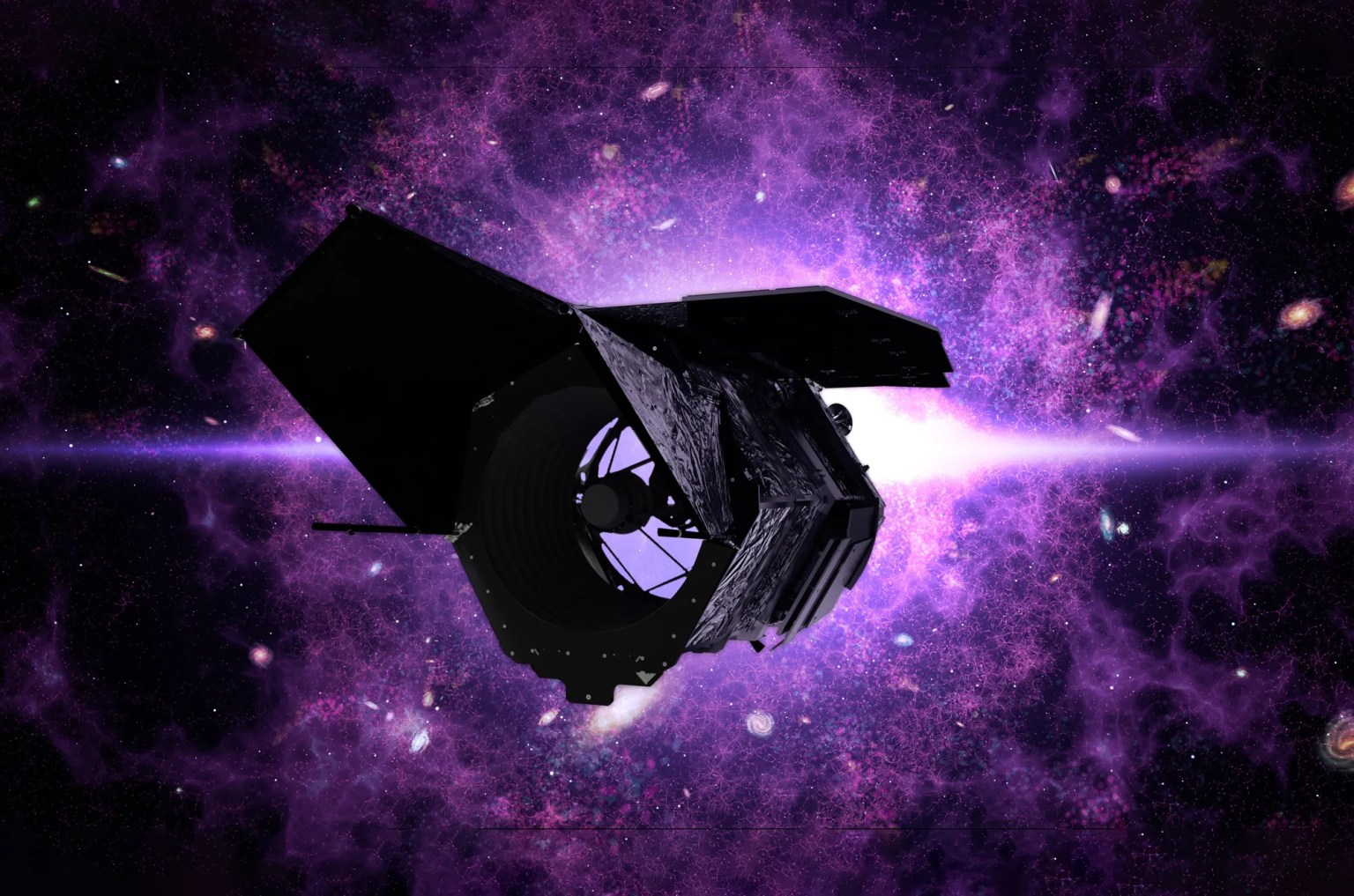
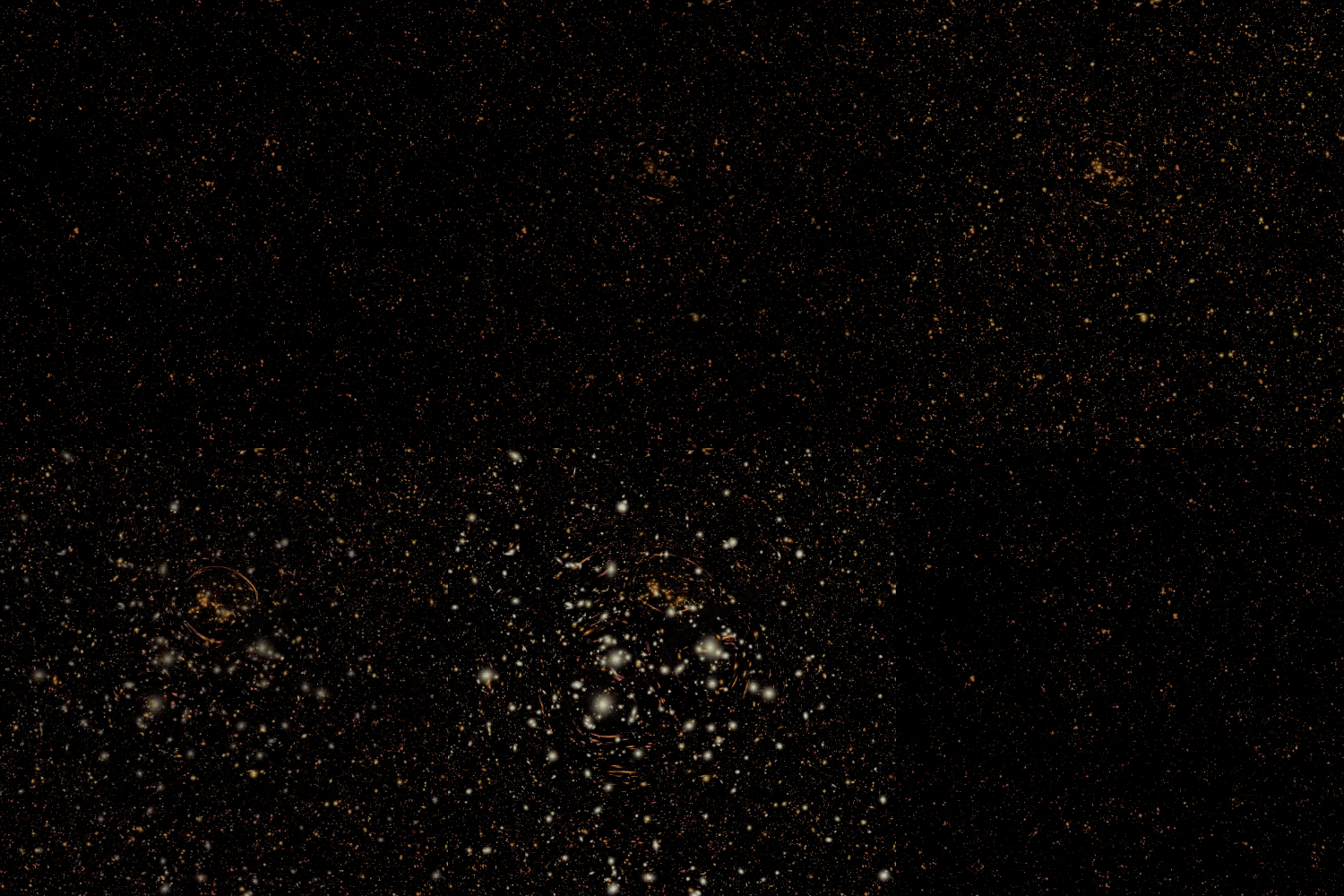
Named after NASA’s first chief astronomer, the ‘mother of the Hubble Space Telescope,’ the Nancy Grace Roman Space Telescope will have a field of view at least 100 times larger than Hubble's, potentially measuring light from a billion galaxies in its lifetime. This observatory will also be able to block starlight to directly see exoplanets and planet-forming disks, complete a statistical census of planetary systems in our galaxy, and settle essential questions in the areas of dark energy, exoplanets, and infrared astrophysics.
Type
Launch
Target
Objective
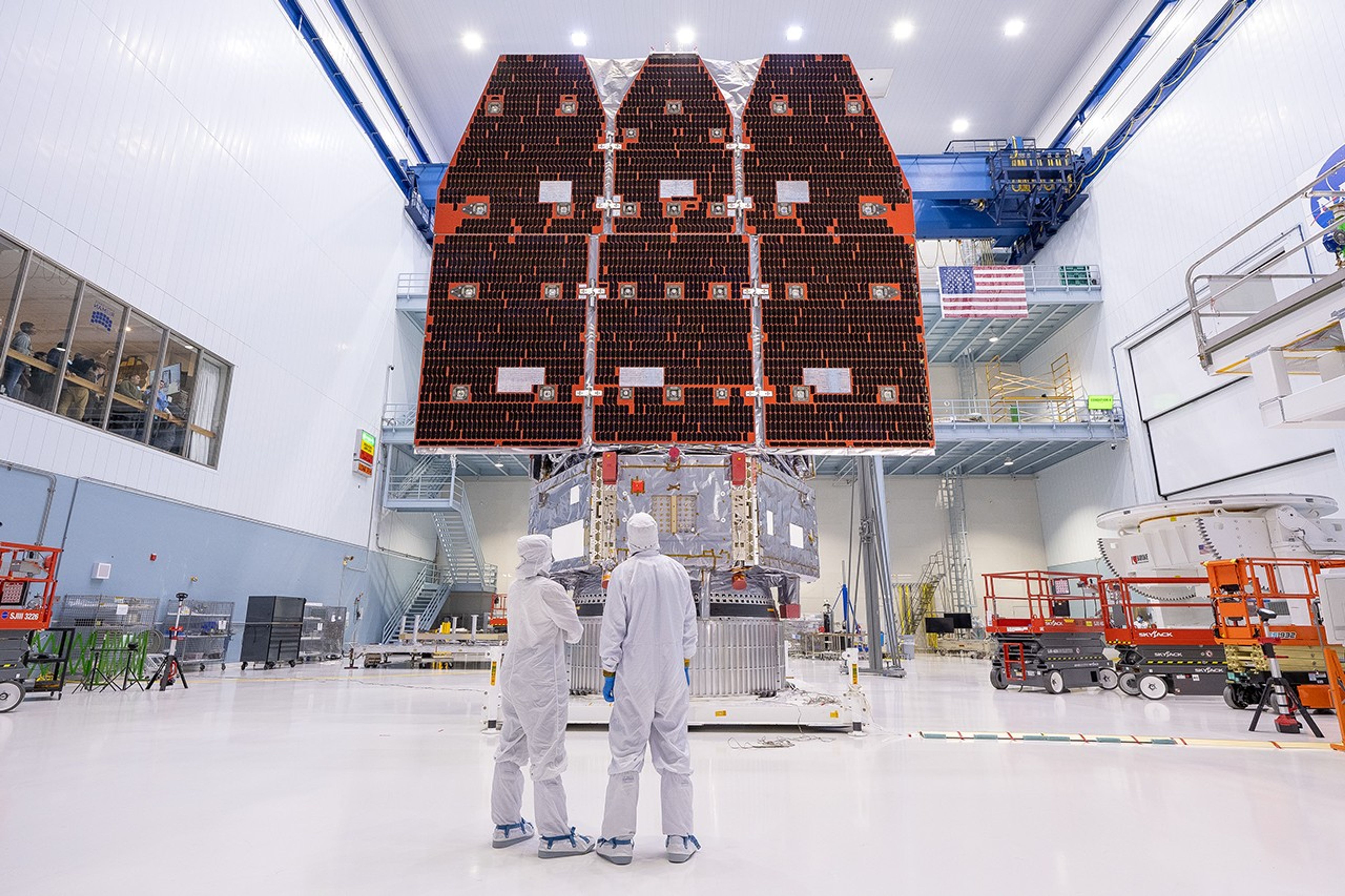
Go to the Scientific Visualization Studio for more on this video | View all Roman Quarterly Hardware Highlights
Credit : NASA's Goddard Space Flight Center
Roman Stories

Special Features
Roman's Wide Field Instrument
Search for the hidden clues to understanding the Wide Field Instrument in this retro video game inspired NASA poster
The Wide-Field Instrument (WFI), the primary instrument aboard NASA’s Nancy Grace Roman Space Telescope, is a 300-megapixel visible and infrared...
Ready to play? about Roman's Wide Field Instrument
Roman's Coronagraph Instrument
Search for the hidden clues to understanding the Coronagraph in this pinball game inspired NASA poster
NASA’s Roman Coronagraph Instrument will greatly advance our ability to directly image exoplanets, or planets and disks around other stars....
Are you a pinball wizard? about Roman's Coronagraph Instrument
How NASA’s Roman Space Telescope Will Chronicle the Active Cosmos
NASA’s Nancy Grace Roman Space Telescope will pair space-based observations with a broad field of view to unveil the dynamic…
Read the Story
Explore Roman
View the Roman Space Telescope from every angle, check the completion status, and discover where the pieces are being built.
View the Roman Interactive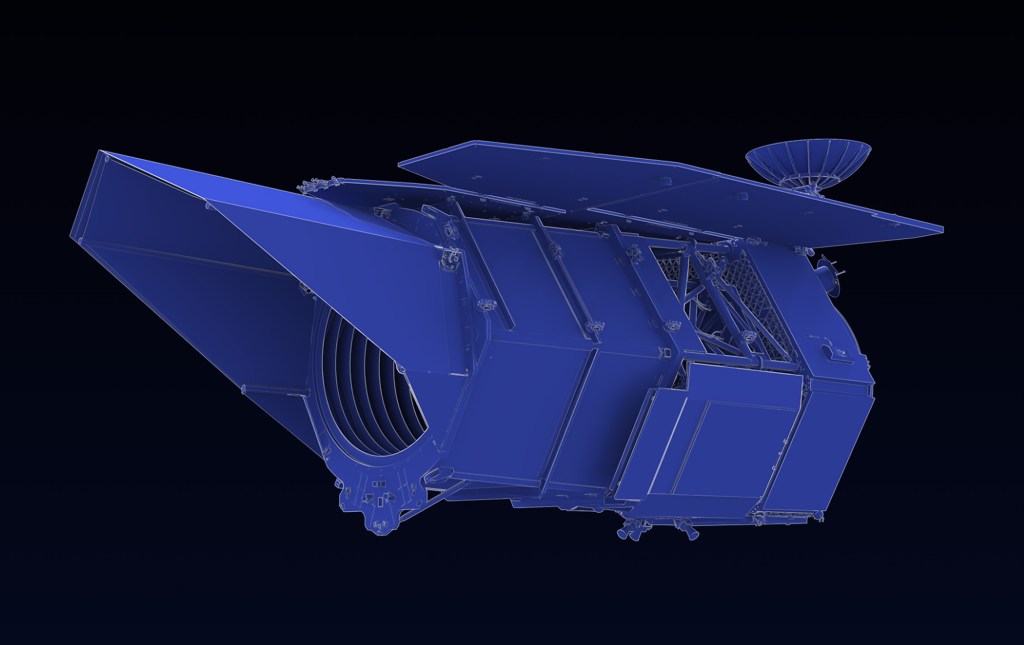
Discover More Topics From NASA
James Webb Space Telescope
Webb is the premier observatory of the next decade, serving thousands of astronomers worldwide. It studies every phase in the…
Exoplanets
Hubble Space Telescope
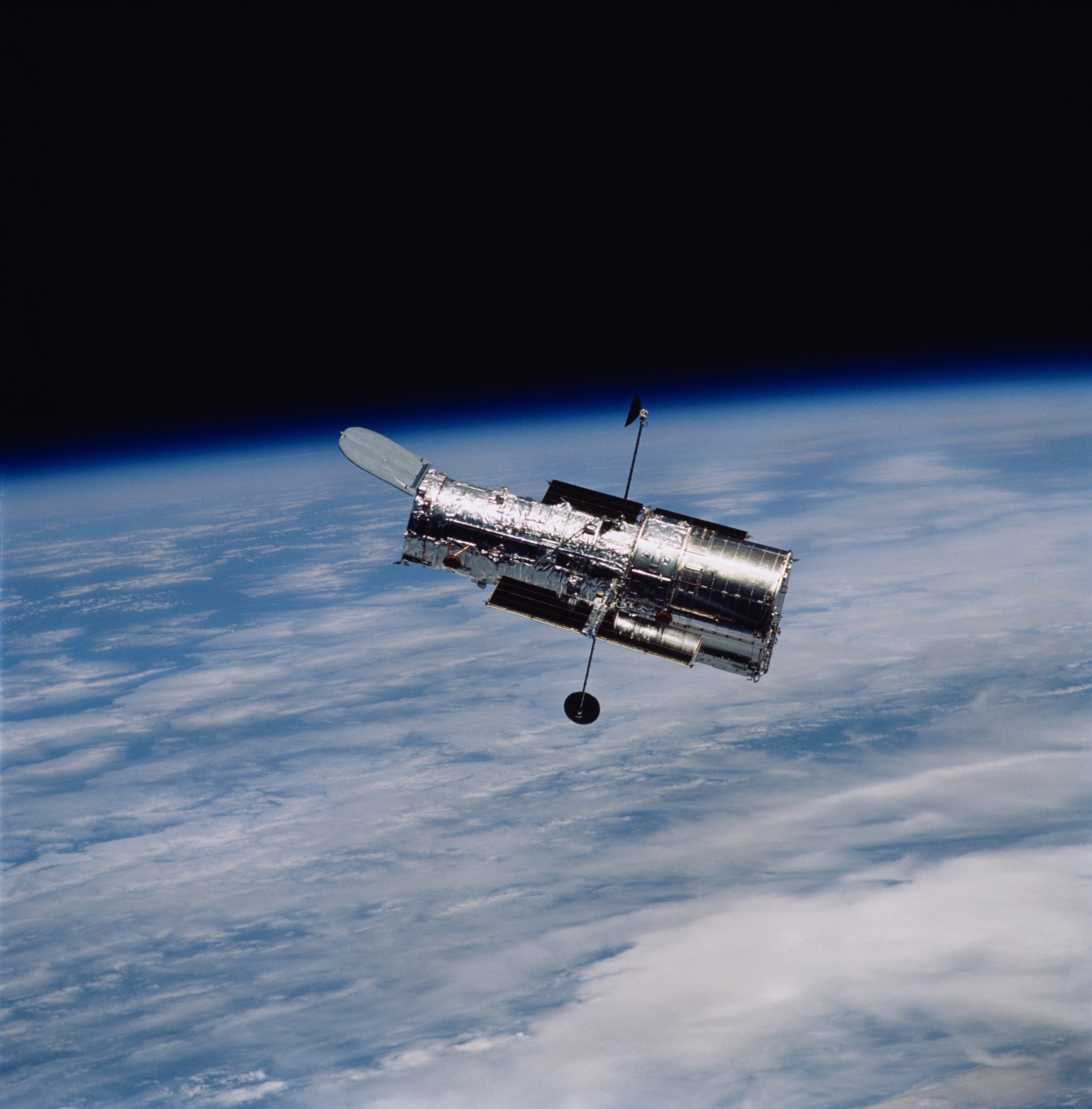
Since its 1990 launch, the Hubble Space Telescope has changed our fundamental understanding of the universe.
Galaxies
