Radioisotope Power Systems
Space nuclear power to explore the deepest, dustiest, darkest, and most distant regions of our solar system and beyond.
NOW
Active Missions
Years in Service at NASA
Active Missions


Introduction
RPS — short for radioisotope power systems — is a type of nuclear energy technology that uses heat to produce electric power for operating spacecraft systems in the darkest, dustiest, and most distant places in our solar system. That heat is produced by the natural radioactive decay of plutonium-238.
Latest News




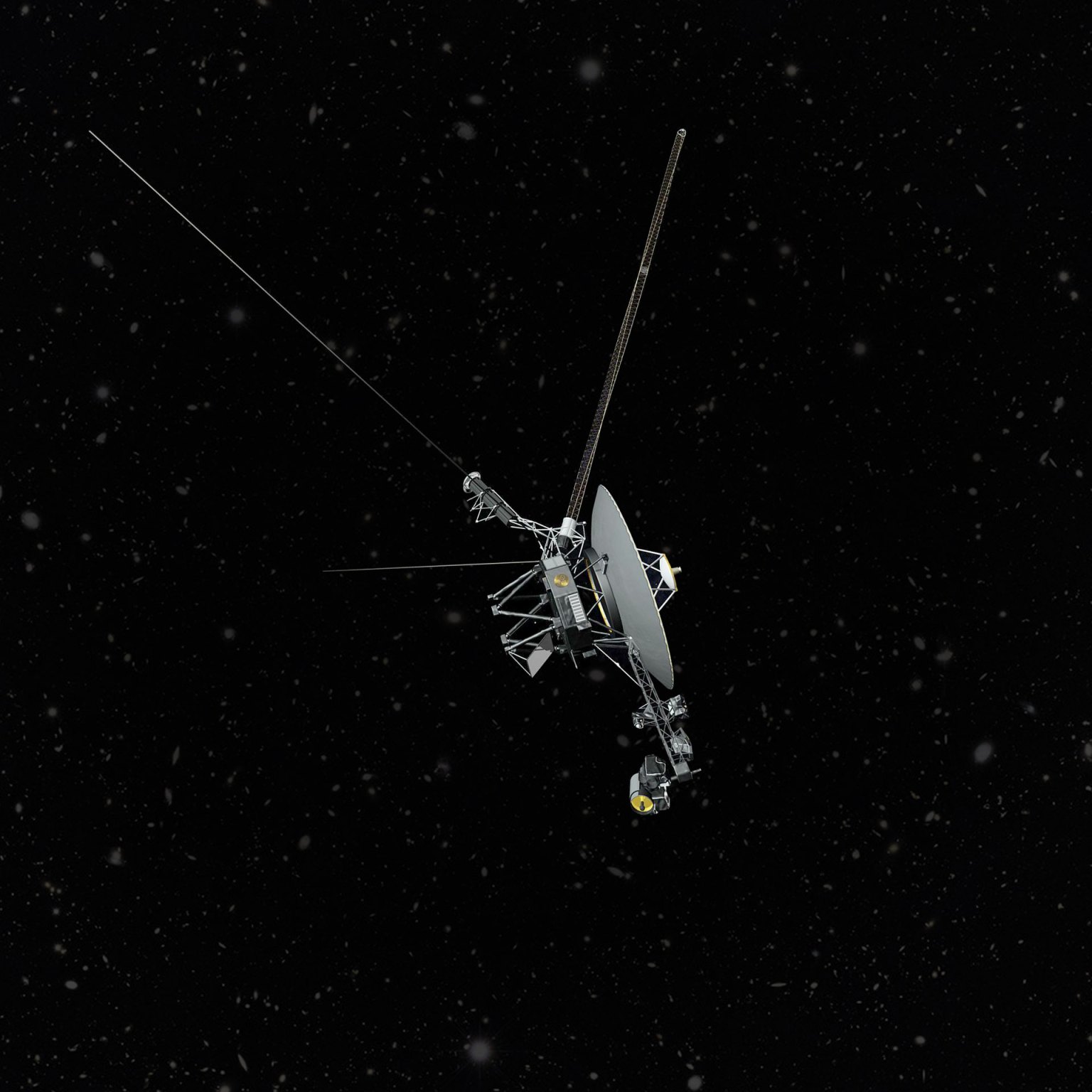
The Voyagers owe their ability to operate at such great distances from the Sun to their nuclear electric power sources, which provide the electrical power they need to function.

Dr. Edward Stone (1936-2024)
Voyager Project Scientist
Why Radioisotope Power Systems?
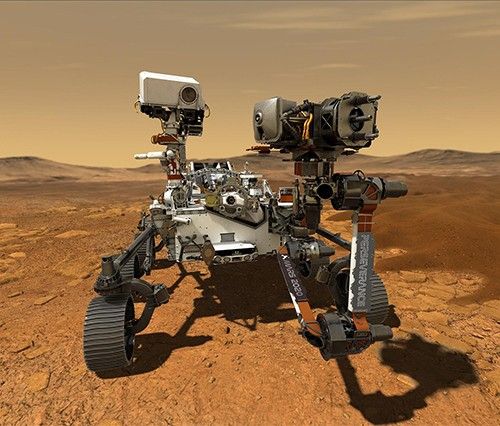
RPS provide electricity and heat that enable spacecraft to explore beyond the capabilities of solar power, chemical batteries, and fuel cells.
POWER TO EXPLORE
RPS offer the key advantage of operating continuously over long-duration space missions, largely independent of changes in sunlight, temperature, charged particle radiation, or surface conditions like thick clouds or dust.

A CRITICAL TECHNOLOGY
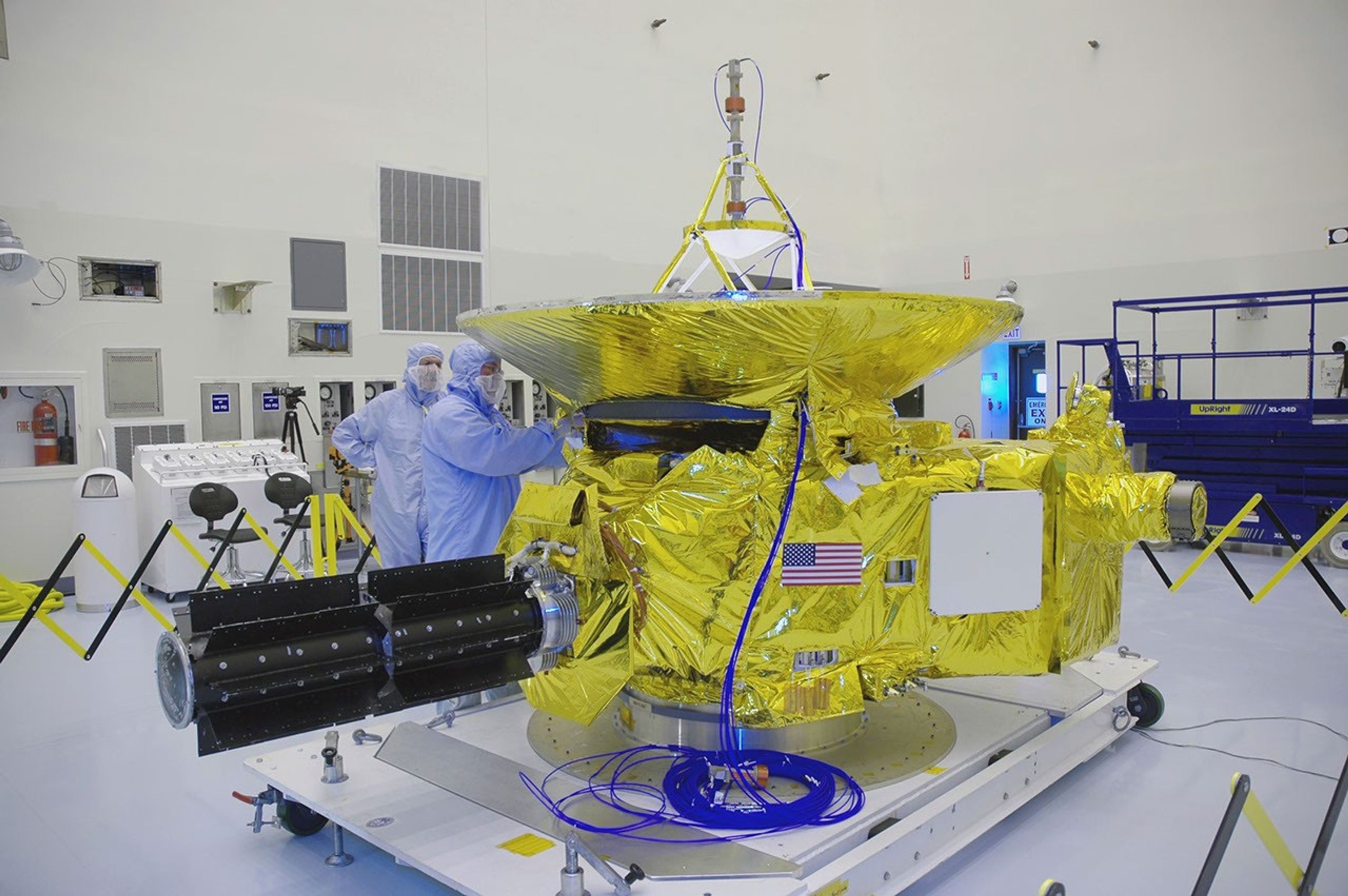
RPS are sometimes referred to as a type of "nuclear battery." Some of the excess heat produced by RPS can be used to enable spacecraft systems to operate in extremely cold environments.
A LEGACY OF EXPLORATION
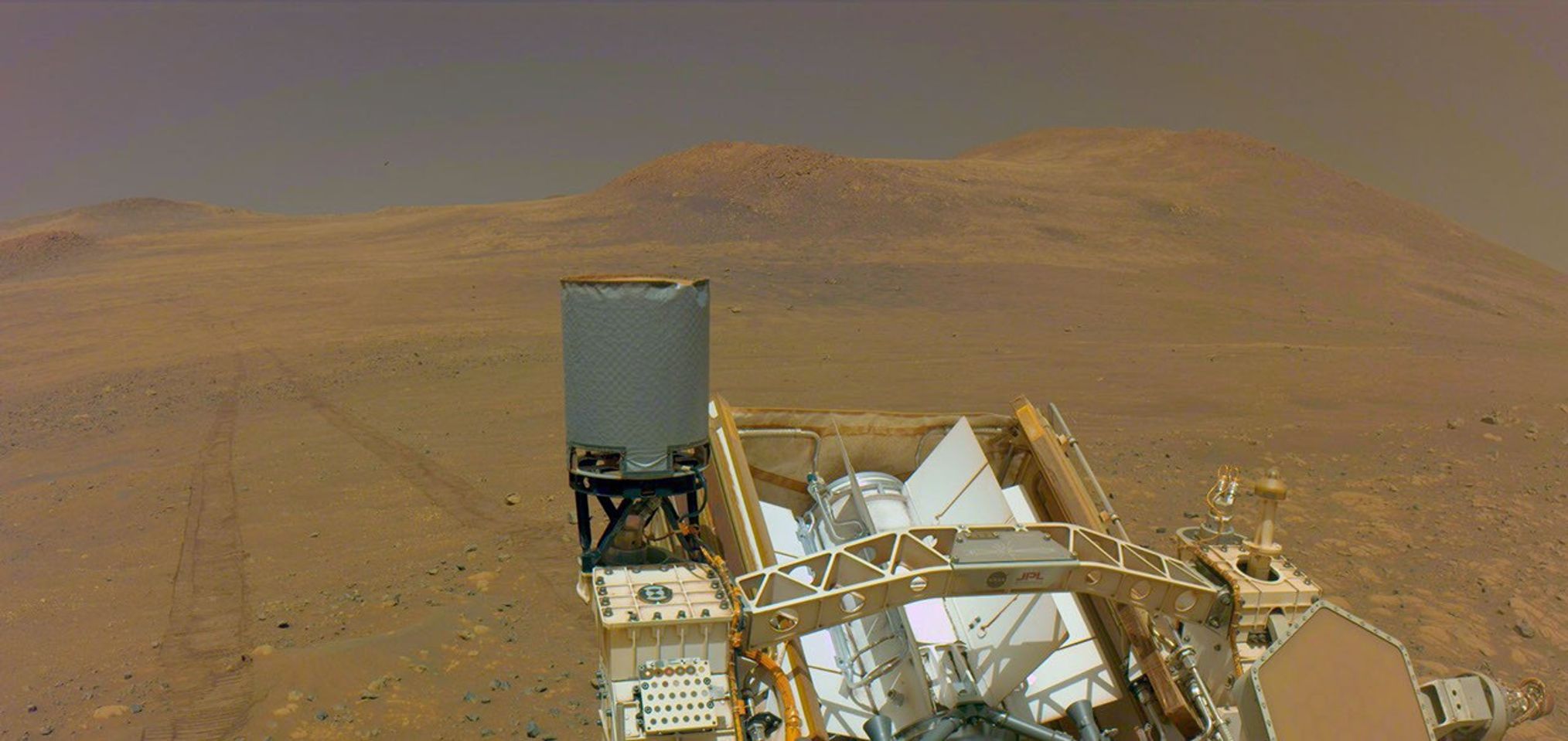
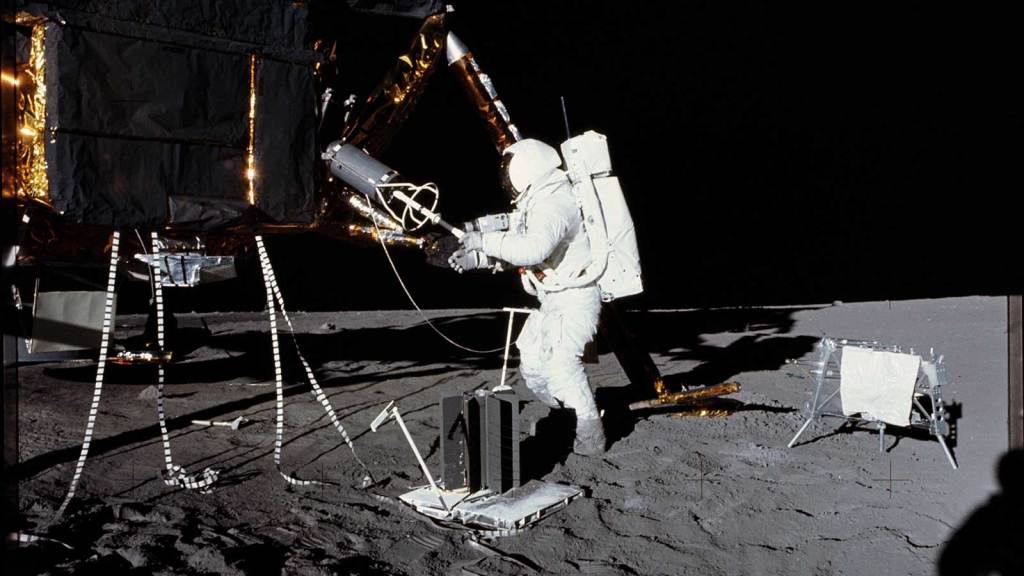
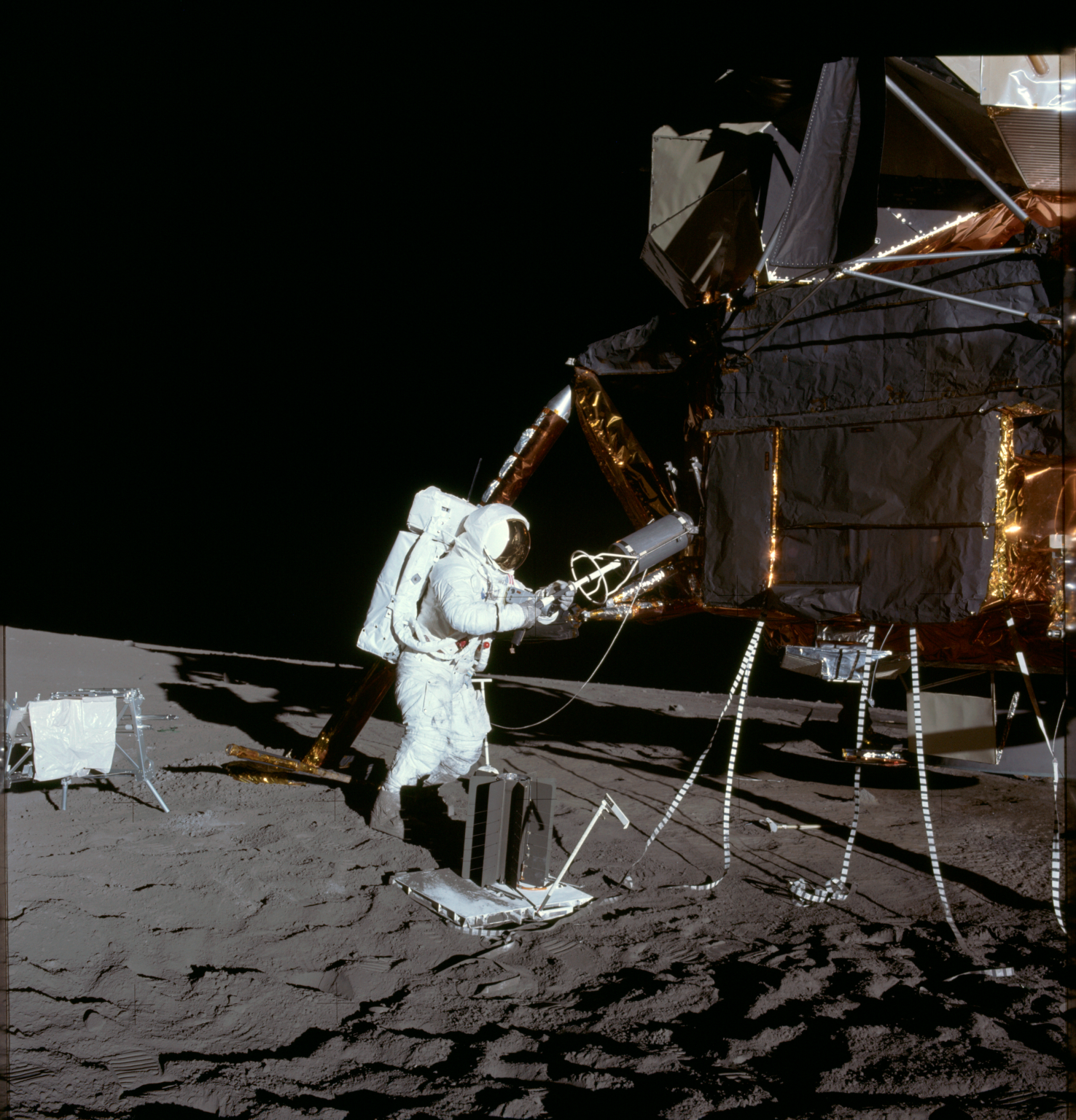
RPS have enabled NASA's exploration of the solar system since the Apollo era of the late 1960s. Twenty-four NASA missions have successfully flown with an RPS. Five RPS-powered missions are currently active.
Powered by RPS: Great Shots from Around the Solar System




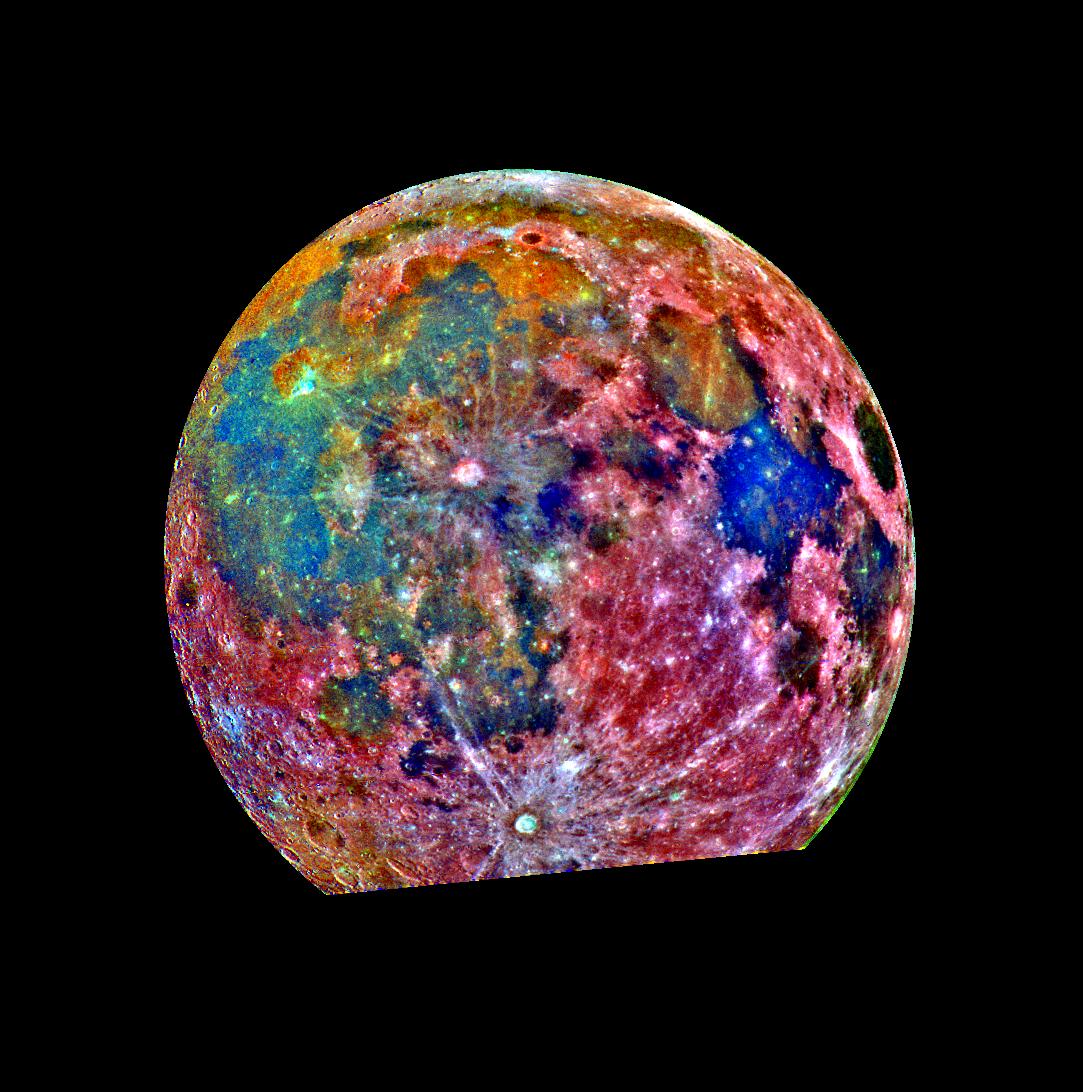


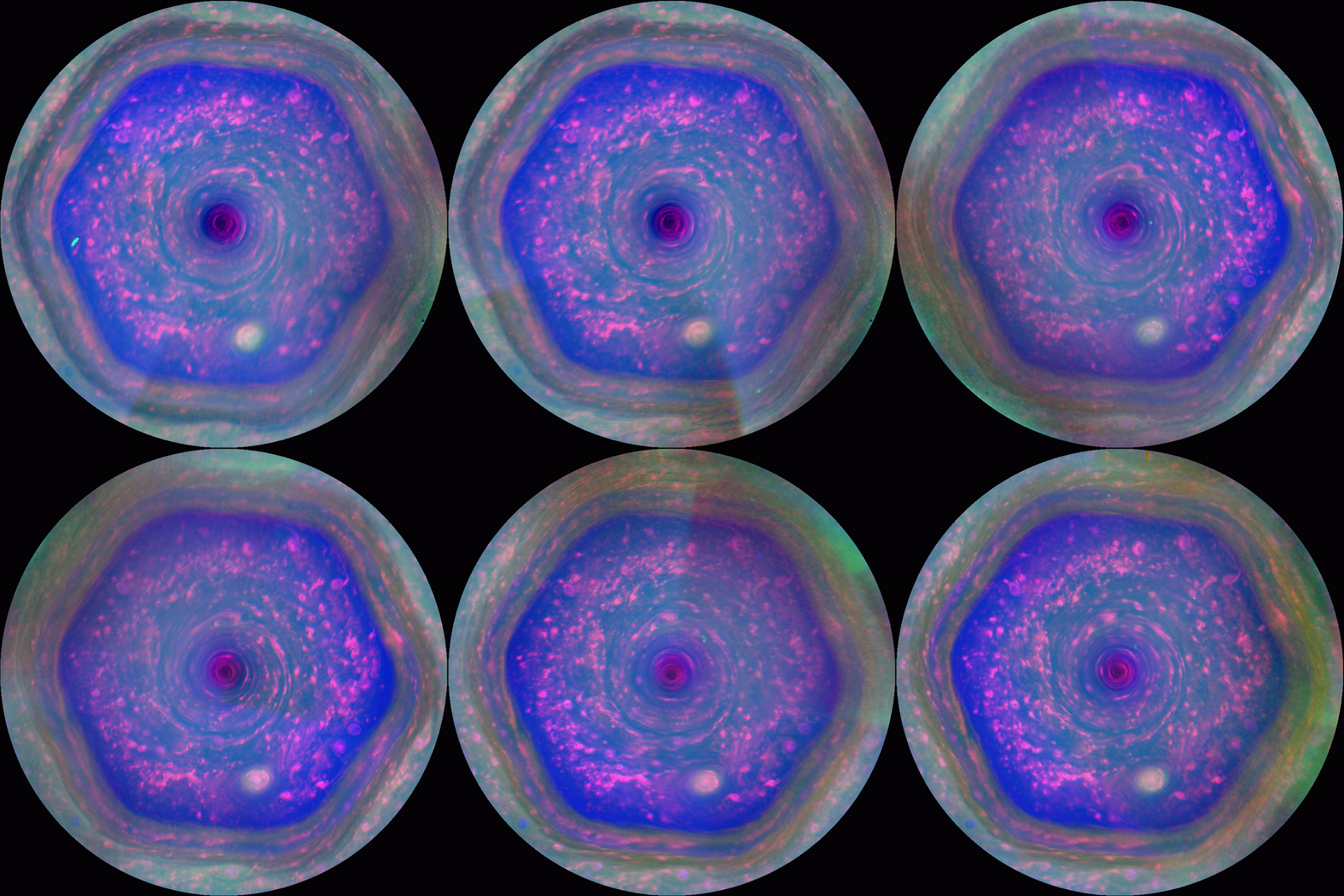

Radioisotope Power Across the Solar System
Learn More and Get Involved
2024-2025 Power to Explore Challenge Winners Announced
NASA has chosen three winners out of nine finalists in the fourth annual Power to Explore Challenge.

U.S. Department of Energy
The NASA Radioisotope Power Systems Program is a joint partnership with the U.S. Department of Energy.
More on Radioisotope Power Systems
About Radioisotope Power Systems
Choosing between solar and nuclear power for a space mission has everything to do with where a spacecraft needs to…
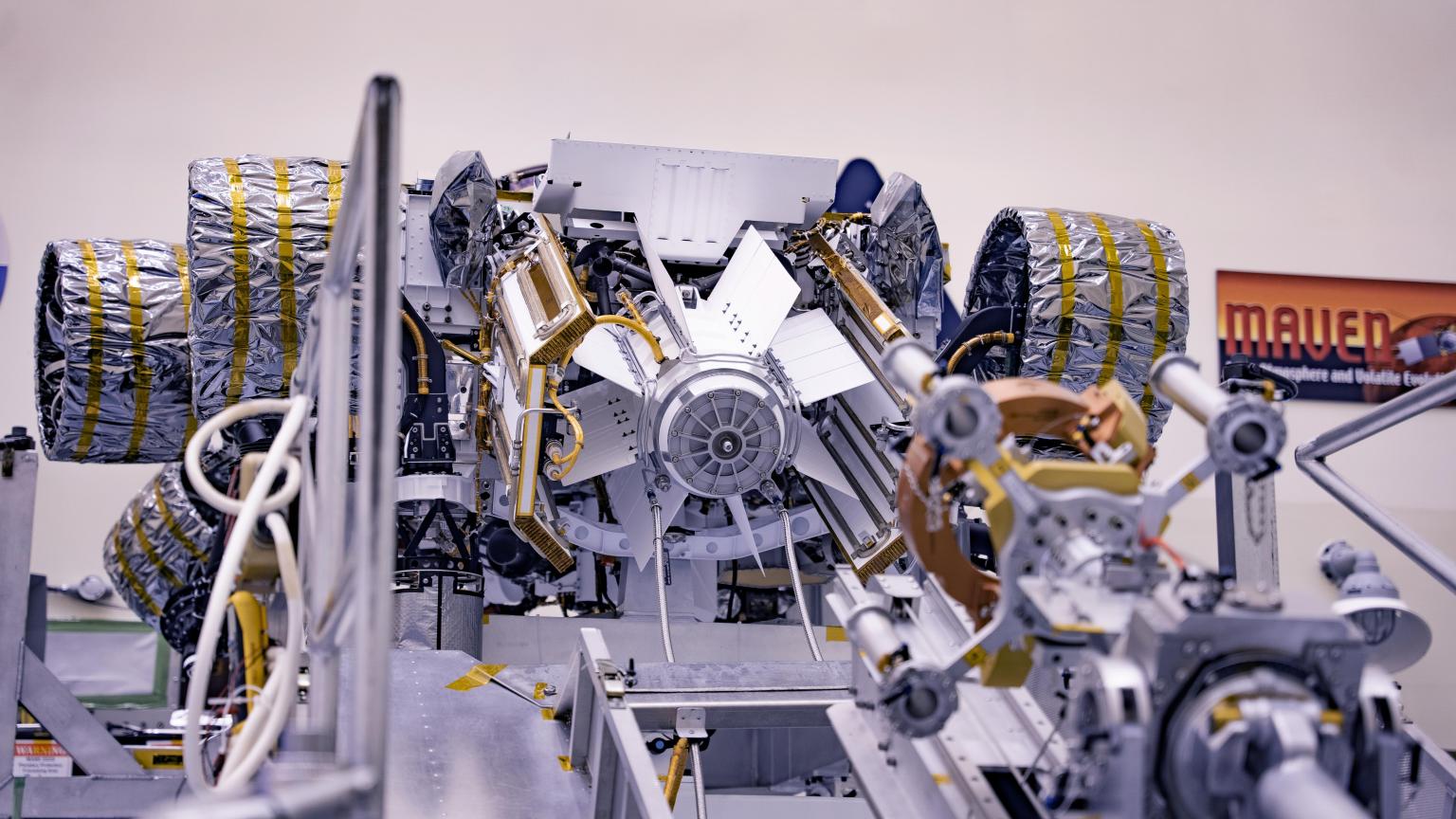
About Plutonium-238
Several unique features of plutonium-238 have made it the material of choice to help produce electrical power for spacecraft.
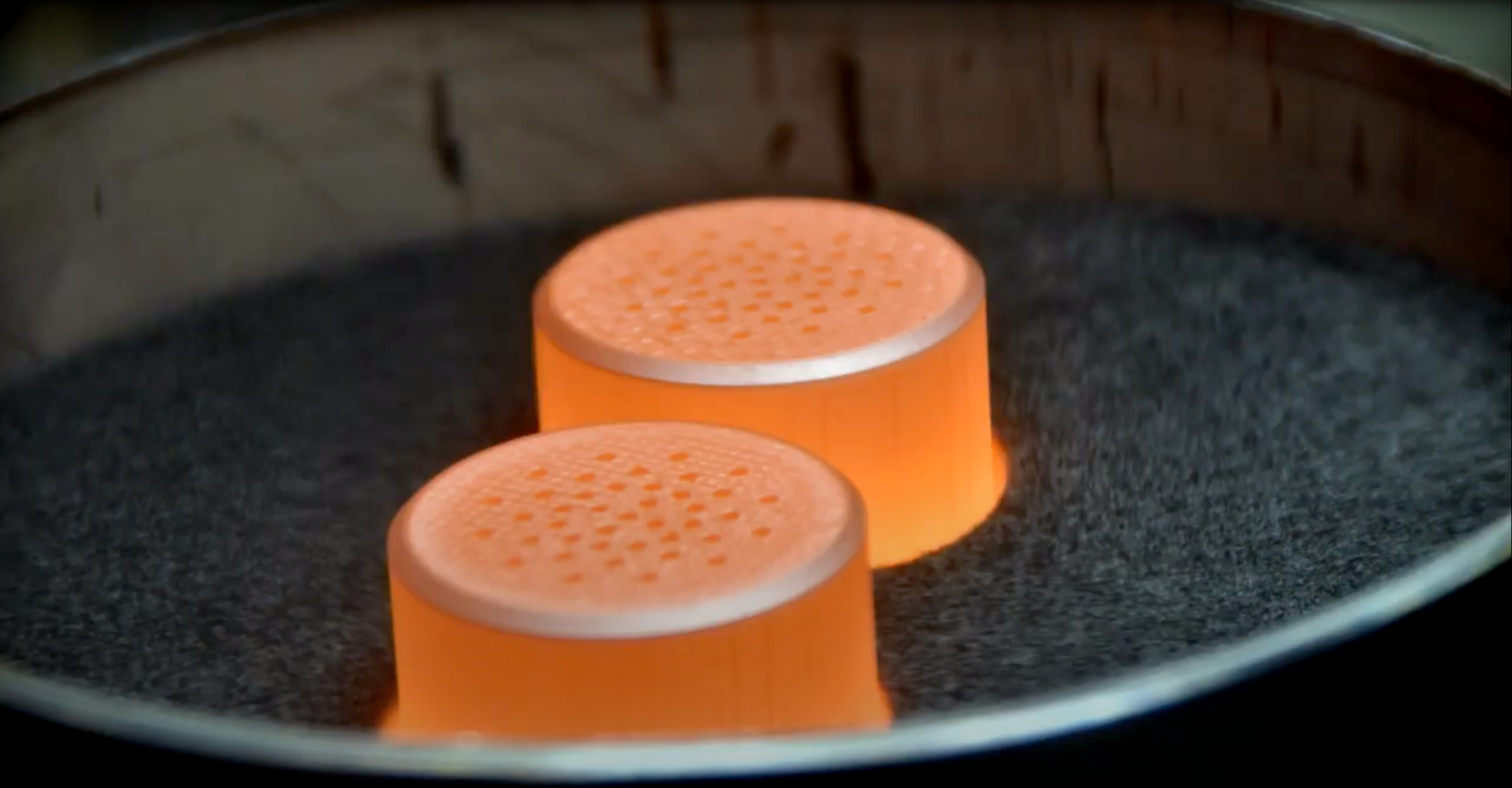
Radioisotope Power Systems Safety and Reliability
Safety is a critical priority in NASA’s use of radioisotope power systems, and is integrated into every phase of the…
Radioisotope Power Systems FAQ
Frequently asked questions about radioisotope power systems (RPS).