
Meet Fifteen Ruby Core Committers
Share this article
- Premium Results
- Publish articles on SitePoint
- Daily curated jobs
- Learning Paths
- Discounts to dev tools
7 Day Free Trial. Cancel Anytime.
We all know Yukihiro Matsumoto invented Ruby, but how many of the other people behind Ruby can you name? Judging from this photo taken just a few weeks ago at RubyKaigi 2013, the Ruby 2.0 release was a real team effort, with commits both from the people on stage in Tokyo and hundreds of other open source developers located around the world.

However, many of the most active developers behind the Ruby 2.0 release are Japanese, largely unknown to the Ruby world outside of Japan because of the language barrier. Recently I asked the Ruby 2.0 release manager, Yusuke Endoh, to send a few questions to the Ruby 2.0 committers located in Japan. I was curious who they were, what each of them worked on and what they’re like as people. Fourteen other developers replied to his survey; read on to take a look behind the language barrier and meet some of the people in Japan behind this year’s Ruby 2.0 release.
Update: We just received answers from one more Ruby committer. Now there are sixteen of them :)
| 👁 Image |
Key Takeaways
Yusuke
|
Q: Can you tell us a bit about yourself and how you became involved with Ruby?
I’m Yusuke Endoh, one of the Ruby committers. I was a release manager during the Ruby 2.0.0 release. Also, I was an assistant release manager for Ruby 1.9.2. I used to help the committers test and debug Ruby, just for fun. Then, some committers recommended me for the commit bit. But I didn’t become a committer right away. But after 1.9.1 was released, I saw chaos: bugs reported one after the other right up until the release day, and committers racing to fix them. It seemed like they enjoyed the chaos. To help avoid chaos for the next release, I became a committer. But unfortunately, the releases of 1.9.2 and 2.0.0 were less chaotic than 1.9.1.
Q: 自己紹介と、Ruby と関わるようになったきっかけを教えてください。
Ruby のコミッタの一人です。 Ruby 2.0.0 の際はリリースマネージャをやっていました。 Ruby 1.9.2 の時はリリースマネージャ補佐をやっていました。 元々は単なる遊びとして、Ruby のバグ出しやデバッグを手伝ってました。 すると何人かのコミッタがコミット権を持つように勧めてくれました。 でもメリットが分からなかったので、すぐにコミッタになることはありませんでした。 そうするうちに、1.9.1 のリリースでカオスを見ることになりました。 当日までバグが次から次と報告され、 多くのコミッタが競い合ってバグを修正していました。 彼らはそのカオスを楽しんでいるように見えました。 次のカオスに参加するため、私はコミッタになりました。 しかし残念ながら、1.9.2 と 2.0.0 のリリースは 1.9.1 ほどカオスではありませんでしたね。
Q: Can you tell us who the Ruby core committers were during the Ruby 2.0 release? I think most people outside of Japan are probably not familiar with any team members other than Yukihiro Matsumoto.
There’s no good way to define the group “core committers” or “core team.” I guess this is because Matz hates bureaucracy so much.
I looked for people on ruby-dev (a Japanese Ruby developers mailing list) who identify themselves as “a very core committer” and collected answers from them. Though the list is far from exhaustive I think all of them are great hackers and core committers.
Q: Ruby 2.0 の際の Ruby コアコミッタが誰だったか教えて頂けますか? 日本人以外の多くの人は、おそらくまつもとゆきひろ以外のチームメンバをよく知らないと思います。
前述の通り、”core committers” とか “core team” というような集団は規定されていません。 matz は官僚主義を嫌っているので、このようなチームを明確に定義することは今後もないと思います。 ある意味では matz のみが core committers と言えます。
そこで今回は、ruby-dev (日本語の Ruby 開発者メーリングリスト上) で、 「我こそはコアコミッタだ」と思う人に呼び掛けて回答を集めてみました。 このリストは網羅的からはほど遠いですが、 少なくとも彼らは全員すばらしいハッカーで「コアコミッタ」だと思います。
Q: What role did you play on the Ruby 2.0 project?
During the 2.0.0, I was a release manager. I did miscellaneous tasks for facilitating the release: planning, progress and issue management, off-line/on-line meetings, announcement, packaging and releasing, and ex-post assessment.
You can read about the release in an English article I wrote in Rubyist Magazine.
Q: Ruby プロジェクトにおけるあなたの役割はなんですか?
2.0.0 の際はリリースマネージャでした。 リリースを促進するための雑務として、 計画策定、進捗とバグの管理、オフライン・オンラインの会議、 アナウンス、パッケージとリリース、そして反省会です。
リリースの経緯については Rubyist Magazine の記事 もご覧ください。
私の妻が書いてくれた似顔絵。

Q: What do you like to do outside of Ruby or programming in general?
My hobby in programming is writing a Quine and enjoying esoteric programming. Recently I’m happy about winning two awards at IOCCC 2012.
My hobby is walking; I’ve walked with my wife along almost all railways (about 4,200+ km total) in the Kanto region of Japan.
Q: Ruby 以外に興味のあることを教えてください。(プログラミング全般でも、プログラミング関係ない趣味でも)
プログラミングに関する趣味は、Quine を書いたり、難解プログラミングを楽しんだりすることです。最近 IOCCC 2012 に 2 作品入賞したのがちょっと嬉しいです。
プログラミング以外の趣味はウォーキングです。妻といっしょに日本の関東地方の鉄道路線沿線 (合計約 4,200 km 以上) を歩きました。
| 👁 Image |
Nobuyoshi
|
Q: Can you tell us a bit about yourself, and how you became involved with Ruby?
I’m a programmer and a house husband. I live with my wife and 3 daughters.
Like other old-timers, Perl 5 didn’t feel right to me, and then I found a couple bugs in Ruby.
Q: 自己紹介と、Ruby と関わるようになったきっかけを教えてください。
兼業主夫プログラマ、妻と娘三人。
他の古顔同様、Perl 5で残念な気持ちだったところに、Rubyのバグを見 つけてしまったから。
Q: What role did you play on the Ruby 2.0 project?
Fixing bugs, implementing new features and new bugs.
Q: Ruby プロジェクトにおけるあなたの役割はなんですか?
バグを直したり、新機能や新バグを追加したりとか。
Q: What do you like to do outside of Ruby or programming in general?
Hot air ballooning.
Q: Ruby 以外に興味のあることを教えてください。(プログラミング全般でも、プログラミング関係ない趣味でも)
熱気球。
| 👁 Image |
Akira
|

Q: Can you tell us a bit about yourself, and how you became involved with Ruby?
I first used Ruby when my program needed multiple threads and data structures. Before that I used Perl 4, but it was not suitable for these problems.
Q: 自己紹介と、Ruby と関わるようになったきっかけを教えてください。
スレッドとデータ構造が必要になったときに Perl4 から Ruby に移行しました。
Q: What role did you play on the Ruby 2.0 project?
I developed or maintained (part of) several libraries such as pathname, resolv, open-uri, pp, securerandom, tsort, time, socket, io, process, encoding, transcode, etc.
Q: Ruby プロジェクトにおけるあなたの役割はなんですか?
いろいろやってます。
Q: What do you like to do outside of Ruby or programming in general?
I like to work on API Design and portability among various operating systems.
Q: Ruby 以外に興味のあることを教えてください。(プログラミング全般でも、プログラミング関係ない趣味でも)
API デザインとか、ポータビリティとか。
Yui Naruse
Q: Can you tell us a bit about yourself, and how you became involved with Ruby?
I’m the release manager of the upcoming Ruby 2.1.0 release. I wrote a chat/bbs system in CGI/Perl, but later I wanted a programming language which I could use to write programs more clearly. After trying different languages I chose Ruby, but it didn’t have some functionality like character encoding conversion. Therefore I decided to participate in the development of Ruby.
Q: 自己紹介と、Ruby と関わるようになったきっかけを教えてください。
Ruby 2.1.0 のリリースマネージャになった成瀬です。 もともとCGI/Perlでチャットや掲示板を書いていたんだけど、OOP-Perl のコレジャナイ感が強かったので、いちばんよさげなRubyに乗り換えたものの、文字コード変換機能が足りなかったので (SJIS/EUCからUTF-8へのMS風変換ができなかった)、開発に参加することにしました。
Q: What role did you play on the Ruby 2.0 project?
I first joined the Ruby project as the maintainer of ext/nkf, which converts text encoding. In Ruby 1.9 I worked around M17N (multilingualization). Now I’m working in various areas, mainly platform dependent issues of CRuby.
Q: Ruby プロジェクトにおけるあなたの役割はなんですか?
まず、ext/nkfのメンテナになり、Ruby 1.9 で M17N 周りを中心に CRuby に関わるようになりました。今は CRuby の様々な部分、特に環境依存な部分を直しています。
Q: What do you like to do outside of Ruby or programming in general?
Normal Japanese liberal arts: World History, MMORPG, Anime, and Eroge.
Q: Ruby 以外に興味のあることを教えてください。(プログラミング全般でも、プログラミング関係ない趣味でも)
日本における一般的な教養であるところの世界史、ネトゲ、アニメ、エロゲをたしなんでおります。
| 👁 Image |
Usaku
|
Q: Can you tell us a bit about yourself, and how you became involved with Ruby?
I’m a maintainer of the Windows versions of Ruby; I ported Ruby to mswin64; and I’m also the branch maintainer of Ruby 1.9.3. At the office, I’m a poor business man who wants to be a programmer but instead is forced to be a manager.
I discovered Ruby at the end of the last century. One day I wanted to rewrite a hobby Perl script because it had become spaghetti code. I thought that the script was object oriented, but I disliked the way Perl 5 implemented OOP. So, I looked for another programming language and found Ruby. When I started to use Ruby on Windows, it often crashed. So I sent some patches to ruby-dev mailing list. Later, Matz asked for some help maintaining Ruby on Windows, and I volunteered naturally.
Q: 自己紹介と、Ruby と関わるようになったきっかけを教えてください。
Windows版Rubyメンテナ(主としてmswin担当)、mswin64移植者、1.9.3 ブランチメンテナ。 職場では、開発者でありたいけれどマネージャー的な仕事を強要されている 不幸なサラリーマンです。
Rubyと関わるようになったのは20世紀末。 Perlで書いていた趣味スクリプトがスパゲッティ化してきたので書き直したく なり、オブジェクト指向で設計するとよさそうに思えたのだけれど、Perl5の オブジェクト指向機能は使う気になれなかったので代替の言語を探したらRubyが 見つかった。 Windowsで使おうとしたらいきなりクラッシュしたのでパッチを送ったりして、 その後何かの折にmatzがWindows版のメンテナを募集したので手を挙げたら こうなった。
Q: What role did you play on the Ruby 2.0 project?
I fixed many bugs on the Windows platform (and wrote new bugs too…). I also ported Ruby to the 64bit version of Windows. I also maintain the Ruby 1.9.3 branch.
Q: Ruby プロジェクトにおけるあなたの役割はなんですか?
Windows版Rubyのバグを延々と直したり(そしてバグを入れたり)、 64bit WindowsにRubyを移植したり、 業務として1.9.3ブランチのメンテナをしたり、
Q: What do you like to do outside of Ruby or programming in general?
Maybe unlike Matz, I like learning about various programming languages. My favorite languages other than Ruby are C and C#. Outside of programming, I like watching shogi games. I think shogi is more intersting than chess!
Q: Ruby 以外に興味のあることを教えてください。(プログラミング全般でも、プログラミング関係ない趣味でも)
matzほどじゃないけどいろんなプログラミング言語をいじるのが好き。 Ruby以外でお気に入りの言語はC、C#。 プログラミング以外では将棋を観るのが好き。チェスより面白いよ!
Hirofumi Watanabe
Q: Can you tell us a bit about yourself, and how you became involved with Ruby?
My account handle is eban. I mainly play a background role for managing the development environment: automatic updating version.h, management of the mailing list, svn hooks (such as commit mail), etc.
Before getting involved with Ruby, I ported Perl to DJGPP (MS-DOS). I sort of applied the same work to Ruby, and sent a patch to the mailing list. What I wanted to do was just porting; I was not interested in Ruby at first. But the existence of p method motivated me to continue Ruby. In a sense, I didn’t care about the object-oriented aspects of Ruby.
Q: 自己紹介と、Ruby と関わるようになったきっかけを教えてください。
アカウント名はeban、version.hの自動更新、MLの管理、svnのhook回り(commit mail等)、主に裏方隠居の身。
きっかけはPerlをDJGPP(MS-DOS)対応したついでにRubyでもやってみるかと思い、 MLにいきなりパッチを投げた。移植したかっただけでRuby自体には当初興味はなかった。 でもpメソッドの存在を知り続けようと思った。オブジェクト指向はある意味どうでもよかった。
Q: What role did you play on the Ruby 2.0 project?
I ported Ruby to DJGPP, Cygwin, MinGW, BOW(BSD On Windows), and support cross-compilation. In a sense, my work is almost done once make is passed. I created ftools.rb, jcode.rb, Win32API, un.rb, “m” of pack/unpack, instruby.rb, though the first three are no longer in use. I also created the automatic update mechanism for version.h.
Q: Ruby プロジェクトにおけるあなたの役割はなんですか?
DJGPP, Cygwin, MinGW, BOW(BSD On Windows)への移植、クロスコンパイル対応。 どっちかというとmakeできた時点でほぼ仕事が終了というような領域。 ftools.rb、jcode.rb、Win32API、un.rb、pack/unpackの”m”、instruby.rbを作成。 最初の3つはすでに用済み。 version.hの自動更新の仕組みを作った。
Q: What do you like to do outside of Ruby or programming in general?
awk, sed, perl, shell script, code golf, etc.
Q: Ruby 以外に興味のあることを教えてください。(プログラミング全般でも、プログラミング関係ない趣味でも)
awkとかsedとかperlとかshell scriptとか、code golfとか。
| 👁 Image |
Koichi
|
Q: Can you tell us a bit about yourself, and how you became involved with Ruby?
I’m Koichi Sasada, in Matz’s team at Heroku since 2012. Before joining Heroku, I was on the faculty of the University of Tokyo. My first Ruby application was Rava, a Java virtual machine implementation in Ruby (joke soft). The Ruby Hacking Guide by Minero Aoki is my guide for hacking Ruby’s implementation.
Q: 自己紹介と、Ruby と関わるようになったきっかけを教えてください。
笹田耕一と言います。2012 年から、Heroku, Inc. の Matz team に在籍してい ます。Heroku に入る前は、大学で教員をしていました。 私の最初の Ruby アプリケーションは、Rava という Ruby による Java 仮想マ シンの実装でした(ジョークソフトです)。青木峰郎さんによる「Ruby ソース コード完全解説」(通称 RHG)によって、Ruby 自体の実装に興味を持ちました。
Q: What role did you play on the Ruby 2.0 project?
I developed YARV: Yet Another RubyVM. When I began working on YARV in 2004, there were several other ruby virtual machines intended to replace CRuby. This is why I named it “Yet Another.” Later later YARV was merged into CRuby starting with Ruby 1.9.0. I’m working on Ruby core improvements, such as VM tuning, introducing a new GC algorithm, RGegGC, and so on.
Q: Ruby プロジェクトにおけるあなたの役割はなんですか?
2004 年から YARV: Yet Another RubyVM を作りはじめ(開発開始時には、ほか にいくつか VM があったので Yet Another としました)、Ruby 1.9.0 で取り込 まれました。 今は、コア部分の改善を行っております。たとえば、VM のチューニングや GC アルゴリズムの改善(最近、RGenGC というものを議論中)などです。
Q: What do you like to do outside of Ruby or programming in general?
Making a good environment, including both computer environments and real house environments. (I just moved into a new house recently!)
Q: Ruby 以外に興味のあることを教えてください。(プログラミング全般でも、プログラミング関係ない趣味でも)
環境をよくすることに興味があります。計算機環境はもちろんですが、実際の住 環境をいじることにも興味があります(最近引っ越したので)。
| 👁 Image |
Akinori
|

Q: Can you tell us a bit about yourself, and how you became involved with Ruby?
I think I’m best described as a web developer, using Rails and Padrino as well as some Perl for maintaining legacy applications at work. I’m a maintainer of nokogiri and mechanize, and the author of the gems like webrobots, domain_name and http-cookie. Follow me on GitHub to track my activity.
I have been a hobby programmer since I was like nine who played with his dad’s small pocket computer. In mid ’90s when I was a student, I wrote a web-based chat system in Perl4 to communicate with my friends online, and it was pretty successful both as a service and a product. However, I suffered a tough experience in rewriting it in Perl5, which had only just debuted at the moment. The OO features were clumsy, the interpreter was slow in performance and unstable in every corner case I ran into. While I liked the idea of a scripting language meets OOP, Perl5 at that time was just half-baked and premature. This was how I started dreaming of a decent OO scripting language that is designed from ground up.
I first heard of the name of Ruby in a Japanese Java community, where it was starting to become hot among hard core OO fans and researchers. Matz often dropped by the mailing lists to advertise his new language, which I later got into.
Ruby was extremely slow at the time compared to C, Java or even Perl in my use cases, but I really loved its syntax and the feature set mixed with the Unix philosophy. It seemed like a familiar yet new world where I could find tradition and future at the same time, and it didn’t take long before I started to hack on it and join the community to be part of the future.
Q: 自己紹介と、Ruby と関わるようになったきっかけを教えてください。
一言で表すならWeb開発者だと思います。RailsやPadrinoを使い、仕事ではレガ シーアプリのメンテでPerlを使います。nokogiriやmechanizeのメンテナ‐をやっ ていて、webrobots, domain_name, http-cookieなどのgemの作者です。普段の 活動の様子を見たければGitHubでフォローしてください。
小学校中学年くらいから趣味でプログラムを書き始めました。親父のポケコン がきっかけです。’90年代、学生のときに友達とネットで話したくてperl4でウェ ブチャットのシステムを書きました。これはサービスとしても作品としてもあ る程度うまく行ったんですが、これを当時出たてのPerl5で書き直そうとしたら ひどい目に遭いました。オブジェクト指向機能はぎこちないし、性能は出ない し、ちょっと凝った機能を活用しようとすると挙動不審になるし、スクリプト 言語にオブジェクト指向を取り入れるというアイデアは気に入ったんですが、 当時のPerl5はまだ作りかけで未熟な代物だったんです。この経験から、ちゃん と一から設計されたオブジェクト指向スクリプト言語が欲しいなあと思うよう になりました。
初めてRubyという名前を見たのは日本のJavaコミュニティです。そこではオブ ジェクト指向好きのファンや研究者がRubyに注目しはじめていて、Matzもよく メーリングリストに現れてはその自作言語の宣伝をしていたので、やがて私も Rubyにはまりました。
そのころのRubyはめちゃくちゃ遅くて、ちょっとした用途でもCやJavaはもちろ んPerlにすら速度面では及びませんでしたが、その文法と機能、それらがUnix 哲学とうまく融合されているところにはとても感銘を受けました。伝統と未来 が同居した、見慣れたけれども新しい世界のように映ったんです。ほどなく Rubyをいじるようになり、自分もその未来の一部になるべく、コミュニティに 参加しました。
Q: What role did you play on the Ruby 2.0 project?
I have been a Ruby committer since the end of 2000 when I offered myself as a repository administrator to accelerate the development of Ruby. I had some experience in that area as a FreeBSD committer, so I thought I should step forward. Matz accepted my offer, and it became my role to build a secure and functional development infrastructure so we could invite developers of established third party libraries to make Ruby feature complete out of the box. Creating the ruby-cvs mailing list to deploy commit mails, providing each committer with a @ruby-lang.org mail address, introducing a directory/module based access control, and building a repository mirroring (CVSup) server were part of such role.
Q: Ruby プロジェクトにおけるあなたの役割はなんですか?
私がRubyのコミッターになったのは2000年の終わりで、Rubyの開発を加速する べく、レポジトリ管理者として名乗り出たのがきっかけです。FreeBSDのコミッ ターとしてその辺りの経験を積んでいたこともあり、俺がやってやろうと思い ました。Matzの快諾を受けて、セキュアで機能的な開発インフラ整備に着手し ました。Rubyのディストリビューション単体でたいがいのことができるように、 めぼしいサードパーティライブラリの開発者をRubyの開発に引き込むのが狙い でした。ruby-cvsメーリングリストを作ってコミットメールを流したり、コミッ ター各自に @ruby-lang-org のメールアドレスを付与したり、ディレクトリ/モ ジュール単位でコミット権限を制御したり、レポジトリのミラーリング用サー バ(CVSup)を立てたりといったことです。
Q: What do you like to do outside of Ruby or programming in general?
I like playing and watching shogi, the traditional chess of Japan, listening to progressive music and watching American drama series. On weekends, I mostly spend time with my three year old son and wife playing with LEGO, shopping, and hanging out to the park nearby.
Q: Ruby 以外に興味のあることを教えてください。(プログラミング全般でも、プログラミング関係ない趣味でも)
将棋を指したり観戦するのが趣味です。あと、プログレッシブ音楽を聴いたり、 アメリカのドラマシリーズを好きで見ています。週末はもっぱら、三歳の息子 や妻と過ごしています。レゴで遊んだり、買い物に行ったり、近くの公園に出 かけたり。
| 👁 Image |
Motohiro
|
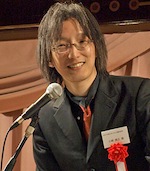
Q: Can you tell us a bit about yourself, and how you became involved with Ruby?
Hi, my name is Motohiro Kosaki. I am a Linux kernel developer in memory management. I joined the Ruby community about three years ago and I am now one of the top five active committers. Btw, svn is a really great commiter. I can’t imagine defeating him by commit rate. ;)
Q: 自己紹介と、Ruby と関わるようになったきっかけを教えてください。
小崎資広(こさきもとひろ)といいます。主にLinux kernelのメモリ管理の分野の 開発者なんですが、3年ほど前にRubyにjoinしました。さっきここ3年のコミットレート 比較したら今5位ぐらいにいるみたいです。余談ですがsvnさんのコミットレートが高すぎて 倒せません。あいつ人間じゃない
Q: What role did you play on the Ruby 2.0 project?
I am one of the release managers of Ruby 1.9.3 and rewrote GVL at Ruby 1.9.3. I also fixed a lot of thread bugs and race isssues. I am also a Linux platform maintainer and I’ve fixed several kernel issues for Ruby.
Q: Ruby プロジェクトにおけるあなたの役割はなんですか?
実はここに記載できるようなすごい役割ってまったくしていなくてせいぜい ・1.9.3のときに事実上のリリースマネージャーっぽいことをごにょごにょ ・GVLをまるっと全部書き換え ・スレッドとかタイマースレッドとのレースとか環境・OS依存のバグを直しまくって (もう何直したか思い出せん) ・Linuxプラットフォームのメンテナとしてプラットフォーム固有の問題をハンドル ・たまにカーネルとかglibcを「Rubyに都合が悪いから」という理由で仕様変更させてるとか そんなぐらい?あとはもう思い出せない。
Q: What do you like to do outside of Ruby or programming in general?
I spend a lot of time working on improving the Linux kernel. Btw, many people think the job of Linux platform mainainer is easy because Linux has a lot more testers than other platforms, but this is not exactly true. We often need to fix the kernel instead of Ruby for several reasons and this is really tough work. You guys benefit from our kernel contributions if you use Ruby on Linux. :)
Q: Ruby 以外に興味のあることを教えてください。(プログラミング全般でも、プログラミング関係ない趣味でも)
一応、本職はLinux屋さんなんでLinuxいじってる時間がながいです。みんなさあ、 Linuxプラットフォームメンテナはテスターがいっぱいいて楽だと思ってるみたいだけどさあ、 意外と大変なんだよ。 ちょくちょくカーネル側を直さないといけないはめになって、まあそのオレに都合が悪いから カーネルの仕様変えるぜ系の提案はたいていめんどくさい思いをするのですよ。 そういうわけでバグにぶち当たらずにRubyを使えてる諸卿はもっと各プラットフォームメンテナに 感謝するといいと思うよ
Shugo Maeda
Q: Can you tell us a bit about yourself, and how you became involved with Ruby?
I work for NaCl, where Matz is a fellow, and for the Ruby Association, an organization dedicated to promotion and development of Ruby. When I was a university student, I had implemented a regular expression library for Java, and posted a mail about it to a mailing list for Java developers. On the mailing list someone told me my regular expression library was not object oriented and that I should have looked at Ruby’s regular expression library. So I learned Ruby, threw Java away, and got involved with Ruby’s development.
Q: 自己紹介と、Ruby と関わるようになったきっかけを教えてください。
て所属しているNaClという会社と、 Rubyの普及と発展のための組織であるRubyアソシエーションに所属しています。 大学生の頃にJavaの正規表現ライブラリを書いてJava開発者のためのMLに投稿 したんですが、そのMLで、ある人が私のライブラリがオブジェクト指向的でないから Rubyの正規表現ライブラリを見てみるといいよって指摘してくれたんです。 それでRubyを覚えて、Javaを捨ててRubyの開発に参加することになりました。
Q: What role did you play on the Ruby 2.0 project?
I’ve introduced some crazy features such as callcc into Ruby. I’ve maintained servers for Ruby development, but I don’t like server maintenance so much, so I’m glad that Shibata-san can do it instead of me from now on. I’ve also worked for the standardization of Ruby. It’s funny that Ruby is now an International Standard ISO/IEC 30170, but I believe Matz wouldn’t mind breaking the standard if it were necessary for innovation.
Q: Ruby プロジェクトにおけるあなたの役割はなんですか?
私はcallccなどのいくつかのちょっと変な機能をRubyに導入しました。 Ruby開発のためのサーバのメンテナンスもしてきましたが、サーバのメンテナンス はそんなに好きではないので、これからは柴田さんがやってくれるということで 喜んでいます。 また、Rubyの標準化のための作業もしました。Rubyがいまや国際規格 (ISO/IEC 30170)というのは奇妙な感じがしますが、イノベーションのために 必要であればまつもとさんは規格に反するような変更も厭わないと信じています。
Q: What do you like to do outside of Ruby or programming in general?
I’m interested in functional programming. Apart from programming, I like motorcycles, fishing, and camping.
Q: Ruby 以外に興味のあることを教えてください。(プログラミング全般でも、プログラミング関係ない趣味でも)
関数プログラミングに興味があります。 プログラミング以外では、バイクや釣り、キャンプが好きですね。
Kazuhiro Nishiyama
Q: Can you tell us a bit about yourself, and how you became involved with Ruby?
I live in Osaka. My job is to manage my company’s server and to develop some small webapps for in-house services by using Rails. I have known about Ruby from NIFTY-Serve, an old Japanese computer communication network. I used to use JPerl to create CGI, for text processing, etc. But I migrated to Ruby because of ease of handling Japanese text. This caused me to be involved with Ruby.
Q: 自己紹介と、Ruby と関わるようになったきっかけを教えてください。
大阪に住んでいて、会社では社内サーバーの管理をしていたり、 社内向けの小規模な Web アプリを Rails で作成したりしています。 Ruby 自体はパソコン通信の NIFTY-Serve のフォーラムで存在自体は知っていて、 CGI を作ったりテキスト処理をしたりするのに JPerl を使っていたのを、 日本語の扱いやすさから、Ruby に移行したのがきっかけです。
Q: What role did you play on the Ruby 2.0 project?
At first, my main contribution was improving the Japanese documentation. I think that my first relatively big contribution was a migration note from 1.4 to 1.6. Also, I helped write a reference manual in RWiki. This is because I’m now involved in Rubyist Magazine and the Ruby Reference manual project. For the Ruby core, my contribution is mainly small fixes. Recently, I checked a commit and fixed obvious errors such as typos.
Q: Ruby プロジェクトにおけるあなたの役割はなんですか?
最初は日本語ドキュメント系の貢献が主でした。 たぶん 1.4から1.6への変更点をまとめたもの がそれなりに大きいものの最初で、ドキュメント系では RWiki でのリファレンス マニュアルの手伝いをしていたり、今のるびまやるりまへの関わりに繋がっています。
Ruby 本体に対しても、昔から細かい修正などの貢献が多かったと思います。 最近はコミットをみて typo などの明らかな間違いを修正していることが多いです。
Q: What do you like to do outside of Ruby or programming in general?
I have used Debian and Ubuntu as a server for long time. I’ll make a presentation at http://gum.debian.or.jp/2013/.
主にサーバーで Debian や Ubuntu をずっと使っていて、今年の http://gum.debian.or.jp/2013/ でも話をする予定です。
| 👁 Image |
Kouhei
|
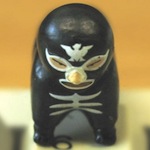
Q: Can you tell us a bit about yourself, and how you became involved with Ruby?
I’m Kohei Sutou. My account handle is kou. I’m an author of lib/rss. I became a committer as lib/rss was bundled with the Ruby package at [ruby-dev:22720], [ruby-dev:22726], and [ruby-dev:22732]. My first commit is r5572 at 2004-01-29 00:19:56 +0900. (The revision was changed because we used CVS at that time.) When I was in college, an older student told me about Ruby, which caused me to be involved with Ruby.
須藤功平(Kouhei Sutou)です。アカウント名はkouです。 lib/rss/の作者です。[ruby-dev:22720]、[ruby-dev:22726]、 [ruby-dev:22732]でlib/rss/が標準添付になったのでコミッタにな りました。2004-01-29 00:19:56 +0900のr5572(当時はCVSなのでリビ ジョンは違う)が最初のコミットです。 Rubyと関わるようになったきっかけは大学の先輩からRubyというも のがあると教えてもらったからです。
Q: What role did you play on the Ruby 2.0 project?
I’m a maintainer of lib/rss/ and lib/rexml/. Both are now in maintenance mode; I just play the role only when a bug is reported. Before Ruby 2.0.0 was released, I implemented some RubyGems features for supporting default gems. With regard to this work, I added some bugs to 2.0.0. (Sorry!) I did this work just because drbrain incidentally sat opposite to me at the party of Sapporo RubyKaigi 2012.
lib/rss/とlib/rexml/のメンテナーです。 今はどちらもメンテナンスモードなのでバグレポートがあると対応 しているぐらいです。
Ruby 2.0.0リリースの前にRubyGemsにdefault gem関連の機能を実 装しました。また、default gemに関連したバグをいくつかRuby 2.0.0に入れました。(すみません。) default gemをやる気になったのは札幌Ruby会議2012の懇親会でた またま目の前にdrbrainが座っていたからです。
as of May 4th 2013.
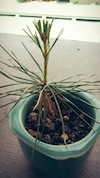
Q: What do you like to do outside of Ruby or programming in general?
Growing a humble bonsai (Japanese black pine) with moderate passion not to blight it.
立派じゃない盆栽(クロマツ)をクロマツが枯れない程度の情熱で育て ることです。
Tomoyuki Chikanaga
Q: Can you tell us a bit about yourself, and how you became involved with Ruby?
When I was a university student, my mentor introduced Ruby to me. I wrote prototypes of neural network software in Ruby and felt it was an easy to use and powerful language. I’ve been writing a blog “ruby-trunk-changes” which briefly explains every commit to CRuby trunk repository for about 3 years. I’d sent some trivial patches. One day Kosaki-san told me “Hey I’m tired of dealing with your patches. Commit it by yourself!”. Since then I have had a commit bit.
Q: 自己紹介と、Ruby と関わるようになったきっかけを教えてください。
最初にRubyに触れたのは、学生時代に指導してくれた先輩に教えてもらって、 ニューラルネットワークを使ったソフトウェアのプロトタイピングのために使ってみました。 書きやすくて機能も豊富なのですぐ気に入りました。 3年ほど前から ruby-trunk-chages という CRuby の trunk のコミットの短い解説を書く ブログを続けていて、そこで気がついたちょっとした修正のパッチを投げているうちに 小崎さんに「いちいち取り込むの面倒だから自分でコミットして」と言われてコミット権を いただくことになりました。
Q: What role did you play on the Ruby 2.0 project?
I am an unofficial commit reviewer. I’ve read all of the commits in trunk, and sometimes point out some problems. And as the 2.0.0 branch maintainer, I decide which commits to backport into the ruby20_0 branch.
Q: Ruby プロジェクトにおけるあなたの役割はなんですか?
コミットの(非公式な)レビューアとして、trunk のコミットを読み続けています。たまに間違いを指摘したりします。 また 2.0.0 のブランチメンテナとして、trunk から ruby20_0 ブランチにバックポートする 変更を選定するなどの仕事をしています。
Q: What do you like to do outside of Ruby or programming in general?
Sound programming, Machine Learning, etc…
Q: Ruby 以外に興味のあることを教えてください。(プログラミング全般でも、プログラミング関係ない趣味でも)
Ruby 以外に興味のあることを教えてください。 音響系のプログラミングや機械学習などが好きです(が最近ぜんぜんできてない)。
| 👁 Image Photo taken by Kakutani-san |
Kenta
|
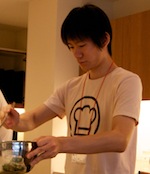
Q: Can you tell us a bit about yourself, and how you became involved with Ruby?
I work for COOKPAD Inc. as a dev-infra engineer. I live in Tokyo, but my original home town is Tomakomai, Hokkaido. Since my wife lives in Sapporo, I frequently go back to Hokkaido almost every month.
About ten years ago, I was a member of Kondara Project, which developed the one of famous Linux distributions in Japan, Kondara MNU/Linux. This project primarily used Ruby for developing some system utilities and almost all distribution development utilities. I started to use Ruby to join development of these Kondara-specific utilities.
Q: 自己紹介と、Ruby と関わるようになったきっかけを教えてください。
クックパッド株式会社で開発基盤エンジニアとして働いています。 今は東京に住んでますが、元々は北海道苫小牧市の出身です。 現在、妻が札幌に住んでいるため、毎月北海道に帰っています。
約10年前、私は、Kondara MNU/Linux という日本で有名だった Linux ディストリビューションを開発する Kondara Project のメンバーでした。 Kondara Project では、様々なツールを Ruby で開発していました。 私は、それらのツールの開発に参加するために Ruby を使い始めました。
Q: What role did you play on the Ruby 2.0 project?
I’ve done and continued these things, but I think I should spare more time to contribute much more…
– A maintainer of bigdecimal
– OS X platform maintainer
– The provider of rubyci for OS X
– The one of contributors for mathematical part
– The bug fix for OS X (occasionally)
Q: Ruby プロジェクトにおけるあなたの役割はなんですか?
私がやってきたことは以下のとおりです。もっと Ruby に貢献できる時間を増やしたいなと思ってます。
– bigdecimal のメンテナンスと開発
– OS X プラットフォームのメンテナ
– rubyci の OS X 版を提供
– 数学関係のコントリビューション
– OS X 関連のバグ修正 (稀)
Q: What do you like to do outside of Ruby or programming in general?
My main hobby is studying mathematics and theoretical physics. I love them because they are very fun.
Cooking is another hobby for me after joining COOKPAD. I sometimes cook in the office because the kitchen is very wide and there are enough kinds of ingredients; COOKPAD supplies a lot of ingredients for its employees to cook in their office hours.
Q: Ruby 以外に興味のあることを教えてください。(プログラミング全般でも、プログラミング関係ない趣味でも)
主な趣味は、数学と理論物理学の勉強です。
クックパッドに入社してから、料理も楽しく感じるようになりました。 会社に広いキッチンと様々な種類の材料があるので、会社で時々料理をしています。 クックパッドは、社員が勤務時間中に料理できるように、多くの材料を買い揃えてくれています。
Masaya Tarui
Q: Can you tell us a bit about yourself, and how you became involved with Ruby?
My name is Masaya Tarui. I like to study various algorithms. Around 2000, I migrated from Perl4 to Ruby, as a prototyping tool for algorithms.
Q: 自己紹介と、Ruby と関わるようになったきっかけを教えてください。
樽家昌也(@taru)といいます。 趣味で色々なアルゴリズムを勉強してます。 アルゴリズムをプロトタイピングするツールとして、perl4の時にrubyに移りました。(時期としておおよそ2000年)
Q: What role did you play on the Ruby 2.0 project?
Currently I have no particular responsibility. I fix or modify anything that bothers and/or interests me. After 2.0.0 was released, I’m a bit inactive. I worked harder to make the Windows port stable when 1.9.2 was released. But many users look more pleased at the performance improvement of 1.9’s require.
Q: Ruby プロジェクトにおけるあなたの役割はなんですか?
特にどこかの箇所に責任を持っている状態ではなく、自分自身が困った所、 興味を持った所を修正または変更する立場をとっています。 2.0.0がリリースされてからは開店休業状態です。 成果としては、1.9.2リリース時のwindows環境の安定化 が一番頑張った所ですが、 世間では1.9のrequireを速くした事が喜ばれているようです。
Q: What do you like to do outside of Ruby or programming in general?
I like to live lazily :-) Recently, I’m interested in how to handle a huge amount of distributed data (i.e., put in a lot of devices and web platforms), in an efficient and secure way.
Q: Ruby 以外に興味のあることを教えてください。(プログラミング全般でも、プログラミング関係ない趣味でも)
いかに怠惰に生きるか:-) 直近では、大量のデータをいろんなデバイスやweb上のプラットフォームで分散して持つようになって、 どうやってセキュリティを確保しつつ効率的にハンドリングするかをぼんやりと考えてます。
| 👁 Image |
Hiroshi
|
Q: Can you tell us a bit about yourself, and how you became involved with Ruby?
I’m Hiroshi Shibata. My account handle of github and twitter is @hsbt. I’m working as an engineer in Paperboy & Co., a web service company. I encountered Ruby in a math course during my student days.
Q: 自己紹介と、Ruby と関わるようになったきっかけを教えてください。
SHIBATA Hiroshi, github, twitter アカウントは @hsbt です。paperboy&co. という Webサービスの会社でエンジニアをやっています。 Ruby に関わるようになったきっかけは学生時代の数学の授業で紹介された時です。
Q: What role did you play on the Ruby 2.0 project?
In 2.0 release management, I was a QA (Quality Assurance) tester by running some actual applications on trunk and checking if they work correctly. For the 2.1 release, I will play three roles: QA, maintaining the web site of ruby-lang.org, and supporting and improving the development environment for Ruby committers.
Q: Ruby プロジェクトにおけるあなたの役割はなんですか?
2.0 のリリースでは実際に使われているアプリケーションを trunk で動かして 満足に動作するかをチェックするQAを担当しました。 2.1 のリリースに向けては * QA * ruby-lang.org に存在するサイトのメンテナンス * Ruby コミッタの開発環境支援 の三つを担当しています。
Q: What do you like to do outside of Ruby or programming in general?
My hobby is doing presentations at international conferences and using the opportunity to travel with my wife. In June, I’ll attend RedDotRubyConf in Singapore.
Q: Ruby 以外に興味のあることを教えてください。(プログラミング全般でも、プログラミング関係ない趣味でも)
趣味は海外のカンファレンスに発表するついでに妻と旅行することです。 6月にはシンガポールの RedDotRubyConf に行きます。
Frequently Asked Questions (FAQs) about Ruby Core Committers
Who are the Ruby Core Committers?
Ruby Core Committers are a group of developers who have been granted the ability to modify the source code of the Ruby programming language. They are responsible for maintaining the language, fixing bugs, and implementing new features. This group is made up of a diverse set of individuals from around the world, each bringing their unique skills and perspectives to the development of Ruby.
How does one become a Ruby Core Committer?
Becoming a Ruby Core Committer is a process that involves demonstrating a deep understanding of the Ruby language and its source code. Typically, this involves contributing to the language over a period of time, submitting patches, and participating in discussions about the language’s development. Once a contributor has demonstrated their expertise and commitment, they may be invited to become a Core Committer.
What is the role of a Ruby Core Committer in the development of the language?
Ruby Core Committers play a crucial role in the development of the Ruby language. They are responsible for reviewing and merging code contributions from the community, fixing bugs, and developing new features. They also participate in discussions about the future direction of the language and make decisions about its design and implementation.
How does the Ruby Core Committer team collaborate?
The Ruby Core Committer team collaborates primarily through online platforms. They use GitHub for version control and code reviews, and they communicate through mailing lists and chat platforms. This allows them to work together effectively, despite being located in different parts of the world.
What is the significance of the Ruby Core Committer team to the Ruby community?
The Ruby Core Committer team is vital to the Ruby community. They are responsible for maintaining and improving the language, ensuring that it remains a powerful and flexible tool for developers. Their work enables the continued growth and evolution of the Ruby ecosystem.
Can anyone contribute to the Ruby language?
Yes, anyone can contribute to the Ruby language. While only Core Committers can directly modify the source code, anyone can submit patches or propose changes. These contributions are reviewed by the Core Committer team, and if they are accepted, they are incorporated into the language.
How can I follow the work of the Ruby Core Committer team?
The work of the Ruby Core Committer team is publicly available on GitHub. You can follow their progress, review their code, and even participate in discussions about the development of the language.
What is the process for proposing a change to the Ruby language?
If you have an idea for a change to the Ruby language, you can propose it through the Ruby Issue Tracking System. Your proposal will be reviewed by the Core Committer team, and if it is accepted, it will be incorporated into the language.
How is the Ruby Core Committer team organized?
The Ruby Core Committer team is a loosely organized group of developers. There is no formal hierarchy, and decisions are made through consensus. This allows for a collaborative and inclusive approach to the development of the Ruby language.
What is the future of the Ruby language?
The future of the Ruby language is in the hands of the Core Committer team and the wider Ruby community. They are continually working to improve the language, adding new features, fixing bugs, and refining its design. As long as there are developers who are passionate about Ruby, the language will continue to evolve and thrive.
Pat Shaughnessy
Pat Shaughnessy writes a blog about Ruby development and recently self-published an eBook called Ruby Under a Microscope. When he's not at the keyboard, Pat enjoys spending time with his wife and two kids. Pat is also a fluent Spanish speaker and travels frequently to Spain to visit his wife's family.
- Premium Results
- Publish articles on SitePoint
- Daily curated jobs
- Learning Paths
- Discounts to dev tools
7 Day Free Trial. Cancel Anytime.