


developing the world’s first high pressure, ultra-efficient electrolyser for the production of hydrogen with zero emissions.
High pressure
Save on CAPEX and complexity, increase system reliability with Supercritical’s high pressure electrolyser. All major hydrogen markets stand to benefit from our game changing approach.
Ultra-efficient
The cost of renewable energy is the single biggest contributor to the cost of green hydrogen. By operating over 90% Higher Heating Value (HHV) efficiency in the stack, we will deliver step change benefits in the levelised cost of hydrogen.
planet first
We’re developing a zero emission hydrogen production technology and doing it without the use of scarce critical materials like Iridium, PFAS chemicals (forever chemicals) and rare earth metals.
developing the world’s first high pressure, ultra-efficient electrolyser for the production of hydrogen with zero emissions.
High Pressure
Save on CAPEX and complexity, increase system reliability with Supercritical’s high pressure electrolyser. All major hydrogen markets stand to benefit from our game changing approach.


Ultra-efficient
The cost of renewable energy is the single biggest contributor to the cost of green hydrogen. By operating at 99% Higher Heating Value (HHV) efficiency in the stack, we will deliver step change benefits in the levelised cost of hydrogen.
Planet first
We’re developing a zero emission hydrogen production technology and doing it without the use of scarce critical materials like Iridium, PFAS chemicals (forever chemicals) and rare earth metals.
Current technologies are not working. They are too expensive, contaminate our planet and are built on high risk supply chains.

Inefficient with only marginal gains projected
Incumbent electrolyser technologies have been in development for 100 years in some cases. Demand has changed due to the climate crisis, the technology has remained stagnant.

Deliver low pressure gases
Production of green hydrogen is the hot topic of today. Tomorrow it will be compression and storage. Supercritical’s technology tackles the sector’s two biggest problems in one.

Built on high risk supply chains
The use of scarce critical materials like Iridium and rare earth metals, and utilising PFAS (forever) chemicals, existing tech is struggling to scale!
An ultra-efficient electrolyser
delivering desired pressure hydrogen
A new class of electrolyser
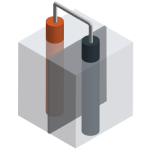
Membranes are hard to handle and make manufacturing yields low and costs high. They are the first point of failure in the stack, and it will happen with no warning. Supercritical’s novel cell assembly negates the need for a membrane entirely - offering low costs and high reliability.

Our technology is built from mass manufactured industrial metals. They are produced at scale, today, for hundreds of applications.


Ever wondered what happens when clean energy technology reaches the end of its life? We have. No more debates about toxic waste or products to landfill. We’ll be recycling our tech to produce more electrolysers.

220bara high purity (up to 99.999mol%) hydrogen plugged straight into your downstream processes.

Compressing oxygen is really challenging too. Oxygen at high pressures, with rotating equipment and lubricants leads to a recipe for disaster! We have a hugely valuable by product in our 220bara oxygen stream.

With our innovative cell structure and operating conditions, we will deliver >90% HHV stack efficiency.
Refineries of the future. Harnessing renewable energy, air and water.
Long chain hydrocarbons can be produced through chemical synthesis processes, converting CO₂ (captured from the air) and hydrogen (made from splitting water) that mimic the fossil fuels that our lifestyles have become so accustomed to.


DECARBONISE THE EXISTING HYDROGEN MARKET: 1 BILLION TONNES OF CARBON reduction OPPORTUNITY.
Over 90% of the world’s hydrogen demand today requires hydrogen at pressure. Industries like ammonia production, refineries and methanol production all require pressure in their chemical processes.


BRING ZERO-EMISSION LOW COST FUEL TO THE BIGGEST INDUSTRIAL CARBON EMITTERS
Up to 20% of the world’s industry won’t be decarbonised with electricity directly. Achieving high temperatures in industries like Steel, Cement, Glass is simply not possible without the burning of a fuel... running 24/7!


Technology designed for industry
Our technology can be used in all sorts of applications. Dive into some of our Partner Case Studies!
WhiskHy

GreeNH3
Feeding the world’s population with no emissions
Feeding the world today would be impossible without synthetic fertiliser. Over 100 years ago, Haber and Bosch created a high pressure, intermediate temperature chemical process that changed the world. Today, Supercritical is doing the same.

Zero Mining

Be the first to find out about our next projects and partners

Partner testimonials


👁 Image

FAQs
Supercritical doesn’t need a hydrogen compressor so long as the end use of the storage pressure is <230bara. By pumping our feed water and operating our systems at pressure, we’re able to produce hydrogen and oxygen at high pressure without hydrogen gas compressors.
For applications requiring pressures in excess of this, we are exploring higher pressure operating conditions! But whilst they are in development, our higher pressure users will benefit from significantly less compression and cooling cycles to achieve their higher pressures with gas compressors.
Supercritical is the only electrolyser on the market which is almost entirely recyclable. Supercritical’s all metal design lends itself to today’s established metal recycling methodologies, meaning at end of life, when we replace our electrolysers, we need not dip into the world’s natural resources again!
Any spent electrolyte from Supercritical’s system will be dealt with in a responsible manner. Supercritical is utilising chemistry that is very common in industry with established treatment technologies, meaning that we’ll be able to treat and re-use our electrolyte at scale.
Supercritical is developing its systems to deliver up to 99.999mol% purity hydrogen. This purity meets the quality required for ammonia synthesis and also surpasses hydrogen Grade D under ISO 14687, making it suitable for fuel cells and the majority of other applications.
Capacity Factor is a term used to represent the average usage, based on the maximum available, over a period of time. It is expressed as a % of the maximum capacity.
For example, solar renewable energy has a low capacity factor as they peak around the middle of the day and there are shorter days with sunlight in the winter. Depending on the system deployed and geography, solar capacity factor is typically 15-30%. Peaking at up to 100% in the middle of a summer day but 0% at night.
Onshore wind has a typical capacity factor between 25% to 45% with offshore farms often benefiting from stronger and more consistent wind resources, resulting in average capacity factors that can exceed 50% in favourable locations.
You can combine Solar and Wind renewable energy technologies, as they are typically quite complementary and can increase your capacity factor by 5-10%.