


VOOZH about

URL: https://www.worldweatherattribution.org/

⇱ World Weather Attribution – Exploring the contribution of climate change to extreme weather events


Skip to content

Latest analyses

Heatwave

From mid April and advancing into May, India and Pakistan experienced extremely high temperatures, including daily maximum temperatures above 46°C in many cities in India (Times of India, 2026).  This ongoing period of extreme heat brought severe human and economic impacts across India and Pakistan (Al Jazeera, 2026), two of the most densely populated regions … Continue reading “Climate change exposes hundreds of millions to longer and deadlier pre-monsoon heat in South Asia”

14 May, 2026

Heatwave

The 2026 FIFA World Cup will be played from 11 June to 19 July 2026 across three host countries: the United States of America (USA), Canada, and Mexico, with matches spread over 16 cities and the final to be held in New York on the 19th of July.  Owing to the tournament’s wide geographic distribution, … Continue reading “Climate Change Big Player at FIFA World Cup 2026”

14 May, 2026

Heatwave

An unusually early spring heatwave is developing across the southwestern United States (US), with temperatures that are more typical of summer than mid-March (AccuWeather, 16 March 2026). Driven by a strong, slow-moving high pressure system, called a ‘heat dome’, the event is causing temperatures to rise 11-17℃ (20-30℉) above average across parts of California, Nevada … Continue reading “Record-shattering March temperatures in Western North America virtually impossible without climate change”

20 March, 2026
North America

World Weather Attribution

World Weather Attribution uses weather observations and climate models to understand how climate change influences the intensity and likelihood of extreme weather events. The studies also assess the role of human vulnerability and exposure in the impacts to highlight the actions needed to prepare for changing weather extremes. 

Most studies are performed rapidly, in the aftermath of extreme weather events – or even while they’re still happening – to answer the increasingly common question: ‘what was the role of climate change in this event?’

Formed in 2014, WWA has performed more than 100 attribution studies on heatwaves, extreme rainfall, drought, floods, wildfires and cold spells around the world. 

To contact World Weather Attribution, email wwamedia@imperial.ac.uk
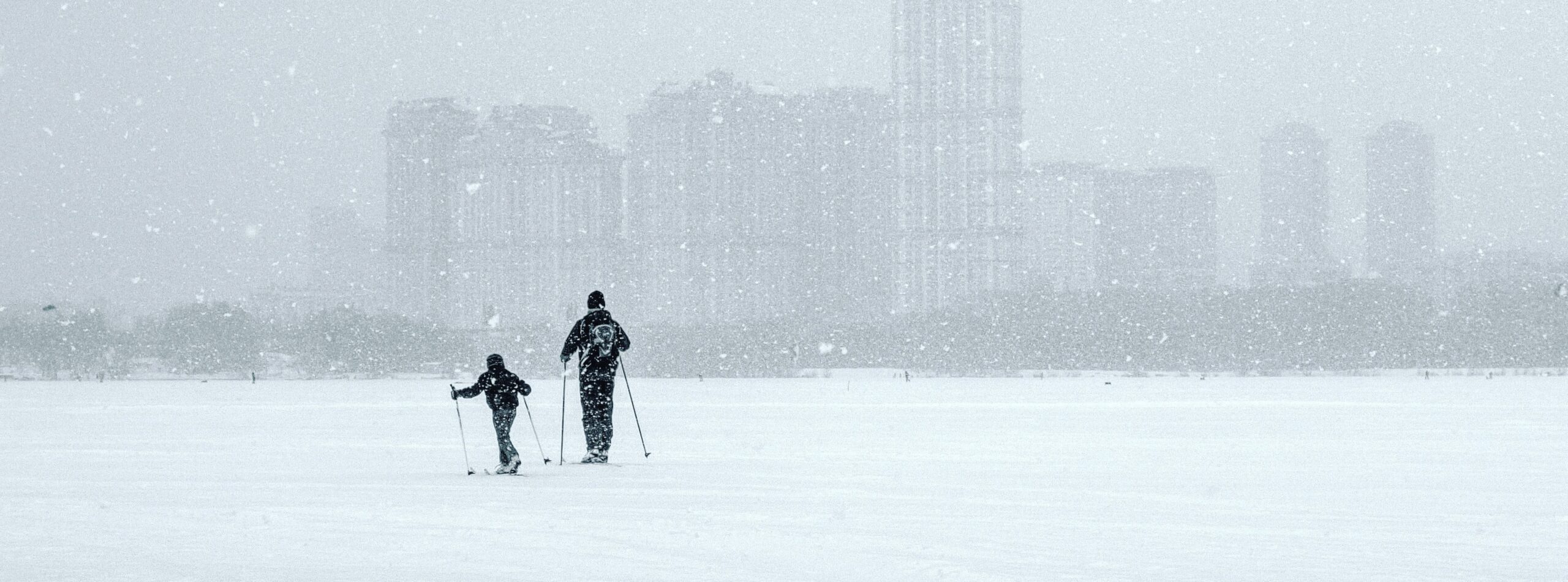
Cold spells

Unusual cold spells can occur even in a warming world, and cause disruption to transport, energy & food supplies.

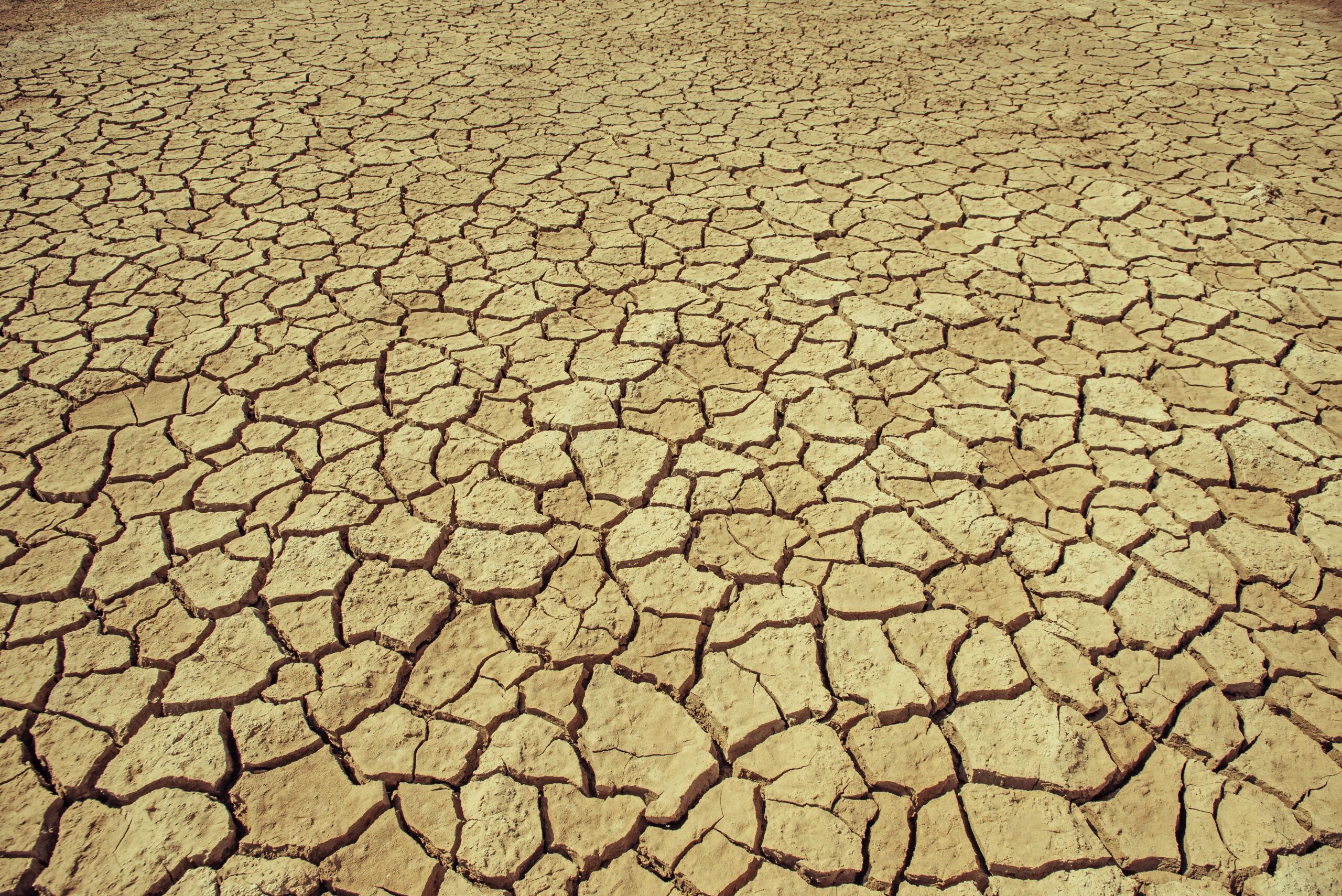
Drought

Drought affects people in many ways, from reduced water & food supplies to increasing the risk of wildfires.

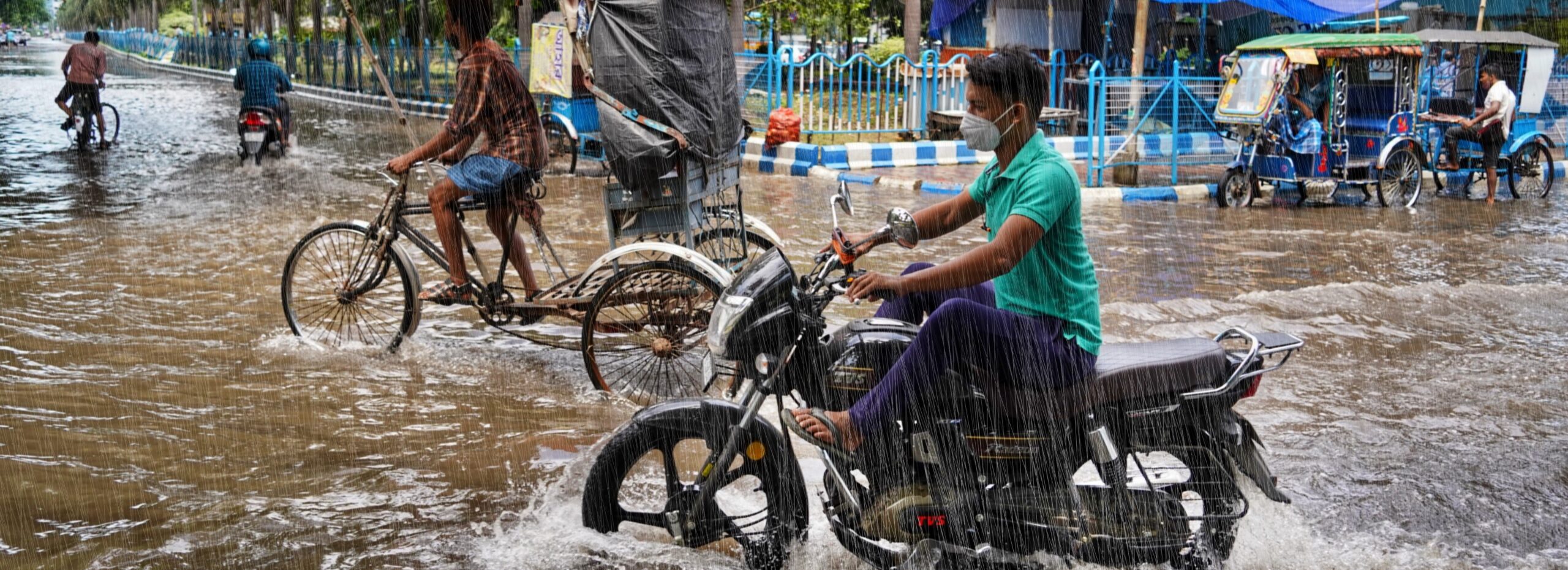
Extreme rainfall

Rainfall events from a major storm or hurricane, or intense localised downpours can lead to flooding in any type of location.

Heatwave

Heatwaves can be particularly dangerous to humans, and occur all over the world with increasing intensity.

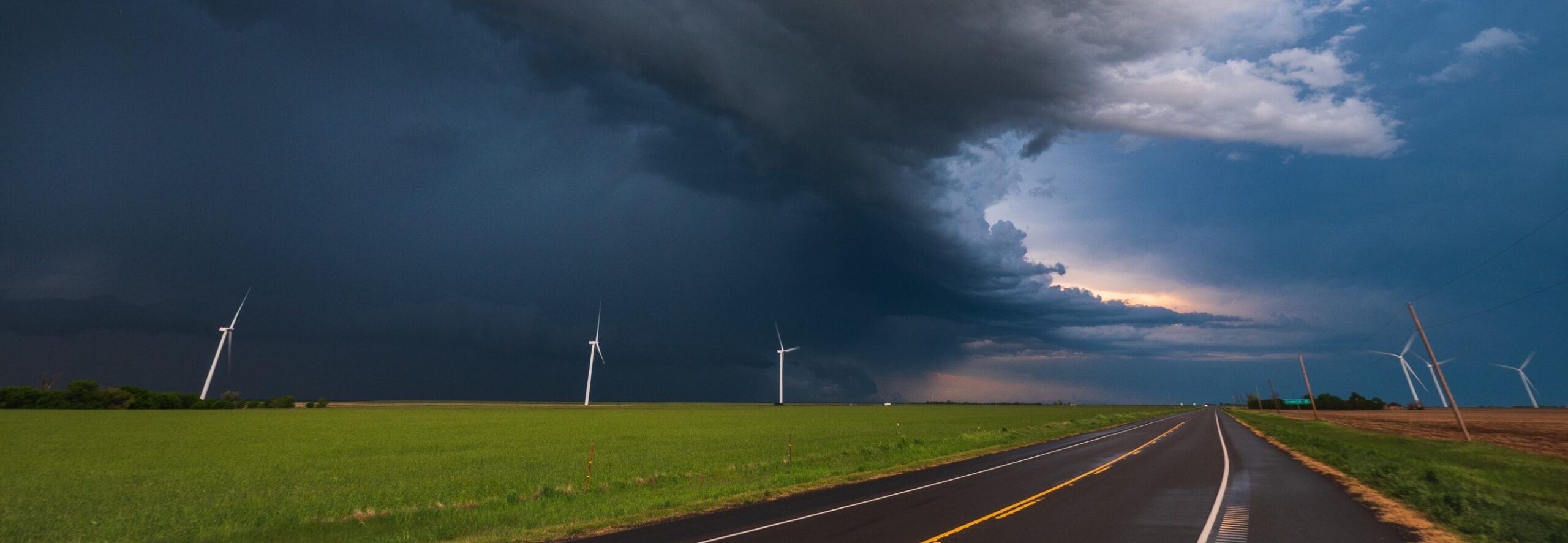
Storms

Storms usually include heavy rain, snow or hail, strong winds and thunder & lightning.

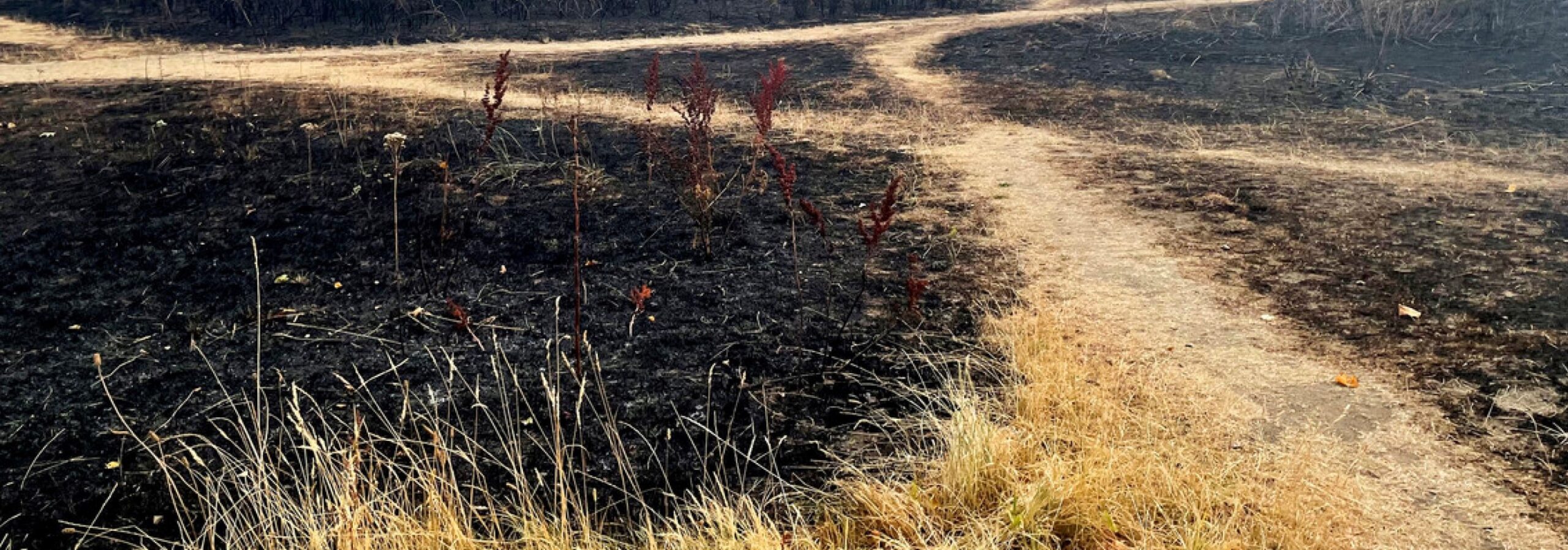
Wildfire

Warmer temperatures are increasing the likelihood of wildfires both starting and spreading in many regions of the world.