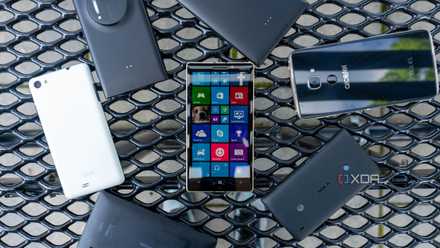
Windows Phone was once a direct competitor to Android and iOS, and many still yearn for its return, despite Microsoft repeatedly stating that they've moved on. For those unfamiliar, Windows Phone was the company's foray into the smartphone space that replaced its previous Windows Mobile efforts from the mid-2000s. Between 2010 and 2016, you could buy a Windows Phone handset that featured a tile-based user interface that actually inspired Windows 8, with apps that were ported over from the desktop operating system.
However, Windows Phone was simply too late to market, with iPhone and Android handsets already dominating with more apps available in their stores compared to what the Windows Phone Store offered. There were also features that Microsoft simply didn't have on its phones, or features that other platforms already had that took too long to come over, and, ultimately, a lack of apps. These factors led to developers focusing on iOS and Android, with Windows Phone being put to rest in 2016. However, several of its features could work well with Windows 11 in 2024. With this in mind, we've listed three features of Windows Phone that deserve a comeback.

Windows Phone failed, but its design stood the test of time
Windows Phone eventually died off, but its design and user experience were surprisingly ahead of its time, and better than Android and iOS.
3 Live Tiles
Live Tiles were the main way of navigating through Windows Phone's home screen. Users could resize and arrange these tiles anywhere, which also showed unread notifications with a number within the tile itself. You could change their color, add custom images to the tiles, and even make them transparent, further adding to the appeal of making the home screen your own. Windows Phone's take on launching apps on the home screen was so unique, that it set it apart from the apps and widgets that would show on a grid layout on iPhone and Android devices.
While a version of Live Tiles came to Windows 8, followed by Windows 10's Start Menu, they were quickly phased out. These tiles were great as small bits of information, much like the widgets in Windows 11. It would be great to bring Live Tiles back in Windows 11, allowing them to be placed on the lock screens of the best laptops, or reintroduced in the Start Menu, providing users easy access to any unread emails and other notifications.
2
Kids Corner👁 Setting up Kids Corner in Windows Phone
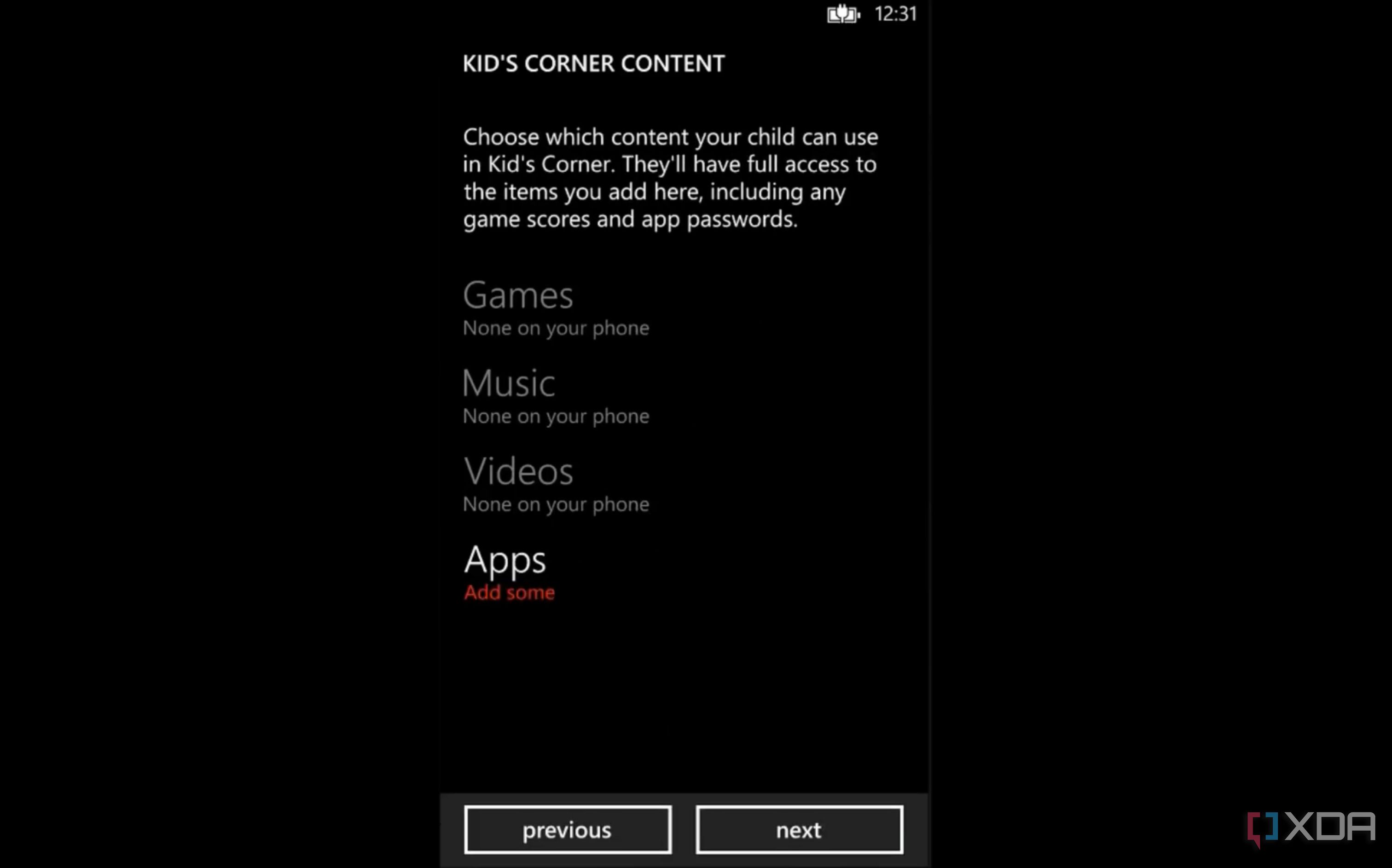
Kids Corner was a fantastic feature of Windows Phone, which allowed parents to create a safe space for their kids to use their phones without fear of opening any sensitive apps, such as banking. This way, parents had peace of mind whenever the phone was passed over to kids. With Windows 11 available on all kinds of devices, from the best desktop computers to the best laptops, it's more important than ever for kids to have a dedicated area for when they want to use their parents' devices. Although Windows 11 includes Family Safety features, the capabilities that Kids Corner offered on Windows Phone should be made available.
1
Bring back the People Hub but expand it to other apps👁 The People Hub in Windows Phone 8
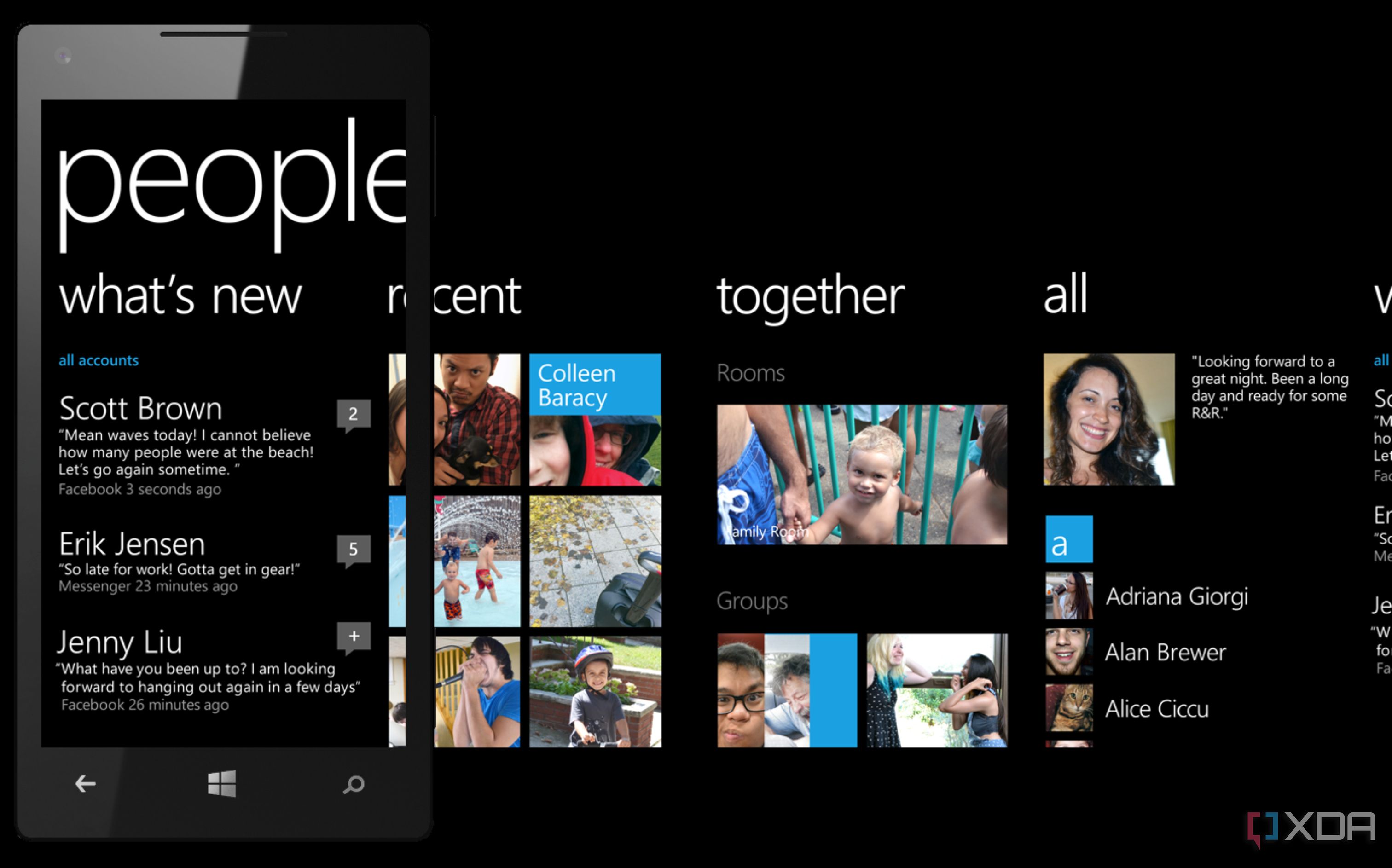
Another standout feature of Windows Phone was its ability to combine all of your contacts into a single app. If you knew someone on WhatsApp, X (formerly Twitter), and Facebook, their details would be combined into one place, with a live feed showing their latest posts on certain social media sites. This made adding and removing these contact details much easier, and it made you use the People Hub more, instead of needing to go to Facebook or X to check for any new posts. This spirit was sort of carried on in the My People feature in Windows 10, but it was severely underappreciated. In today's age of different social media platforms available to use, the People Hub should come back to Windows 11, but have it so that it integrates more apps, like Bluesky, Threads, and Mastodon. While Bluesky and Threads offer an 'API' that allows developers to have these social platforms be used in their apps, they don't yet offer the depth of access that Facebook and X once provided, which People Hub used to take full advantage of. However, a redesigned People Hub in Windows 11 could be valuable regardless, which could offer integration with gaming services like Xbox and PlayStation, allowing users to keep track of their achievements and PlayStation trophies in one place.
Microsoft could take some pointers from the Nokia Lumia series
Another defining aspect of Windows Phone was Microsoft's partnership with Nokia, then the largest handset manufacturer in the world. The Nokia Lumia series had some standout features, such as a high-quality Carl Zeiss lens and a dedicated camera button, which has only just debuted on Apple's iPhone 16 and 16 Pro series called Camera Control. In addition, the Nokia Lumia series featured some eye-catching colors and designs which made them stand out from the many Android handsets at the time. It's these features that a revived Surface Duo handset could take a few pointers from. However, many more Windows Phone handsets could serve as inspiration for Microsoft. To highlight this, we've compiled a guide showcasing seven of the best Windows Phone handsets to showcase just how good these phones looked and performed in their prime.