
Getting started with 3D printing can be exciting, but it has a learning curve. From choosing the right printer to understanding materials and software, beginners often make avoidable mistakes. Knowing what to watch for can save time, money, and frustration.
Here are some common pitfalls to avoid when you’re new to 3D printing. By learning from these mistakes, you can get better results and enjoy the process from the start.
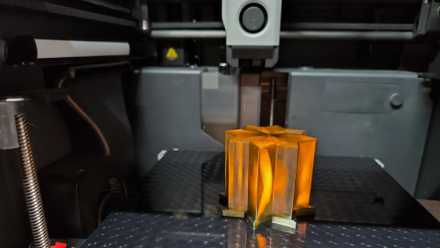
7 reasons I’m switching to PETG filament for my 3D printing
While PLA filament is best for 3D printing beginners, there are strong advantages to using PETG instead
7 Getting frustrated with failures
Mistakes are part of the learning process
3D printing can be unpredictable; even experienced users deal with failed prints. Newcomers often get discouraged after a few bad results, but failures are valuable learning opportunities.
Analyze what went wrong, whether it’s poor adhesion, under-extrusion, or layer shifting. Online forums, troubleshooting guides, and slicer software logs can help identify problems. You’ll become more familiar with your printer and materials with patience and practice. Embrace the process, and your prints will improve over time.
6 Using the wrong print settings
Default settings don’t always yield the best results
Many newcomers stick to the default slicer settings provided by the manufacturer. While these presets can work for basic prints, they often need adjustments for different materials and designs. Settings like layer height, print speed, and temperature all impact print quality.
For example, printing with PLA requires temperature settings that are different from PETG or ABS. Ignoring these differences can lead to poor adhesion, warping, or stringing. Take the time to learn about common slicer settings and experiment with small test prints.
Understanding how each setting affects the final product will give you more control and better results over time.
5 Ignoring filament storage
Humidity can ruin your filament and prints
Filament quality significantly influences 3D print success, but many beginners overlook proper storage. Materials like PLA, PETG, and nylon absorb moisture from the air, which can lead to weak, brittle prints or nozzle clogs.
Store filament in airtight containers with desiccant packs to keep moisture at bay. If the filament becomes brittle or prints poorly, drying it in a filament dryer or a low-heat oven can restore its quality. Good filament management ensures consistent print performance and reduces wasted material.
4 Skipping regular maintenance
3D printers need routine care to perform well
3D printers are mechanical devices with moving parts, and like any machine, they need regular maintenance. Beginners often forget this step until issues like clogged nozzles or misaligned belts arise. Preventive care can save time and money in the long run.
Simple tasks like cleaning the nozzle, lubricating moving parts, and checking belt tension should become part of your routine. Over time, dust and filament residue can accumulate, affecting print quality.
Consult your printer’s manual for maintenance guidelines and stick to a schedule. Well-maintained printers produce better prints and last longer.
3 Neglecting print bed leveling
A level print bed is crucial for print success
Bed leveling might seem like a small detail, but it’s critical for successful 3D printing. If your print bed isn’t level, prints may not stick properly or may warp during the process. Many beginners skip this step or assume it only needs to be done once.
Manual bed leveling requires adjusting screws until the nozzle is the proper distance from the bed. Some printers come with auto-leveling features, but even these need occasional calibration. Regularly checking and adjusting your print bed can significantly improve your print quality.
A properly leveled bed ensures the first layer adheres correctly, setting a solid foundation for the rest of the print. Don’t overlook this essential task.
2 Overlooking safety precautions
3D printing involves heat, fumes, and sharp tools
3D printing is generally safe but involves high temperatures, fumes, and mechanical components. Beginners sometimes underestimate these risks, especially when working with unfamiliar materials.
Always operate your printer in a well-ventilated area, especially when printing with materials like ABS, which can release harmful fumes. Wear gloves when handling resin, and never leave the printer unattended for extended periods. Following basic safety guidelines will protect you and your equipment, letting you enjoy 3D printing without unnecessary risks.
1 Choosing the wrong printer for your needs
Understand your goals before buying your first printer
One of the most common beginner mistakes is choosing the wrong 3D printer. With so many options available, it’s easy to get overwhelmed and pick a model that doesn’t fit your needs. Some printers are better for small, detailed prints, while others excel at larger or more functional objects.
Beginners often focus on price alone, but cheaper models can be more challenging or require frequent maintenance. It’s important to research different types, like Fused Deposition Modeling (FDM) or resin printers, and match your choice to the projects you want to create.
Consider factors like build volume, print speed, and compatibility with different materials. Reading reviews and joining online communities can help you find a reliable machine that suits your goals.
Learn from mistakes to enjoy 3D printing more
3D printing has a learning curve, but knowing common mistakes can make it easier. Take the time to research, experiment, and maintain your equipment. With patience and a willingness to learn, you’ll soon be confidently creating impressive prints.