
Summary
- Refurbished hardware offers cheaper prices and reduces electronic waste.
- Manufacturers benefit from revenue from returned items and improved product reliability.
- Proper refurbishment and testing are crucial for maintaining consumer confidence.
In the past few months, we've seen some big names in the technology world get into the business of selling refurbished hardware. Valve sometimes sells refurbished Steam Decks, and Seagate recently gave everyone excellent deals on repaired drives via an official eBay store. And it got me thinking: we should have a ton more officially supported refurbished hardware plans out there.
In a world where tech arrives and leaves at a breakneck pace, anything to reduce electronic waste is a huge benefit. So, here's why I think more companies should have refurbished hardware plans - after all, it's a win for everyone.
1 The consumer wins by getting like-new hardware at a cheaper price
Getting a good deal on expensive tech
The most obvious benefactor of refurbished hardware is the consumer. Because the hardware isn't brand-new, refurbished products are usually priced at a pretty hefty discount. If you check out the official Seagate refurbished hard drive store on eBay, it has some amazing deals on it. The Exos X22 22TB went on sale for $311.99, when it was originally priced at $610.99. It's hard to ignore such a drastic price cut, and makes purchasing refurbished hardware an absolute bargain.
Unfortunately, it's not a perfect deal. Usually, refurbished hardware comes with some kind of catch, such as a lowered warranty due to the hardware not being brand new. However, if consumers can stomach that, it's a good way to get "recycled" hardware back into people's hands and let them save a pretty penny at the same time. And if the company performs decent checks, the hardware consumers get will work just as well as a brand-new one.

Steam Deck starter guide: Everything you need to know to start gaming
Just purchased a new Steam Deck? There's a wonderful world of gaming awaiting you, and here are some first steps to take.
2 The manufacturer wins by selling off returned hardware
Every item is a potential money-maker
Usually, when someone returns hardware that's under warranty, it's because a small handful of components have stopped working. Sometimes the component is vital enough to prevent the product from working, and sometimes it just provides a less-than-ideal experience which causes the user to send it back. The point is, the rest of the hardware is usually totally fine and does not need to be thrown out.
So, what can the company do with these busted devices? While throwing them out is an option, it's a waste of good hardware. Instead, it can identify the areas that failed, replace them with brand-new hardware, test them for faults, and then sell them as refurbished.
Sure, it may not earn the business as much money as selling the hardware brand-new, but when the alternative is simply scrapping the product and calling it a loss, it's a lot more appealing to repair it to a working state and sell it again. Plus, if the company makes a concerted effort to sell refurbished hardware, it'll have a better time identifying which components are going kaput and adapting its current and future products to prevent it from happening again.
In fact, refurbished hardware is an excellent way for businesses to develop brand loyalty. It's totally possible that someone purchases a refurbished product simply because it's at an excellent price, but will then develop an appreciation for the manufacturer and purchase their products later down the line.

5 ways you can resell your tech to make money
From eBay to apps like Offerup, there are a ton of places you can go to make money off old tech
3 Everyone wins due to less electronic waste
Get tech landing in people's homes instead of landfill

Let's be honest; we can be pretty wasteful at times. Once a single component in a device blows and renders the entire device inoperable, we chuck it away and purchase a new one to replace it. That's a lot of perfectly good hardware filling up landfills and making the already serious electronic waste issue even worse.
By strategically removing the components that have blown and keeping the hardware that's still good, companies can drastically reduce how much waste they create. And anything that prevents the waste of perfectly good hardware is a win in my book.
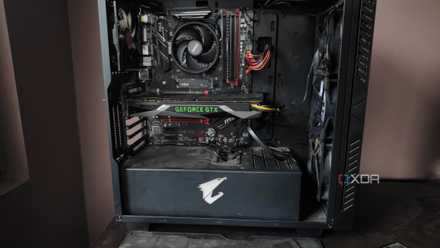
7 coolest things to do with your old PC instead of throwing it away
Thinking of parting with your old PC? Here are some cool ideas to explore before you sell it or throw it away.
Refurbished hardware is great, but it has to be done right
As much as I can stand on my soapbox and wax about how good refurbished hardware can be, it all comes down to the company involved with the repairs. If they do a shoddy job and turn returned hardware around as quickly as possible to make a quick buck, it'll only cause more issues for consumers and damage confidence in purchasing refurbished hardware. And if that happens, we'll be back to square one.
However, if companies take the time to make thorough repairs and test the units to ensure they run as well as a brand-new product, people will be more likely to shop second-hand. Sure, that refurbished laptop you got has a little nick on the side, but when you got it for half the price it usually retails for, can you really complain? The consumers get excellent hardware for a considerable discount, the manufacturer can re-sell returned stock and drum up consumer confidence in the brand, and everyone wins due to a reduction of e-waste - sounds like a solid strategy to me.