
Video games are an entertainment medium that has been around for over 75 years at this point. Within that time, there have been game releases with an impact so great that they changed the way we see how games are played and received by players. They became staples of the time they were released, as well as representations of the best aspects or potential that the medium can achieve. While most big games end up becoming popular or beloved, not all of them can end up becoming legendary titles that remain relevant beyond their release years. Games like that change the industry in ways that we can't imagine until they finally arrive and become iconic games that we won't stop talking about.
What are the kinds of video game releases that end up reaching that status? While they don't necessarily have to be released on a PlayStation, Nintendo, or Xbox console to do so, most of the major games that we view as that come from the console space. Video games as an entertainment medium evolved into a hobby beyond the bounds of personal computers, and took on a different form with home console releases that became a staple of pop culture. So the games that are often brought up in discussions like this are usually console games that have impacted the world significantly. Here are three legendary video games that fundamentally changed the video game industry forever.

The most influential video games of each decade
There are many games that get released each year, but only a few can be influential beyond their decade. These are the games that have achieved that.
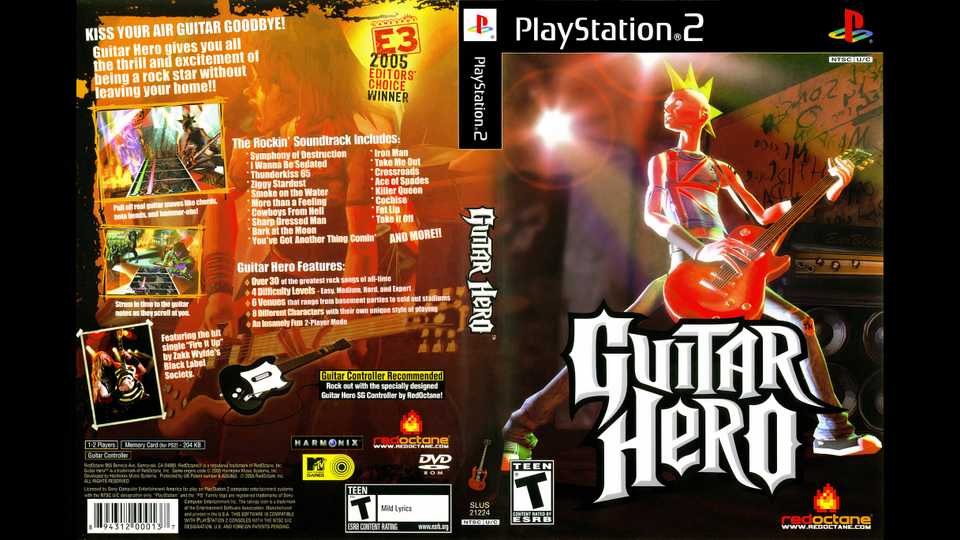
3 Guitar Hero (PlayStation 2)
The musical wave
Gaming circles were usually dominated by the platformer, FPS, and role-playing genres for a long time. Those were the kinds of games that were mega-popular and sold very well among the demographics that frequently played video games. But in the early 2000s, a unique and unexpected trend took off into the stratosphere that crossed over barriers of entertainment and brought many people together for a brief time. The release of Guitar Hero on the PlayStation 2, and eventually other home consoles, got people playing and singing their favorite rock and roll tunes from throughout the decades. While it was no replacement for playing real music on real instruments, it was a way to enjoy the fun of feeling like a rock star and celebrating years of phenomenal music that people have listened to for a long time.
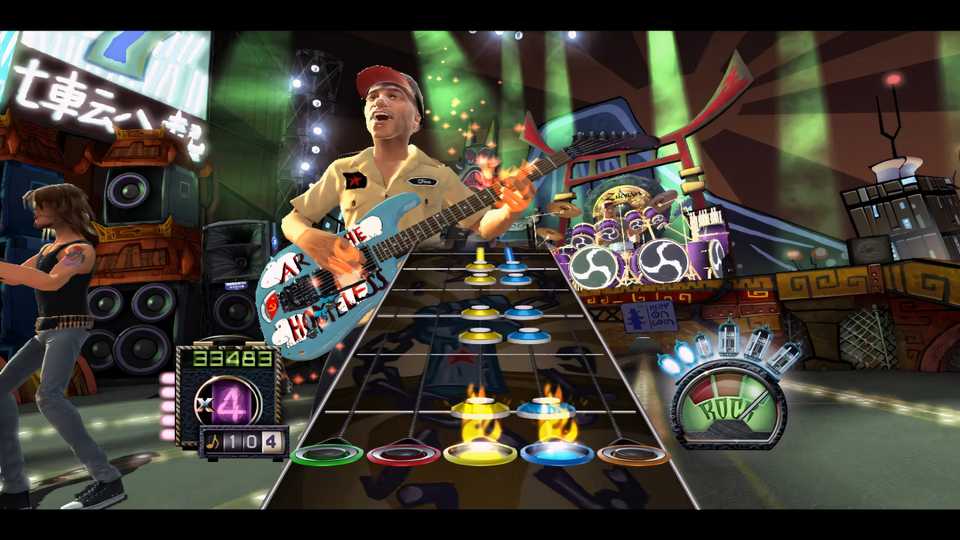
What Guitar Hero did for the music genre is unlike anything that came before it. Music-based games had always been around beforehand, but were nowhere near as mainstream as the Guitar Hero series had become. People latched onto the idea of playing a game with a guitar controller to music tracks from various parts of the rock genre, whether it was classical or modern music, and could even turn things into a party activity with friends. The game became so popular that multiple sequels and spin-offs were released, featuring even more music and popular bands. The game itself could be simple to play and enjoy some great tunes, but could also become a tough test of reactions and hand movements as one plays a song on Expert difficulty, with tons of music notes speeding towards the screen.
But like many stories found on VH1 and MTV, the trend did not last long. Despite Guitar Hero being the basis for other games in the genre to iterate and evolve the design of the game, things came to a quick end. People stopped purchasing musical games like Guitar Hero and its competitors, like Rock Band. This was largely due to the increasing expense of game prices and bundles with each new release, prompting people to look to other games. As quickly as Guitar Hero made the music genre skyrocket in relevance and the series became a household name, it faded away just as quickly. People still reminisce about the fun times that Guitar Hero and its sequels gave to everyone who played it, but it's doubtful the series, or the music game genre, will ever return to the same prominence it once had.
- Released
- November 1, 2005
- ESRB
- t // Mild Lyrics
- Developer(s)
- Harmonix
- Publisher(s)
- RedOctane
- Multiplayer
- Local Multiplayer
- Franchise
- Guitar Hero

- Genre(s)
- Music
2 Halo: Combat Evolved (Xbox)
Dawn of the console FPS
When people think of the modern first-person shooter, chances are they're thinking about or referring to something like the Halo series from Microsoft Studios. This is because the first game, Halo: Combat Evolved, is responsible for laying the foundation and blueprint for how most console FPS titles are designed even today. Everything, from the layout of controls and the pacing of gameplay to multiplayer modes and the overall presentation of big-budget first-person shooters on consoles, can be traced back to Halo in some way. And all of that is before one thinks about the cultural impact the game had on everyone, including how competitive gaming events are done and the outlook on video games as a whole.
What made Halo: Combat Evolved so popular was its mainstream appeal in circles outside of gaming, as well as its sci-fi setting and gritty tone that appealed to everyone in the 2000s. It was cool to play games like Halo in almost every facet of pop culture, from Hollywood celebrities to sports athletes. They all knew the name of the game everybody played, and others wanted to be part of the action. At the same time, you could see Halo shared everywhere you look at the time, not just in gaming magazines and banners in stores. It was more than just a game; it was a pop-culture phenomenon that shifted the perception of video games towards a mature and profitable hobby.
All of that doesn't take away from the fact that Halo: Combat Evolved was also incredibly fun to play. The story of Master Chief battling the Covenant was epic, and the multiplayer modes were highly replayable and fun. At the same time, Halo: Combat Evolved and its sequel were at the very beginnings of online gaming, becoming a massive part of the culture. Playing games online had been around for some time, with consoles like the Sega Dreamcast and PlayStation 2. However, the approach to hopping online and gaming with friends really came into its own with Xbox Live and the original Xbox. And the series that pioneered that was Halo for most people. While things have changed now for the series, we wouldn't have modern console gaming the way we have it now without the Halo series becoming a massive success.
- Released
- November 15, 2001
- ESRB
- M For Mature 17+ due to Blood and Gore, Violence
- Developer(s)
- Bungie
- Publisher(s)
- Microsoft Game Studios
- Engine
- Blam Engine
- Franchise
- Halo


WHERE TO PLAY


- Genre(s)
- FPS
1 Super Mario Bros. (NES)
The blockbuster begins
The 1980s were a time of growth for video games, with most of the popularity of the hobby coming from arcades. But things really changed with the release of the Nintendo Entertainment System and the release of Nintendo's biggest game, Super Mario Bros., on the NES. This game not only became a gargantuan success for Nintendo, but it also ended up giving pop culture a new icon for people to admire in entertainment. The game was simple to play, had a catchy melody, was colorful to look at, and attracted everyone in the family to check it out. That was a recipe for great success that made Nintendo a powerhouse company in the gaming industry in the mid to late 80s, and continues to make them a major company to this day.
The release of Super Mario Bros. also shifted the way other companies developed games for platforms like the NES and others like it. Platformers were a massive genre in that era, mostly due to technical limitations and financial success with customers, so there were many copycats from companies that made games. With Super Mario Bros. being as big a release as it became, so many other video game companies wanted to capitalize on the wave of excitement, leading to tons of other platformers with Mario-inspired gameplay and visuals. The majority of these games were nowhere near as successful as Nintendo's release, with very few even finding success at all, but the effects of Super Mario Bros. were felt by everyone. This gave Nintendo enough influence to shift how games were released on their console, as well as how other developers would approach their own titles in the years that followed.
And yet, Nintendo didn't just win in the video game industry, but in other aspects of entertainment as well. You couldn't go anywhere in the late 80s and not find something Super Mario Bros. related on a store shelf, or a branded tie-in to the game on television. People fell in love with Nintendo and with Super Mario Bros. in a very big way. Eventually, this led to other big releases from Nintendo as a follow-up to Super Mario Bros. on the NES, including games like The Legend of Zelda and Metroid. Today, there are very few characters, in or out of gaming, that are as big as Super Mario and the rest of his colorful cast. The series expanded beyond the platformer genre and saw multiple games released on Nintendo platforms for decades, while simultaneously influencing so many other video game releases.
- Released
- November 17, 1985
- ESRB
- E For Everyone
- Developer(s)
- Nintendo R&D4
- Publisher(s)
- Nintendo
- Franchise
- Super Mario





WHERE TO PLAY

- Genre(s)
- Platformer
Games that shape history
Not every game that gets made will ever reach the same heights or prestige that certain iconic releases have. It takes a combination of unique ideas, timing, and appeal to create a game that will stay in people's minds for a long time and ultimately impact how the medium is perceived. All three of these games did so in ways that shaped the way we play and see video games now and in future years as things continue to evolve for the industry. One can argue that gaming wouldn't be what it is today without these titles, as everything we know and experience now would be incredibly different. These are games that have shaped video game history, and continue to do so in ways that won't ever go away.

The golden age of Star Wars video games
There was a time when Star Wars games were creative and exciting. For many Star Wars fans, it was a golden age of video game releases.