
For many gamers, Metal Gear Solid is one of the most beloved video game series of all time, often being credited for ushering in cinematic storytelling in modern games. While stealth espionage action was at the heart of the gameplay experience, developer Hideo Kojima put a heavy emphasis on presenting a story that players could become heavily invested in. This enabled the Metal Gear Solid games, and ultimately the entire Metal Gear franchise, to grow into a mega-hit series that is fondly looked back on to this day. And while much has changed with the series since the departure of Kojima from Konami in 2015, the series still resonates with players around the world. This is a big reason why remaking the Metal Gear Solid games is a smart move by Konami now, but they should follow another company's approach to how they handle it.
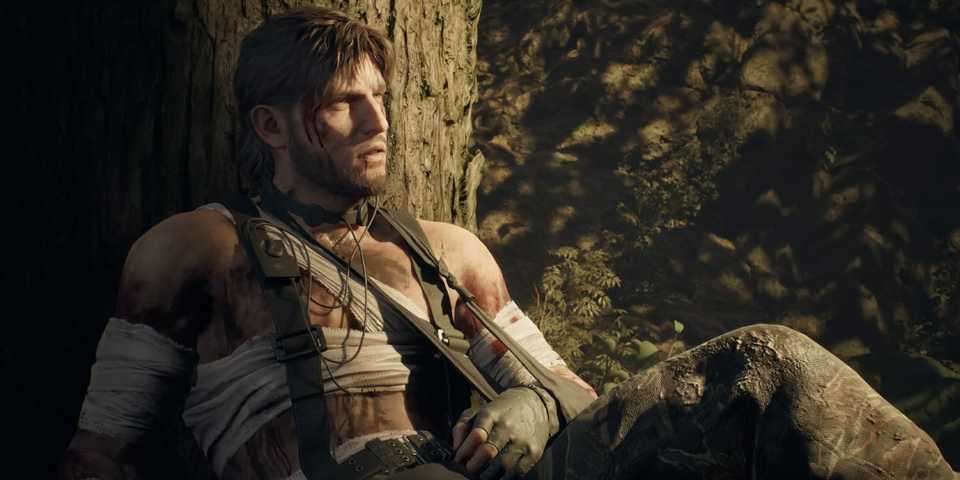
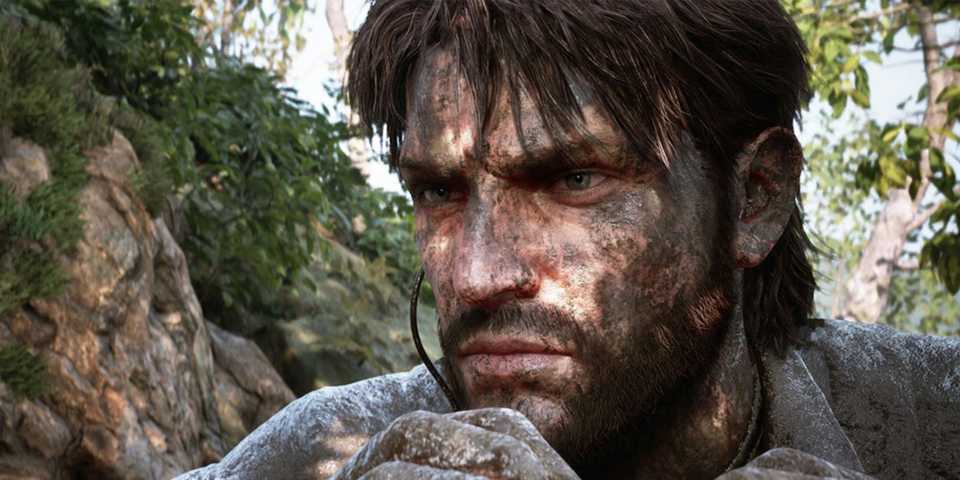
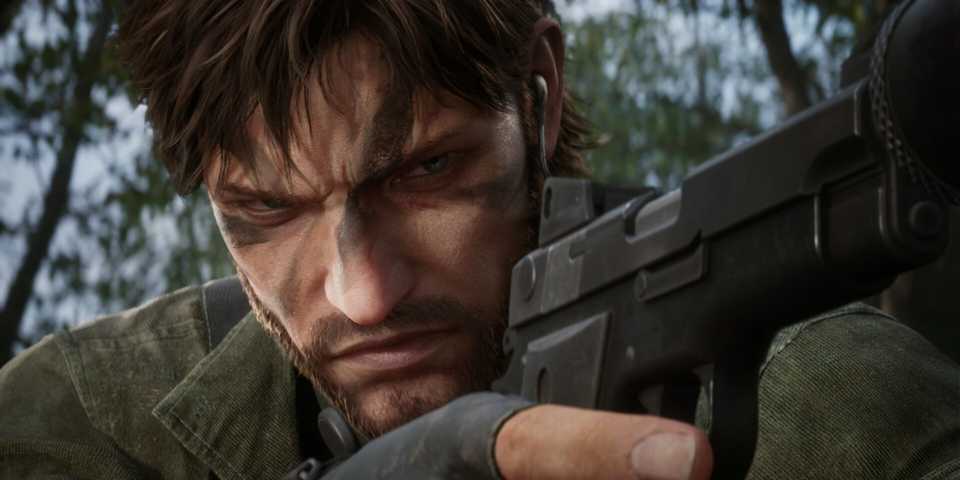
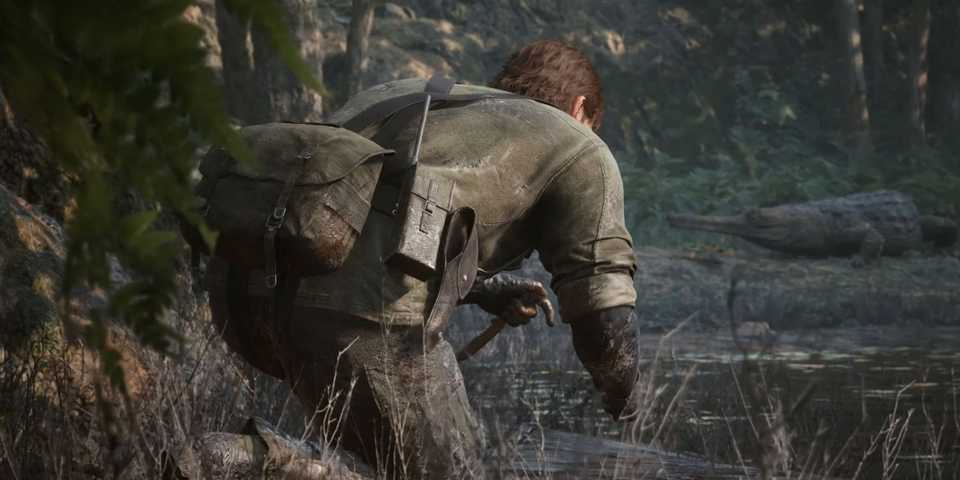
With the imminent release of Metal Gear Solid Delta: Snake Eater drawing near, people have discussed Konami releasing remakes of the entire series. Metal Gear Solid Delta keeps things simple by refreshing the visuals of the game, but it might actually be a good idea for the company to do more than just a visual overhaul. Another series that has been remaking each major title in its saga is Resident Evil from Capcom, which has found great success in the eyes of fans. Here's why the Metal Gear Solid series should take a page out of Capcom's book and remake the series just as the Resident Evil remakes were done.

Ranking every mainline Metal Gear game
Which Metal Gear Solid is the best? Where does MGS3 stack against Metal Gear for the MSX? Let's dive in to find the definitive answer.
More than just looks
Improving more gameplay stuff
One of the biggest changes to the remakes of the Resident Evil games is the gameplay of each title, especially the older ones that were originally released on the first PlayStation. Not only was the perspective of gameplay changed, but everything from the controls and nuances of combat was tinkered with. Capcom really made an effort to modernize a lot of the best aspects of Resident Evil that people love, both with the horror atmosphere and design of characters and enemies. It not only enabled a new generation of players to be introduced to the series, but also presented it to them in a way that wasn't outdated. It wasn't just the looks that changed; it was so much more than that.
The Metal Gear Solid series can benefit greatly from this same approach, despite some of the later games being more current releases. The original PS1 classic and the sequels on PlayStation 2 would be the titles that get the most out of major changes, which would address a lot of shortcomings that those original games had. Some hardcore Metal Gear might not agree with that, feeling that the games were perfect as they were, but the same thing was said about the Resident Evil titles as well, before the remakes were released. Metal Gear Solid is no stranger to remakes, with the first game being remade into Metal Gear Solid: The Twin Snakes for the Nintendo GameCube, which was made in the same vein as Metal Gear Solid 2: Sons of Liberty on PlayStation 2. It's comparable to what Capcom had done with the Resident Evil 2 remake over the original game, bringing it closer to the experience of something like Resident Evil 4.
But so much has changed since that original remake was made, with a lot of gameplay advancements for the series that took the concepts of third-person action and stealth gameplay to unimaginable heights. This includes enemy A.I. being smarter, lighting and detailed environments influencing gameplay in bigger ways, and a bigger range of scale for locations to place the action. At the same time, controls in later entries of Metal Gear Solid have become different, with games like Metal Gear Solid 5: The Phantom Pain having a much more fluid and comfortable control scheme than many earlier entries in the franchise. For now, Metal Gear Solid Delta has some changes to its gameplay that introduce a few aspects from later entries to make the game feel more modern, but so much more can be done to truly enhance the experience and offer something even grander for fans of the series.
Even more to the story
A chance to dive deeper into things
The plot of Metal Gear Solid is the stuff of legend, despite being incredibly complicated and spanning years of game releases. For die-hard fans, absolutely nothing should change in the story in any remake of the games. While that's understandable for anyone who has invested years of time in these games, it doesn't overshadow the potential to further enhance and add to the story told in these games. The Resident Evil remakes had the benefit of retreading ground from the original PlayStation titles and presenting them in an entirely different light, both figuratively and literally. Not only could some of the most iconic moments in the series be remixed with the benefits of modern technology, but they could be made through a modern lens that could draw upon years of hindsight to address shortcomings or push things even further. It's why people loved seeing that first zombie reveal in Resident Evil and its sequel again within the remakes.
This same thing can be done with Metal Gear Solid and all of its iconic moments that players vividly remember, only better. Metal Gear Solid: The Twin Snakes has something like this already with its retreading of story beats from the original Metal Gear Solid on PlayStation. But the game didn't always expand upon the story in big ways, outside of extra cutscenes that took advantage of the visual enhancements. A lot of the core themes and overall tone weren't built up further, but were rather overshadowed by slow-motion effects and over-the-top moments that tried to make the game feel closer to the tone of Metal Gear Solid 2: Sons of Liberty. This is not the kind of approach that the Resident Evil remakes did to their original experiences.
Fans want what they love about these games to be built upon and taken further, not sidelined in favor of something else. This is why the majority of changes to Metal Gear Solid Delta feel more focused on gameplay, while the plot we first got on the PlayStation 2 remains intact. But this is a missed opportunity to expand the plot of the original Snake Eater storyline, which fans universally love. A careful approach to smartly adding extra bits of detail or giving more time to important moments in the original plot could make a remake of Metal Gear Solid 3: Snake Eater even better, while retaining the core of what fans love about the game. This same thing could, and should, be done with other entries in the series, like the original Metal Gear Solid and its other sequels. If a franchise like Resident Evil can do this successfully, then there's no reason that a story-rich franchise like Metal Gear Solid couldn't have a similar and equally successful approach as well.

7 forgotten PS2 classics that deserve a modern remake
The PlayStation 2 has multiple games that should get a modern remake. Here are 7 PS2 classics that should make a comeback.
Making more connections
Tying everything together better
Along with more plot details and exploration of a story in a series comes more chances to tie everything in the whole series together in a better way. With Capcom's Resident Evil, the games were connected in ways that didn't always come into full view until later releases. The remakes of these games were able to make these connections feel more apparent and seamless between points of time within the franchise, especially with things like the Umbrella Cooperation being a constant within the Resident Evil titles and major details being tied to them. Metal Gear Solid has a few similarities that feel subtle in earlier games, while becoming revealed in the latter part of the series. Things like The Patriots, the legacy of The Boss, and much more come full circle amidst the crazy action that dominates the majority of the experiences in each game.
Revisiting ideas from throughout the Metal Gear Solid games and connecting threads within the games could make them all feel more cohesive if remade, especially with stories like the one in Metal Gear Solid Delta, which set up most of the events for the rest of the series. Whether through cutscenes, in-game discoveries, or extra details through dialogue, it's details like this that can boost the universe in ways to make everything feel more connected. In the end, the core of the story and the themes tied to the games aren't changed, but further reinforced in ways that make all of it even better.
-
👁 Placeholder Image
OpenCritic Reviews - Top Critic Avg: 85/100 Critics Rec: 89%

- Released
- August 28, 2025
- ESRB
- Mature 17+ // Blood, Sexual Themes, Violence
- Developer(s)
- Konami
- Publisher(s)
- Konami





WHERE TO PLAY


- Engine
- Unreal Engine 5
- Genre(s)
- Shooter, Adventure, Stealth
Continuing a legacy
The excitement for the release of Metal Gear Solid Delta: Snake Eater shows that the franchise still resonates with a lot of people. Despite the game giving players what they want in a Metal Gear Solid release, more could be done to make remakes of the Metal Gear series feel even more special. Should this remake be successful upon its release, it will be interesting to see if Konami follows the same approach again with another Metal Gear Solid title. But if they really want to get people excited who love this series, then they need to look at what Capcom has done with the Resident Evil games and see what they can adopt into their process with Metal Gear Solid moving forward. There's nothing to lose from doing so, especially when both the company and the fans win in the long run.

How the Star Wars: Knights of the Old Republic remake should be different from the original
This beloved Star Wars RPG is getting a remake. But what parts from the original game should be changed to make the remake better?