
Summary
- Unique cyberdeck uses hardwood to create a spy gadget look.
- Equipped with Raspberry Pi 5 and a physical keyboard.
- Creator already planning improvements to shield SDR and track battery status efficiently.
When people make their own cyberdecks, the casing can be just as interesting as the computing part. There are lots of different ways to house the wiring; some people opt for a secure briefcase to keep all their hardware safe, while others rev up the 3D printer and make their own. So, when I saw that someone had made their cyberdeck using hardwood, I knew I had to check it out. Sure enough, the end result looks like a spy gadget from the 70s, and I'm in love.
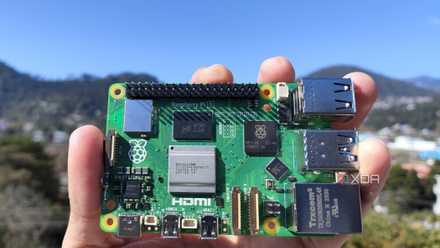
Raspberry Pi 5 review: The holy grail of DIY projects got even better (and rarer)
The Raspberry Pi 5 is one of the most powerful consumer-grade SBCs out there. Sadly, its limited stock means you'll have a hard time finding one.
This hardwood cyberdeck makes a Raspberry Pi computer look good
As spotted by Hackaday, this cyberdeck is the invention of Nicholas LaBonte on YouTube. Its most striking feature is the case, which uses Richlite and Sepele hardwood, which Nicolas says was part of his design choice to "merge cyberpunk and nautical aesthetics." It has a physical keyboard and a little red PSP1000 joystick to make it easy to get stuff done.
Alright, enough ogling the outside; what's going on internally? Powering this lovely setpiece is a Raspberry Pi 5 connected to a 5-inch 800x400 display that comes with optional touch functionality. There's even a bronze heatsink to keep the Pi cool during work or play.
Despite making such a lovely device, Nicolas is already thinking up ways to improve it. For example, he's thinking up a way to better shield the SDR, and he wants to send the I2C battery charge status to the desktop so you can keep track of how much juice is left. Honestly, I think he knocked it out of the park with this one; I'd take it as-is.
If you want to see how he made it, check out the project's Hackaday page. All the files Nicholas used are uploaded there, and you can check out the full bill of materials at the bottom to see exactly what he used. If a component has a store name and a number underneath it (for example, Waveshare P/N: 24045), head to the store mentioned and punch in the number into the search bar. The website should then bring up the exact component Nicholas used in this piece.
If you liked this project and want to check out more cyberdeck goodness, take a peek at this self-contained Raspberry Pi unit housed in a Pelican 1150 case to keep it safe from damage. Or, try this portable Raspberry Pi arcade cyberdeck for gaming on the go.