
Summary
- Raspberry Pi project can track your cat's behavior and notify you remotely, even when you're not at home.
- This DIY kit is easy to set up and can be repurposed for other uses like detecting raccoons or monitoring packages.
- You can watch a video demo of the cat tracker in action and access the necessary resources on the developer's GitHub page.
They say that when you can't hear nor see your cat, it's up to mischief. Sometimes it feels like you need eyes in every room in the house just to ensure they're not getting into places they're not allowed to be in. Now, a crafty tinkerer has created a Raspberry Pi project that can spot what your cat is up to and snitch on what they're doing, complete with a documentary-styled report.
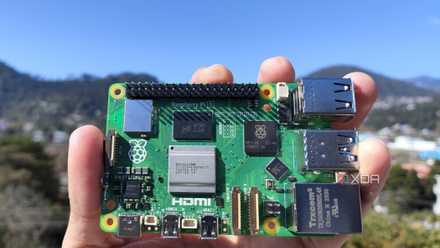
Raspberry Pi 5 review: The holy grail of DIY projects got even better (and rarer)
The Raspberry Pi 5 is one of the most powerful consumer-grade SBCs out there. Sadly, its limited stock means you'll have a hard time finding one.
The Raspberry Pi cat detection tool keeps an eye on your fluffy friends
As spotted by Hackaday, the GitHub user ykhli has uploaded all the stuff you need to make your own cat tracker. This little Raspberry Pi project can keep tabs on your cat when you're not in the room and informs you every time it spots bad behavior. Best of all, you don't even need to be home to get notified of your cat's antics:
This starter kit is super simple: it allows you to use your Raspberry Pi to monitor what your cat does at home, and email you when your cat does something it's not supposed to do. My #1 use case is detecting if my cats are jumping on my dinning table or kitchen counter. You could also opt to turn this into an AI narrator, where the voice narrates on everything it sees.
If you want to see the project in action, here's a video that the developer created to show their cat being caught on the counter:
The developer does state that if you don't have a feline friend, you can still put this technology to good use. They give examples such as detecting raccoons going through trash cans and spotting when a package has been left on your porch. As such, if you want to get started, head over to the project's GitHub page and get tinkering.